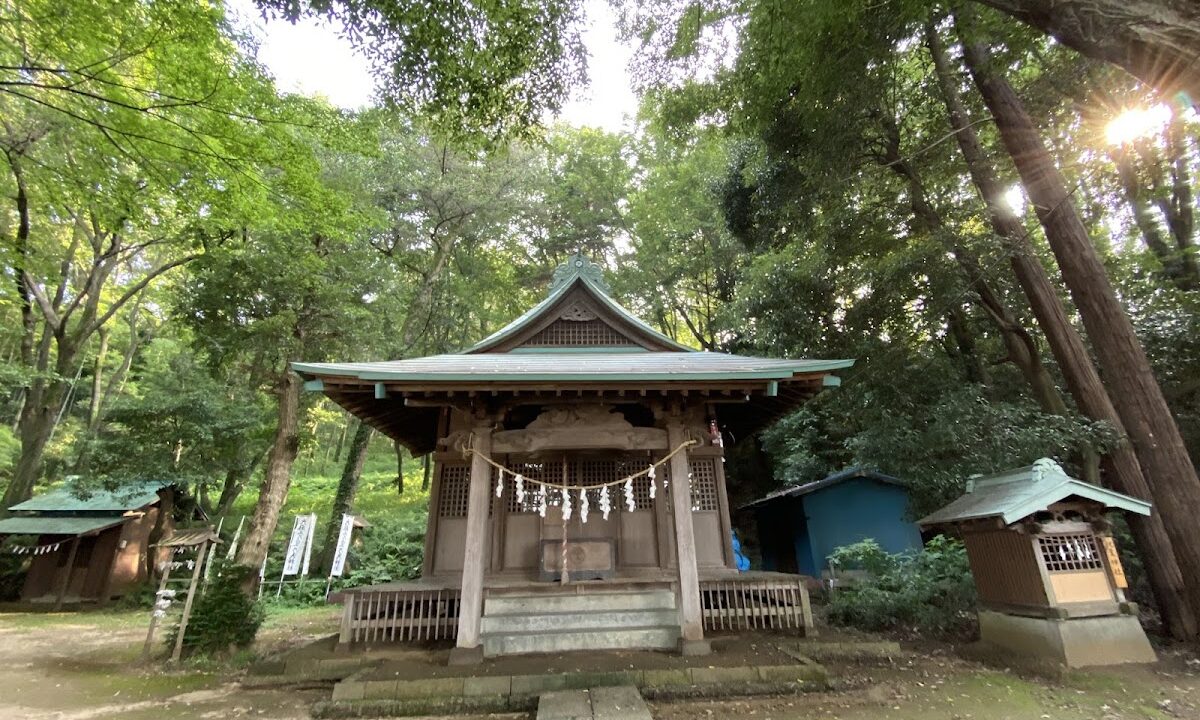
Complete Guide to Omatonotsuno Tenjin Shrine (Inagi City, Tokyo) | History, Goshuin (Shrine Seal), Access, and Shrine Highlights
Omatonotsuno Tenjin Shrine, located in Oomaru, Inagi City, Tokyo, is a venerable shrine listed in the Engishiki Jinmyocho, a list of shrines compiled during the Heian period. It boasts a long history as an ancient shrine in Tama District, Musashi Province, and remains cherished by the local community. This article provides a detailed explanation of everything you need to know before visiting, including the history of Omatonotsuno Tenjin Shrine, its enshrined deities, shrine highlights, goshuin information, and access methods.
What is Omatonotsuno Tenjin Shrine?
Omatonotsuno Tenjin Shrine is a shrine located at 847 Oomaru, Inagi City, Tokyo. Its former shrine rank was Gosha (village shrine). It is pronounced “Omatonotsuno Tenjinsha” or “Omatonotsuno Amatsukami no Yashiro.” This shrine is listed in the Engishiki Jinmyocho (a list of shrines compiled in the Heian period) as “Omatonozuno Tenjin Shrine, Tama District, Musashi Province,” and is known as one of the important ancient shrines in Musashi Province.
Locally, it has long been known as “Marumiya Myojin” or “Maruyama Myojin” and has been revered as a center of faith in the Tama River basin. The current shrine building is located on a hill, and a mystical space unfolds at the top of a long stone staircase.
History of Omatonozuno Tenjin Shrine
The Engishiki Jinmyocho and its Status as a Shikinaisha (Shrine Listed in the Engishiki)
The oldest record of Omatonozuno Tenjin Shrine is the Engishiki Jinmyocho, completed in 927 AD. It is listed as a shrine in Tama District, Musashi Province, in this nationwide list of shrines compiled during the Heian period, indicating that it was a shrine of high status recognized by the imperial court even at that time.
Shrines listed in the Engishiki Jinmyocho (a list of shrines compiled in the Heian period) are called “Shikinaisha,” and there are approximately 2,800 such shrines nationwide, with 44 listed in Musashi Province. Omatonozunotenjinja Shrine is one of them, a venerable ancient shrine with a history of over a thousand years.
Origin and Changes of the Shrine Name
There are several theories regarding the origin of the name “Omatonozunotenjinja Shrine,” but the most likely explanation is that “Omato” is an ancient place name, and “Tsuno” means “horn” or “port,” representing a geographical feature related to the inlets and lagoons of the Tama River. Indeed, in ancient times, this area was a lagoon of the Tama River, and it has been suggested that the shrine may have been worshipped as a water deity.
During the Edo period, it was affectionately known as “Marumiya Myojin” or “Maruyama Myojin” by the local people, and in the Meiji era, it was ranked as a Gosha (village shrine) under the shrine ranking system.
History Since the Modern Era
Even after the Meiji-era separation of Shinto and Buddhism, the shrine continued to attract worshippers as the guardian deity of the region. Through the Showa era and into the present day, it has been revered as the tutelary deity of the Oomaru district of Inagi City. Following post-war renovations of the shrine buildings and improvements to the grounds, it has reached its current form.
Deities and Divine Virtues
Main Deity: Kushimachi-no-Mikoto
The main deity of Oomatonozunotenjin Shrine is Kushimachi-no-Mikoto. Kushimachi-no-Mikoto is a deity appearing in Japanese mythology, known as the god of wisdom and technology. “Kushi” (串) is related to “kushi” (奇し), signifying mysterious power, and “machi” (真智) represents true wisdom.
Divine Virtues
At Oasatonozunotenjin Shrine, which enshrines Kushimachi-no-Mikoto, the following divine virtues are believed to be present:
- Academic Success and Passing Exams: Divine virtue as the god of wisdom
- Skill Improvement: Improvement of skills and techniques
- Protection from Misfortune and Good Fortune: Dispelling disasters and opening up good fortune
- Family Safety: Safety and prosperity of the family
- Abundant Harvest: As the guardian deity of agriculture
Highlights of the Shrine Grounds
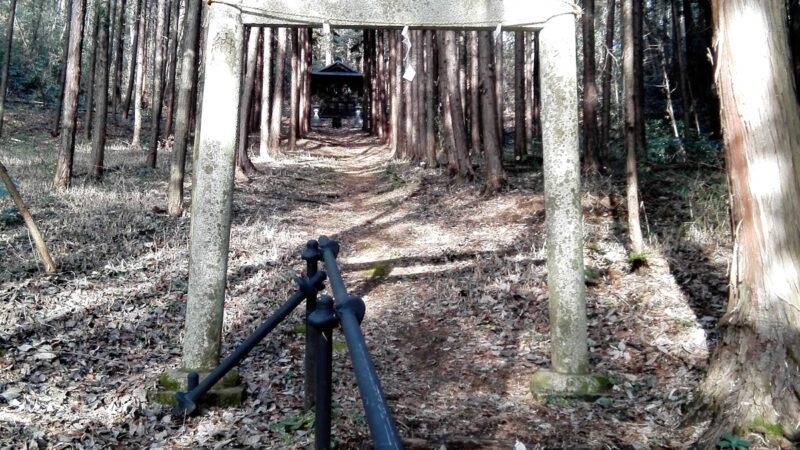
Long Stone Staircase and Torii Gate
Visiting Oasatonozunotenjin Shrine begins at the torii gate along Kawasaki Street. Passing through the torii gate, a long stone staircase leading to the shrine grounds appears. This staircase has over 100 steps, and with each step you climb, you feel yourself moving away from the hustle and bustle of everyday life and approaching a sacred realm.
Trees grow thickly on both sides of the stone steps, creating a beautiful landscape, especially during the seasons of fresh greenery and autumn foliage. Upon reaching the top of the steps, the view opens up, revealing the shrine, enveloping you in a mystical atmosphere.
Shrine
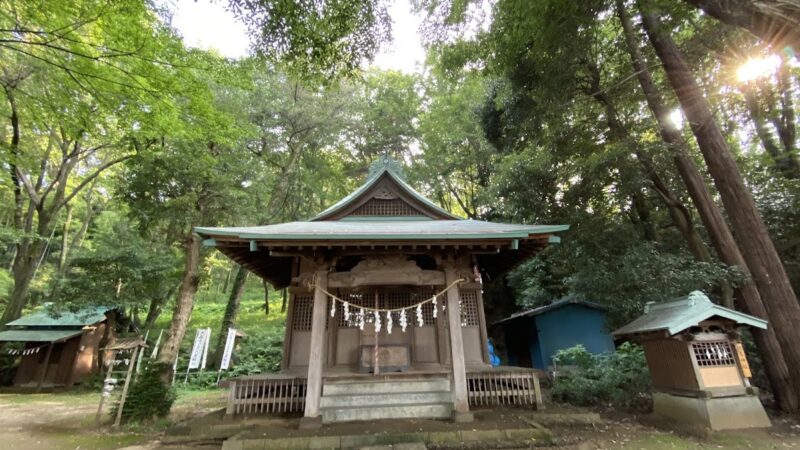
Located on a hill at the top of the stone steps, the shrine has a tranquil, wooden appearance. The worship hall has been renovated in recent years, maintaining a refreshing atmosphere. The main sanctuary sits behind the worship hall, preserving the traditional style of shrine architecture.
From the plaza in front of the shrine, you can overlook the cityscape of Inagi, suggesting that this area was once a waterfront of the Tama River.
Shrines within the Precincts
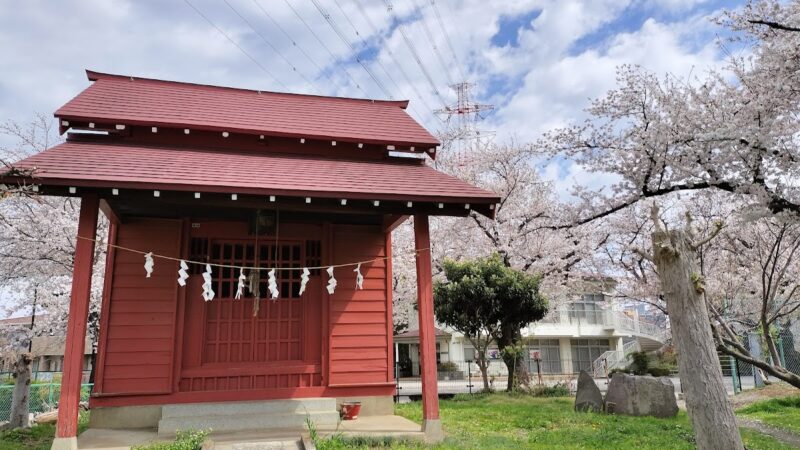
Within the grounds of Omatonozunotenjin Shrine, several smaller shrines are enshrined:
- Tsushima Shrine: Dedicated to Gozu Tenno (Susanoo-no-Mikoto), worshipped as the god of protection against epidemics.
- Hakusan Shrine: Dedicated to Hakusan Hime-no-Kami, offering blessings for matchmaking and family safety.
- Shinmei Shrine: Dedicated to Amaterasu Omikami.
- Inari Shrine: Dedicated to Ukanomitama-no-Kami, the god of business prosperity and abundant harvests.
- Akiba Shrine: Worshipped as the god of fire prevention.
These smaller shrines tell the story of Omatonozunotenjin Shrine’s history, which has embraced the diverse beliefs of the local people.
Sacred Trees and Nature
Several ancient trees, some hundreds of years old, stand within the shrine grounds, creating a solemn atmosphere befitting a sacred place. The sacred tree beside the main hall is particularly noteworthy, a witness to the long history of watching over this land.
The changing seasons are also one of the shrine’s charms; the cherry blossoms of spring, the fresh greenery of summer, the autumn leaves, and the tranquility of winter offer different expressions depending on the time of year you visit.
Goshuin (Shrine Seal) Information
About the Issuance of Goshuin
Goshuin are available at Omatonozunotenjin Shrine. Goshuin are proof of your visit and an important way to preserve your connection with the shrine.
Location of Issuance: Shrine Office (within the shrine grounds)
Hours of Issuance: Approximately 9:00 AM to 4:00 PM (approximate)
Donation Fee: Approximately 300-500 yen
*Please note that the chief priest may be absent, so it is recommended to check in advance if you wish to be sure to receive a goshuin.
Goshuin Design
The goshuin (temple/shrine stamp) of Omatonozuno Tenjin Shrine features the shrine’s name, “Omatonozuno Tenjin Shrine,” written in ink, along with the shrine’s official seal. It’s a simple yet powerful goshuin, reflecting the shrine’s status as a Shikinaisha (a shrine listed in the Engishiki, an ancient Japanese legal code).
Many visitors receive the goshuin as a memento of their visit and as part of their goshuincho (stamp book) collection.
Annual Events and Festivals
At Omatonozunotenjin Shrine, various festivals are held throughout the year:
- New Year’s Day Festival (January 1st): A festival to welcome the new year
- Setsubun Festival (February): A festival to ward off evil spirits by scattering beans
- Spring Grand Festival (Spring): A prayer for a bountiful harvest
- Summer Purification Ceremony (June 30th): A ceremony to purify oneself of the impurities accumulated over the past six months
- Autumn Grand Festival (Autumn): A festival to give thanks for the harvest
- Year-End Purification Ceremony (December 31st): A ceremony to purify oneself of the impurities accumulated over the past year
Especially during the Grand Festivals, local people gather, and portable shrine processions and offerings are sometimes held.
Basic Information about Omatonotsunotenjin Shrine
Location and Contact Information
Official Name: Omatonotsunotenjin Shrine
Location: 847 Oomaru, Inagi City, Tokyo 206-0801
Phone: 042-377-2246 (Shrine Office)
Former Shrine Rank: Gosha (Village Shrine)
Deity Enshrined: Kushimachi-no-Mikoto
Visiting Hours
The shrine grounds are generally open for free worship. However, the issuance of Goshuin (shrine stamps) and prayers at the shrine office have limited hours, so it is recommended to check in advance.
Visiting Hours: Open all day
Shrine Office Hours: Approximately 9:00 AM to 4:00 PM (Irregular)
Access Method
Access by Train
The JR Nambu Line is the most convenient way to reach Omatonotsunotenjin Shrine.
From Inagi-Naganuma Station
Approximately 20-25 minute walk from JR Nambu Line “Inagi-Naganuma Station”
- Exit the South Exit of Inagi-Naganuma Station
- Head towards Minami-Tama Station (southeast direction) on Kawasaki Kaido (Tokyo Metropolitan Road No. 9)
- Turn left before Hoshino Coffee Shop
- After passing through the residential area, you will see the shrine’s torii gate.
From Minami-Tama Station
Approximately 15-20 minute walk from JR Nambu Line “Minami-Tama Station”
- Exit Minami-Tama Station and head towards Kawasaki Kaido
- Head towards Inagi-Naganuma (northwest direction) on Kawasaki Kaido
- Enter the Daimaru area and turn right following the signs
- After proceeding through the residential area, you will arrive at the shrine’s torii gate.
Access by Bus
Kawasaki City buses and other services operate, but the number of services is limited, so it is recommended to check the timetable in advance.
Access by Car
Approximately 10 minutes from the Inagi Interchange on the Chuo Expressway
Access is via Kawasaki Kaido (Tokyo Metropolitan Road No. 9), but the area around the shrine is a residential area, so there are narrow sections of road.
Parking: There is some parking space on the shrine grounds (only a few cars).
*During busy periods such as festivals, parking may not be available, so we recommend using public transportation.
Notes on Access on Foot
The route from the station to the shrine passes through Kawasaki Kaido, a main road, and a residential area. Signposts are limited, so using a smartphone map app is convenient. Also, there are over 100 stone steps leading to the shrine grounds, so we recommend wearing comfortable shoes.
Nearby Attractions
Tourist Spots in Inagi City
When visiting Oasatonozunotenjin Shrine, we recommend also visiting other tourist spots in Inagi City.
Yomiuri Land: A famous amusement park and a popular spot for families.
Inagi Central Park: A vast park perfect for strolls and picnics.
Tama River Cycling Road: Enjoy nature on this cycling course along the Tama River.
Nearby Shrines and Temples
History buffs might want to visit the surrounding shrines and temples.
Anazawa Tenjin Shrine (Yanoguchi, Inagi City): One of the candidate shrines for the Shikinaisha (shrines listed in the Engishiki)
Aoi Shrine (Higashinaganuma, Inagi City): An ancient shrine of Musashi Province
Koshōji Temple (Inagi City): An ancient local temple
Manners and Precautions for Visiting Shrines
Basic Worship Etiquette
- Bow before the Torii Gate: A greeting before entering the sacred area
- Purify yourself at the water basin: Purify your left hand, right hand, and mouth in that order
- Walk along the edge of the path: The center is the path for the gods
- Bow twice, clap twice, and bow once in front of the main hall: Basic worship etiquette
Precautions when climbing the stone steps
The stone steps at Ōmatonozuno Tenjin Shrine are long and have uneven steps. Please note the following:
- Wear comfortable shoes when visiting the shrine.
- Be careful as the grounds can be slippery on rainy days.
- Use the handrails if you are elderly or have difficulty walking.
- Climb slowly at your own pace.
Regarding Photography
Photography is generally permitted on the shrine grounds, but please observe the following manners:
- Do not take photos in areas where photography is prohibited, such as inside the main hall.
- Be considerate of other visitors.
- Remember that this is a sacred place.
Value as a Shikinaisha Shrine
Importance of the Engishiki Jinmyocho (Register of Shrines in the Engi Era)
The Engishiki Jinmyocho is a set of detailed regulations for the implementation of the Ritsuryo legal system, compiled in the mid-Heian period. It lists major shrines throughout Japan. Shrines listed here are called “Shikinaisha,” and were prestigious shrines that received special treatment from the imperial court.
Musashi Province has 44 Shikinaisha listed, and Omatonozunotenjin Shrine is one of them. Currently, only a limited number of shrines, including those considered candidates for the Engishiki Jinmyocho (a list of shrines compiled in the Heian period), exist within Tokyo. Therefore, the Omatonozuno Tenjin Shrine is a valuable resource for understanding Tokyo’s ancient history.
Identification and the Debate on the Original Shrine
Many of the shrines listed in the Engishiki Jinmyocho are difficult to identify as existing shrines. While the current shrine in Oomaru, Inagi City, is considered the most likely location for the Omatonozuno Tenjin Shrine, some theories suggest other shrines are the candidates.
However, based on place names, enshrined deities, and local traditions, the current Omatonozuno Tenjin Shrine is considered highly probable to be the shrine listed in the Engishiki Jinmyocho.
Connection to the Community
Role as a Local Deity
The Omatonozuno Tenjin Shrine serves as the local deity of the Oomaru district in Inagi City, attracting the faith of local residents. Many locals visit to pray for milestones in life, such as a baby’s first shrine visit, Shichi-Go-San (a traditional rite of passage for children), and protection against misfortune, making it a spiritual center of the local community.
Participation in Local Events
Local community associations and parishioners cooperate in shrine events such as the annual festival, participating in activities like carrying the portable shrine and preparing for the festivities. Through these activities, the shrine serves as a place to deepen community bonds.
The Charm of Oasatonozunotenjin Shrine
A Tranquility Away from the Hustle and Bustle of the City
Despite being located in Tokyo, the shrine grounds, reached by climbing a long flight of stone steps, are enveloped in tranquility. It’s a precious space where you can forget the hustle and bustle of the city and offer prayers in peace.
Experiencing Over a Thousand Years of History
Oasatonozunotenjin Shrine, listed in the Engishiki Jinmyocho (a historical record of shrines), boasts a history of over a thousand years. Standing on the grounds, you can feel the history of faith that has continued since the Heian period.
The Beauty of Nature in Every Season
The rich natural beauty of the shrine grounds reveals different expressions in each of the four seasons. Cherry blossoms in spring, lush greenery in summer, vibrant autumn leaves, and the tranquility of winter. It’s a shrine where you can discover something new every time you visit.
Easy Access
Located approximately 30-40 minutes from central Tokyo via the JR Nambu Line, and about a 20-minute walk from the station, this shrine is relatively easy to access for a Shikinaisha (shrine listed in the Engishiki) within Tokyo. It’s the perfect distance for a weekend stroll or shrine visit.
Summary
The Omatonozunotenjin Shrine, located in Oomaru, Inagi City, Tokyo, is a prestigious Shikinaisha listed in the Engishiki Jinmyocho (a list of shrines compiled in the Heian period), boasting a history of over a thousand years. It enshrines Kushimachi-no-Mikoto and is believed to bestow blessings for academic success, technical improvement, and protection from misfortune and good fortune.
The shrine offers many attractions, including a mystical precinct that unfolds after climbing a long stone staircase, a sacred tree hundreds of years old, and several subsidiary shrines. Goshuin (shrine stamps) are also available, and many visitors receive them as a memento of their visit.
With relatively good access—about a 20-minute walk from Inagi-Naganuma Station or Minami-Tama Station on the JR Nambu Line—it’s an ideal spot for a weekend shrine visit or historical stroll. For those wishing to visit an Engishiki-era shrine within Tokyo, those seeking tranquility in a peaceful setting, or those collecting Goshuin (shrine stamps), this shrine is well worth visiting for a variety of purposes.
Why not visit Omatonozunotenjin Shrine and experience its history of faith dating back to the Heian period? You’re sure to find peace and tranquility amidst the quiet solitude of the city.