Tajima Inari Shrine (Tokyo) Complete Guide | History, Blessings, Access, and Visiting Information
What is Tajima Inari Shrine?
Tajima Inari Shrine is an Inari shrine located in Tokyo. There are said to be approximately 30,000 Inari shrines throughout Japan, widely worshipped for their blessings of business prosperity and abundant harvests. Tajima Inari Shrine is one such shrine, a historical shrine long cherished by the local community.
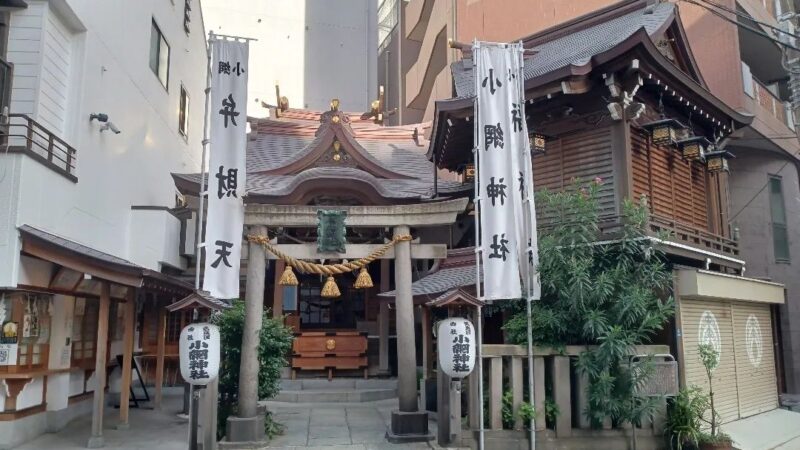
The vermilion torii gate and fox statues, characteristic of Inari shrines, welcome visitors, maintaining a tranquil atmosphere amidst the hustle and bustle of the city. Though small, it is a deeply rooted place of worship in the community, attracting many visitors daily.
History and Origins of Tajima Inari Shrine
Founding History
The founding of Tajima Inari Shrine is deeply intertwined with the history of the region. It is considered a shrine that has existed since the Edo period, attracting the faith of townspeople and merchants of that time. Inari worship flourished during the Edo period, particularly in Edo, the center of commerce.
The name of the shrine, “Tajima,” is thought to originate from the old provincial name “Tajima Province” in northern Hyogo Prefecture. It’s possible the shrine was established by people who migrated from Tajima Province to Edo, or by people with ties to the Tajima region.
Historical Changes
Even after the Meiji-era separation of Shinto and Buddhism and the turmoil of the post-war period, Tajima Inari Shrine has been maintained through the support of local residents. While the surrounding environment has changed dramatically with the development of Tokyo, the shrine continues to exist as a spiritual pillar of the community.
Currently, it’s an open shrine visited not only by long-time parishioners, but also by business people working nearby and tourists.
Deities and Benefits
Deities
The deity enshrined at Tajima Inari Shrine is Ukanomitama-no-kami. Ukanomitama-no-kami is a representative deity of Inari, and has been revered since ancient times as the god who presides over food and grains.
Originally an agricultural god, Inari has increasingly taken on the characteristics of a commercial god over time, and is now widely known as a god of business prosperity.
Main Benefits
Tajima Inari Shrine is said to offer the following benefits:
Business Prosperity This is a representative benefit of Inari shrines. Many business owners and self-employed individuals visit the shrine to pray for the development of their businesses and the success of their trade.
Abundant Harvest Due to its original nature as an agricultural god, one can pray for a bountiful harvest and abundant food.
Family Safety The shrine protects the health and peaceful lives of family members.
Good Fortune and Prosperity It is believed to bring good fortune and open up opportunities for good luck.
Industrial Development In modern times, people involved in various industries pray for success in their work.
Highlights of the Shrine Grounds
Torii Gate
A vermilion torii gate, a symbol of Inari shrines, welcomes visitors. The torii gate marks the entrance to the sacred area; passing through it signifies a transition from the secular world to the divine realm. The vermilion color of Inari shrine torii gates is considered a symbol of protection against evil and vitality.
Fox Statues
Statues of foxes, considered messengers of Inari, are enshrined within the grounds. Foxes are not Inari themselves, but are revered as messengers of the god. There are various theories as to why foxes are considered messengers of Inari, but one reason is their close relationship with agriculture.
Fox statues typically hold objects such as jewels, rice stalks, scrolls, or keys in their mouths, each with a different meaning.
Main Hall
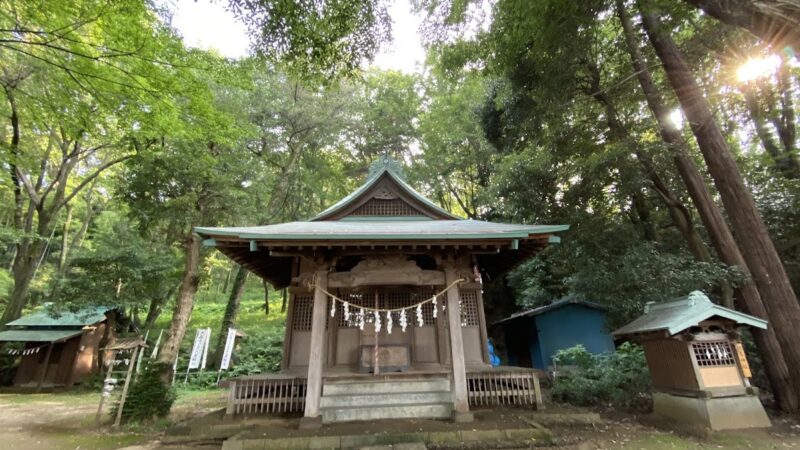
The main hall is the central building of the shrine, where the enshrined deity is worshipped. When praying, the proper etiquette is two bows, two claps, and one bow in front of the main hall.
Water Basin
There is a water basin for purifying your body and mind before worship. It is recommended to purify your hands and mouth using the correct etiquette before worshipping.
Worship Etiquette and Manners
Basic Worship Etiquette
- Passing Through the Torii Gate
Bow before passing through the torii gate. Since the center of the path is considered the path of the gods, it is polite to walk along the side.
- Purifying at the Water Basin
- Hold the ladle in your right hand and purify your left hand.
- Switch the ladle to your left hand and purify your right hand.
- Switch the ladle back to your right hand, receive water in your left hand, and rinse your mouth.
- Finally, purify the handle of the ladle.
- Worship at the Main Shrine
- Quietly place your offering in the offering box.
- Ring the bell if there is one.
- Bow using the two bows, two claps, and one bow ritual.
- Silently recite your wish.
- Departure
After exiting the torii gate, turn around and bow once.
Attire for Visiting
There are no specific dress code requirements, but clean attire that reflects the sacred nature of the place is desirable. Avoid extremely revealing clothing or overly casual attire.
Access Information
Location
Tajima Inari Shrine is located in Tokyo. For the specific address, it is recommended to check the latest information before visiting.
Access by Train
The shrine is accessible on foot from the nearest station. It’s also easily accessible from major stations in Tokyo, making it convenient to visit using public transportation.
Access by Car
While visiting by car is possible, parking may be limited due to its location in Tokyo. Please consider using nearby coin-operated parking lots.
Visiting Hours
Generally, shrines are open for worship from sunrise to sunset. However, the opening hours of the shrine office may be limited, so please check in advance if you wish to obtain a Goshuin (shrine stamp) or amulet.
Annual Events and Festivals
New Year’s Visit
The New Year’s visit to the shrine is bustling with many worshippers. It is an important event to pray for safety and prosperity throughout the year.
Hatsuumasai (First Horse Day Festival)
The Hatsuumasai is one of the most important festivals at Inari shrines. It is held on the first Horse Day of February, and is considered the day when Inari-sama descended. Many visitors come to pray for business prosperity.
Annual Grand Festival
The annual grand festival is the most vibrant time for the shrine, with portable shrines being carried and local people gathering.
Goshuin (Shrine Seals) and Amulets
Goshuin (Shrine Seals)
You may be able to receive a goshuin at Tajima Inari Shrine. A goshuin is proof of your visit and a tangible record of your connection with the shrine. Bring your goshuincho (seal book) and politely request one at the shrine office.
The offering fee (for a goshuin) is generally around 300 to 500 yen.
Amulets and Souvenirs
Inari shrines often offer the following amulets and souvenirs:
- Business Prosperity Amulet: An amulet for wishing for business development
- Good Fortune Amulet: An amulet for wishing for improved luck
- Family Safety Amulet: An amulet for protecting the safety of the family
- Lucky Coin: A lucky charm for increasing wealth
Nearby Tourist Attractions
There are many tourist attractions in Tokyo surrounding Tajima Inari Shrine. Enjoying a stroll around the area in conjunction with your shrine visit is highly recommended.
Other Shrines and Temples
Tokyo has numerous historical shrines and temples, making shrine hopping a popular activity.
Restaurants and Cafes
There are many restaurants and cafes nearby that you can visit after your shrine visit. Enjoying local specialty dishes is also a great part of traveling.
About Inari Worship
Origins of Inari Worship
Inari worship is one of Japan’s ancient Shinto beliefs, and its origins date back to the Nara period. Fushimi Inari Taisha in Kyoto is considered the head shrine of all Inari shrines nationwide.
The name “Inari” is said to originate from “Ina ga naru” (rice ripening), and originally, the worship was strongly associated with agriculture and grain.
Characteristics of Inari Shrines
Vermilion Torii Gates
This is the most distinctive feature of Inari shrines. As seen at Fushimi Inari Taisha, famous for its thousands of torii gates, numerous torii gates are sometimes donated.
Fox Messengers
White foxes are considered messengers of the Inari god, and fox statues are enshrined within the shrine grounds.
Character as a God of Commerce
Since the Edo period, with the development of commerce, the worship of Inari as a god of business prosperity has strengthened.
Precautions When Visiting
Photography
Photography is generally permitted within the shrine grounds, but photography should be refrained from inside the main hall or during religious ceremonies. Also, please be considerate of the privacy of other worshippers.
Maintaining Silence
Shrines are sacred places. Please refrain from loud conversations and noisy behavior, and offer your prayers quietly.
Pets
Some shrines may restrict pets. Please check in advance or follow the signs on the shrine grounds.
Waste Disposal
To keep the shrine grounds clean, please take your trash home or dispose of it in the designated area.
The Charm of Tajima Inari Shrine
An Oasis in the City
Despite being located in the heart of Tokyo, stepping onto the shrine grounds reveals a quiet and peaceful space. It is a precious place to escape from the hustle and bustle of everyday life and find peace of mind.
A Faith Rooted in the Community
Unlike large-scale tourist shrines, it has a history of being supported by the faith of the local people. Therefore, you can experience interaction with local people and feel the traditional form of faith.
Easy Access
Located in Tokyo, it is easily accessible by public transportation. The ability to visit whenever you feel like it is one of its charms.
Best Season for Visiting
Spring (March-May)
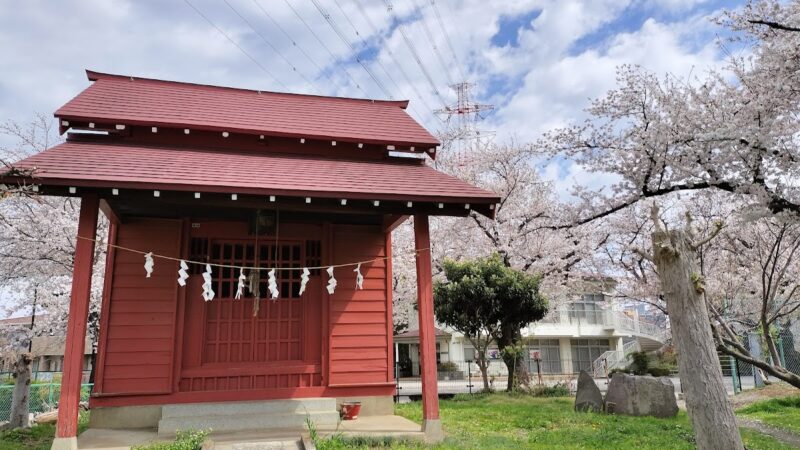
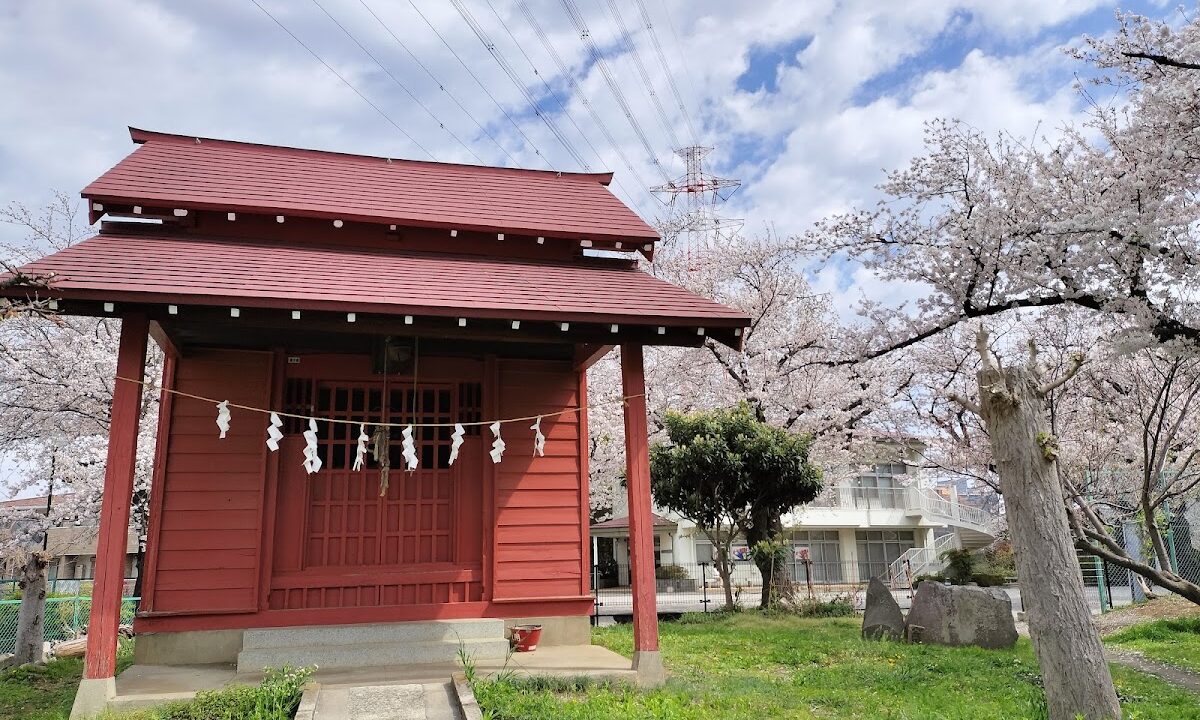
During cherry blossom season, the shrine grounds and surrounding areas are in full bloom. The mild weather makes it a pleasant time to visit.
Hatsuumai (February)
This is the time when the most important Hatsuumai Festival for Inari shrines takes place. Visiting during this period is recommended for those who want to experience the essence of Inari worship.
Autumn (September-November)
The weather is pleasant, and the autumn leaves are beautiful. Many annual festivals are held during this time, allowing visitors to enjoy the lively atmosphere of the shrine.
Year-End and New Year
The shrine is bustling with many visitors during the New Year’s visit period. This is the perfect time to visit and offer prayers for the new year.
Summary
Tajima Inari Shrine is a historic Inari shrine located in Tokyo. Known for its blessings of business prosperity and good fortune, it has long been cherished by the local community.
Located in the heart of the city, yet possessing a tranquil and peaceful atmosphere, this is a precious place where one can find peace of mind during worship. It’s easily accessible, making it a convenient place to visit.
The vermilion torii gates, fox statues, and the devotion to Ukanomitama-no-kami, characteristic of Inari shrines, offer a wonderful opportunity to experience traditional Japanese Shinto culture.
Whether you’re praying for business prosperity, seeking good fortune, or simply looking for a peaceful retreat, this shrine is worth visiting for a variety of reasons. When visiting Tokyo, be sure to consider a visit to Tajima Inari Shrine.
By observing proper worship etiquette and visiting with respect, you will gain a deeper spiritual experience. Tajima Inari Shrine continues to welcome many people as a place to connect with the traditional Japanese culture of shrines and find inner peace and renewed vitality.