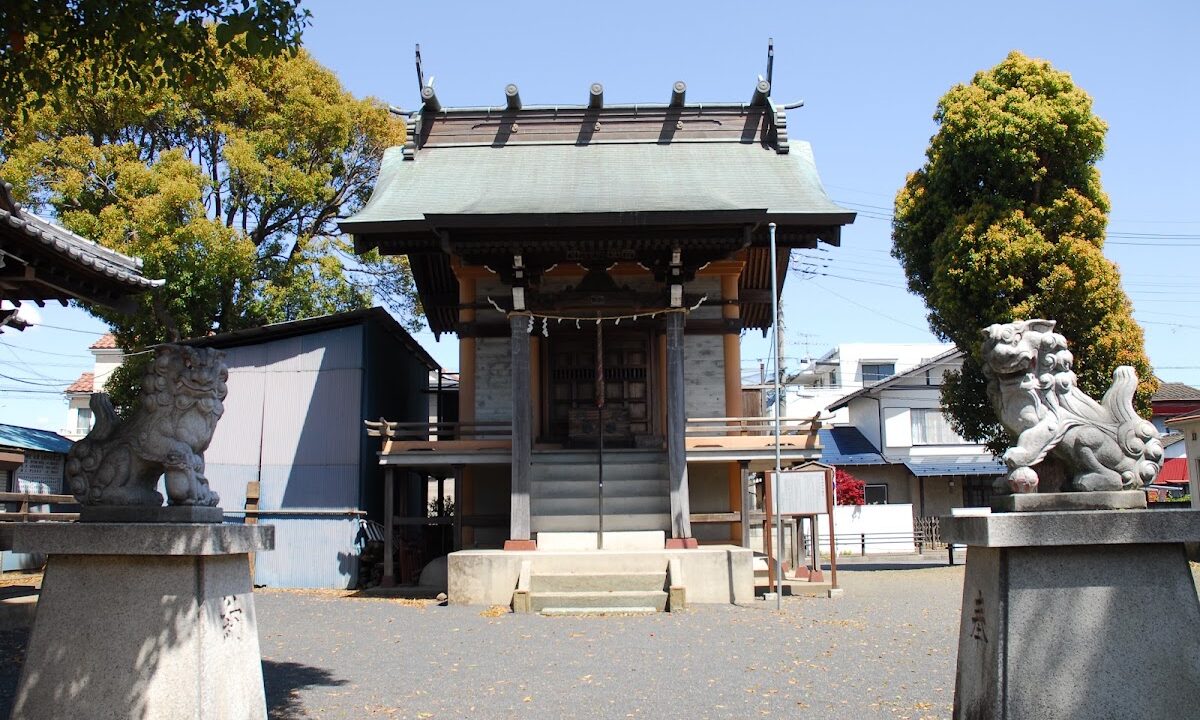
Shimamori Shrine (Inagi City, Tokyo) | Detailed Guide to its History, Access, and Annual Festival
Shimamori Shrine, located in Oshitate, Inagi City, Tokyo, is a historic shrine nestled in a quiet residential area along the Tama River. While the exact founding date is unknown, it has been revered by the local community as a Shinto shrine since the late Edo period. This article provides a detailed overview of Shimamori Shrine’s history, enshrined deities, annual events, and access information.
Basic Information on Shimamori Shrine
Location: 678 Oshitate, Inagi City, Tokyo 206-0811
Corporate Number: 9013405000258
Nearest Station: Inagi-Naganuma Station, JR Nambu Line
Parking: Limited space available on the shrine grounds
Shrine Office: No permanent staff (available only during the annual festival)
Shimamori Shrine is cherished by local residents as the guardian deity of the Oshitate district of Inagi City. Although the shrine grounds are small, they are meticulously clean, maintaining a peaceful environment for worship.
The History and Origins of Shimamori Shrine
Background of its Founding and its Relationship to the Tama River
The exact founding date of Shimamori Shrine is unknown due to limited historical records. However, based on local traditions and geographical conditions, it is believed to have been founded to pray for protection against floods from the Tama River. The Oshitate district of Inagi City is close to the Tama River and has a history of suffering from frequent floods.
The shrine’s name, “Shimamori,” also derives from the fact that the sandbars and riverbeds of the Tama River were called “islands,” suggesting that it was enshrined as a deity protecting these islands. Documents from the late Edo period record it as “Shinmei-gu,” indicating that Amaterasu Omikami was revered as the principal deity.
Relocation in the Meiji Era
In 1882 (Meiji 15), Shimamori Shrine was relocated to its current location at 678 Oshitate, Inagi City. It is presumed that this relocation was related to flood control projects and changes in land use. Even after the relocation, the shrine has been deeply revered by the residents of the Oshitate and Mukaijima districts as the guardian deity of the area.
The Unique History of the Oshitate District
The Oshitate district of Inagi City, where Shimamori Shrine is located, has an interesting administrative history. Until 1949, this area was registered as an exclave of Oshitate, Tama Village, Kitatama District. In other words, geographically located in Inagi, it administratively belonged to the Fuchu City area (former Tama Village).
This complex boundary history can be glimpsed from the stone monuments remaining within and around the Shimamori Shrine grounds. In the Oshitate district, which has a history spanning two regions, Fuchu and Inagi, Shimamori Shrine has played an important role in maintaining the region’s identity.
Deities and Divine Virtues
Main Deity
The main deity of Shimamori Shrine is Amaterasu Omikami. Amaterasu Omikami is the supreme deity in Japanese mythology and the sun goddess revered as the ancestral deity of the Imperial family. The fact that it was formerly called “Shinmei-gu” confirms that it is a shrine dedicated to Amaterasu Omikami.
Divine Virtues
Shimamori Shrine, which enshrines Amaterasu Omikami, is believed to offer the following divine virtues:
- Family Safety: Health and peaceful living for the family
- Abundant Harvest: Abundant crops
- Protection from Flooding: Protection from floods of the Tama River
- Good Fortune and Prosperity: Improvement of luck and the arrival of happiness
- Protection from Misfortune: Protection from disasters
Especially because it is located along the Tama River, the belief in it as a god of protection from flooding and flood control remains strong in the region.
Annual Events and Grand Festival
Grand Festival (July)
The most important annual event at Shimamori Shrine is the Grand Festival held every July. The annual festival is a grand celebration in which all parishioners of the region participate, and is conducted as follows:
- Shinto Ritual: Recitation of prayers and offering of sacred branches by Shinto priests
- Portable Shrine Procession: The portable shrine is paraded through the region (scale varies from year to year)
- Dedicatory Performances: Performances by local residents and children’s events
- Post-Festival Gathering: A meal shared by participants
During the annual festival, the normally unmanned shrine office is opened, providing a valuable opportunity for people from the region to gather. In recent years, the scale of the festival has tended to shrink due to the aging of the parishioners, but efforts to preserve the region’s traditions continue.
Other Annual Events
- New Year’s Day Festival (January 1st): A Shinto ritual celebrating the New Year.
- Setsubun Festival (around February 3rd): A ritual to ward off evil spirits through bean-throwing.
- Autumn Festival (October): A festival to express gratitude for the harvest.
These events, though small in scale, are continued by local volunteers.
About Goshuin (Shrine Seals)
At Shimamori Shrine, Goshuin may be given on special days such as the annual festival. However, since there is no resident priest, Goshuin are not given on regular visiting days.
Those wishing to receive a Goshuin are advised to check the dates of the annual festival in advance and visit during that period. The Goshuin features a simple yet tasteful design with the calligraphy of “Shimamori Shrine” and the shrine’s seal.
The offering fee is approximately 300 to 500 yen, similar to other shrines.
Highlights of the Shrine Grounds
Shrine Building
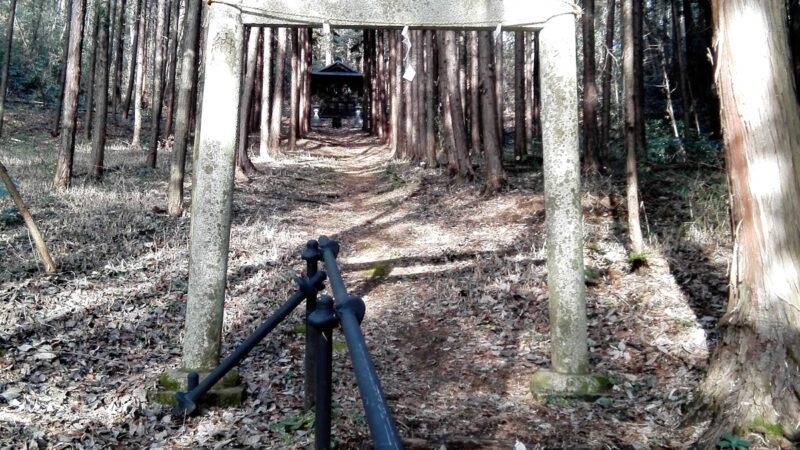
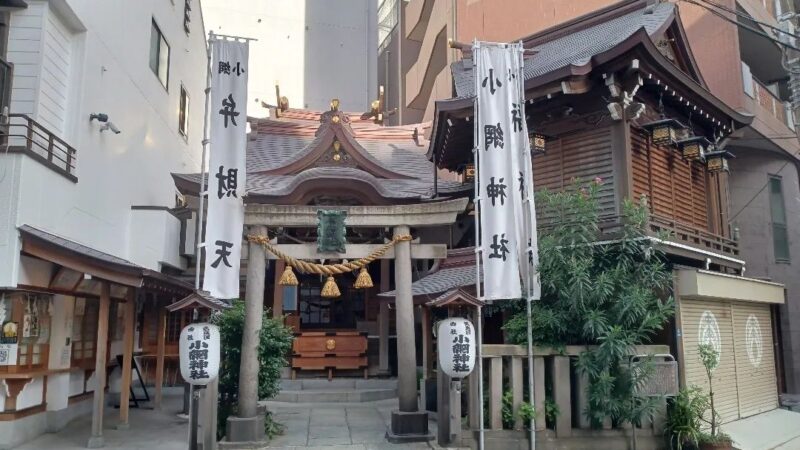
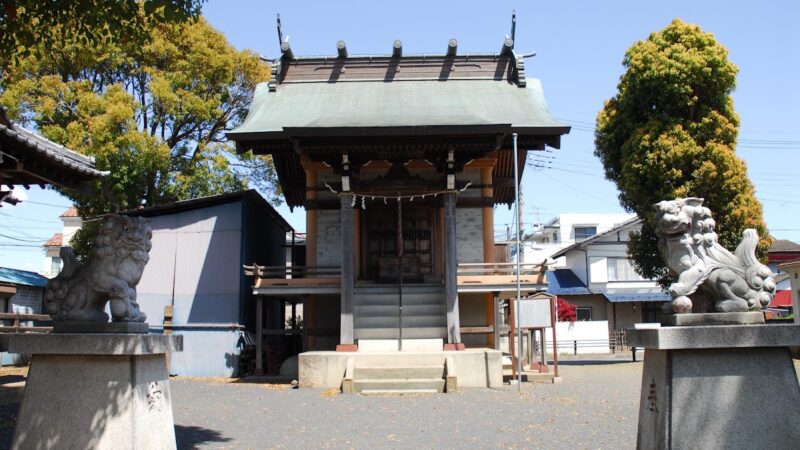
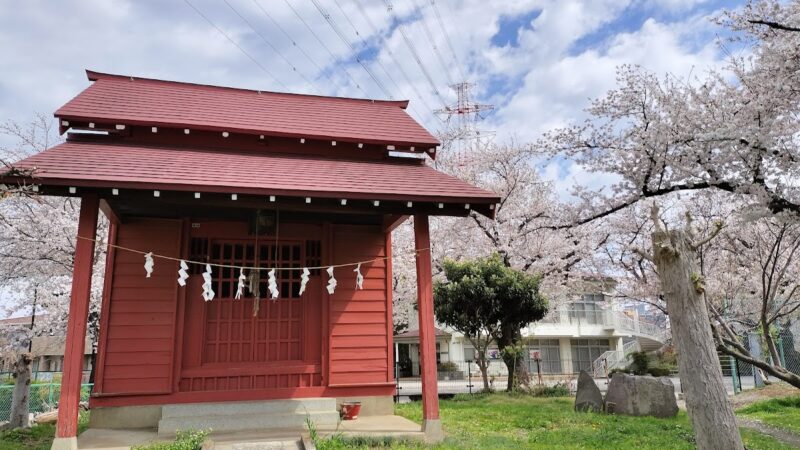
The shrine building of Shimamori Shrine is a simple wooden structure, but it is carefully maintained. A donation box is placed in front of the worship hall, allowing for worship at any time. Although the shrine building is small, it is clear that it is cherished as a center of local faith.
Stone Monuments and Memorials
Several stone monuments and memorials are erected on the shrine grounds. Some of these depict the complex administrative history of the Oshitate district and the history of the border between Fuchu and Inagi, making them valuable resources for those interested in local history.
Sacred Trees and Natural Environment
Several ancient trees stand on the shrine grounds, providing a valuable green space in the increasingly urbanized city of Inagi. Due to its location near the Tama River, the river breeze is pleasant, maintaining a peaceful environment for worship.
Access Methods
Access by Train
Walking distance from Inagi-Naganuma Station on the JR Nambu Line
The nearest station to Shimamori Shrine is Inagi-Naganuma Station on the JR Nambu Line. It’s approximately a 15-20 minute walk from the station to the shrine.
Directions from Inagi-Naganuma Station:
- Exit the ticket gate at Inagi-Naganuma Station and head towards the South Exit.
- Proceed south along the road in front of the station.
- Head towards the Tamagawa River and go through the residential area.
- Enter the Oshitate area and follow the signs to arrive at Shimamori Shrine.
Other Nearest Stations:
- Yanokuchi Station on the Keio Sagamihara Line: Approximately 20 minutes on foot
- Keio Yomiuri Land Station: Approximately 25 minutes on foot (somewhat far)
Access by Bus
While it’s possible to take a bus from Inagi-Naganuma Station or Yanokuchi Station, the number of buses is limited, so walking is the more common option. ### Access by Car
Route from Major Roads:
- Approximately 10 minutes from Inagi IC on the Chuo Expressway
- Use the road along the Tama River from the Fuchu area
Parking: There are a few parking spaces on the shrine grounds, but during busy times such as the annual festival, we recommend using nearby coin-operated parking lots.
Car Navigation Settings:
- Address: 678 Oshitate, Inagi City, Tokyo
- Map Code: 2 826 535*83
- Latitude/Longitude: 35.64980362, 139.51210961
Nearby Spots and Tourist Information
Tama River Riverbed
The Tama River riverbed is a few minutes’ walk from Shimamori Shrine, where you can enjoy walking and cycling. It’s a spot where you can enjoy nature throughout the seasons: cherry blossoms in spring, fresh greenery in summer, and autumn leaves in fall.
Yomiuri Land
Approximately 10 minutes by car, or 20 minutes by train and bus, is the amusement park “Yomiuri Land.” It’s recommended to visit it in conjunction with your family’s visit to the shrine.
Other Shrines and Temples in Inagi City
Inagi City also has the following shrines and temples:
- Anazawa Tenjin Shrine: A representative ancient shrine of Inagi City
- Myokaku-ji Temple: A historical temple in Inagi City
- Iko-ji Temple: A temple located in Yanoguchi, Inagi City
Those who enjoy visiting shrines may want to visit these shrines and temples as well.
Restaurants around Inagi-Naganuma Station
For meals after your visit, there are several restaurants around Inagi-Naganuma Station. There are various options, including local diners, cafes, and family restaurants.
Manners and Points for Visiting a Shrine
Basic Worship Etiquette
- Bow before passing through the torii gate: Show respect for entering the sacred area.
- Walk along the edge of the path: The center is considered the path of the gods.
- Purify yourself at the water basin: Purify your hands and mouth before praying (can be omitted if there is no water basin).
- Two bows, two claps, one bow: This is the basic etiquette in front of the main hall.
Points to Note When Visiting Shimamori Shrine
- There are no resident priests: The shrine office is usually closed.
- Quiet residential area: The surrounding area is residential, so please be considerate of noise.
- Clean the shrine grounds: Always take your trash with you.
- Photography: Photography of the shrine building is permitted, but please be considerate of the neighboring residents.
Recommended Visiting Hours
Shimamori Shrine is open 24 hours a day, but the following times are recommended:
- Early Morning (6:00-8:00): You can visit the shrine in a quiet and refreshing atmosphere.
- Morning (9:00-12:00): You can visit the shrine in bright and safe conditions.
- Evening (16:00-17:00): A pleasant time with a breeze from the Tama River.
Nighttime visits require caution as lighting is limited.
History and Culture of Oshitate District, Inagi City
Origin of the Place Name Oshitate
There are several theories about the origin of the place name “Oshitate,” but the most likely theory is that it refers to land formed by the erosion of the Tama River. The fertile land created by the flooding and sedimentation of the Tama River has supported agriculture in this region.
As a Border Area Between Fuchu and Inagi
As mentioned above, the Oshitate district was an exclave of Fuchu City (former Tama Village) until 1949. This unique administrative division is a direct continuation of the village boundaries from the Edo period. Although now integrated into Inagi City, the influence of both cities remains strongly present in the region’s identity.
The Transformation of Agriculture and Urbanization
Ositate district was once an agricultural area blessed by the Tama River, but after the period of rapid economic growth, urbanization progressed rapidly. However, some farmland still remains, creating a unique landscape where suburban residential areas and rural scenery coexist.
The Significance of Visiting Shimamori Shrine
Unlike large-scale tourist shrines, Shimamori Shrine is a simple, community-based shrine. However, this is precisely why it holds the following value:
A Window for Learning Local History
Through this small shrine, you can learn a great deal about local history, including the complex administrative history of the Oshitate district, its connection to the Tama River, and its history as a border area between Fuchu and Inagi.
The Continuation of Faith Amidst Urbanization
Even amidst increasing urbanization, you can see forms of faith that have been carefully preserved by the local residents. Participating in events such as the annual festival will give you a real feel for the nature of modern local communities.
A Quiet Space for Prayer
Unlike famous shrines bustling with tourists, this shrine offers a space for quiet self-reflection. The environment, where you can slowly pray while feeling the nature of the Tama River, provides a precious time away from the hustle and bustle of the city.
Summary: Planning a Visit to Shimamori Shrine
Shimamori Shrine, located in Oshitate, Inagi City, Tokyo, is a historic shrine nestled in a quiet residential area along the Tama River. While the exact founding date is unknown, it was worshipped in the area as Shinmei-gu during the late Edo period and was moved to its current location in 1882 (Meiji 15).
It enshrines Amaterasu Omikami as its main deity and is particularly believed to offer protection against water-related disasters and ensure family safety. The annual festival is held every July, a significant event where local people gather. Goshuin (shrine stamps) may be given out on special days such as the annual festival.
Access is approximately 15-20 minutes on foot from Inagi-Naganuma Station on the JR Nambu Line, or about 10 minutes by car from the Inagi Interchange on the Chuo Expressway. Nearby attractions include the Tama River riverbed and Yomiuri Land, which can be visited in conjunction with your trip.
While not a large-scale tourist shrine, Shimamori Shrine, steeped in local history and faith, is recommended for those seeking quiet prayer, those interested in local history, and those who wish to visit while experiencing the natural beauty of the Tama River. When visiting Inagi City, be sure to stop by.