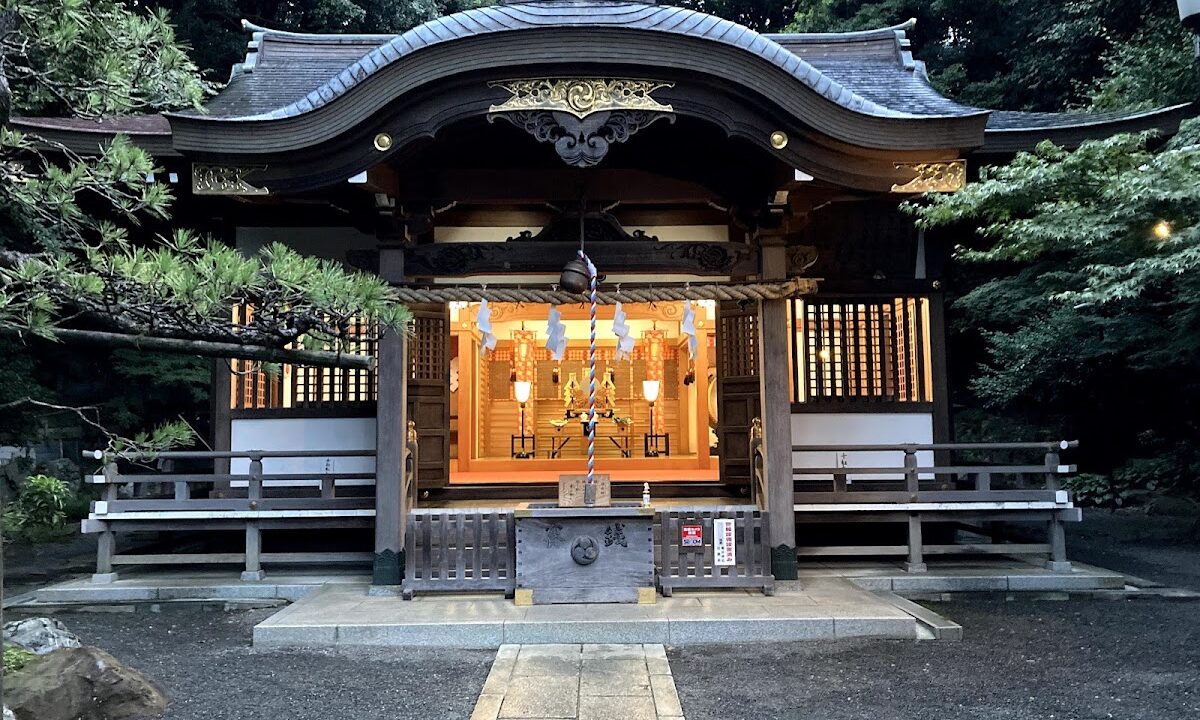
Complete Guide to Nukui Shrine (Koganei City, Tokyo) | A Power Spot of White Snake Legend and Spring Water
Nukui Shrine, located in Nukui Minami-cho, Koganei City, Tokyo, is a historic shrine situated at the foot of the Musashino Terrace. Known as a water deity with spring water as its sacred object, and with a legend of a white snake associated with it, it has garnered particular attention as a power spot in 2025, the Year of the Snake, and was even featured on the TV program “Honma Dekka TV.” This article comprehensively introduces all the information necessary for visiting Nukui Shrine, including its history, enshrined deities, goshuin (shrine stamp) information, and access methods.
History and Origins of Nukui Shrine
From Founding to the Present
Nukui Shrine is said to have been founded in 1590 (Tensho 18). Initially called “Nukui Benzaiten,” it was established as a shrine dedicated to the water deity, with the spring water gushing from a scenic spot at the foot of the Musashino Terrace as its sacred object. The place name Nukui means “a well from which water pierces and springs forth,” indicating that this area has long been blessed with abundant spring water.
Throughout the Edo period, Nukui Benzaiten was revered by the local residents as the tutelary deity of the Nukui village. During the era of syncretism of Shinto and Buddhism, Benzaiten was worshipped as both a water deity and a goddess of performing arts, becoming a sacred site visited by many worshippers.
Separation of Shinto and Buddhism and Name Change in the Meiji Era
Following the Shinto-Buddhist Separation Order in the early Meiji era, Nukui Benzaiten was renamed “Itsukushima Shrine.” This was because Benzaiten was a Buddhist deity, and the shrine was reorganized to enshrine Ichikishimahime-no-Mikoto, a Shinto deity, as the principal deity. Later, as regional shrine consolidation progressed, surrounding shrines were merged, resulting in the current name “Nukui Shrine.”
Despite these historical changes, its character as a water deity with spring water as its sacred object has remained unchanged and has been passed down to the present day.
A Sacred Site from the Jomon Period
The grounds of Nukui Shrine have been confirmed to contain Jomon period ruins, indicating that this area was a place of human habitation since the Jomon period. The abundance of spring water suggests that people gathered here in ancient times, fostering a belief in the sacredness of water. This long history is one of the factors that makes Nukui Shrine a special power spot.
Deities and Sacred Object
Main Deity: Ichikishima-hime no Mikoto
The main deity of Nukui Shrine is Ichikishima-hime no Mikoto. Ichikishima-hime no Mikoto is one of the three Munakata goddesses and is known as the goddess of the sea and water. Furthermore, due to her syncretism with Benzaiten in Buddhism, she is also worshipped as the goddess of performing arts, wealth, and wisdom. Often depicted as a beautiful goddess, she has attracted the faith of people since ancient times.
Enshrined Deity: Ōnamuchi-no-Mikoto
Ōnamuchi-no-Mikoto is another name for Ōkuninushi-no-Mikoto and is known as the god of nation-building. He is believed to bestow a wide range of divine blessings, including matchmaking, business prosperity, and healing from illness, and together with Ichikishimahime-no-Mikoto, he is a deity who grants the wishes of worshippers.
Special Sacred Object: Spring Water
The most distinctive feature of Nukui Shrine is that the spring water itself is considered the sacred object. The pure water gushing from the foot of the Musashino Terrace has been revered as a source of life and considered sacred since ancient times. Even today, spring water flows within the shrine grounds, and its soothing sound soothes the hearts of worshippers.
This spring water was once used not only as a source of water for daily life in the region but also played an important role as agricultural water. The faith in gratitude for the blessings of water and the worship of the water god conveys the origins of Japanese nature worship to this day.
The White Snake Legend and Power Spots in 2025
The White Snake Legend of Nukui Shrine
Nukui Shrine has a long-standing legend of a white snake. White snakes are considered messengers of Benzaiten (the goddess of fortune) and have been worshipped as auspicious signs bringing wealth and good fortune. There is a legend that a white snake appeared around the shrine’s spring, and it is believed that those who see it will be blessed with good luck.
In Japanese folk beliefs, white snakes are often associated with water gods and dragon gods, and are especially believed to appear in places with abundant water. The environment of Nukui Shrine’s spring is truly a fitting place for the white snake legend to originate.
The Special Significance of the Year of the Snake in 2025
2025 is the Year of the Snake in the Chinese zodiac. Since snakes, like white snakes, are considered messengers of Benzaiten, visiting a shrine dedicated to Benzaiten in the Year of the Snake is considered particularly auspicious. For this reason, Nukui Shrine was featured on the TV program “Honma Dekka TV” as a “power spot that will improve your luck in 2025,” attracting significant attention.
Visiting the shrine in the Year of the Snake is said to bring particularly strong blessings for increased wealth, business prosperity, and improvement in artistic skills, and a large number of visitors are expected.
The Appeal of a Power Spot
The reason Nukui Shrine is attracting attention as a power spot is not just the legend of the white snake. It is a combination of factors, including the energy of the spring water considered sacred, its history as a sacred site since the Jomon period, and the geographical features of the Musashino Terrace.
Upon entering the shrine grounds, a tranquil atmosphere prevails despite its urban location, and the sound of the spring water soothes the soul. This environment, in harmony with nature, brings healing and energy to visitors.
Goshuin (Shrine Seal) and Goshuincho (Shrine Seal Book) Information
Goshuin of Nukui Shrine
You can receive a Goshuin at Nukui Shrine. The Goshuin (temple/shrine stamp) at Nukui Shrine features the shrine’s name in calligraphy and the shrine’s seal, and is a popular memento of a visit. It serves as proof of worship and a symbol of a connection with the deity.
When requesting a Goshuin, please complete your prayers first before inquiring at the shrine office. While bringing your own Goshuincho (stamp book) is ideal, pre-printed Goshuin may also be available. The offering fee is generally around 300-500 yen, but it’s recommended to confirm beforehand.
About Goshuincho
It’s recommended to check before your visit whether Nukui Shrine has its own original Goshuincho. If they do, the design reflects the shrine’s characteristics and is a popular souvenir.
For those just starting to collect Goshuin, it’s best to bring a standard Goshuincho or obtain one from Nukui Shrine.
Manners for Receiving a Goshuin (Shrine/Temple Stamp)
A Goshuin is not merely a stamp rally; it is proof of a connection with the gods. Please observe the following manners when receiving your Goshuin.
- Complete your prayers before receiving your Goshuin.
- Open your Goshuin book and prepare the next page.
- Prepare small change for the offering.
- Check the reception hours of the shrine office (generally around 9:00 AM to 5:00 PM).
- Allow ample time, anticipating a wait during busy periods.
Highlights of the Shrine Grounds
Spring Water and Water Source
The greatest highlight of Nukui Shrine is the spring water, which is also the sacred object of worship. Within the shrine grounds, there is a water source where spring water flows, allowing you to see the pure water flowing up close. This water, which springs from the foot of the Musashino Terrace, has supported the lives of local people since ancient times.
It is a precious place where you can listen to the sound of the water and feel its energy. One of the greatest attractions of Nukui Shrine is the opportunity to feel the blessings of nature so close at hand, despite its urban location.
Main Hall and Worship Hall
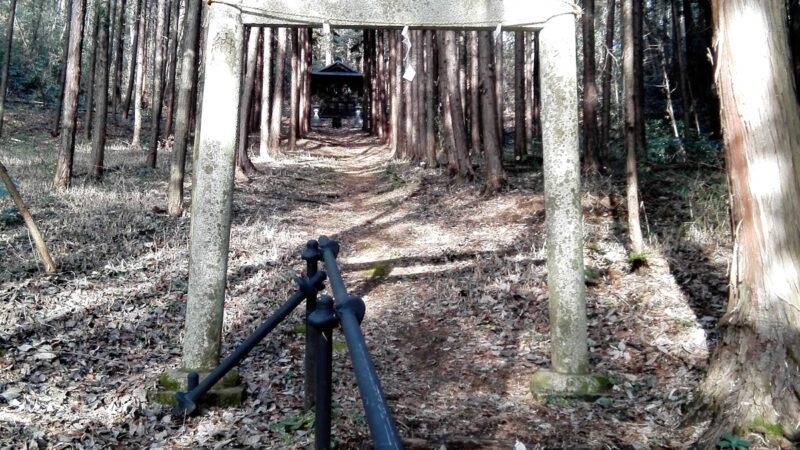
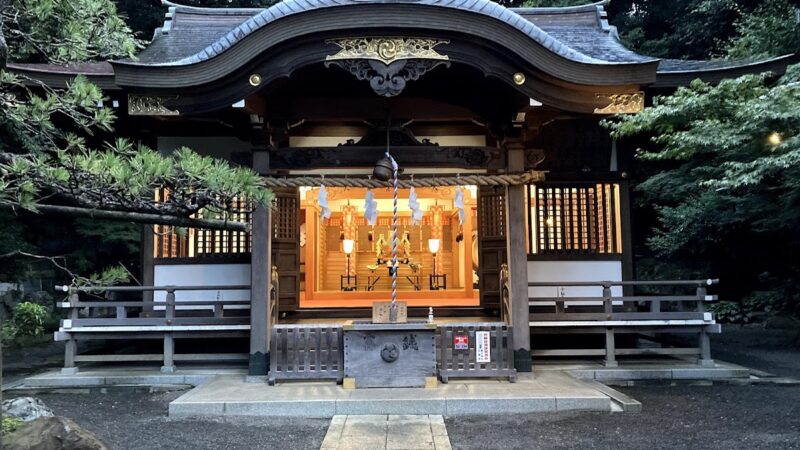
The main hall and worship hall of Nukui Shrine are built in the traditional style of shrine architecture. While not large in scale, they are meticulously maintained, reflecting the deep faith of the local people.
When visiting, please pray respectfully using the two bows, two claps, and one bow ritual. By praying wholeheartedly in the tranquil grounds, you can deepen your connection with the deities.
Subsidiary Shrines
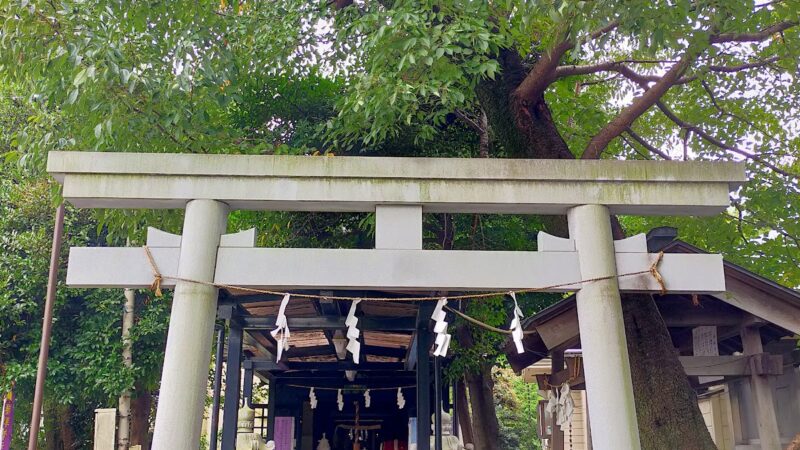
Several subsidiary shrines are enshrined within the grounds of Nukui Shrine. These include shrines that were merged with others in the history of the region, and deities with specific divine virtues. Visiting these subsidiary shrines in addition to the main hall will make your visit more fulfilling.
Traces of Jomon Period Sites
The presence of Jomon period ruins within the shrine grounds is known, indicating that this area was a place of human habitation since ancient times. While you can’t visit the ruins themselves, you’ll experience a deeper sense of awe by visiting and feeling the history of this sacred site dating back to the Jomon period.
Complete Access Guide
Basic Information
Location: 3-8-6 Nukui Minami-cho, Koganei City, Tokyo (Some sources list it as 3-8-7)
The most common way to access Nukui Shrine is by train and bus. There are several nearest stations, each with a different access route.
Access by Train
From JR Chuo Line “Musashi-Koganei Station”
The most common access method is via the JR Chuo Line “Musashi-Koganei Station”.
- On foot: Approximately 1.6 km from the South Exit, about 20 minutes on foot.
- By bus: Take the Keio Bus “Route 武51” from the South Exit bus rotary and get off at the “Tokyo Keizai University” bus stop, then walk for about 3 minutes.
Musashi-Koganei Station is easily accessible from Shinjuku Station in about 30 minutes by the Chuo Line Rapid, making it convenient for visitors from central Tokyo.
From JR Chuo Line/Seibu Kokubunji Line “Kokubunji Station”
Access is also possible from Kokubunji Station.
- On foot: Approximately 2 km, about 25-30 minutes on foot.
- By bus: Take a bus from the South Exit and get off at the “Tokyo Keizai University” bus stop.
Kokubunji Station is also a transfer station for the Seibu Kokubunji Line, making it convenient for access from along the Seibu Line.
Bus Access Details
Major Bus Stop: “Tokyo Keizai University Mae”
From this bus stop, Nukui Shrine is only about a 3-minute walk away, making bus travel the most efficient way to access the shrine. Keio Bus’s “Bus Route 51” operates on this route, connecting Musashi-Koganei Station and Kokubunji Station.
It is recommended to check the Keio Bus official website in advance for bus schedules and frequency. Please note that the number of buses may be reduced, especially on weekends and holidays.
Access by Car and Parking
It is recommended to check in advance whether Nukui Shrine has parking for visitors. Generally, smaller shrines often have limited parking space, and especially in 2025 (the Year of the Snake), an increase in visitors is expected, so using public transportation is recommended.
If visiting by car, consider using nearby coin-operated parking lots. However, since the shrine is located in a residential area, consideration should be given to avoiding disturbing nearby residents.
Access Tips and Tricks
- Weekday mornings are recommended: Weekday mornings are best for avoiding crowds.
- Bus is convenient: It takes more than 20 minutes to walk from the station, so taking the bus is more efficient.
- Allow plenty of time: If it’s your first visit, plan with plenty of time to spare, considering the possibility of getting lost.
- Use a smartphone map app: Check the route from your current location to the shrine using Google Maps or similar.
Best Season and Time for Visiting
2025, the Year of the Snake, is a Special Year
As mentioned above, 2025 is the Year of the Snake, making it a special year for Nukui Shrine, which has a legend of a white snake. Many visitors are expected throughout the year, but the following periods are expected to be particularly crowded.
New Year’s Visit (January 1st-3rd)
The New Year’s visit is the busiest time. Because 2025 is the Year of the Snake, even more visitors than usual are expected. If you want to avoid crowds, one option is to visit after mid-January, avoiding the first three days of the new year.
Days of the Snake (Several times a year)
Days of the Snake are special days for shrines dedicated to Benzaiten, and are believed to bring good fortune in finances. A particularly large number of visitors are expected on the Days of the Snake in 2025. Days of the Snake occur in a 60-day cycle, approximately six times a year.
Season of Fresh Greenery (April-May)
The season of fresh greenery in spring is ideal for visiting the shrine, as the natural beauty of the grounds is stunning. The weather is mild, allowing you to fully appreciate the refreshing coolness of the spring water.
Autumn Foliage Season (November)
The autumn foliage season also enhances the atmosphere of the shrine grounds. It’s a season for peaceful worship in cooler weather.
Weekday Visits Recommended
For those who want to avoid crowds and worship at a leisurely pace, weekday mornings are recommended. Tuesdays through Thursdays, in particular, are often relatively quiet, allowing you to quietly connect with the deities. ## Nearby Tourist Attractions
Koganei Park
Located approximately 2km from Nukui Shrine, Koganei Park is one of the largest metropolitan parks in Tokyo. Known for its cherry blossoms, it attracts many visitors in spring. With its vast lawn area, cycling paths, and barbecue facilities, it’s a great place for families to enjoy.
Edo-Tokyo Open Air Architectural Museum
Located within Koganei Park, the Edo-Tokyo Open Air Architectural Museum is an open-air museum featuring relocated and restored historical buildings from the Edo period to the early Showa period. Visitors can learn about Tokyo’s history while viewing these valuable architectural artifacts. It’s a recommended spot to visit in conjunction with a visit to Nukui Shrine.
Tokyo Keizai University
Tokyo Keizai University, whose name is also used for the nearest bus stop to Nukui Shrine, is known for its lush green campus. Areas are open to the public, allowing visitors to enjoy a stroll.
Walking Trails to Enjoy Musashino’s Nature
The area around Nukui Shrine is a naturally rich area that retains the atmosphere of Musashino. There are walking trails that follow the springs, making it ideal for a walk while enjoying nature.
Notes and Manners for Visiting a Shrine
Basic Manners for Visiting a Shrine
There are basic manners to observe when visiting a shrine. Please keep the following points in mind for a pleasant visit.
- Bow before passing through the torii gate: As a sign of respect before entering the sacred area, bow before the torii gate.
- Avoid the center of the path: The center of the path is considered the path of the gods, so walk along the side.
- Purify at the water basin: Purify your hands and mouth before praying.
- Two bows, two claps, one bow: Pray in the correct manner in front of the main hall.
- Refrain from talking: Be quiet and reverent while on the shrine grounds.
Regarding Photography
Photography is generally permitted on the shrine grounds, but please note the following points.
- Photography inside the main shrine is often prohibited.
- Be considerate and avoid including other worshippers in your photos.
- Refrain from using flash photography.
- Remember that this is a sacred place and take photos with moderation.
Regarding Clothing
There are no specific dress code requirements, but shrines are sacred places. Avoid revealing or overly flashy clothing, and dress in clean, presentable attire. Especially in summer, people tend to dress lightly, but please be mindful of basic etiquette.
Considerations During Crowds
2025 is the Year of the Snake, and an increase in worshippers is expected. Please consider the following points during crowded times:
- Avoid lingering in front of the main hall for extended periods, and be considerate of those behind you.
- Wait quietly in line for Goshuin (shrine stamps).
- Refrain from loud conversations or disruptive behavior.
- If you are with small children, ensure they do not run around.
Regarding Pets
Some shrines prohibit bringing pets. It is recommended to check in advance or plan your visit assuming that pets are not allowed on the shrine grounds.
Divine Virtues and Benefits of Nukui Shrine
Divine Virtues as a Water Deity
Nukui Shrine is a water deity shrine with spring water as its sacred object. Water is the source of life and a symbol of purification. The following divine virtues are believed to be associated with the shrine:
- Purification of Mind and Body: Cleansing of mind and body with the pure energy of water
- Enhancement of Vitality: Receiving the life force of water and gaining vitality
- Protection from Evil and Disaster: Warding off evil with the purifying power of water
Divine Virtues of Ichikishimahime-no-Mikoto
The main deity, Ichikishimahime-no-Mikoto (Benzaiten), is worshipped as a goddess with diverse divine virtues.
- Increased Financial Fortune and Wealth: Particularly strong divine blessings on the Year of the Snake and on the Day of the Snake
- Improvement in Performing Arts: Improvement in music, art, and performing arts
- Academic Success: Divine blessings as a god of wisdom
- Beauty and Appearance: Divine blessings as a beautiful goddess
- Successful Relationships: Divine blessings for matchmaking
Divine Blessings of Ōkuninushi-no-Mikoto
Ōkuninushi-no-Mikoto (Ōkuninushi-no-Mikoto), a deity enshrined alongside Ōkuninushi-no-Mikoto, is a god with a wide range of divine blessings.
- Matchmaking: Not only romantic relationships, but all relationships with people
- Business Prosperity: Success in business, prosperity of commerce
- Healing from Illness: Recovery of health, healing from illness
- Family Safety: Safety and prosperity of the family
Divine Blessings from the White Snake Legend
White snakes have been considered auspicious since ancient times, and are particularly believed to possess strong divine blessings related to financial fortune and wealth.
- Increased Financial Luck: Those who see the white snake will be blessed with wealth.
- Business Prosperity: Success and prosperity in business.
- Good Fortune and Prosperity: An overall increase in luck.
Shrine Office Opening Hours and Inquiries
Visiting Hours
The grounds of Nukui Shrine are generally open all day, and you can visit at any time. However, since lighting is limited at night, daytime visits are recommended.
Shrine Office Opening Hours
The opening hours of the shrine office, where you can receive Goshuin (shrine stamps) and request various prayers, are generally as follows:
- Weekdays, Saturdays, Sundays, and Holidays: 9:00 AM to around 5:00 PM (approximate)
*Please note that the exact hours may change, so it is recommended to check in advance. Opening hours may differ, especially during the New Year holidays and special festivals.
How to Inquire
The most reliable way to inquire about Nukui Shrine is to contact the shrine office directly by phone. If you have any questions regarding the availability of Goshuin (temple/shrine stamps), prayer services, or parking, please contact the shrine during its opening hours.
Checking the latest information before your visit will ensure a smoother experience.
Summary: Key Points for Visiting Nukui Shrine
Nukui Shrine, located in Koganei City, Tokyo, is a historic shrine that has been revered by local people since 1590, dedicated to the water deity with spring water as its sacred object. With a legend of a white snake associated with it, it is expected to attract many visitors, especially in 2025, the Year of the Snake, as a power spot.
Points to Note When Visiting:
- The most convenient way to get there is by taking a bus from JR Chuo Line “Musashi-Koganei Station” and getting off at “Tokyo Keizai University Mae” bus stop, then a 3-minute walk.
- A rare shrine that enshrines spring water as its deity, allowing you to feel the energy of water.
- Dedicated to Ichikishimahime-no-Mikoto (Benzaiten) and Ōkuninushi-no-Mikoto, offering diverse divine blessings including good fortune, performing arts, and matchmaking.
- Goshuin (shrine stamps) are available at the shrine office (approximately 9:00 AM to 5:00 PM).
- 2025, the Year of the Snake, is a special year, and good fortune can be expected throughout the year.
- Visiting on weekday mornings is recommended to avoid crowds.
- There are many tourist attractions nearby, such as Koganei Park and the Edo-Tokyo Open Air Architectural Museum.
Nukui Shrine is a special place in Tokyo, offering a rare opportunity to experience the nature of Musashino despite being in an urban area. By listening to the sound of the pure spring water and praying in peace, you can enjoy a healing time away from the hustle and bustle of everyday life.
In the special year of the Snake in 2025, be sure to visit Nukui Shrine and receive the power of the water god and the white snake. Checking the basic information and access methods in advance and being mindful of proper etiquette during your visit will make for a more fulfilling experience.