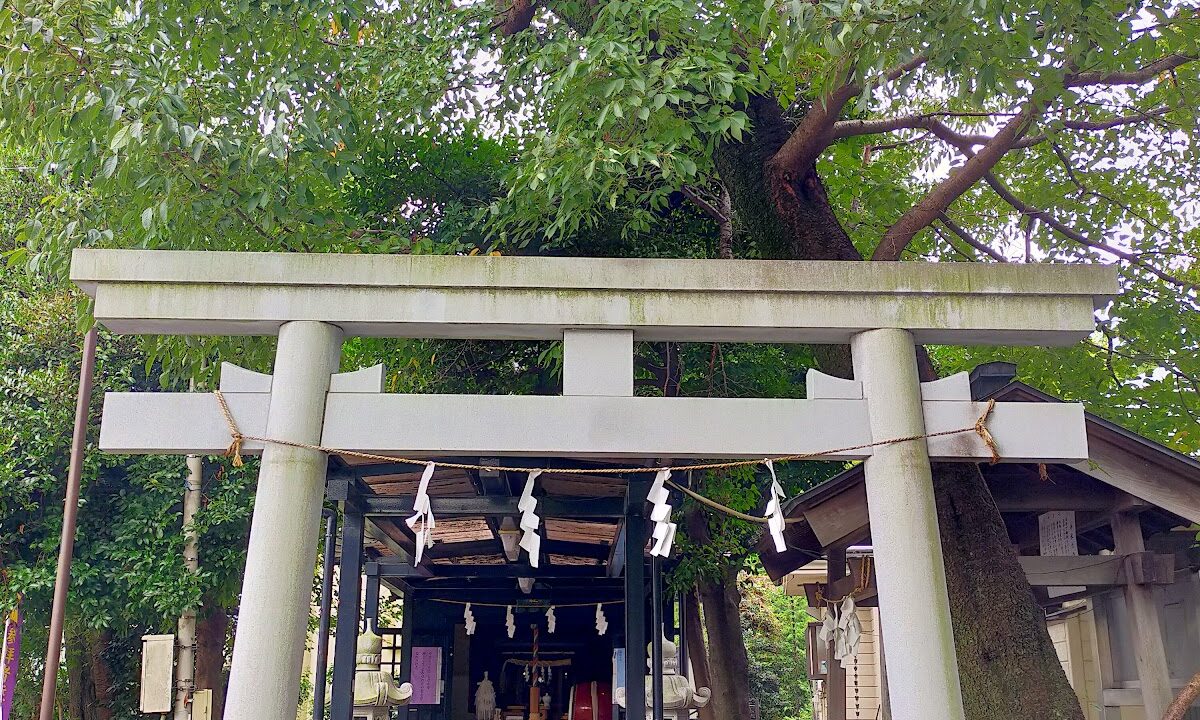
Complete Guide to Kamimiya Osawa Shrine (Koganei City, Tokyo) | History, Goshuin (Shrine Seal), Annual Festival, and Access Information
Kamimiya Osawa Shrine, quietly nestled in Nukui Minami-cho, Koganei City, Tokyo, is a historic shrine that has watched over the community since the early Edo period. Despite being located in a residential area, it maintains a tranquil atmosphere and attracts the faith of local residents. This article provides detailed information useful for visitors, including the history of Kamimiya Osawa Shrine, its enshrined deities, goshuin (shrine seal), annual festival, and access methods.
Basic Information on Kamimiya Osawa Shrine
Kamimiya Osawa Shrine is located at 2-1-24 (some sources say 26) Nukui Minami-cho, Koganei City, Tokyo. The nearest station is Musashi-Koganei Station. Despite being located in a residential area, it offers a peaceful space for visitors.
Basic Data
- Name: Jogu Osawa Shrine
- Address: 2-1-24 Nukui Minami-cho, Koganei City, Tokyo
- Main Deity: Amenokoyane-no-Mikoto
- Annual Festival: April 29th every year
- Access: Within walking distance from Musashi-Koganei Station
- Parking: Limited (use of nearby coin parking is recommended)
Currently managed as an unmanned shrine, it is carefully maintained by local residents, keeping the grounds clean and well-organized.
History and Origins of Jogu Osawa Shrine
Origin of Founding
The history of Jogu Osawa Shrine dates back to the early Edo period. According to tradition, a wooden shrine was built on this site in Keian 13 (actually, the Keian era spanned from 1648 to 1652) to enshrine the spirit of Fujiwara no Geki Hisaharu, an ancestor of the Osawa family.
Fujiwara no Geki Hisaharu is considered a figure who contributed to the development and cultivation of the region, and the shrine was founded to commemorate his achievements. Even today, a stone monument bearing Geki’s name is preserved on the shrine grounds, preserving the history of this shrine.
Relationship between the Osawa Family and the Shrine
The name “Kamimiya Osawa Shrine” indicates its connection to the Osawa family. The Osawa family was a powerful family in the Nukui region, and this shrine has long been revered as the family’s tutelary deity and the guardian deity of the region.
Regarding the designation “Kamimiya,” it is possible that there were related shrines such as Shimomiya (Lower Shrine) or Honmiya (Main Shrine) in the same area, but currently, only Kamimiya Osawa Shrine has been confirmed.
Changes Since the Modern Era
Despite undergoing changes over time, such as the reform of the shrine system during the Meiji era and the changes in the religious corporation system after the war, Kamimiya Osawa Shrine has been preserved as a place of worship for the local people. Currently, it is operated as an unmanned shrine, but events such as the annual festival are continued by local residents.
Deities and Divine Virtues
Main Deity: Amenokoyane-no-Mikoto
The main deity of Kamimiya Osawa Shrine is Amenokoyane-no-Mikoto. Amenokoyane-no-Mikoto is a god appearing in Japanese mythology and is known as the ancestral deity of the Nakatomi clan (later the Fujiwara clan).
It is believed that Amenokoyane-no-Mikoto is enshrined here because Fujiwara no Geki Hisaharu was a member of the Fujiwara clan.
Divine Virtues of Amenokoyane-no-Mikoto
Amenokoyane-no-Mikoto is believed to possess the following divine virtues:
- Academic Achievement and Wisdom: As the god of prayers, he presides over the power of words.
- Family Safety: Protects the peace and prosperity of families.
- Good Fortune and Prosperity: Attracts good relationships and good luck.
- Business Prosperity: Supports the development of businesses.
- Protection from Misfortune: Protects against disaster.
Those working in academic or language-related fields, and students preparing for exams, often visit this shrine.
Shrine Grounds and Highlights
Atmosphere of the Shrine Grounds
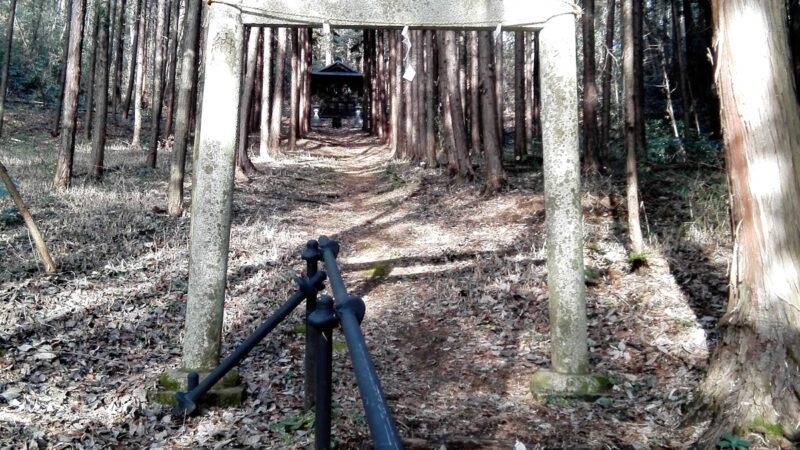
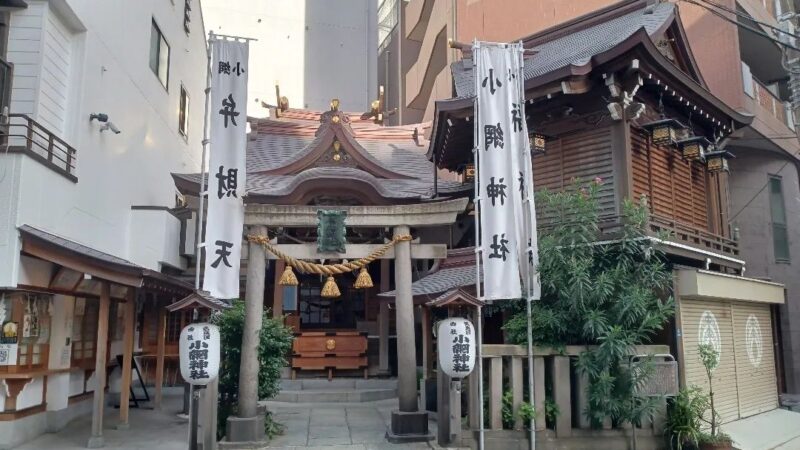
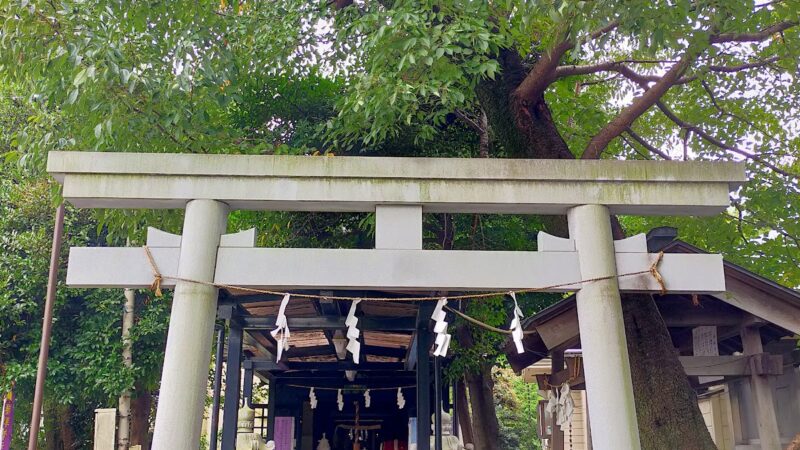
Although small, Kamimiya Osawa Shrine has well-maintained grounds. Despite being located in a residential area, stepping inside reveals a quiet and peaceful space.
Worship Hall
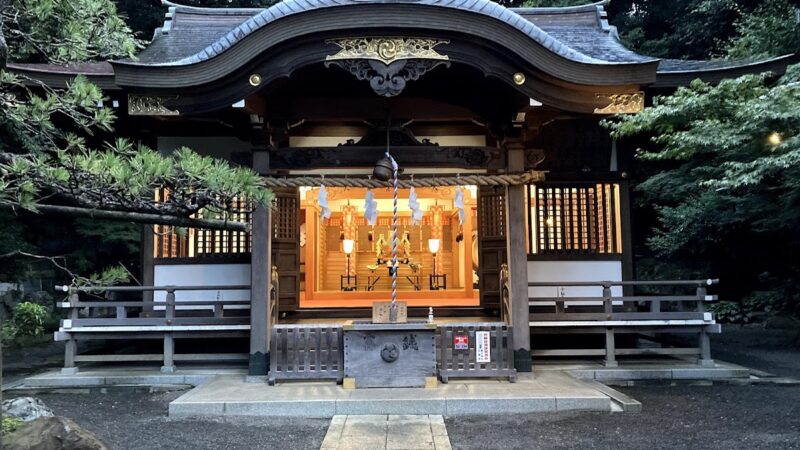
The wooden worship hall, though simple, is carefully maintained, reflecting the faith of the local community. As it is an unmanned shrine, it is not always open to the public, but worship from outside is possible. ### Stone Monuments and Memorials
Within the shrine grounds, there is a stone monument bearing the name of Fujiwara Geki Hisaharu, who was involved in the shrine’s founding. This monument is a valuable historical document for understanding the shrine’s history.
Trees on the Shrine Grounds
Several ancient trees stand on the shrine grounds, telling the story of its long history. They display different appearances depending on the season, and the scenery is particularly beautiful during the fresh green season and the autumn foliage season.
About Goshuin (Shrine Seals)
How to Obtain Goshuin
Although Kamimiya Osawa Shrine is an unmanned shrine, it does offer Goshuin. Goshuin are available in a box placed in the worship hall, and visitors can freely receive them.
How to Obtain a Goshuin (Shrine Seal):
- First, complete your prayers at the main hall.
- Find the box located near the main hall.
- Receive your Goshuin from the box.
- Pay the offering fee (generally around 300 yen).
Features of the Goshuin
The Goshuin at Kamimiya Osawa Shrine is a pre-printed type, bearing the shrine’s name and date. Its simple design evokes the shrine’s history.
Points to Note When Receiving a Goshuin
- As it is an unmanned shrine, direct inscription into Goshuin notebooks is not performed.
- Always pay the offering fee (generally 300 yen).
- Remember that the Goshuin is proof of your visit, not a collector’s item.
- Please note that there may be times when Goshuin are out of stock.
Annual Festival and Regular Events
Annual Festival (April 29th)
The most important regular event at Kamimiya Osawa Shrine is the Annual Festival held every year on April 29th. This day coincides with Showa Day (formerly Greenery Day), and many local residents visit the shrine.
Characteristics of the Annual Grand Festival:
- Performance of Shinto rituals by local residents
- Cleaning and decoration of the shrine grounds
- Participation of local children
- A simple yet solemn atmosphere
The Annual Grand Festival is recognized as a local event in Koganei City and is featured on the Koganei City Tourism and Community Development Association website.
Other Annual Events
Besides the Annual Grand Festival, the following events may also be held at Kamimiya Osawa Shrine:
- New Year’s Visit (January 1st-3rd)
- Setsubun Festival (around February 3rd)
- Summer Purification Ceremony (June 30th)
- Autumn Festival (Dates vary each year)
Although it is a small-scale shrine due to being unmanned, its traditions are preserved by the local community.
Access Information
Access by Train
Nearest Station: JR Chuo Line “Musashi-Koganei Station”
While the shrine is within walking distance from Musashi-Koganei Station, it is a bit of a distance.
Directions from Musashi-Koganei Station:
- Exit the South Exit of Musashi-Koganei Station
- Head south along Koganei Kaido (Tokyo Metropolitan Route 15)
- Proceed towards Nukui-Minamimachi
- Enter the residential area and follow the signs
- Arrive in approximately 15-20 minutes on foot
Access by Bus
It is also possible to take a bus from Musashi-Koganei Station.
- Board a bus from the South Exit of Musashi-Koganei Station
- Take a bus bound for “Nukui-Minamimachi”
- Get off at the nearest bus stop and walk for a few minutes
For specific bus routes, please check the Keio Bus or Seibu Bus route maps.
Access by Car
Access from Major Roads:
- Approximately 20 minutes from the Chuo Expressway “Chofu IC”
- Accessible via Tokyo Metropolitan Route 15 (Koganei Kaido)
Parking Information:
Since the shrine’s dedicated parking is limited, we recommend using nearby coin-operated parking lots. There are several coin-operated parking lots around Nukui Minami-cho.
Address and Map
Official Address: 2-1-24 Nukui Minami-cho, Koganei City, Tokyo
Searching for “Kamimiya Osawa Shrine” on your smartphone’s map app will show the exact location. Since it’s located in a residential area, we recommend using a map app for first-time visitors.
Manners and Points for Visiting a Shrine
Basic Worship Etiquette
When visiting Kamimiya Osawa Shrine, please observe the following basic etiquette:
- Bow at the Torii Gate: Bow before entering the shrine grounds.
- Water Purification Etiquette: If there is a water basin, purify your hands and mouth.
- Worship at the Main Hall: Worship using the two bows, two claps, and one bow method.
- Be Quiet: As it is located in a residential area, please refrain from making loud noises or voices.
Precautions for Visiting an Unmanned Shrine
Kamimiya Osawa Shrine is an unmanned shrine. Please note the following:
- There is no shrine office or priests permanently stationed there.
- You can freely obtain a Goshuin (shrine stamp) from the box in the main hall, but please be sure to offer a donation.
- Please take your trash with you to maintain the cleanliness of the shrine grounds.
- Photography is permitted, but please be considerate of other visitors.
Recommended Visiting Times
As this is an unmanned shrine, there are no specific restrictions on visiting hours, but the following times are recommended:
- Early Morning (7:00 AM – 9:00 AM): Quiet and refreshing atmosphere
- Morning (9:00 AM – 12:00 PM): Good weather, suitable for photography
- Evening (4:00 PM – 6:00 PM): A peaceful time
Nighttime visits are not recommended due to limited lighting; daytime visits are preferred.
Nearby Tourist Attractions
When visiting Kamimiya Osawa Shrine, why not also explore other tourist attractions in Koganei City?
Koganei Park
Tokyo Metropolitan Koganei Park is one of the largest parks in Tokyo. Known as a famous cherry blossom viewing spot, it is bustling with many visitors in spring.
- Distance: Approximately 2km from Kamimiya Osawa Shrine
- Highlights: Cherry blossoms, vast lawn area, Edo-Tokyo Open Air Architectural Museum
Edo-Tokyo Open Air Architectural Museum
An open-air museum located within Koganei Park, featuring historical buildings from the Edo period to the early Showa period that have been relocated and restored.
- Opening Hours: 9:30 AM – 5:30 PM (may vary depending on the season)
- Closed: Mondays (or the following day if Monday is a public holiday)
- Admission Fee: 400 yen for adults
Around Musashi-Koganei Station
The area around Musashi-Koganei Station has many shopping streets, restaurants, and cafes. Convenient for meals and rest after visiting the shrine.
Nogawa Park
A park rich in nature, where you can enjoy a stroll along the Nogawa River. Ideal for birdwatching and nature observation.
- Distance: Approximately 1.5 km from Kamimiya Osawa Shrine
- Highlights: The clear waters of the Nogawa River, seasonal flowers and plants
History and Culture of Koganei City
About Koganei City
Koganei City is a residential city located in the Tama area of Tokyo, with a population of approximately 120,000. It is known as a livable city, maintaining a lush green environment while offering good access to the city center.
History of the Nukui Area
Nukui Minami-cho, where Kamimiya Osawa Shrine is located, has long developed as an agricultural area. During the Edo period, the development of new rice fields in Musashino progressed, and many farmers settled there. The Osawa family is thought to have been one of these pioneering families.
Cultural Properties and Shrines/Temples of Koganei City
Besides Kamimiya Osawa Shrine, Koganei City has many other shrines, temples, and cultural properties:
- Koganei Shrine: The main guardian shrine of Koganei City
- Kinzo-in Temple: An ancient Shingon Buddhist temple
- Inari Shrines in Each District: Guardian deities of the region
Visiting these temples and shrines will allow you to gain a deeper understanding of Koganei City’s history and culture.
Connections with the Community
Koganei City Tourism and Community Development Association
The annual festival of Kamimiya Osawa Shrine is also featured on the website of the Koganei City Tourism and Community Development Association. This association is working to promote tourism and revitalize the community in Koganei City, and shrine events are positioned as part of this effort.
Koganei City Tourism and Community Development Association Office:
- Opening Hours: Tuesday to Saturday, 9:00 AM to 5:00 PM
- Closed Days: Sundays, Mondays, National Holidays, December 29th to January 3rd
Community Hub
Although small, Kamimiya Osawa Shrine serves as a place for community interaction. Through events such as the annual festival, intergenerational community connections are maintained.
Information Dissemination via Social Media
Kamimiya Osawa Shrine has an Instagram account (@osawajinja) where it shares information about the shrine grounds and events. While the number of followers is limited, it provides access to the latest information about the shrine.
Visitor Voices
Charm Seen from Visitor Records
Several visitor records of Kamimiya Osawa Shrine have been posted on the shrine information website “Hotokami”. Visitors have shared the following comments:
- “A quiet shrine nestled in a residential area.”
- “Although it’s an unmanned shrine, it’s beautifully maintained.”
- “Goshuin (shrine stamps) are available in a box in the main hall and can be taken freely.”
- “You can feel the faith of the local people.”
Seasonal Expressions in Photos
Photos posted by visitors show the shrine grounds in all four seasons. The vibrant green of spring and the calm colors of autumn offer different charms depending on the time of year you visit.
Frequently Asked Questions
Are there any restrictions on visiting hours?
Since Kamimiya Osawa Shrine is an unmanned shrine, there are no specific restrictions on visiting hours. However, because it is located in a residential area, consideration for neighbors is necessary when visiting early in the morning or late at night. Visiting during the daytime is recommended.
Can I get a Goshuin anytime?
Goshuin are available in a box in the main hall, but they may be out of stock at times. They are more likely to be replenished during events such as the annual festival.
Is there parking available?
Parking at the shrine is limited. If you are visiting by car, we recommend using nearby coin-operated parking lots.
Can anyone participate in the annual festival?
The annual festival is a local event, but anyone is welcome to attend. However, the content of the Shinto rituals may vary from year to year.
Are pets allowed?
There are no explicit regulations, but considering that the shrine is a sacred place, consideration is necessary if you bring a pet. Please keep your pet on a short leash and be careful not to disturb other visitors.
Is the shrine wheelchair accessible?
Due to its small size, wheelchair accessible facilities are limited. If you wish to visit in a wheelchair, we recommend checking the situation on-site beforehand.
Summary
Kamimiya Osawa Shrine is a historical shrine located in Nukui Minami-cho, Koganei City, Tokyo. It is said to have been founded during the Keian era and built to enshrine the spirit of Fujiwara no Geki Hisaharu. The main deity enshrined here is Amenokoyane-no-Mikoto, and the shrine is believed to bestow blessings such as academic success and family safety.
Although currently operated as an unmanned shrine, it is carefully maintained by local residents, keeping the grounds clean and well-organized. The annual grand festival is held on April 29th, making it an important local event.
Goshuin (shrine stamps) can be freely obtained from a box in the main hall, and a donation is expected. It is easily accessible on foot from Musashi-Koganei Station, and can be visited in conjunction with nearby tourist attractions such as Koganei Park and the Edo-Tokyo Open Air Architectural Museum.
Kamimiya Osawa Shrine, while situated in a residential area, maintains a tranquil atmosphere and is a valuable place that conveys the history and culture of the region. When visiting Koganei City, it is definitely worth a visit.