Complete Guide to Kodaira Shinmei-gu Shrine (Tokyo): Guardian Deity of the Pioneers with 370 Years of History
Located in Ogawa-cho, Kodaira City, Tokyo, Kodaira Shinmei-gu Shrine is a historic shrine that has watched over the region as the “guardian deity of Kodaira’s pioneering” for approximately 370 years. The large torii gate standing along the Ome Kaido road and the lush grounds, which retain a strong sense of Musashino’s past, create a tranquil atmosphere despite its proximity to the city center. This article comprehensively introduces information you should know before visiting Kodaira Shinmei-gu Shrine, including its history, enshrined deities, highlights of the grounds, access methods, and annual events.
About Kodaira Shinmei-gu Shrine
Kodaira Shinmei-gu Shrine was founded in 1661 (Kanbun 1) and its former shrine rank was Gosha (village shrine). Affectionately known as “Shinmei-sama” by locals, it is revered as a place deeply intertwined with the history of Kodaira City. The shrine enshrines a total of 12 deities and 15 seats, centered around Amaterasu Omikami as the main deity, along with Oyamatsumi-no-kami, Kagutsuchi-no-kami, Sugawara no Michizane, and others. Because it enshrines Amaterasu Omikami, the same deity as the deity of Ise Grand Shrine, it was given the name “Shinmei-gu” (Shinmei Shrine).
The Guardian Shrine of the “Village of Mirages”
During the Edo period, Kodaira was known as a barren land with poor water resources. This area was also called the “Village of Mirages,” and was extremely difficult to cultivate. In such a harsh environment, Kodaira Shinmei-gu became a source of spiritual support for the settlers.
History of Kodaira Shinmei-gu
Origin of Founding: The Meireki Land Development Pledge
The history of Kodaira Shinmei-gu dates back to the second year of the Meireki era (1656). At that time, the Edo Shogunate’s policies promoted the development of the Musashino Plateau, which had limited water resources. It was during this period that the petition for development of Ogawa Village (present-day Ogawa-cho, Kodaira City) was submitted.
The farmers who settled in the area, facing the harsh conditions of life, petitioned for the enshrinement of a guardian deity to serve as a spiritual anchor. The application for the enshrinement of Shinmei Shrine was submitted simultaneously with the development petition in 1656 (Meireki 2), and it was officially established five years later in 1661 (Kanbun 1).
As the Guardian Shrine of Ogawa Village
From its inception, Kodaira Shinmei Shrine was positioned as the guardian shrine of Ogawa Village. The settlers constructed the shrine and prayed for the village’s safety and abundant harvests. Agriculture in the water-scarce land was extremely difficult, but Shinmei Shrine functioned as a spiritual pillar for the settlers, watching over the village’s development.
Shrine Buildings and Cultural Assets Dating Back to the Edo Period
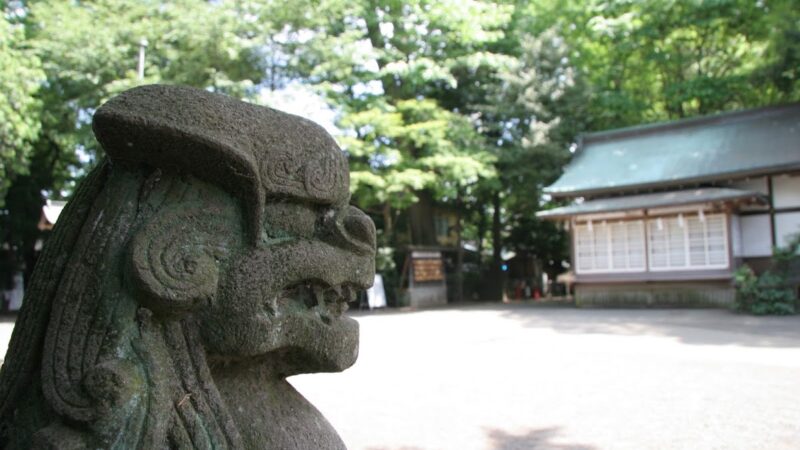
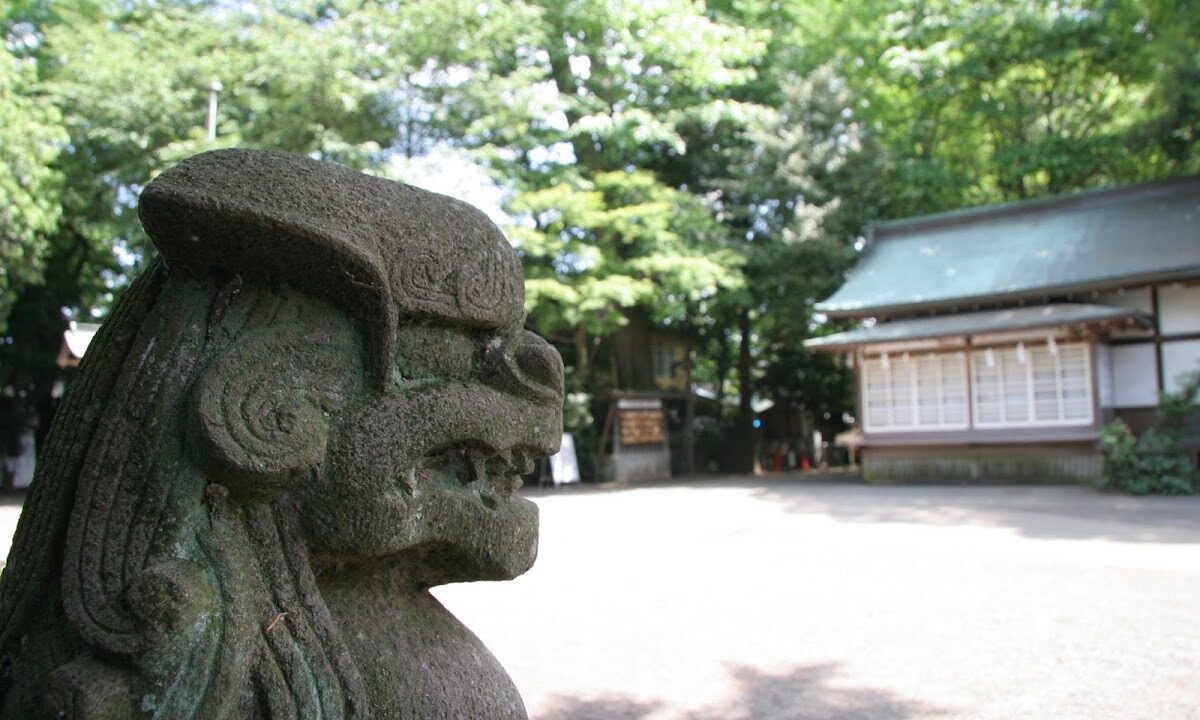
The current shrine building dates back to the Edo period and is a valuable structure that tells the story of a long history. Several Edo-period guardian lion-dogs remain on the grounds, conveying the state of worship at that time.
Ancient trees, including a large zelkova tree over 350 years old, flourish on the grounds, creating a valuable space that preserves the original landscape of Musashino. These trees can be considered living witnesses that have watched over the changes in the region since the founding of the shrine.
Status as a Former Village Shrine
Under the shrine ranking system of the Meiji era, Kodaira Shinmei-gu Shrine was ranked as a village shrine. A village shrine was a rank given to important shrines within a county, indicating that the importance of Kodaira Shinmei-gu Shrine in the region was officially recognized.
Deities and Divine Virtues
Kodaira Shinmei-gu Shrine enshrines 12 deities and 15 deities. Let’s take a closer look at the main deities and their divine virtues.
Amaterasu Omikami (Main Deity)
The supreme deity of Japan, enshrined in the Inner Shrine of Ise Grand Shrine, and a goddess personifying the sun. Revered as the ancestral deity of the Imperial Family, she is believed to possess all kinds of divine virtues, including national peace and security, good fortune, and protection from evil.
Oyamatsumi-no-Kami
Known as the god of mountains, he is the guardian deity of agriculture, fishing, and mining. He also possesses characteristics of a warrior god, and is believed to bestow blessings of good fortune in competitions and business prosperity.
Kagutsuchi-no-Kami
Known as the god of fire, he is considered the guardian deity of fire prevention, protection of hearths, and protection of industries such as pottery and blacksmithing. He is an important deity who controls fire, which is essential for daily life.
Sugawara no Michizane
Widely known as the god of learning, he is believed to bestow blessings for academic success, passing exams, and improvement in calligraphy. He is also revered as a symbol of sincerity and justice.
Other Deities
In addition to the main deities listed above, eight other deities are enshrined here, making it a comprehensive shrine where one can pray for protection in all aspects of life.
Highlights of the Shrine Grounds
The Grand Torii Gate along Ome Kaido Road
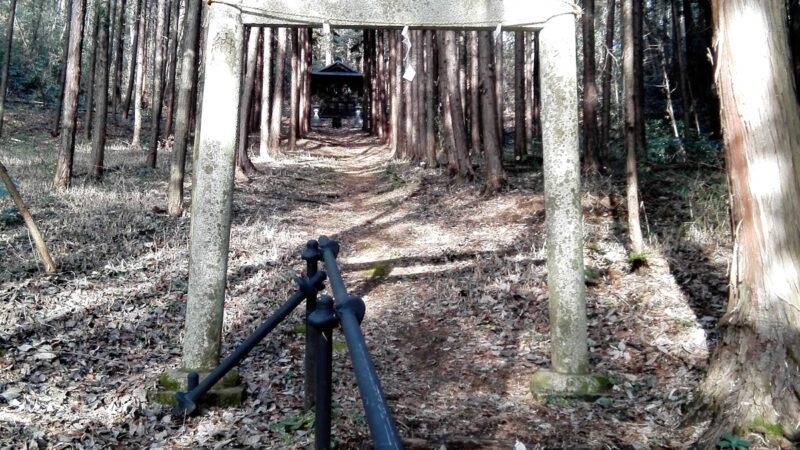
The entrance to Kodaira Shinmei Shrine is marked by a magnificent torii gate facing Ome Kaido Road. This grand torii gate is a symbol of the shrine’s presence and has been cherished by travelers along the road for centuries.
The Long Approach
After passing through the grand torii gate, a long approach leading to the shrine buildings unfolds before you. This approach is one of Kodaira Shinmei Shrine’s most distinctive features, offering visitors a moment of peace and tranquility. Lush trees line both sides, creating a serene space that allows you to forget the hustle and bustle of the city.
The time spent slowly walking along the approach to the shrine buildings will be a precious moment to escape from daily life and find peace of mind.
Preserving the Traces of Musashino
The temple grounds are home to a variety of trees, including a large zelkova tree over 350 years old. This lush greenery is a precious natural forest that conveys the original landscape of Musashino, offering a space where one can experience abundant nature despite being within Tokyo.
The air is clean, and many visitors feel a sense of purification upon entering the grounds, making it a valuable healing spot in the urban area.
Shrine Buildings Built During the Edo Period
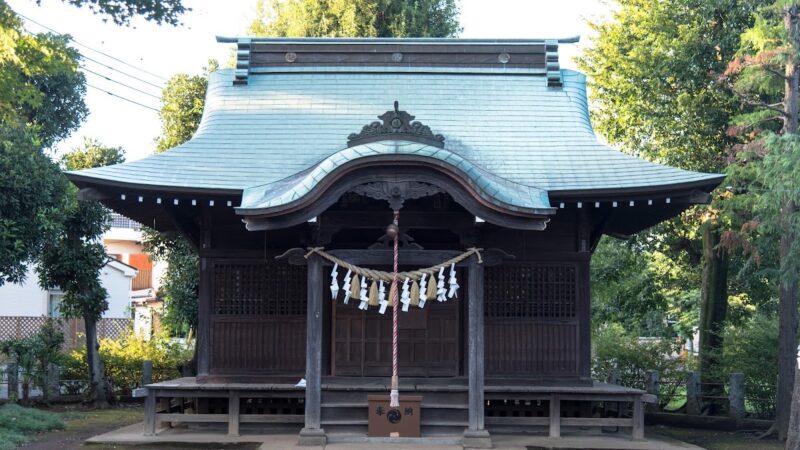
The main shrine building is a historical structure built during the Edo period, preserving the architectural style of that time. The shrine is meticulously maintained, exuding a sense of historical weight and dignity.
Komainu (Guardian Lion-Dogs) from the Edo Period
Several komainu (guardian lion-dogs) dedicated during the Edo period remain on the temple grounds. These komainu are of high historical value, serving as valuable cultural assets that reveal the stonemasonry techniques and religious practices of the time. By observing the expressions and forms of the komainu, one can reflect on the faith of the people of the Edo period.
Kodaira Shinmei Kindergarten
The Kodaira Shinmei Kindergarten is located within the shrine grounds, demonstrating the deep connection between the shrine and the local community. The cheerful voices of children can be heard throughout the grounds, reflecting the shrine’s continued central role in the community.
Goshuin (Shrine Seal) Information
At Kodaira Shinmei Shrine, you can receive a goshuin as a memento of your visit. The goshuin features the enshrined deity and a sacred phrase, expressing the unique characteristics of the shrine.
Goshuin are available at the shrine office and can be received after your visit. You can bring your own goshuin book or receive a pre-printed goshuin.
In recent years, collecting goshuin has become a hobby, but a goshuin is not merely a commemorative stamp; it is a sacred item bestowed by the shrine as proof of your visit. It is important to receive it with gratitude after a proper visit.
Access and Transportation Information
Detailed information on how to access Kodaira Shinmei Shrine is provided below.
Access by Train
From Higashi-Yamato Station on the Seibu Haijima Line
- Approximately 15-18 minutes on foot
- Exit the station and head south towards Ome Kaido Road.
From Shin-Kodaira Station on the JR Musashino Line
- Bus access is convenient (see below).
Access by Bus
From Higashi-Yamato Station
- Take the Toei Bus bound for Hanakoganei Station North Exit
- Get off at the Shosenjimae bus stop and walk for approximately 2 minutes
- Travel time: Approximately 5 minutes
From Shin-Kodaira Station
- Take the Toei Bus bound for Ome Depot or the Seibu Bus bound for Kodaira Bus Depot
- Get off at the Shosenjimae bus stop and walk for approximately 2 minutes
- Travel time: Approximately 5 minutes
Access by Car
Located along Ome Kaido Road, it is also easily accessible by car. A parking lot is available on the temple grounds for visitors. Location
1-2573 Ogawa-cho, Kodaira City, Tokyo 187-0032
Phone Number
042-341-0407
The large torii gate on Ome Kaido Street is a landmark, making it relatively easy to find.
Annual Events and Festivals
Kodaira Shinmei Shrine holds various festivals and events throughout the year.
Grand Festival (September 17th)
The Grand Festival, the most important annual event, is held every year on September 17th. It is a traditional festival praying for a bountiful harvest and the safety of the community as the guardian deity of the region.
Yakumo Festival (April)
The Yakumo Festival, held in spring, is a festival praying for the eradication of disease and for good health. As a festival related to Yakumo Shrine (Susanoo-no-Mikoto), it is cherished by the local people.
Setsubun Festival (February 3rd)
On Setsubun, a bean-throwing ceremony is held. With the chant of “Good fortune in, demons out!”, beans are thrown to pray for good health and protection from illness throughout the year. It’s a lively event with many local children participating.
Winter Solstice Star Festival (December)
Held around the winter solstice, the Star Festival is a ceremony to honor the star gods and pray for protection from evil and good fortune. It also celebrates the beginning of new light on the winter solstice, the longest night of the year.
Shichi-Go-San Children’s Pilgrimage (November)
During the Shichi-Go-San season, the “Shichi-Go-San Children’s Pilgrimage” takes place. This traditional event prays for the healthy growth of children, and many families visit the shrine. The lush green environment of the shrine grounds is also a popular spot for commemorative photos.
Hina Matsuri Season
During the spring Hina Matsuri season, the shrine grounds are enveloped in a festive atmosphere. This is the season when many visitors come to pray for the healthy growth of girls.
Manners and Etiquette for Visiting a Shrine
There are basic manners to observe when visiting a shrine. When visiting Kodaira Shinmei Shrine, please observe the following manners.
How to Pass Through the Torii Gate
The torii gate is the entrance to the sacred area. Bow before passing through and walk while avoiding the center of the path (the path of the gods).
Proper Hand-Washing Ritual
- Take the ladle with your right hand and wash your left hand.
- Switch the ladle to your left hand and wash your right hand.
- Switch the ladle back to your right hand, receive water in your left hand, and rinse your mouth.
- Wash your left hand again.
- Hold the ladle upright, wash the handle, and return it to its original position.
Proper Worship Ritual
- Bow slightly in front of the offering box.
- Gently place your offering in the box.
- Ring the bell if there is one.
- Bow twice, clap twice, and bow once (bowing deeply twice, clapping twice, bowing deeply once).
- Step back a few steps, bow once, and leave.
Nearby Attractions
There are several spots to visit around Kodaira Shinmei Shrine.
Ogawa-dera Temple
Ogawa-dera Temple, which is also the name of a bus stop, is a temple located near the shrine. Visiting both the shrine and the temple will make for a more fulfilling experience. ### History of Ome Kaido Road
Ome Kaido Road, which faces Kodaira Shinmei Shrine, is an important road that has existed since the Edo period. Strolling along the road allows you to experience the history of the region.
Cultural Facilities in Kodaira City
Kodaira City has various cultural facilities, such as libraries and parks. These can be used as opportunities to experience local culture in conjunction with visiting the shrine.
The Charm of Kodaira Shinmei Shrine: Visitor Feedback
Visitors to Kodaira Shinmei Shrine have shared the following impressions:
“I was surprised by the length of the approach.”
The long approach from Ome Kaido Road to the shrine building is a point that many visitors mention as being memorable. It’s rare to find a shrine with such a long approach in an urban area.
“The lush greenery is calming.”
The greenery of the shrine grounds, which retains the atmosphere of Musashino, provides a sense of peace to visitors. The space created by ancient trees, including a 350-year-old zelkova tree, is an experience difficult to find in urban areas.
“A Shrine and Guardian Dogs with a Sense of History”
The shrine buildings and guardian dogs, dating back to the Edo period, are highly regarded by history-loving visitors. The dignified atmosphere unique to a shrine with such a long history is a major draw.
“A Shrine Rooted in the Community”
Many visitors appreciate the shrine’s deep roots in the community, thanks to its attached kindergarten and the various events held throughout the year.
The Development History of Kodaira and Shinmei Shrine
To deeply understand Kodaira Shinmei Shrine, it’s important to know the development history of Kodaira City.
A Barren Land with Limited Water Resources
During the Edo period, the area around Kodaira was particularly lacking in water resources, even within the Musashino Plateau. As its nickname, “Village of Mirages,” suggests, it was considered unsuitable for agriculture due to the lack of water.
The Construction of the Tamagawa Aqueduct
The construction of the Tamagawa Aqueduct in 1653 (Shoo 2) made it possible to supply water to the Musashino Plateau. This marked the beginning of serious development of the previously barren land.
The Hardships of the Settlers
In 1656 (Meireki 2), a petition for development of Ogawa Village was submitted, and settlers began to relocate. However, even with improvements in water resources, development proved extremely difficult. Clearing forests, removing stones, and cultivating the land were arduous tasks.
The Role of Shinmei Shrine
In these harsh conditions, Shinmei Shrine became a spiritual pillar for the settlers. Their prayers and gratitude to the gods became the strength that supported their difficult development project.
Since its founding in 1661 (Kanbun 1), Kodaira Shinmei Shrine has watched over the region for over 370 years as the “guardian deity of Kodaira’s development.”
Kodaira Shinmei Shrine in Modern Times
Even today, Kodaira Shinmei Shrine remains an important presence in the local community.
Center of the Local Community
Various festivals and events held throughout the year provide opportunities for local residents to gather. Events such as the annual grand festival and Shichi-Go-San (a traditional Japanese rite of passage for children) are particularly important for intergenerational interaction.
Green Oasis in Urbanization
While Kodaira City is undergoing urbanization, the grounds of Kodaira Shinmei Shrine are preserved as a valuable green space that retains the natural beauty of Musashino. It is cherished by local residents as a place of peace and tranquility.
Role as an Educational Space
The adjacent Kodaira Shinmei Kindergarten provides education for children in a rich natural environment. Growing up in the traditional setting of a shrine offers opportunities to experience Japanese culture and traditions.
Value as a Tourism and Cultural Resource
In recent years, the shrine has become a popular tourist destination, attracting visitors and those collecting Goshuin (shrine stamps). The charm of Kodaira Shinmei Shrine has become widely known through social media and other platforms.
Precautions When Visiting
Please note the following points when visiting Kodaira Shinmei Shrine.
Visiting Hours
While you can generally visit the shrine grounds freely, there are limited hours for the shrine office. If you wish to obtain a Goshuin (shrine stamp) or amulet, it is recommended to check by phone in advance.
Attire
As shrines are sacred places, it is advisable to visit in clean attire. Formal attire is especially preferable if attending a festival or ceremony.
Photography
Photography is generally permitted on the shrine grounds, but there are areas where photography is restricted, such as inside the main hall. If unsure, please check with the shrine office. Also, please be considerate of other visitors.
Parking
Parking is available for visitors, but it can become crowded during festivals and other events. If possible, it is recommended to use public transportation.
Summary: The Guardian Deity of Kodaira with 370 Years of History
Kodaira Shinmei-gu Shrine is a historic shrine that has watched over the Kodaira area for over 370 years since its founding in 1661. Founded as a guardian deity for the pioneers who cultivated this barren land with limited water resources, it has since been revered as the guardian shrine of the region.
A long approach leading from the large torii gate along the Ome Kaido road, lush grounds that retain the atmosphere of Musashino, and shrine buildings and guardian lion-dogs dating back to the Edo period create a charming space where history and nature harmonize. With Amaterasu Omikami as its principal deity, and enshrining 12 shrines and 15 deities, Kodaira Shinmei-gu Shrine is a place that bestows various divine blessings, including good fortune, protection from evil, and academic success.
Throughout the year, various events such as the annual festival, Yakumo Festival, Setsubun Festival, and Shichi-Go-San (a traditional Japanese rite of passage for children) are held, and it functions as a central presence in the local community. Even in today’s increasingly urbanized world, Kodaira Shinmei-gu Shrine continues to play an important role as the “guardian deity of Kodaira’s pioneering” and as a spiritual anchor for the local residents.
Located approximately 15 minutes on foot from Higashi-Yamato Station on the Seibu Haijima Line, or a 2-minute walk from the “Ogawadera-mae” bus stop, this shrine boasts excellent accessibility. It’s highly recommended for those seeking a historical shrine in Tokyo, those wanting to experience the nature of Musashino, and those collecting Goshuin (shrine stamps).
Why not visit Kodaira Shinmei-gu Shrine and offer a peaceful prayer in a space steeped in 370 years of history? Walking along the long approach and offering your prayers in the lush grounds will allow you to escape the hustle and bustle of everyday life and enjoy a truly precious moment.