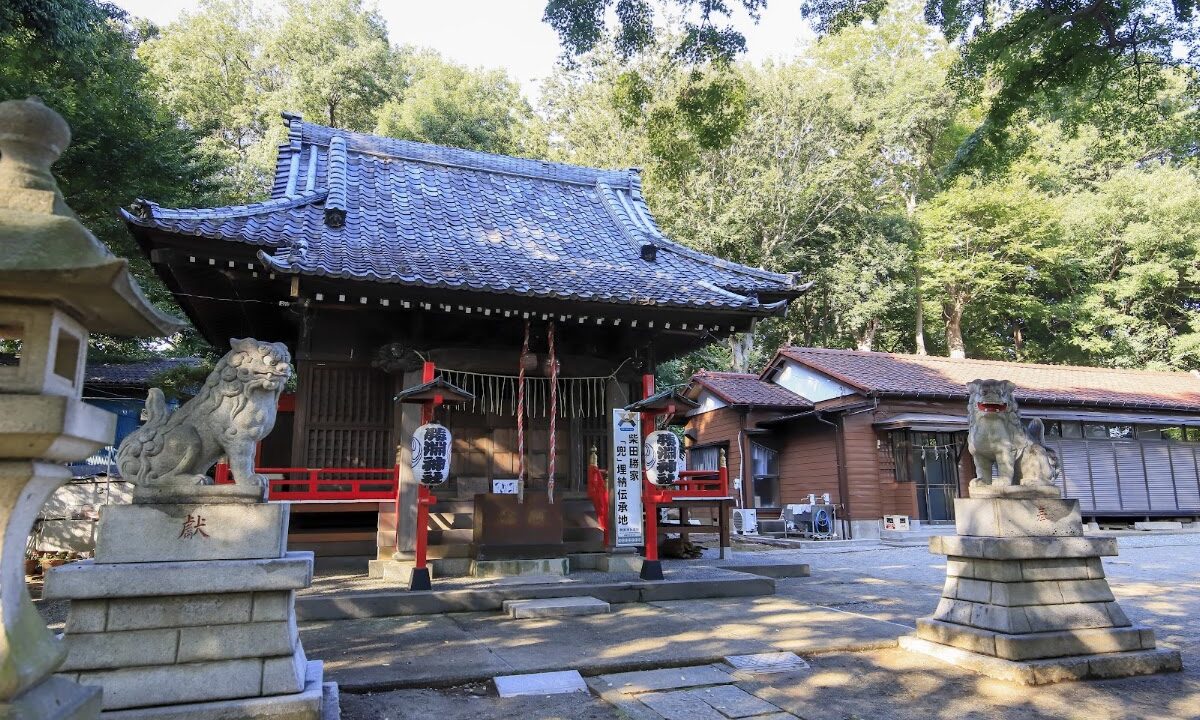
Katsubuchi Shrine (Mitaka City, Tokyo) Complete Guide: The Legend of Shibata Katsuie’s Golden Helmet and Visiting Information
Katsubuchi Shrine, quietly nestled in Shinkawa, Mitaka City, Tokyo, is a historical shrine with deep ties to the Sengoku period warlord Shibata Katsuie. Despite being located in a residential area, surrounded by abundant nature, this shrine is still passed down through generations for its fascinating legend surrounding a golden helmet.
This article provides detailed information you should know before visiting Katsubuchi Shrine, including its history, enshrined deities, access methods, and nearby attractions.
Basic Information about Katsubuchi Shrine
Location: 3-20 Shinkawa, Mitaka City, Tokyo
Nearest Station:
- Approximately 15 minutes on foot from Tsutsujigaoka Station on the Keio Line
- Approximately 15 minutes on foot from Sengawa Station on the Keio Line
Nearest Bus Stop:
- Approximately 2 minutes on foot from Maruike Park Entrance bus stop (Odakyu Bus/Keio Bus)
Deity Enshrined: Mizuhanome-no-Mikoto (Mizuhanome-no-Kami)
Shrine Rank: Village Shrine
Founded: Genna 1 (1615)
Katsubuchi Shrine is located near the border of Mitaka City and Chofu City, surrounded by lush green parks such as Shinkawa Maruike Park, Mihara-yama Park, and Maruike Mixed Forest Park. Although small, the shrine is carefully maintained and has been preserved to this day as a shrine that attracts the faith of local residents.
History and Origins of Katsubuchi Shrine
Deep Connection to Shibata Katsuie
An essential aspect of understanding the history of Katsubuchi Shrine is its relationship with Shibata Katsuie, a warlord of the Sengoku period. According to official records of the Tokyo Metropolitan Shrine Association, the shrine’s main hall was built in 1615 by Shibata Katsushige, Katsuie’s grandson.
Shibata Katsuie was a powerful warlord who served Oda Nobunaga. In 1583, he was defeated in battle against Toyotomi Hideyoshi at Kitano-sho Castle in Echizen Province (present-day Fukui City, Fukui Prefecture) and committed suicide. Afterward, his descendant, Shibata Katsushige, became the lord of this area and is said to have built the shrine to appease the spirits of his ancestors.
Background of the Shrine’s Founding in Genna 1 (1615)
Genna 1 (1615) was the year the Toyotomi family was destroyed in the Summer Siege of Osaka, and the Tokugawa shogunate’s rule was established. During this period, many descendants of Sengoku-era warlords established new lives in new lands, and Shibata Katsushige was one of them. Having settled as a lord in the Sengawa area, Katsushige is believed to have enshrined Mizuha-no-me-no-mikoto, the goddess of water, as the main deity, praying for the peace and security of the region and the protection of water resources.
Origin of the Place Name Katsubuchi
The name “Katsubuchi” is said to be a combination of the character “Katsu” (勝) from Shibata Katsuiye’s name and the deep pool (fuchi) of the Sengawa River that flows through this area. As a shrine dedicated to the goddess of water, and by using the character “Katsu” from the Shibata family name, it embodies the meaning of commemorating Katsuiye’s legacy.
The Legend of the Golden Helmet: The Mystery of the Helmet Mound
The most famous legend at Katsubuchi Shrine concerns the “golden helmet.”
The Legend
According to tradition, the golden helmet owned by Shibata Katsuie was buried somewhere on the shrine grounds by his grandson, Shibata Katsushige. This place is called “Kabutozuka” (Helmet Mound), and it is said to still rest somewhere on the shrine grounds.
The golden helmet was a family treasure passed down from Katsuie to Katsushige, and a symbol of the Shibata family’s survival during the turbulent Sengoku period. There are various theories as to why Katsushige buried it, but one theory suggests that in the early Edo period, a time of peace, he buried the helmet, a symbol of war, to appease the spirits of his ancestors and pray for peace.
The Current State of the Helmet Mound
Unfortunately, it is not possible to confirm a location specifically designated as “Kabutozuka” on the current shrine grounds. It is said that the exact location has been lost over the long years, or that it is merely a legend and does not actually exist. However, this legend is one of the great attractions of Katsubuchi Shrine, drawing in visitors seeking historical romance.
About the enshrined deity: Mizuhanome-no-Mikoto
The enshrined deity of Katsubuchi Shrine is Mizuhanome-no-Mikoto. Also known as Mitsuhanome-no-Kami, she is a representative water deity in Japanese mythology.
The divine nature of Mizuhanome-no-Mikoto
According to the Kojiki, Mizuhanome-no-Mikoto is a deity born to Izanagi-no-Mikoto and Izanami-no-Mikoto, and has been particularly revered as a goddess who controls water. She is an object of worship in all matters related to water, including agricultural water, drinking water, wells, rivers, and ponds.
Why was the water god enshrined here?
The Shinkawa area, where Katsubuchi Shrine is located, is, as its name suggests, a waterside area through which the Sengawa River flows. In the early Edo period, agriculture was the main industry in this region, and a stable water supply was fundamental to daily life. It is believed that Shibata Katsushige enshrined the water god in order to pray for the prosperity of his territory and the stability of the lives of its inhabitants.
Benefits
Shrines dedicated to Mizuha-no-me-no-Mikoto are said to offer the following benefits:
- Protection from water-related disasters and safe voyages
- Prosperity in agriculture and fishing
- Business success (Business flows like water)
- Safe childbirth and child-rearing (Related to amniotic fluid = the water of life)
- Health and longevity (Pure water and vitality)
Shrine grounds and highlights
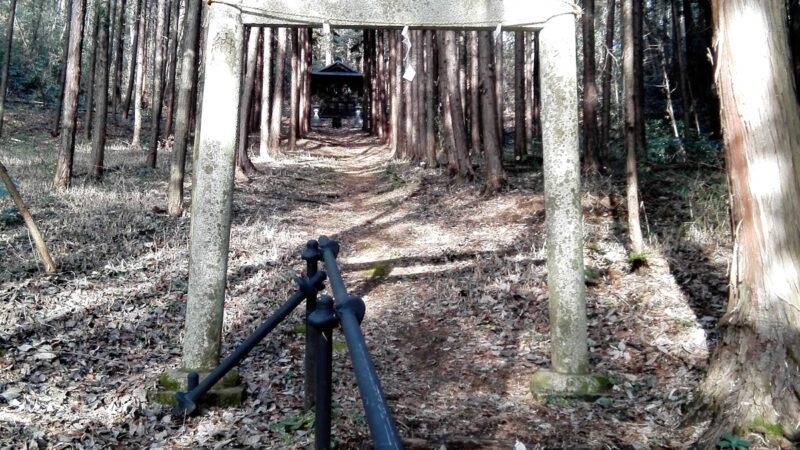
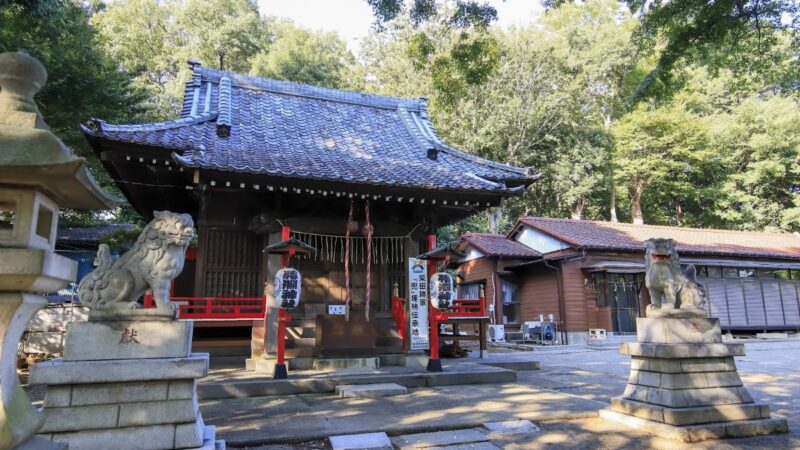
The grounds of Katsubuchi Shrine are not particularly large, but they are filled with a tranquil atmosphere.
Shrine Building
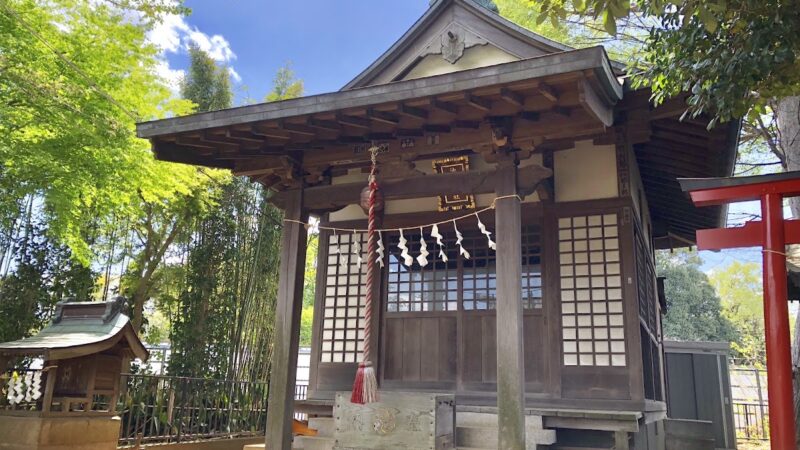
The wooden shrine building, though simple, is meticulously maintained, reflecting the deep faith of the local people. Regular cleaning is carried out, and seasonal flowers are often offered, indicating that it is a beloved local shrine.
Natural Environment of the Shrine Grounds
The shrine is surrounded by lush greenery, creating a tranquil space that allows you to forget the hustle and bustle of the city. The beauty of the trees is particularly dazzling during the seasons of fresh greenery and autumn leaves.
Nearby, there are several parks such as Shinkawa Maruike Park, Mihara-yama Park, and Maruike Mixed Forest Park, allowing you to enjoy nature walks in conjunction with your visit to the shrine. It’s also appealing to families, as there are plenty of places for children to play.
Relationship with Sengawa River
The Sengawa River, which flows very close to the shrine, was once written as “Senkawa” and was an important water source for this region. Although it is now a small river, it remains an important presence for Katsubuchi Shrine, which enshrines the god of water. Walking along the riverside promenade, you can experience the natural beauty of the waterfront even in an urban area.
Access and Visiting Information
Access by Train
From Keio Line “Tsutsujigaoka Station”:
- Exit the South Exit
- Walk approximately 15 minutes towards Sengawa
- Walk through the residential area towards Shinkawa 3-chome
From Keio Line “Sengawa Station”:
- Exit the North Exit
- Walk approximately 15 minutes towards Mitaka
- Cross the Sengawa River to the Shinkawa area
Access by Bus
Using the bus is the most convenient option:
Get off at “Maruike Park Entrance” bus stop (Odakyu Bus/Keio Bus):
- Approximately 2 minutes walk from the bus stop
- Route buses operate from Tsutsujigaoka Station, Sengawa Station, Mitaka Station, etc.
Access by Car
There is no dedicated parking lot for the shrine. We recommend using nearby coin parking or public transportation. Since it’s located in a residential area, please avoid parking on the street.
Visiting Hours
Katsubuchi Shrine is an unmanned shrine with no permanently stationed staff, so it’s generally open for worship throughout the day. However, because it’s located in a residential area, consideration for neighbors is necessary when visiting early in the morning or late at night. Visiting during daylight hours is recommended.
About Goshuin (Shrine Seals)
Currently, Katsubuchi Shrine does not offer Goshuin. As it is an unmanned shrine, amulets and talismans are not distributed. The main way to worship is to quietly pray and offer your respects.
Nearby Attractions and Recommended Spots
There are several spots near Katsubuchi Shrine that are worth visiting in conjunction with your shrine visit.
Shinkawa Maruike Park
This park is located very close to the shrine and is a nature-rich space centered around a pond. It’s ideal for bird watching and strolling, and you can enjoy the changing seasons. There are also playground equipment for children, making it popular with families.
Mihara-yama Park
This park is located on a small hill and, as its name suggests, offers excellent views. It’s also known as a popular spot for cherry blossom viewing during the spring.
Maruike Mixed Forest Park
This is a valuable park that preserves a mixed forest reminiscent of the Musashino region. Despite being in an urban area, it’s a place where you can observe a natural ecosystem and is also used for environmental education.
Jindaiji Temple (Chofu City)
A short trip from Katsubuchi Shrine will take you to Jindaiji Temple, one of Tokyo’s most famous ancient temples. It’s about a 15-20 minute bus or car ride away, and you can also enjoy Jindaiji soba noodles.
Sengawa Shopping Street
The area around Sengawa Station has a lively shopping street with cafes, restaurants, bookstores, and more. It’s convenient for resting or eating after visiting the shrine.
Katsubuchi Shrine’s Annual Events and Community Connections
Katsubuchi Shrine is a small shrine, but it plays an important role in the local community.
Local Festivals
While detailed festival schedules are not publicly available, the shrine has long been revered by residents as the local guardian deity. Local residents participate in cleaning and maintenance activities, ensuring its preservation as a deeply rooted community shrine.
Seasonal Scenery
In spring, the cherry blossoms surrounding the shrine grounds are beautiful; in summer, the greenery is lush; in autumn, the leaves change color; and in winter, a tranquil atmosphere prevails, showcasing the beauty of each season. The seasons of fresh greenery and autumn leaves are particularly ideal for strolling, especially when combined with visits to the surrounding parks.
The Shrine Culture of Mitaka City and the Position of Katsubuchi Shrine
While Mitaka City has several shrines, Katsubuchi Shrine is distinctive for its clear connection to a Sengoku period warlord.
Major Shrines in Mitaka City
- Inokashira Benzaiten (within Inokashira Park)
- Mure Shinmei Shrine
- Hachiman Daijinja Shrine
- Kasuga Shrine
Compared to these shrines, Katsubuchi Shrine, though smaller in scale, possesses a unique charm due to its connection to the historical figure Shibata Katsuie.
Historical Value
Founded in the early Edo period, it is a valuable site that conveys a part of the samurai culture during the transition from the Sengoku period to the Edo period. The legend of the golden helmet is more than just a legend; it can be considered a cultural heritage that reveals the values and beliefs of the samurai society at that time.
Manners and Precautions When Visiting a Shrine
Basic Worship Etiquette
- Bow before passing through the torii gate.
- Avoid walking in the center of the path. (The center is the path for the gods.)
- If there is a purification fountain, cleanse your hands and mouth.
- Bow twice, clap twice, and bow once in front of the main hall.
Points to Note Specific to Katsubuchi Shrine
- As this is an unmanned shrine, please worship quietly.
- As it is located in a residential area, please be considerate of the neighbors.
- Please take all your trash with you.
- Please be considerate of your surroundings when taking photographs.
- Please refrain from eating and drinking on the shrine grounds.
Visiting with Children
There are many parks in the surrounding area, making it a child-friendly environment. However, it is advisable to teach children to be quiet on the shrine grounds and to separate playtime in the parks from worship time.
Significance of Visiting Katsubuchi Shrine
Experiencing Historical Romance
The historical background of this shrine, built by the grandson of Shibata Katsuie, a famous general of the Sengoku period, is a major attraction for history buffs. The legend of the golden helmet sparks the imagination, as it may still be hidden somewhere on the shrine grounds.
Tranquility in the City
While easily accessible from central Tokyo, Katsubuchi Shrine possesses a quiet and peaceful atmosphere, making it an ideal place to escape the hustle and bustle of everyday life and find peace of mind.
Learning about Local History
Katsubuchi Shrine provides important clues to understanding the history of the Shinkawa area of Mitaka City. It serves as a starting point for imagining what this area was like in the early Edo period and what kind of people lived here.
Gratitude to the Water God
Although water supply systems have been developed and securing water is less of a struggle in modern times, offering prayers to Mizuha-no-me-no-Mikoto, the water goddess, allows us to renew our gratitude for the water that sustains our daily lives.
Summary: The Charm of Katsubuchi Shrine
Located in Shinkawa, Mitaka City, Tokyo, Katsubuchi Shrine, though small in scale, possesses a multifaceted charm, boasting deep ties to the Sengoku period warlord Shibata Katsuie, the legend of a golden helmet, and a deity worshipped as a water god.
Surrounded by abundant nature despite being located in a residential area, a visit to the shrine along with the surrounding parks allows you to experience both nature and history simultaneously, even in the heart of the city. While there are no goshuin (shrine stamps) or elaborate shrine buildings, the time spent quietly praying and contemplating history will bring a deep sense of fulfillment to your heart.
If you live along the Keio Line or visit the Mitaka/Chofu area, please do visit Katsubuchi Shrine. A great historical romance hidden within this small shrine awaits you.