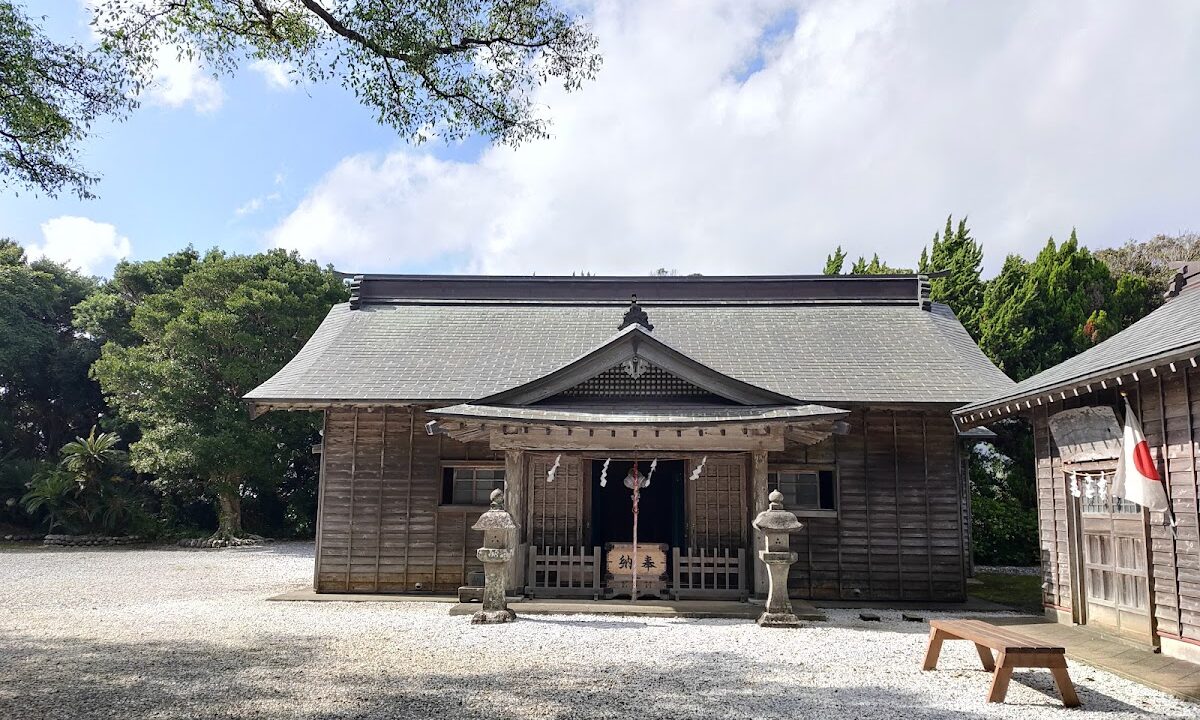
Ubai Hōmei Shrine (Hachijōjima, Tokyo) Complete Guide | History, Deities, Access, and Highlights Explained in Detail
Ubai Hōmei Shrine, located in Ōgagō, Hachijō-machi, Hachijōjima, Tokyo, is a shrine deeply revered by local residents as the guardian shrine of Hachijōjima, Hachijōkojima, and Aogashima. It holds the status of a Shikinaisha (a shrine listed in the Engishiki, an ancient Japanese legal code) and is known as a historically significant shrine that enshrines the gods appearing in the creation myths of the Izu Islands.
This article comprehensively explains everything you need to know before visiting Ubai Hōmei Shrine, from its historical background and the origins of its deities to its highlights and access methods.
Basic Information on Ubai Hōmyō Shrine
Location: 660-1 Ōgagō, Hachijō-machi, Hachijōjima, Tokyo 100-1401
Phone Number: 04996-2-1440
Annual Festival Date: November 13th
Shrine Rank: Former Village Shrine, Shikinaisha (Shrine listed in the Engishiki)
Deities Enshrined:
- Ubai no Ōkami
- Hōmyōjin
Ubai Hōmyō Shrine is located in Ōsato, Ōgagō district, the central settlement of Hachijōjima, and stands amidst a historical landscape with traditional stone walls.
History and Origins of Ubai Hōmyō Shrine
Origin and Mythology of its Founding
It is said that Ubai Hōmyō Shrine was founded during the Heian period. This shrine was established to enshrine deities deeply involved in the creation myths of the Izu Islands. According to mythology, the shrine’s origins lie in the enshrinement of Yasoyaehime, the consort of Kotoshironushi-no-Mikoto (who is said to have created the Izu Islands), and their son, Kohōmaru. Yasoyaehime is also known as “Inahae-go” and is enshrined as Ubai-no-Mikoto. Kohōmaru is also called “Goro-no-Ōji” and is enshrined as Koshiki-no-Mikoto.
Status as a Shikinaisha Shrine
Ubai Hōmyōjin Shrine holds the status of a Shikinaisha shrine, as it is listed in the Engishiki Jinmyōchō (a list of shrines compiled in the Heian period). Specifically, it is believed that the current Ubai Hōmyōjin Shrine was formed by the merger of two previously separate Shikinaisha shrines: “Ubai-no-Mikoto Shrine” and “Koshiki-no-Mikoto Shrine.”
This joint enshrinement resulted in the mother goddess and child god being worshipped in a single shrine, establishing its position as the guardian shrine of Hachijojima, Hachijokojima, and Aogashima. During the Edo period, it served as the center of faith for the islanders, enshrining the consort and prince of “Mishima-no-kami” (the island god).
Developments since the Modern Era
Under the Meiji era’s shrine ranking system, it was ranked as a Gosha (village shrine), positioning it as a central shrine in the region. After World War II, it became a religious corporation, and to this day, it continues to attract the faith of local residents as a spiritual pillar of Hachijojima.
About the Enshrined Deity
Ubai-no-Okami
Ubai-no-Okami is a deified form of Yasohachihime (Ubai-no-Mikoto), the consort of Kotoshironushi-no-Mikoto. While “Ubai” is a Buddhist term meaning lay female believers, in this shrine it has been used as a divine name since ancient times.
As a mother goddess, she is believed to bestow blessings for child-rearing, safe childbirth, and family safety, and has particularly garnered deep devotion from the island’s women.
Hōmei-no-kami
Hōmei-no-kami is the deity enshrined as Kohōmaru (Koshiki-no-mikoto). Also known as “Prince Gorō,” he is said to be the child of Kotoshironushi-no-mikoto and Yasohachihime.
He is believed to bestow blessings for the prosperity of descendants, the healthy growth of children, and academic success, and is worshipped as a god who watches over the growth of the island’s children.
Highlights of the Shrine Grounds
Beautiful Approach
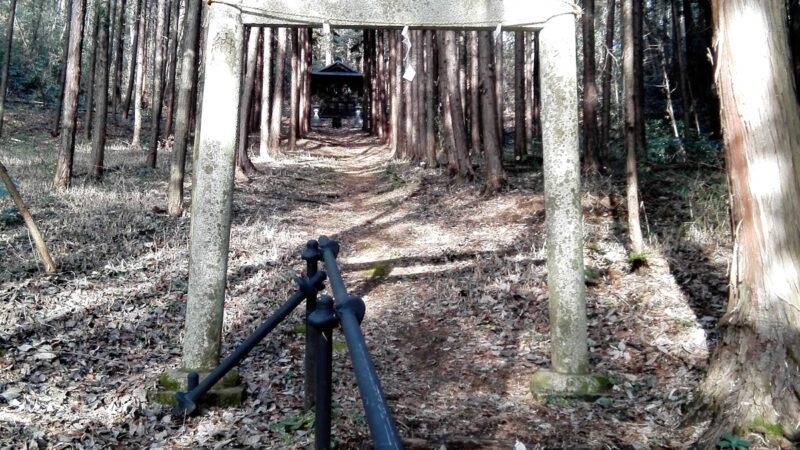
The approach to the Ubai Hōmei Shrine boasts a distinctive landscape that visitors describe as “beautiful.” Surrounded by vegetation unique to Hachijōjima, the approach creates a unique atmosphere where subtropical nature and the tranquility of the sacred site harmonize.
Along the approach, traditional Hachijōjima stone walls can also be seen, preserving the historical landscape. The stone walls of the Osato district are a testament to traditional stonework techniques dating back to the Edo period, adding historical depth to the landscape surrounding the shrine.
Christian Lanterns (Oribe Lanterns)
One of the most notable features of the shrine grounds is a pair of stone lanterns placed within the fence to the left of the main hall. These lanterns are called “Christian lanterns” or “Oribe lanterns,” and they are short and have a distinctive shape.
Christian lanterns are a style of lantern used in tea gardens, favored by Furuta Oribe, a daimyo known for his Christian faith, during the early Edo period. They sometimes feature cross-like designs or sculptures of religious images on the shaft. While it’s uncertain whether the lanterns at Upai Hōmyō Shrine are directly related to Christian faith, considering that Hachijōjima was an island of exiles during the Edo period, and that Christians may have been among them, they are historically interesting artifacts.
Atmosphere of the Shrine and Grounds
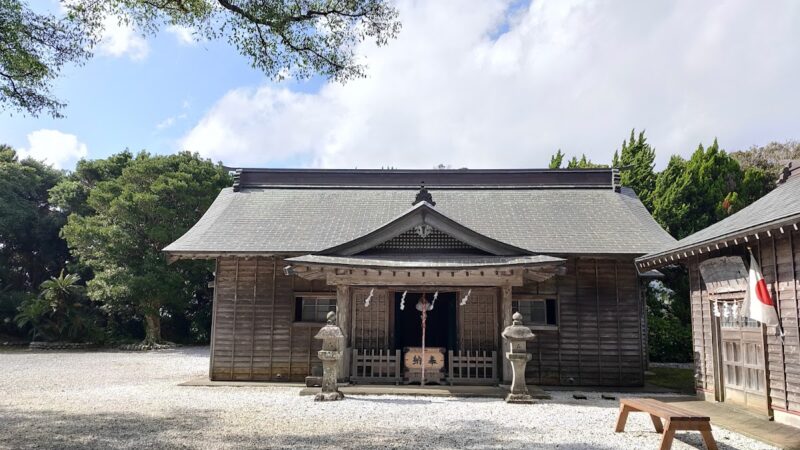
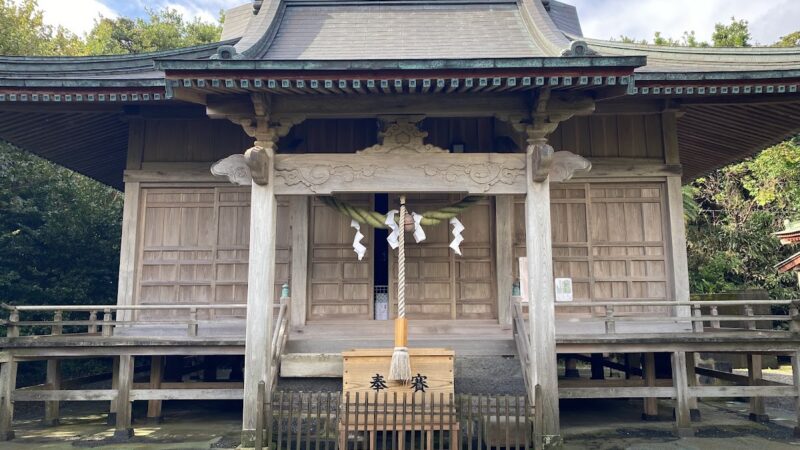
The shrine is built in the traditional style of Shinto shrine architecture, and the well-maintained and clean grounds are impressive. Many visitors comment on the “excellent cleanliness,” “sense of nature,” and “power spot atmosphere,” creating a space where the purity of a sacred area harmonizes with the rich nature of Hachijojima.
The grounds are lush with trees, including the sacred tree, showcasing the vegetation unique to a subtropical island. The quiet and peaceful atmosphere provides an environment for leisurely worship.
Annual Festival and Events
The annual festival of Ubai Hōmyō Shrine is held every year on November 13th. This festival is one of Hachijojima’s important annual events, attracting many worshippers from both within and outside the island.
During the festival, traditional Shinto rituals are solemnly performed, and prayers are offered for the peace and prosperity of the region and the happiness of the islanders. As the guardian shrine of Hachijojima and Aogashima, the festival is an important opportunity to reaffirm the spiritual unity of the entire island.
Access Methods
Access to Hachijojima Island
Airplane:
- Approximately 55 minutes from Haneda Airport to Hachijojima Airport
- ANA (All Nippon Airways) operates 3 flights daily (may vary seasonally)
Ferry:
- Tokai Kisen operates from Takeshiba Pier to Hachijojima Island
- Travel time: Approximately 10 hours 20 minutes (overnight service)
From Hachijojima Airport to Ubai Hōmyō Shrine
Taxi:
- Approximately 10 minutes from Hachijojima Airport
- Fare: Approximately 1,500 yen
Town Bus:
- Get off at the “Ōsato Shōten-mae” bus stop, approximately 2 minutes on foot
- Since the number of buses on Hachijojima Island is limited, it is recommended to check the timetable in advance.
Rental Car:
- Several rental car companies are located around the airport
- Renting a car is convenient for enjoying sightseeing on Hachijojima Island
- There is parking space at the shrine
Nearby Tourist Spots
The Osato Stone Wall
Located very close to the Ubai Hōmyō Shrine is the Osato Stone Wall, a representative historical landscape of Hachijōjima Island. Built using traditional stone-stacking techniques dating back to the Edo period, this stone wall has a unique appearance, constructed from stacked round stones, and is recognized as an important cultural landscape.
Visiting this historical streetscape in conjunction with a visit to the shrine will allow you to gain a deeper understanding of Hachijōjima’s traditional culture.
Hachijōjima Historical and Folk Museum
Located about a 5-minute drive from the shrine, the Hachijōjima Historical and Folk Museum offers insights into Hachijōjima’s history, culture, and the history of exiles. A visit is recommended to gain a deeper understanding of the historical background of the Ubai Hōmyō Shrine.
Highlights of the Ōgagō District
The Ōgagō district, where the Ubai Hōmyō Shrine is located, is the central settlement of Hachijōjima Island, with many shops and restaurants. You can enjoy dishes made with local ingredients and visit workshops producing Kihachijo (silk fabric), a specialty of Hachijojima Island.
Points and Manners for Visiting the Shrine
Etiquette for Visiting the Shrine
When visiting Ubai Hōmyō Shrine, follow the general etiquette for visiting a shrine:
- Bow before passing through the torii gate
- Avoid walking in the center of the path (the center is considered the path of the gods)
- Cleanse your hands and mouth at the water basin
- Bow twice, clap twice, and bow once in front of the main hall
Photography
Photography is generally permitted on the shrine grounds, but it is considered good manners to refrain from taking pictures inside the shrine buildings and in sacred areas. When photographing cultural artifacts such as Christian lanterns, do so with respect.
Clothing
There are no specific dress code requirements, but it is desirable to wear clothing that is appropriate for a sacred place like a shrine. Although Hachijojima Island has a warm climate, it is recommended to avoid revealing clothing when visiting the shrine.
Hachijojima Island Sightseeing and Shrine Visit Plan
Half-Day Plan
- Morning: Arrive at Hachijojima Airport
- Visit Ubai Hōmyō Shrine (30 minutes)
- Stroll through the stone walls of Ōsato (30 minutes)
- Visit the Hachijojima Historical and Folk Museum (1 hour)
- Lunch: Restaurant in Ōgagō area
Full-Day Plan
In addition to the above half-day plan:
- Climb Mount Hachijo-Fuji or stroll through Uramigataki Waterfall
- Hot springs (e.g., Miharashi-no-Yu)
- Enjoy the sunset over Hachijojima Island
The Charm of Ubai Hōmyō Shrine
The greatest charm of Ubai Hōmyō Shrine is that it is a sacred space where the history and culture of Hachijojima Island are condensed. As a shrine dedicated to the gods appearing in the creation myths of the Izu Islands, it has played a central role in the island’s spiritual culture.
The shrine’s status as a Shikinaisha (a shrine listed in the Engishiki, an ancient Japanese legal code), its historical Christian lanterns, its beautiful approach and well-maintained grounds, and its environment surrounded by the rich natural beauty of Hachijojima Island—all of these elements harmonize to leave a profound impression on visitors.
Many visitors report feeling a “power spot” atmosphere at Ubai Hōmyōjin Shrine, a special spiritual energy permeating the place. The experience of peacefully visiting this quiet shrine on a remote island, far from the hustle and bustle of city life, is a precious and rare experience.
Role as the Guardian Shrine of Hachijojima Island
Ubai Hōmyōjin Shrine plays a vital role in the local community as the guardian shrine of a wide area encompassing Hachijojima, Hachijōkojima, and Aogashima. As a spiritual pillar for the islanders, it is a shrine visited at various milestones in life, and is used for various life rituals such as first shrine visits, Shichi-Go-San (a traditional rite of passage for children), exorcisms, and weddings.
Given its geographical location on a remote island, the shrine holds more than just a religious facility; it symbolizes the unity of the community. Annual events, including the annual festival, are precious opportunities for islanders to gather together and serve as venues for the transmission of traditional culture.
Notes for Visitors
Climate and Clothing
Hachijojima has a mild climate, but due to its oceanic climate, weather changes can be sudden. Please note the following when visiting:
- Carry rain gear
- Bring a hat and sunscreen as the sun is strong
- Wear comfortable walking shoes
Opening Hours
While Ubai Hōmyō Shrine is generally open for free visits during the day, the shrine office has limited operating hours. If you wish to receive a Goshuin (shrine stamp) or would like more detailed information, it is recommended to call in advance.
Transportation on the Island
Public transportation on Hachijojima is limited, so it is recommended to consider renting a car or bicycle. Taxis are also available, but it is advisable to book in advance.
Summary
Ubai Hōmyō Shrine is a historic shrine located on Hachijōjima Island in Tokyo. It is the guardian shrine of Hachijōjima and Aogashima islands, and is revered by the local community. As a venerable shrine dedicated to the consort and prince of Kotoshironushi-no-Mikoto, it is a valuable place that conveys the mythology and history of the Izu Islands.
The beautiful approach to the shrine, the historical Christian lanterns, the well-maintained grounds, and the environment surrounded by Hachijōjima’s rich nature leave a deep impression on visitors. When sightseeing on Hachijōjima, be sure to visit this sacred place and experience the island’s history and culture.
Spending time at this quiet shrine on a remote island, far from the hustle and bustle of the city, will be a valuable opportunity to calm your mind and reflect on yourself. We hope that your visit to Ubai Hōmyō Shrine will make your trip to Hachijōjima richer and more meaningful.