Hotori Shrine (Miyakejima, Tokyo) Complete Guide | History and Access to the Mysterious Shrine Dedicating a Volcano
Hotori Shrine, located on Miyakejima Island in the Izu Islands, approximately 180km from the mainland despite being part of Tokyo, is a unique shrine that attracts the faith of the islanders who live in harmony with volcanic activity. This article provides a detailed explanation of this shrine, which has the unusual origin of worshipping a volcanic vent as a deity, from basic information and historical background to how to worship and surrounding information.
Basic Information about Hotori Shrine
Location and Access
Location
〒100-1211 Ako, Miyake Village, Miyakejima, Tokyo
Hotori Shrine is located in the Ako district in the southwestern part of Miyakejima Island. It is within walking distance of Sabigahama Port and is located along the Miyakejima Island Ring Road (Tokyo Metropolitan Road 212), making it easily accessible by car or motorcycle. A small staircase leading up to the shrine is located beside the road and is easy to miss, so please be careful.
Access to Miyakejima Island
- Ferry Service: Large passenger ships or high-speed jet ferries operated by Tokai Kisen depart from Takeshiba Pier (Travel time: Large passenger ship approximately 6 hours 30 minutes, high-speed jet ferry approximately 3 hours)
- Air Route: Small aircraft operated by Shin Chuo Aviation depart from Chofu Airport (Travel time: approximately 50 minutes)
After arriving at Miyakejima Island, you can reach the shrine by rental car, rental motorbike, or island bus. It’s also about a 10-15 minute walk from Sabigahama Port.
Basic Shrine Data
- Official Name: Hotori Shrine
- Pronunciation: Hotori Jinja (Some sources also say “Hitoyori Jinja”)
- Corporate Number: 7010005009475
- Deity Enshrined: Kagutsuchi-no-kami
- Shrine Rank: Village Shrine
- Annual Festival Day: Once a year (For details, please inquire with the Miyake Village Tourism Association or local residents)
History and Origin of Hotori Shrine
Volcanic Worship and the Origin of the Shrine
The most distinctive feature of Hotori Shrine lies in its volcanic worship, as reflected in its name and enshrined deity. Miyakejima is a volcanic island centered around the active volcano Oyama, and has a long history intertwined with eruptions.
The “Hotori” or “Hodo” in the shrine’s name “Hotori” means eruption vent in the Miyakejima dialect. This shrine is specifically believed to enshrine the Koshikiyama crater located on the western side of the island, and is thought to have been founded as a place to pray for the pacification of the volcano and the safety of the islanders.
About the enshrined deity, Kagutsuchi-no-kami
Kagutsuchi-no-kami, enshrined at Hitogori Shrine, is the god of fire in Japanese mythology. According to the Kojiki and Nihon Shoki, he is a god born to Izanagi-no-mikoto and Izanami-no-mikoto, and is also known as Honoyagihayao-no-kami and Honokagabiko-no-kami.
His mother, Izanami-no-mikoto, has a tragic birth myth in which she is said to have died from burns sustained while giving birth to Kagutsuchi-no-kami. However, as the god of fire, he was widely worshipped as the god of ironmaking, pottery, and hearths, and especially in volcanic areas, he was revered as an object of prayer for the calming of volcanoes.
On volcanic islands like Miyakejima, worshipping the god of fire was an important religious practice directly linked to the lives and safety of the islanders.
Volcanic History of Miyakejima and the Role of the Shrine
Miyakejima has a history of repeated eruptions dating back approximately 2,500 years, and has experienced large-scale eruptions in modern times alone: 1940, 1962, 1983, and 2000. The 2000 eruption, in particular, resulted in an island-wide evacuation that lasted for more than four years, severely impacting the lives of the islanders.
Throughout this history of volcanic activity, the Hitoyori Shrine has played a crucial role as a spiritual pillar for the islanders and as a place to pray for the calming of volcanoes. The wisdom and faith of the islanders, who sanctified the crater itself and sought to coexist with the fury of nature by worshipping the god of fire, are condensed in this small shrine.
Grounds and Highlights of Hitoyori Shrine
Grounds
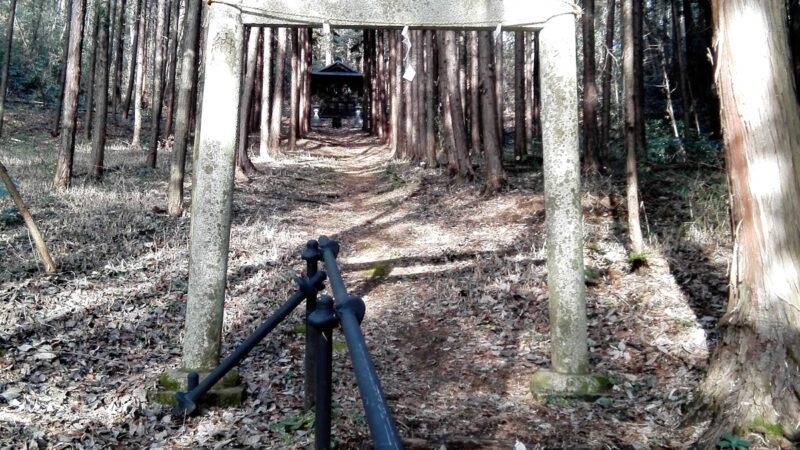
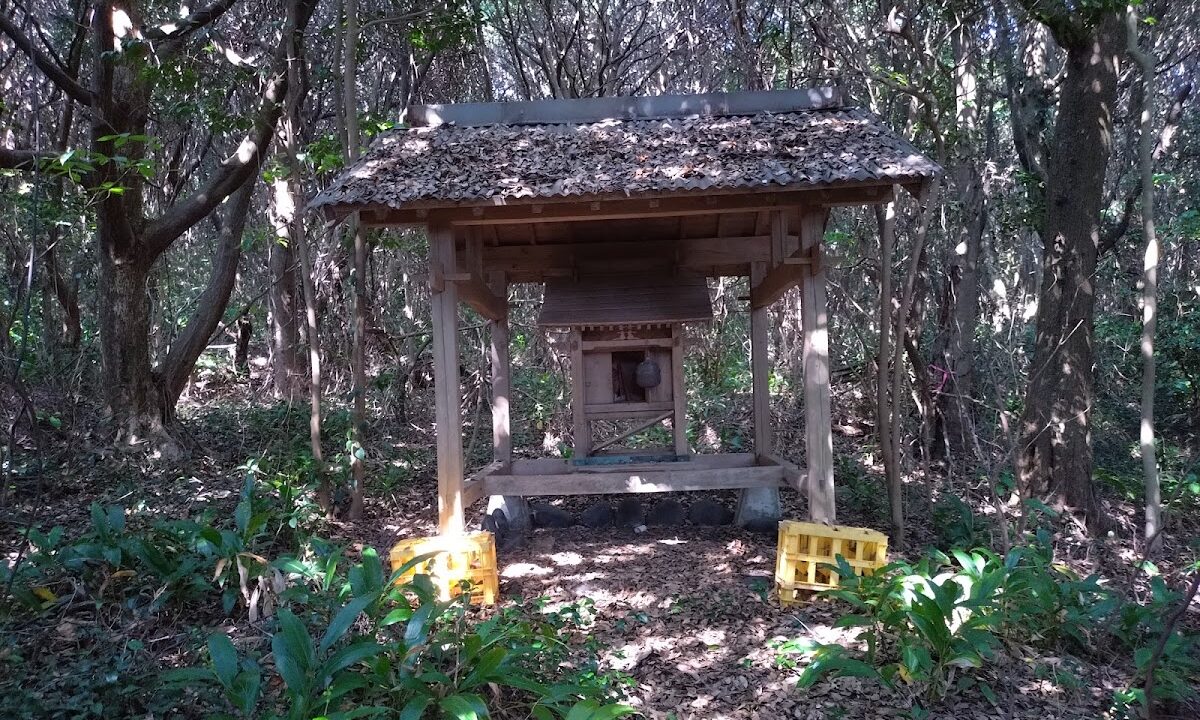
Hitoyori Shrine is located on a small hill along Tokyo Metropolitan Road 212, and is accessed by climbing stone steps from the road. The grounds themselves are not particularly large, but they exude a simple and tranquil atmosphere.
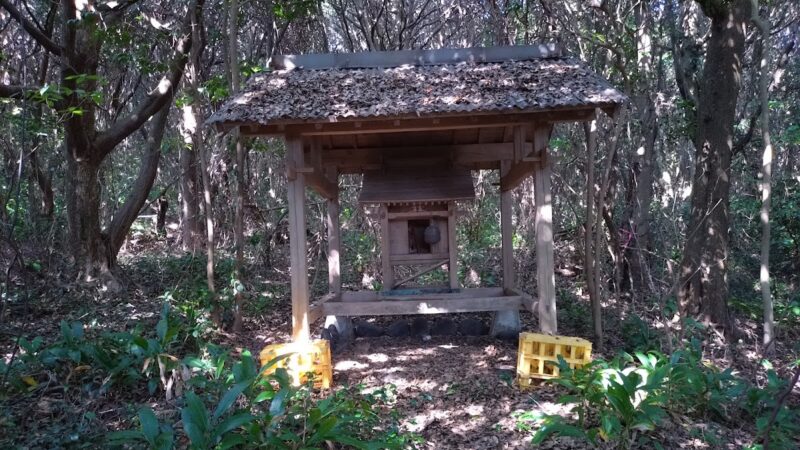
The shrine building is a small wooden structure, without elaborate decorations, but it is meticulously maintained. The surrounding area is home to vegetation unique to Miyakejima Island, including plants adapted to the volcanic ash soil.
Points to Note When Visiting Hitoyori Shrine
When visiting Hitoyori Shrine, please note the following points:
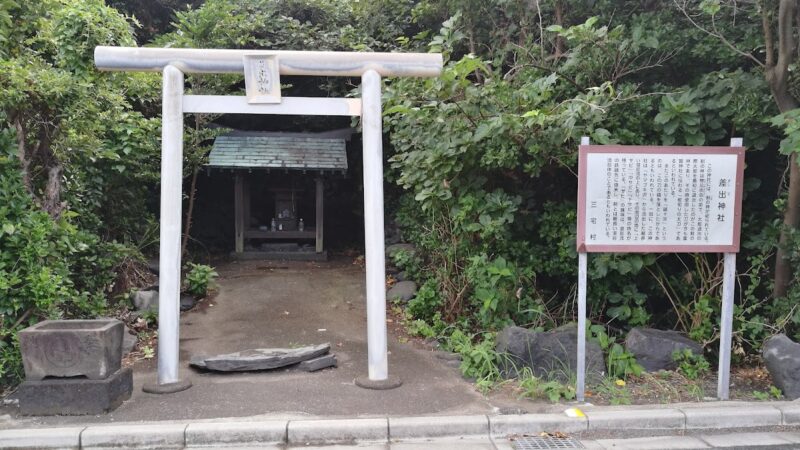
- Shrine Location: It’s along the metropolitan road, but a small staircase and torii gate are the landmarks. Look carefully as it’s easy to miss.
- Worship Manners: As with general shrine visits, bow before passing through the torii gate, and if there is a water basin, purify your hands and mouth.
- Offering: Place your offering in the offering box in front of the shrine and pray using the two bows, two claps, and one bow ritual.
- Photography: Photography is permitted on the shrine grounds, but please remember that this is a sacred place and take pictures with respect.
Surrounding Volcanic Topography
Behind the shrine lies the volcanic topography of Miyakejima Island, offering views towards Mount Koshiki. If the weather is good, you can see the scenery towards the crater worshipped at the shrine, allowing for a deeper understanding of the meaning of volcanic worship.
Other Shrines and Temples on Miyakejima Island
When visiting Hitokichi Shrine, visiting other religious sites on Miyakejima Island will provide a deeper understanding of the island’s religious culture.
Major Shrines on Miyakejima Island
- Shiitori Shrine: The main guardian shrine of Miyakejima Island and the largest shrine on the island. A grand annual festival is held every July.
- Fuka Shrine: Located in the Tsubota district, this shrine is revered by fishermen who pray for safety at sea.
- Mishaku Shrine: Situated in the Izu district, it is worshipped as the guardian deity of the region.
These shrines, while distinct from the Hitoyori Shrine, are important in shaping Miyakejima’s religious culture. When exploring the island, it’s recommended to pay your respects while appreciating the unique characteristics of each shrine.
Tourist Spots Around Hitoyori Shrine
Sabigahama Port
This is the closest port to Hitoyori Shrine, within walking distance. It functions as one of Miyakejima’s gateways, offering views of ships arriving and departing. There are shops and restaurants around the port where you can enjoy dishes made with the island’s seafood.
Lava Flow Remains in the Ako District
The Ako district suffered significant damage in the 1983 eruption. Traces of the lava flow from that time still remain, offering a glimpse into the reality of a volcanic island. This is a spot where you can truly experience the meaning of the volcanic worship at Hitoyori Shrine.
Miyakejima Nature Interaction Center & Akakokko Hall
This facility allows you to learn about Miyakejima’s nature and wild birds. It’s particularly popular as a base for observing wild birds, including the endemic Akakokko (Japanese Robin). It’s about a 10-minute drive from Hitoyori Shrine.
Izu Cape & Megane-iwa (Spectacle Rock)
A scenic spot at the southern tip of Miyakejima, the “Megane-iwa” (Spectacle Rock), formed by a sea cave, is one of the island’s symbols. It’s ideal to visit as part of your island sightseeing after visiting Hitoyori Shrine.
Accommodation and Transportation on Miyakejima
Accommodation
Miyakejima has many guesthouses and pensions, offering attractive cuisine using local ingredients and warm hospitality. There are also accommodations around the Ako district where Hitoyori Shrine is located.
Advance reservations are recommended. Especially during peak tourist season and weekends, accommodations can fill up quickly, so early booking is important.
Transportation Options on the Island
- Rental Car: Offers the most freedom and is convenient for visiting shrines and sightseeing.
- Rental Bike/Bicycle: Allows you to experience the island’s atmosphere while traveling.
- Village Bus: While the number of services is limited, it connects major tourist destinations.
- Taxis: Several taxis operate on the island, but advance reservations are recommended.
Hitoyori Shrine is located along the metropolitan road, making it easily accessible by any mode of transportation.
Tips for Visiting Hitoyori Shrine
Precautions Unique to a Volcanic Island
Miyakejima is an active volcano, and the following points should be noted when visiting:
- Volcanic Gas: Volcanic gas is still being emitted from Mt. Oyama. Entry to high-concentration areas is restricted on days with high gas concentrations.
- Carry a Gas Mask: Carrying a gas mask is recommended on the island as a precaution (available for rent at accommodations).
- Weather Information: Due to volcanic activity and weather conditions, ferry and air services may be cancelled. Please plan your itinerary with some flexibility.
Consideration for Island Residents
Hitoyori Shrine is a place of worship for the local community. When visiting as a tourist, please be considerate of the following:
- Do not make loud noises
- Always take your trash with you
- Do not trespass on private property
- Be sure to greet local residents
The island residents, living in a harsh environment alongside the volcano, warmly welcome visitors. It is important to reciprocate their kindness with polite behavior.
Annual Events and Festivals of Miyakejima Island
Miyakejima Island holds various festivals and events throughout the year. The annual festival of Hitoyori Shrine, though small in scale, is carefully preserved by the local residents.
The largest festival on the island is the annual festival of Shiitori Shrine, held in July. It features a portable shrine procession and the dedication of traditional performing arts, and the entire island is enveloped in the festive atmosphere. Visiting Miyakejima during this time will allow you to experience its religious culture more deeply.
Reflecting on Coexistence with Volcanoes Through a Visit to Hitoyori Shrine
Hitoyori Shrine is not merely a tourist spot; it is a place filled with the prayers and wisdom of people who live in harmony with the volcano. The belief in worshipping the crater as a deity and praying to the fire god for safety reflects the islanders’ attitude of accepting and coexisting with the threats of nature, even while fearing them.
Knowing Miyakejima’s history, including its recovery from the 2000-year-old island evacuation, will allow you to appreciate the meaning embedded in this small shrine even more deeply. Away from the hustle and bustle of the city, this remote island offers a quiet time to reflect on the relationship between nature and humanity.
Summary: A Recommendation to Visit Hitoyori Shrine
Hitoyori Shrine is a valuable shrine that conveys the unique volcanic faith of Miyakejima, an island within Tokyo with an environment completely different from the mainland. Access requires time and expense, but it offers a special experience unlike any other.
When visiting Miyakejima Island, be sure to stop by Hitogori Shrine and experience its unique faith of worshipping volcanic vents. The island’s rich natural beauty, the warm interactions with its inhabitants, and the opportunity to reflect on the meaning of living in harmony with the volcano will surely create lasting travel memories.
Before visiting, we recommend checking the latest information on the Miyake Village Tourism Association and the Tokyo Metropolitan Shrine Association websites and planning your itinerary with safety in mind. Enjoy a peaceful time of prayer at Hitogori Shrine while adhering to the precautions unique to a volcanic island.