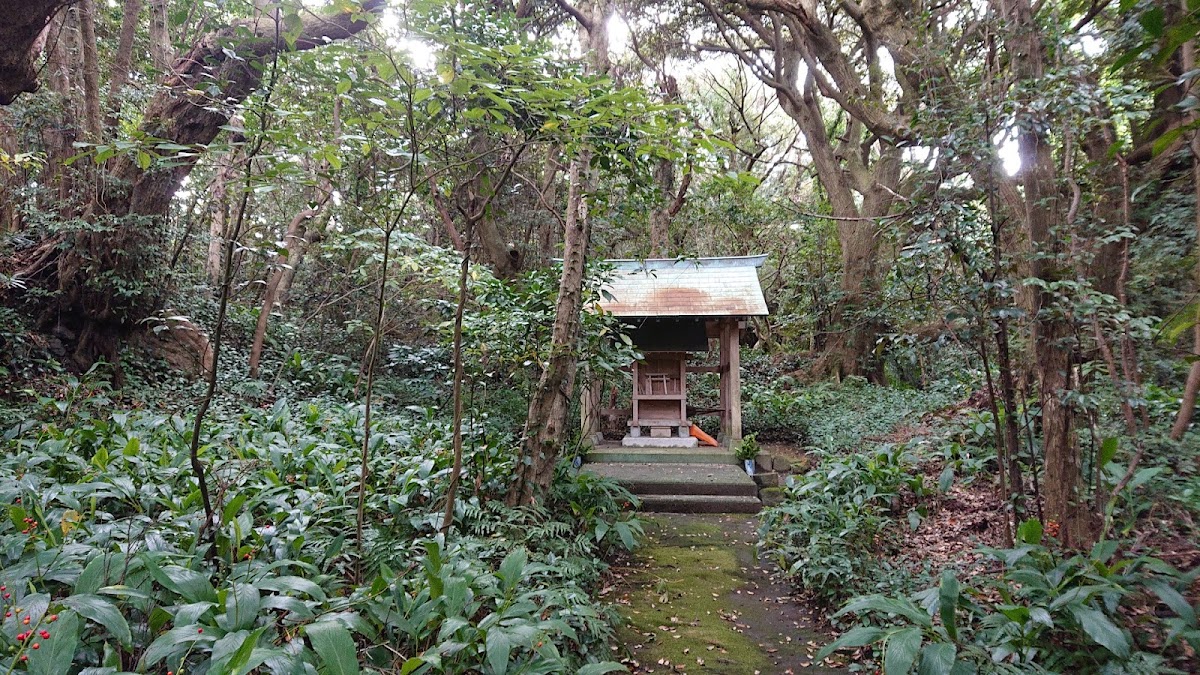
Hikawa Shrine (Bunkyo Ward, Tokyo) | Complete Guide to Goshuin (Shrine Seals), Access, and History
Hikawa Shrine, located in Sengoku, Bunkyo Ward, Tokyo, is one of Tokyo’s oldest shrines, said to have been founded during the reign of Emperor Kōshō, the 5th emperor. This guide provides a detailed overview of the shrine, which has long been cherished by the local community as the guardian shrine of the former Koishikawa Village, including its history, enshrined deities, visiting information, and access methods.
Basic Information about Hikawa Shrine
Location: 2-10-10 Sengoku, Bunkyo-ku, Tokyo
Phone Number: 03-3941-4065
Main Deities: Susanoo-no-Mikoto, Inada-hime-no-Mikoto, Ōnamuchi-no-Mikoto
Former Shrine Rank: Village Shrine
Annual Festival Date: September 15th
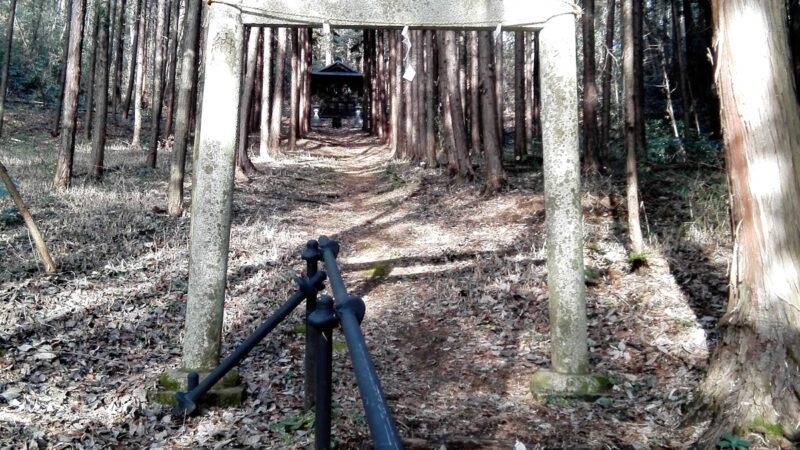
Hikawa Shrine, also written as “Hikawa Shrine,” is one of the shrines of the Hikawa faith, widely worshipped mainly in Musashi Province. Despite being located in the heart of Tokyo’s Bunkyo Ward, it stands quietly in a residential area, serving as a spiritual haven for local residents.
History and Origins of Hikawa Shrine
From Founding to the Edo Period
Hikawa Shrine has an extremely long history, said to date back to the reign of Emperor Kōshō (around the 5th century BC). Initially, it was situated on a burial mound near Gotenzaka, east of the present-day Koishikawa Botanical Garden. This location suggests that the area was revered as a sacred site from ancient times.
In 1652 (Shōō 1), with the construction of the Hakusan Palace by the Tokugawa Shogunate, the shrine was relocated to Haramachi (near present-day Hakusan, Bunkyo Ward). This was an event that occurred during the Edo period, when many temples and shrines were forced to relocate due to urban development.
Later, in 1699 (Genroku 12), a scenic location was chosen, and the shrine was relocated again to its current location in Sengoku 2-chome. This location is on a hill and is recorded as having once offered excellent views of the surrounding area.
History Since the Meiji Era
Following the Meiji-era separation of Shinto and Buddhism, Hikawa Shrine was elevated to the rank of a village shrine. As the guardian shrine of the former Koishikawa Village, it has played a vital role as a spiritual pillar of the community.
During the Great Tokyo Air Raid of 1945, Bunkyo Ward suffered significant damage, but Hikawa Shrine escaped the ravages of war and retains the appearance of its Edo-period shrine buildings to this day. Even after the war, it continues to welcome many worshippers as the local guardian deity.
Deities and Divine Virtues
Susanoo-no-Mikoto
The principal deity, Susanoo-no-Mikoto, is known in Japanese mythology as a brave god who slayed the Yamata no Orochi (eight-headed serpent). He is worshipped as a god of protection against misfortune, disaster, and matchmaking.
Inada-hime no Mikoto
She is the consort of Susanoo-no-Mikoto and the goddess who saved him from the Yamata no Orochi (eight-headed serpent). She is believed to bestow blessings of marital harmony, family safety, and safe childbirth.
Onamuchi no Mikoto
Another name for Okuninushi no Mikoto, he is known as the god of nation-building. He is believed to bestow blessings of business prosperity, abundant harvests, and matchmaking.
These three deities are widely enshrined in Hikawa Shrine lineage shrines and are revered as guardians of regional peace and the happiness of the people.
Highlights of the Shrine Grounds
Shrine Buildings
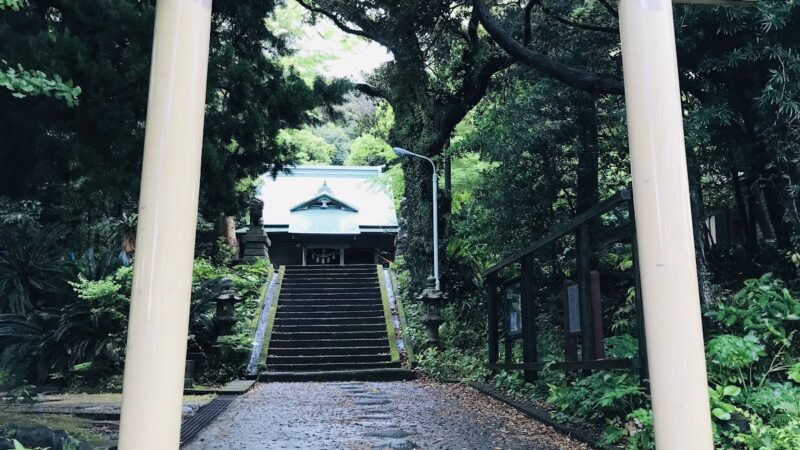
The current shrine buildings retain the style of the late Edo period. The wooden main hall is simple yet dignified. The worship hall was renovated after the war, but it retains the beauty of traditional shrine architecture.
Stone Structures
Several stone structures dating from the Edo to Meiji periods remain on the shrine grounds. The guardian lion-dogs, in particular, are estimated to have been dedicated during the Bunsei era (1818-1830) and are of high historical value.
Sacred Tree
The shrine grounds feature a sacred tree estimated to be over 200 years old, maintaining lush greenery despite its urban location. The trees, displaying different appearances with each season, soothe the hearts of visitors.
Access and Transportation Information
Access by Train
Approximately 6 minutes on foot from Myogadani Station on the Tokyo Metro Marunouchi Line
Exit from Exit 1 of Myogadani Station and head north along Kasuga-dori. Turn right at the Sengoku 1-chome intersection and proceed through the residential area to reach Hikawa Shrine. The route from the station is flat and easily accessible.
Approximately 8 minutes on foot from Sengoku Station on the Toei Mita Line
Exit from Exit A1, head south along Shinobazu Street, and turn left at the Sengoku 2-chome intersection. Continue through the residential area and you will see the shrine.
Access by Bus
Approximately 2 minutes on foot from the Yudatezaka-shita bus stop (Toei Bus)
- Toei Bus Route 02 (Otsuka Station – Kinshicho Station)
- Ueno Bus Route 58 (Ueno Matsuzakaya – Waseda)
The shrine is very close to the bus stop, making bus access convenient.
Access by Car
Approximately 10 minutes from the Gokokuji Exit of the Metropolitan Expressway Route 5 Ikebukuro Line
Parking: There is parking space for visitors on the shrine grounds, but spaces are limited, so we recommend using public transportation.
Map of the Area
Hikawa Shrine is located in a quiet residential area of Sengoku, Bunkyo Ward. Nearby attractions include Koishikawa Botanical Garden and Rikugien Garden, making a visit to the shrine combined with a stroll highly recommended.
Goshuin (Shrine Seal) Information
Goshuin Reception
Hikawa Shrine offers goshuin (shrine seals). However, since there may not always be a resident priest, it is recommended to call ahead to confirm if you wish to receive a goshuin.
Reception Hours: Approximately 9:00 AM to 5:00 PM (approximate)
Offering Fee: Approximately 300-500 yen
The goshuin will feature the calligraphy of “Hikawa Shrine” and the shrine’s seal. It is characterized by a simple yet powerful calligraphy style.
About Goshuincho (Shrine Seal Books)
For information on the distribution of original goshuincho, please inquire at the shrine office.
Annual Events
Grand Festival (September 15th)
This is the most important festival of Hikawa Shrine. The festival features a procession of portable shrines and devotional performances, making it a lively event where local people gather.
First Shrine Visit of the Year (January 1st-3rd)
Many worshippers visit the shrine to welcome the new year. It is bustling with people praying for protection from evil and for the safety of their families.
Setsubun Festival (February 3rd)
Beans are scattered, and prayers are offered for good health throughout the year.
Summer Purification Ceremony (June 30th)
A Shinto ritual to purify oneself of sins and impurities accumulated over the past six months and pray for safety in the remaining half of the year.
Year-End Purification Ceremony (December 31st)
A Shinto ritual to purify oneself of sins and impurities accumulated over the past year and to welcome the new year with a pure heart.
Manners and Etiquette for Visiting a Shrine
Basic Shrine Visit Etiquette
- Bow Before Passing Through the Torii Gate
Bow slightly before entering the sacred area.
- Purify at the Water Basin
Purify your left hand, then your right hand, and rinse your mouth with water in your left hand.
- Worship at the Main Hall
Worship using the two bows, two claps, and one bow ritual.
- Bow Upon Exit
Bow once before leaving the torii gate.
Attire for Visiting a Shrine
There are no specific dress code requirements, but please wear clean clothing that is respectful to the gods.
Nearby Attractions
Koishikawa Botanical Garden (approximately 15-minute walk)
This is one of Japan’s oldest botanical gardens, attached to the Graduate School of Science, University of Tokyo. Enjoy plants of all seasons.
Rikugien Garden (approx. 20-minute walk)
This strolling garden with artificial hills and ponds was built by Yanagisawa Yoshiyasu, a close advisor to Tokugawa Tsunayoshi, the fifth shogun, and is designated as a National Special Place of Scenic Beauty.
Toyo Bunko Museum (approx. 15-minute walk)
A specialized library and research institute for Oriental studies, exhibiting valuable ancient books and materials.
Gokoku-ji Temple (approx. 15-minute walk)
The head temple of the Buzan branch of Shingon Buddhism, built by Tokugawa Tsunayoshi, the fifth shogun, at the behest of his mother, Keishoin.
Hikawa Shrine and Hikawa Faith
Hikawa Shrine, also written as “Hikawa Jinja,” is one of the shrines of the Hikawa faith, which is mainly distributed in Musashi Province. The head shrine of the Hikawa faith is Musashi Ichinomiya Hikawa Shrine in Saitama City, Saitama Prefecture, and many Hikawa shrines are located in Tokyo, including Akasaka Hikawa Shrine.
The name “Hikawa” is said to originate from the Hiikawa River, which flows through Izumo Province (present-day Shimane Prefecture), and is associated with the myth of Susanoo-no-Mikoto slaying the Yamata no Orochi (eight-headed serpent). Many Hikawa Shrines enshrine Susanoo-no-Mikoto as their main deity, based on this myth.
Shrines in Bunkyo Ward
Bunkyo Ward is home to many historical shrines, including Hikawa Shrine.
Hakusan Shrine
Located in Hakusan, Bunkyo Ward, it is known as a famous spot for hydrangeas. It is approximately a 15-minute walk from Hikawa Shrine.
Nezu Shrine
An ancient shrine said to have been founded by Yamato Takeru, it is also famous for its azaleas. The shrine buildings, designated as a National Important Cultural Property, are magnificent.
Yushima Tenmangu Shrine (Yushima Tenjin)
This shrine is dedicated to Sugawara no Michizane, the god of learning, and is bustling with many worshippers during exam season.
A “Bunkyo Ward Shrine Pilgrimage” visiting these shrines is a recommended course where you can experience history and culture.
The Four Seasons of Hikawa Shrine
Spring (March-May)
The cherry blossoms in the shrine grounds are in bloom, and the fresh greenery is beautiful. The spring festival is also held, allowing visitors to worship in a refreshing atmosphere.
Summer (June-August)
The lush green grounds become an oasis in the city. The summer purification ceremony involves passing through a ring of reeds.
Autumn (September-November)
The annual festival on September 15th is the highlight. The autumn leaves are beautiful, and visitors can worship in a tranquil atmosphere.
Winter (December-February)
New Year’s events such as Hatsumode (first shrine visit of the year) and Setsubun Festival continue. Visiting the shrine in the crisp, clear air is a truly solemn experience.
Contact Information
Hikawa Shrine Office
- Address: 2-10-10 Sengoku, Bunkyo-ku, Tokyo 112-0011
- Phone: 03-3941-4065
- Reception Hours: Approximately 9:00 AM – 5:00 PM (Staff may be absent)
For detailed information regarding prayers, Goshuin (shrine stamps), etc., please contact the shrine directly.
Summary
Hikawa Shrine is one of Tokyo’s oldest shrines, said to have been founded during the reign of Emperor Kōshō. Located in a quiet residential area of Sengoku, Bunkyo-ku, it has long been cherished by the local community as the guardian shrine of the former Koishikawa Village.
Located just a 6-minute walk from Myogadani Station on the Tokyo Metro Marunouchi Line, Hikawa Shrine boasts a tranquil grounds that offer a respite from the hustle and bustle of the city, making it an ideal place for peaceful worship. Visitors can also receive a Goshuin (shrine stamp), experiencing the history of Hikawa worship.
Visiting Hikawa Shrine in conjunction with nearby attractions such as Koishikawa Botanical Garden and Rikugien Garden will allow you to gain a deeper understanding of Bunkyo Ward’s history and culture. Please visit Hikawa Shrine to receive the divine blessings of its enshrined deities, including Susanoo-no-Mikoto.
This ancient shrine warmly welcomes visitors seeking various prayers, such as protection from evil, matchmaking, and family safety. Despite being in the heart of the city, Hikawa Shrine exudes a sense of history and is a precious place that teaches us, living in the modern age, the importance of traditional Japanese culture.