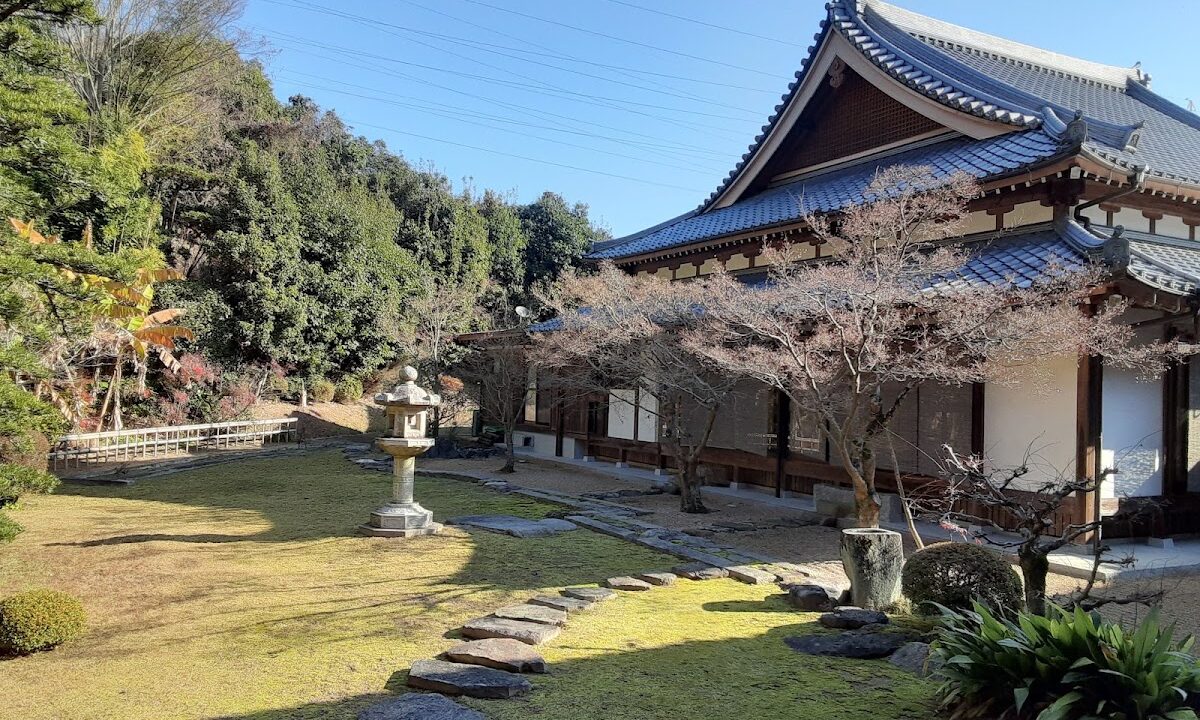
Complete Guide to Sorinji Temple (Ube City, Yamaguchi Prefecture): A Thorough Explanation of the Nationally Designated Scenic Spot, Ryushin Garden, and its History
Sorinji Temple, located in Ogushi, Ube City, Yamaguchi Prefecture, is an ancient Rinzai Zen temple with origins dating back to the Nara period, boasting the nationally designated scenic spot, Ryushin Garden. Known as the oldest garden in Yamaguchi Prefecture, it is a valuable cultural asset preserving rare garden design techniques, attracting many tourists and garden enthusiasts. This article provides a detailed explanation of everything about this renowned temple, from its history and the charm of Ryushin Garden to visiting information and surrounding tourist spots.
History of Sorinji Temple: A 1200-Year Story Continuing from the Nara Period
Founding as Fusaiji Temple (Nara Period)
The history of Sorinji Temple dates back to the 8th year of the Hoki era (777 AD). It was founded as Matsueyama Fusaiji Temple by the monk Iko (Iko), who came to Japan from Tang China. During the late Nara period, as Buddhist culture spread throughout Japan, the temple established in this area would go on to have a long history as a center of local faith.
Restoration as Sorinji Temple (Edo Period)
Over time, in the mid-Edo period, in 1670 (Kanbun 10), Fukuhara Hirotoshi (15th generation), a senior retainer of the Mori clan and lord of Ube, built Sorinji Temple on the site of the then-dilapidated Fusaiji Temple to pray for the repose of his father’s soul. Fukuhara Hirotoshi was a devout follower of Rinzai Zen Buddhism, and he restored this site to become a renowned Rinzai Zen temple. This restoration made Sorinji Temple a central figure in Zen Buddhism in the Ube region.
Modern Development and Reconstruction of the Main Hall
In 1968 (Showa 43), restoration work was carried out on the Ryushin Garden, and in 1983 (Showa 58), it was designated a National Place of Scenic Beauty. Furthermore, the main hall was rebuilt in 1998, resulting in its current form. Throughout its long history, despite undergoing several transformations, Sorinji Temple has continued to protect the local faith and culture.
Ryushin-tei Garden: Yamaguchi Prefecture’s Oldest Nationally Designated Scenic Garden
Characteristics of Yamaguchi Prefecture’s Oldest Garden
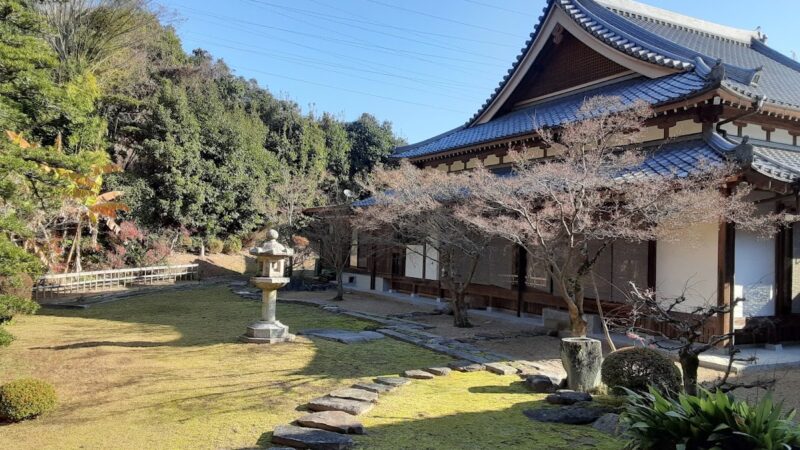
Located north of the main hall, Ryushin-tei Garden is the oldest garden in Yamaguchi Prefecture, built during the Nanboku-cho period (approximately 650 years ago). In “The System of Japanese Garden History,” a book by Shigemori Mirei, an authority on the history of Japanese gardens, it is definitively identified as a Kamakura period garden, and its historical value is considered extremely high.
Ryushin-tei Garden is a pond garden, employing a rare style—one of only two in Japan—that utilizes a mountainside (mountain slope). The combination of artificial hills and a pond beautifully expresses the typical garden design techniques of the Nanboku-cho period.
Rare “Tidal Flat Style” and “Night-Mooring Stones” in Japan
The most distinctive feature of Ryushin-tei Garden is its gardening technique called “Tidal Flat Style.” This method, which uses pebbles to create a shallow area of the pond resembling a tidal flat, is academically extremely valuable, existing only in ancient gardens at Motsuji Temple in Hiraizumi, Iwate Prefecture, and here at Sorinji Temple.
Furthermore, the garden features “Night-Mooring Stones,” a typical stone arrangement from the Nanboku-cho period. The combination of these elements conveys the high level of gardening technology of that era. The revetment stonework is also magnificent, and the harmony between the pond and the artificial hill creates a beautiful landscape.
Ryushin-tei Garden as a Famous Spot for Autumn Foliage
Ryushin-tei Garden displays beauty throughout the seasons, but it is especially spectacular during the autumn foliage season. The best time to see the leaves is from around mid-November, and the sight of the red and yellow trees reflected on the pond’s surface is truly picturesque. The contrast between the stonework from the Nanboku-cho period and the autumn foliage continues to captivate visitors.
Cultural Assets and Highlights of Sorinji Temple
18th Temple of the Kannon Pilgrimage
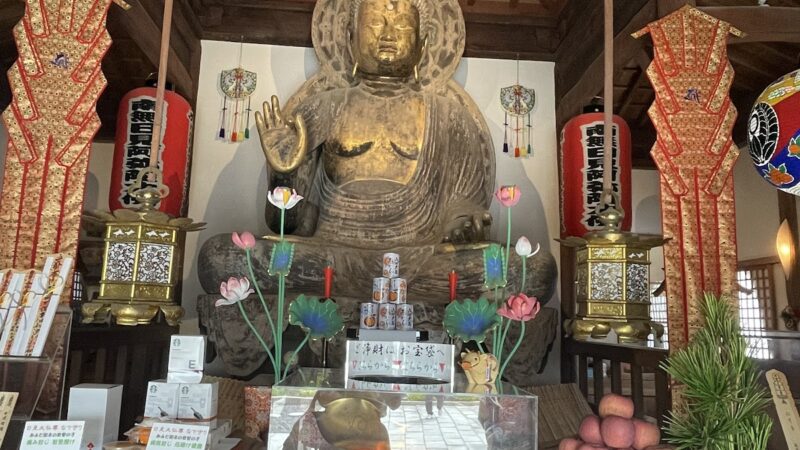
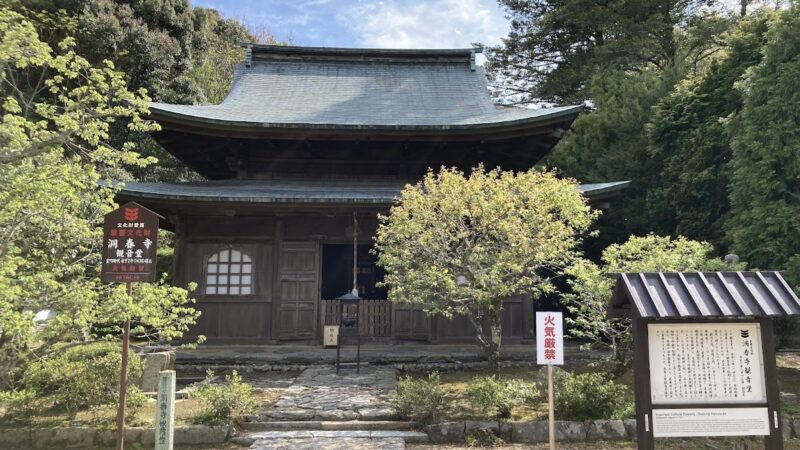
Sorinji Temple is the 18th temple of the Kannon Pilgrimage, and enshrines Nyoirin Kannon as its principal image. As a sacred site of Kannon worship, it attracts many worshippers and devotees. In the Kannon Hall, one can quietly offer prayers and find peace of mind.
Atmosphere of the Main Hall and Temple Grounds
Rebuilt in 1998, the main hall is a beautiful building constructed with modern techniques while adhering to the traditional Zen architectural style. The temple grounds have clean air and a comfortable atmosphere, offering visitors tranquility and peace.
Inside the main hall, a simple yet solemn space unfolds, reflecting the spirit of Rinzai Zen. The head priest is known for his friendly and approachable demeanor, and visitors can easily ask him questions about Buddhism and Zen.
Goshuin (Temple Stamp) Information
You can receive a Goshuin at Sorinji Temple. As the 18th temple on the Kannon Pilgrimage, the Goshuin is a precious memento for pilgrims. Goshuin are available at the main hall and are carefully written. Bringing your Goshuincho (stamp book) is recommended.
Zen Meditation Sessions and Training Experiences
Sunday Zen Meditation Sessions
Sorinji Temple regularly holds Zen meditation sessions that are open to beginners regardless of sect or faith. Zen meditation takes place every Sunday from 7:00 AM to 7:30 AM, followed by morning prayers. A tea ceremony (discussion) time is provided until 8:30 AM, allowing participants to interact with each other.
Early Morning Zen Meditation (Tuesday to Saturday)
Early morning Zen meditation is held from Tuesday to Saturday. The session begins with warm-up exercises at 6:30 AM, followed by Zen meditation until 7:00 AM, and then morning prayers. Practicing Zen meditation in the quiet hours of early morning allows you to start your day refreshed.
Significance of Zen Meditation
Rinzai Zen meditation is a valuable opportunity to confront oneself and calm the mind. By escaping the stresses of modern society and quietly focusing on your breath, you can regain inner peace. Even beginners will receive careful instruction, so those new to Zen meditation can participate with confidence.
Visiting Information and Access
Basic Information
Address: 210 Ogushi, Ube City, Yamaguchi Prefecture 755-0067
Sect: Rinzai Zen
Principal Image: Nyoirin Kannon
Admission Fee: Free (Garden viewing requires confirmation)
Visiting Hours: Daytime (Please inquire in advance for details)
Parking: Available
Access Method
Access by Train:
Approximately 10 minutes by car or 30 minutes on foot from JR Ube-Shinkawa Station. Access by Car: Approximately 15 minutes from the Ube-Minami Interchange on the Yamaguchi-Ube Expressway. Convenient access by car as there is ample parking.
Access by Bus: If using Ube City buses, it is accessible on foot from the nearest bus stop. For detailed bus routes, please contact the Ube City Transportation Bureau.
Nearby Tourist Attractions
Kotozaki Hachimangu Shrine
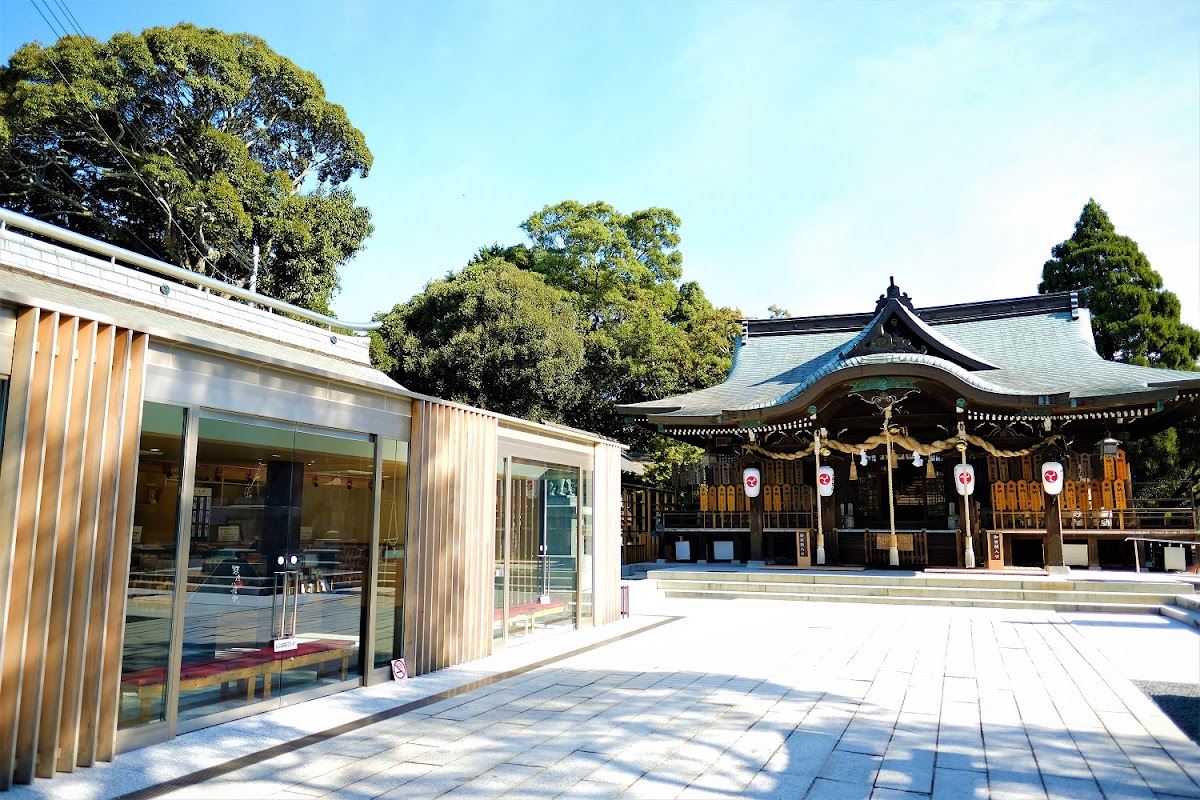
Located approximately 10 minutes by car from Sorinji Temple, Kotozaki Hachimangu Shrine is a representative shrine of Ube City. With its vast grounds and magnificent shrine buildings, it is bustling with many worshippers throughout the year, including for New Year’s visits and Shichi-Go-San (a traditional Japanese rite of passage for children). Visiting it together with Sorinji Temple will allow you to gain a deeper understanding of Ube’s history and culture.
Watanabe Memorial Hall
Designated as a National Important Cultural Property, the Watanabe Memorial Hall is a masterpiece of early Showa-era modernist architecture. It serves as a cultural and artistic hub in Ube City, hosting concerts, exhibitions, and more. Enjoy the beauty of the architecture and experience cultural activities.
Tokiwa Park
Tokiwa Park, a representative comprehensive park of Ube City, is a popular spot for families, featuring a zoo, amusement park, and botanical garden on its vast grounds. The “Botanical Garden Traveling the World” is particularly noteworthy, offering a full day of enjoyment with its collection of rare plants from around the globe.
Observation Spots in Ube City
Ube City has several observation decks offering panoramic views of the city and the Seto Inland Sea. Known as a night view spot, it boasts a beautiful contrast between the illuminated factories and the starry sky.
Points to Note When Visiting Sorinji Temple
Etiquette for Visiting Temples
Sorinji Temple is a temple where faith continues to flourish. Please observe the following manners when visiting:
- Worship quietly
- Take photographs only in designated areas
- Do not touch plants or stone arrangements in the garden
- Take all your trash with you
- If participating in a Zen meditation session, please be punctual
Recommended Time to Visit
To fully appreciate the beauty of Ryushin Garden, the autumn foliage season (mid-to-late November) is recommended. However, the fresh green of spring (May-June) is also beautiful, and each season offers a different expression.
Time Required
If you plan to leisurely explore the temple grounds and Ryushin Garden, allow approximately one hour. If participating in a Zen meditation session, you will need an additional one to two hours.
Cultural Value of Sorinji Temple
Importance in the History of Japanese Gardens
Ryushin Garden occupies an extremely important position in the history of Japanese gardens. The garden design techniques of the Nanboku-cho period are well-preserved, making it a valuable resource for studying the garden culture of that era. In particular, the “tidal flat style” technique is one of only two examples in Japan, alongside that of Mōtsū-ji Temple in Hiraizumi, and is considered to have extremely high academic value due to its rarity.
Preservation of Regional Culture
Sōrin-ji Temple has long supported the spiritual culture of the region as a center of Buddhist culture in the Ube area. Through Zen meditation sessions and memorial services, it continues to transmit the teachings of Zen to the community even today.
Sōrin-ji Temple and the Garden Culture of Yamaguchi Prefecture
Comparison with Sesshū Gardens
Yamaguchi Prefecture has several gardens said to have been created by Sesshū, a painter-monk of the Muromachi period. While the Jōei-ji Temple Garden (Sesshū Garden) in Yamaguchi City is famous, the Ryūshin Garden at Sōrin-ji Temple is considered to be an older creation and holds unique value as the oldest garden in Yamaguchi Prefecture.
A Tour of Famous Gardens in Yamaguchi Prefecture
When visiting Yamaguchi Prefecture, we recommend visiting several famous gardens, including the Ryushin Garden at Sorinji Temple, the Joeiji Temple Garden, and the former Kubota Residence Garden in Hagi. By comparing the differences in era and style, you can experience the evolution of Japanese gardens.
Perpetual Memorial Services and Cemetery Information
Sorinji Temple accepts both perpetual memorial graves and general burial plots. The temple grounds are beautifully maintained, and the graves and facilities are well cared for. Those considering perpetual memorial services should contact the temple directly. Although it is a Rinzai Zen temple, they are said to be open to consultations regardless of sect.
Sorinji Temple as a Filming Location
Due to its historical architecture and beautiful gardens, Sorinji Temple is sometimes used as a filming location for movies and dramas. It is registered in the National Location Database and is attracting attention as a destination for those traveling to film locations.
Summary: Fully Enjoying the Charms of Sorinji Temple
Sorinji Temple in Ube City, Yamaguchi Prefecture, boasts a history of over 1200 years and is a valuable cultural asset, possessing the Ryushin Garden, a nationally designated scenic spot. As the oldest garden in Yamaguchi Prefecture, it preserves gardening techniques from the Nanboku-cho period and is a scientifically important site with rare “tidal flat-style” stone arrangements.
As a Rinzai Zen temple, it regularly holds Zen meditation sessions, making it a place for spiritual cultivation as well as sightseeing. The scenery is particularly beautiful during the autumn foliage season, and the harmony of the seasonal natural beauty and historical buildings captivates visitors.
When visiting Ube City, be sure to visit Sorinji Temple, calm your mind in its tranquil grounds, and enjoy the beauty of Yamaguchi Prefecture’s oldest garden. Visiting it along with the nearby Kotozaki Hachimangu Shrine and Watanabe Okina Memorial Hall will allow you to gain a deeper understanding of Ube’s history and culture.