Complete Guide to Kanyoji Temple (Yamaguchi Prefecture): History, Highlights, Access, and Goshuin Information
Located in Shunan City, Yamaguchi Prefecture, Kanyoji Temple is a renowned temple of the Soto Zen sect with a long history. Nestled in a quiet mountain valley, this temple serves as a center of local faith and is beloved by many worshippers and history enthusiasts for its historical and cultural treasures.
This article provides detailed information you should know before visiting Kanyoji Temple, including its history, highlights within the grounds, access methods, and Goshuin information.
About Kanyoji Temple
Kanyoji Temple is a Soto Zen sect temple located in Kanoue, Shunan City, Yamaguchi Prefecture. Its mountain name is “Zuiōzan,” and its official name is “Zuiōzan Kanyoji.”
The Soto Zen sect is a branch of Zen Buddhism and one of the important sects of Japanese Buddhism, founded by Zen Master Dōgen. Kanyōji Temple has also served as a training ground based on the teachings of Zen Buddhism.
Basic Temple Information
- Sect: Sōtō Zen
- Mountain Name: Zuiōzan
- Location: Kanoue, Shūnan City, Yamaguchi Prefecture
- Principal Image: Shakyamuni Buddha
- Founder: Mōri Motonari (according to tradition)
History of Kanyōji Temple
Founding and Origin
There are various theories regarding the founding of Kanyōji Temple, but a legend remains that it is related to Mōri Motonari, a famous general of the Sengoku period. The Mōri clan was a powerful daimyo that ruled the Chūgoku region and exerted influence over a wide area, including Yamaguchi Prefecture.
The temple’s name, “Kanyō,” is said to originate from a place name in China, or from a term related to Zen Buddhist teachings. As a Sōtō Zen temple, it has functioned as a place for Zen training and a place of worship for the local people.
Development during the Edo Period
During the Edo period, the temple solidified its foundation under the patronage of local influential figures and feudal lords. It is believed that during this time, major buildings such as the main hall and the priest’s quarters were constructed, forming the foundation of the temple complex seen today.
As a Soto Zen temple, it functioned as a place for Zen meditation practice and Buddhist education, becoming a spiritual pillar in the local community.
Progress since the Modern Era
Despite experiencing difficult periods for Japanese temples, such as the anti-Buddhist movement of the Meiji era and World War II, Hanyang-ji Temple has been maintained through the support of the local people.
Even today, it continues to play an important role as a center of local faith and a place that preserves historical cultural heritage.
Highlights of the Temple Grounds
Main Hall
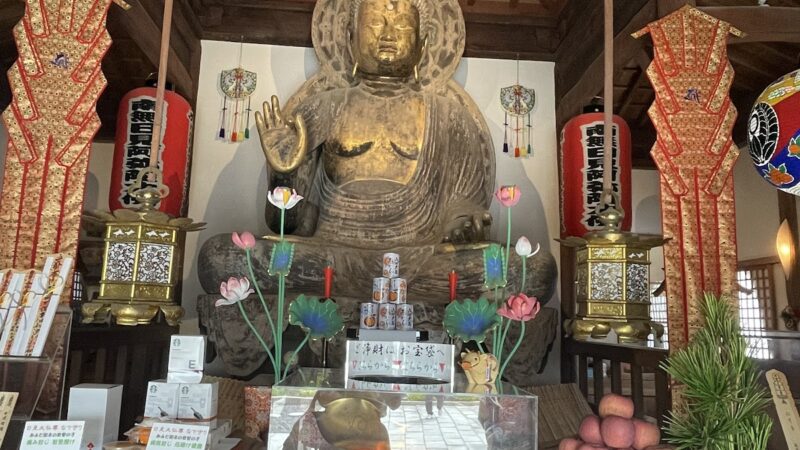
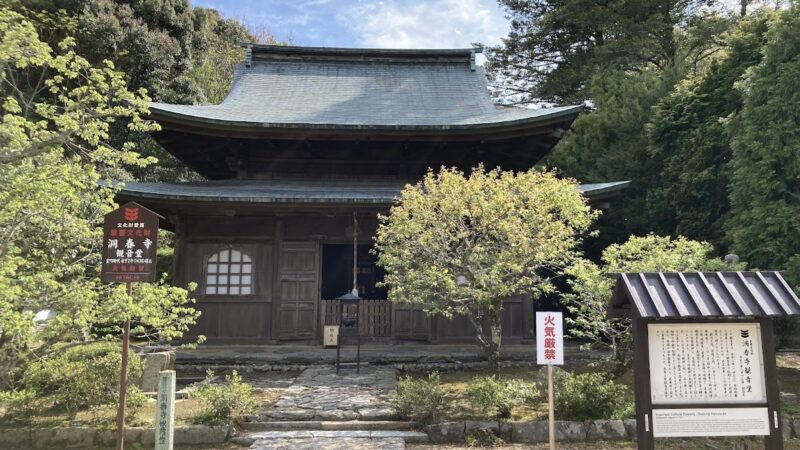
The main hall of Hanyang-ji Temple is a typical example of a Soto Zen temple. The principal image, Shakyamuni Buddha, is enshrined here, and visitors can offer their prayers.
Inside the main hall, historical Buddhist statues and artifacts are preserved, telling the story of the temple’s long history. Paying attention to the architectural style and decorations will allow you to appreciate the charm of the temple more deeply.
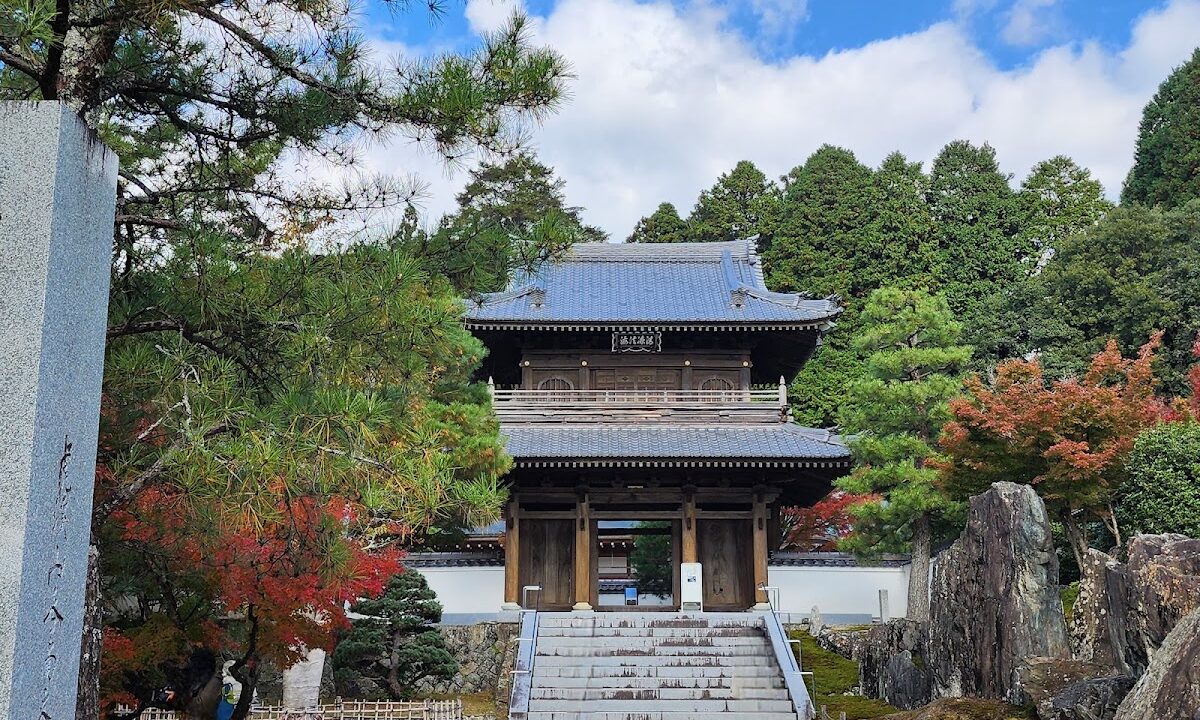
Temple Gate
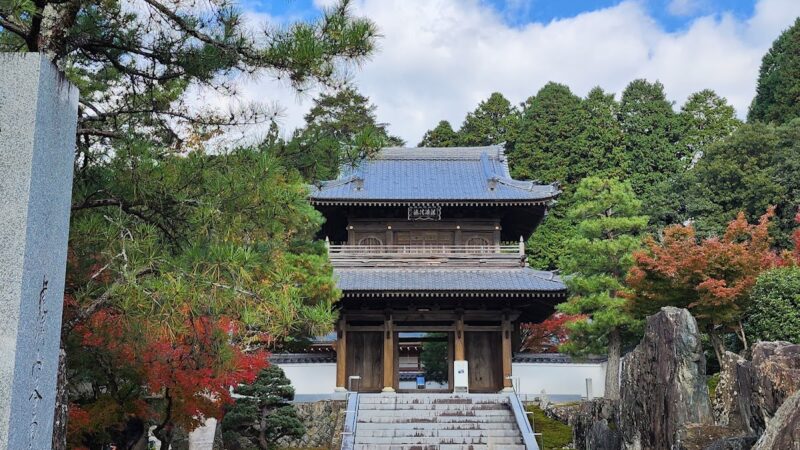
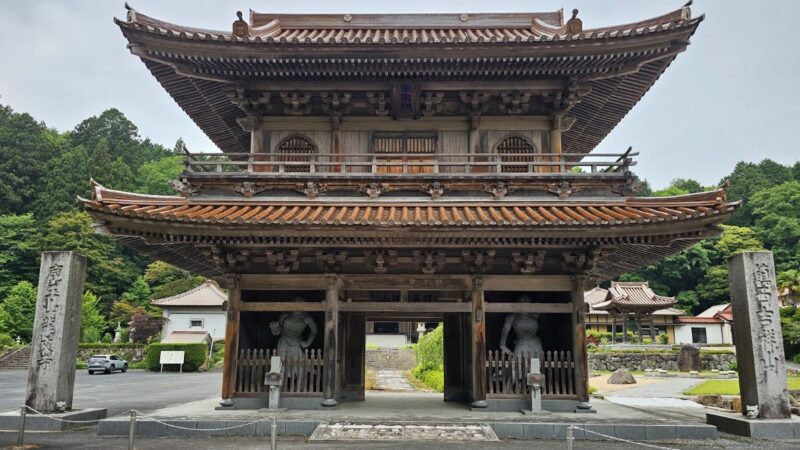
The temple gate, which serves as the entrance to the temple, is an important structure that welcomes visitors. Passing through the gate symbolizes entering a sacred space from the secular world.
The structure and carvings of the gate reflect the technology and aesthetic sense of the time of its construction, making it an interesting element from an architectural history perspective.
Gardens and Natural Environment
Hanyangsa Temple is located in a mountainous area and is surrounded by abundant nature. Seasonal flowers bloom within the temple grounds, offering different scenery depending on the time of year you visit.
The cherry blossoms in spring, the fresh greenery in early summer, and the autumn leaves are particularly beautiful, allowing you to enjoy the temple’s scenery in harmony with nature. You can visit the temple in a peaceful environment, calming your mind.
Stone Sculptures and Cultural Assets
Throughout the temple grounds are stone sculptures such as stone pagodas and stone Buddha statues donated by successive head priests and parishioners. These are not merely decorations, but testaments to people’s faith and valuable historical materials that convey the region’s history.
Old tombstones and memorial towers remain, allowing visitors to experience firsthand the history of the temple, which has continued since the Edo period.
Annual Events and Memorial Services
Main Annual Events
As a Soto Zen temple, Kanyo-ji Temple holds various memorial services and events throughout the year.
- New Year’s Day Memorial Service: A memorial service held at the beginning of the new year
- Spring Equinox Service: Ancestor memorial service centered around the spring equinox
- Obon Memorial Service: The Obon festival to welcome the spirits of ancestors
- Autumn Equinox Service: Ancestor memorial service centered around the autumn equinox
- New Year’s Eve Bell: The bell is rung 108 times on New Year’s Eve
These events are important milestones for the local people, and many worshippers visit.
Zen Meditation Sessions
As a Soto Zen temple, Zen meditation practice is also an important activity. Zen meditation sessions open to the general public are sometimes held, offering a valuable opportunity to experience the spirit of Zen.
Zen meditation is a practice of calming the mind and confronting oneself, and is gaining attention as a way to achieve inner peace in today’s stressful society.
About Goshuin (Temple Seals)
Issuance of Goshuin
At Kanyo-ji Temple, goshuin are issued as proof of worship. Goshuin are precious commemorative items with the temple’s name, principal image, and date of visit written in ink and stamped with a red seal.
When receiving a goshuin, first complete your prayers at the main hall, then ask the head priest or temple staff at the temple office or main hall. It is common to bring a goshuin notebook, but if you don’t have one, pre-printed goshuin may be available.
Goshuin Etiquette
Goshuin are not merely stamps; they are sacred proof of worship. Please observe the following etiquette.
- Complete your prayers first: Before receiving your Goshuin (temple stamp), always pray at the main hall.
- Request politely: Remember to show respect to the head priest and temple staff.
- Prepare the offering: Generally around 300-500 yen (varies depending on the temple).
- Wait quietly: Wait quietly while your Goshuin is being written.
- Express your gratitude: After receiving your Goshuin, express your gratitude by saying “Thank you.”
Access Methods
Access by Car
Kanyoji Temple is located in a mountainous area, so access by car is convenient.
- Access from the Sanyo Expressway: Take local roads from the nearest interchange.
- Access from the National Highway: Take prefectural and municipal roads from Shunan city center.
We recommend checking with the temple in advance regarding parking availability and capacity.
Access by Public Transportation
If using public transportation, the following routes are possible.
- Travel to the nearest station via the JR Sanyo Main Line
- Take a bus or taxi from the station.
Due to its mountainous location, bus services may be limited. It is recommended to check the timetable and plan your travel accordingly before your visit.
Nearby Tourist Attractions
When visiting Kanyo-ji Temple, you can also visit other tourist attractions in Shunan City and the surrounding area.
- Historical Buildings of Shunan City: There are other historical temples and shrines within the city.
- Natural Landscapes: Spots where you can enjoy the rich nature of Yamaguchi Prefecture.
- Local Specialties: You can enjoy Shunan City’s famous products and local cuisine.
Etiquette and Manners for Visiting Temples
Basic Etiquette for Visiting Temples
Following basic etiquette when visiting temples will make your visit more meaningful.
- A Bow at the Temple Gate: Bow before passing through the temple gate.
- Purifying at the Water Basin: If there is a water basin, purify your hands and mouth.
- Worship at the Main Hall: Join your hands in prayer in front of the main hall and quietly offer your prayers.
- Offering a Coin: Offer your coin with sincerity.
- A Bow Upon Departure: Bow again at the temple gate when leaving.
Clothing and Belongings
There are no specific dress code rules for visiting temples, but please keep the following points in mind:
- Clean and Subtle Clothing: Avoid overly flashy or revealing clothing.
- Comfortable Shoes: Choose shoes suitable for walking around the temple grounds.
- Seasonal Preparations: Remember to take precautions against the heat in summer and warm clothing in winter.
Photography Etiquette
Photography is generally permitted on temple grounds, but please observe the following etiquette.
- Photography inside the main hall: Permission may be required, so please check in advance.
- Consideration for other visitors: Please be careful not to disturb others.
- Use of tripods: Please refrain from using them in crowded or narrow spaces.
- Flash photography: Please refrain from using flash photography as it may damage Buddhist statues and cultural artifacts.
The Charm of Hanyang-ji Temple
A Tranquil Environment
One of the greatest charms of Hanyang-ji Temple is its tranquil environment. Located in the mountains, it offers a peaceful escape from the hustle and bustle of the city.
Visiting the temple surrounded by the sounds of nature—birdsong, wind, rustling trees—will help you forget the stresses of everyday life.
Experiencing History and Culture
Visiting Hanyang-ji Temple allows you to experience the history and Buddhist culture of Yamaguchi Prefecture. You can learn about various cultural elements, such as the temple’s history dating back to the Sengoku period, the teachings of Soto Zen Buddhism, and the faith of the local people.
Seasonal Beauty
Enjoying the changing seasons is another charm of Hanyang-ji Temple.
- Spring: A season of beautiful cherry blossoms and fresh greenery
- Summer: A cool and refreshing temple grounds enveloped in deep green
- Autumn: A season when autumn leaves color the temple grounds
- Winter: A solemn atmosphere enveloped in silence
No matter which season you visit, you will discover its own unique beauty.
History and Culture of the Area Around Kanyoji Temple
History of Shunan City
Shunan City is located in the southeastern part of Yamaguchi Prefecture and has flourished as a transportation hub since ancient times. During the Edo period, it developed as the territory of the Mori clan, and many temples and shrines were built.
Kanyoji Temple has also functioned as a spiritual pillar of the region within this historical background.
Soto Zen and Zen Culture
The Soto Zen school is a branch of Zen Buddhism that was introduced to Japan from China by Zen Master Dogen. It is characterized by its practice of “Shikantaza,” which emphasizes simply sitting in meditation.
At Hanyangsa Temple, practices and ceremonies based on the teachings of the Soto Zen school are still conducted, preserving the spirit of Zen.
Notes for Visitors
Visiting Hours and Admission Fees
It is recommended to check the visiting hours and admission fees for Hanyangsa Temple in advance. Generally, temples are open for visits during the daytime, but visits may be restricted during ceremonies or events.
Contact Information
For detailed information regarding visits or to inquire about participation in events such as Zen meditation sessions, it is recommended to contact the temple directly.
While phone and email inquiries may be possible, the availability of such services may be limited depending on the size of the temple. It is advisable to confirm before visiting.
Weather and Seasonal Considerations
As the temple is located in a mountainous area, it is susceptible to weather conditions. Especially in winter, there is a possibility of snow and freezing temperatures, so plan your visit considering the time of year and weather.
Experiences at Kanyōji Temple
Peace of Mind
By praying in the tranquil temple grounds, you can escape the hustle and bustle of everyday life and find peace of mind. Spending time in a space imbued with the spirit of Zen will be a valuable opportunity for self-reflection.
Understanding History
By visiting the temple’s architecture and cultural artifacts, you can deepen your understanding of Yamaguchi Prefecture’s history and Buddhist culture. For those interested in local history, Kanyōji Temple is an important place of learning.
Connection with Nature
In the temple grounds surrounded by abundant nature, you can feel the changing seasons firsthand. The space, where the beauty of nature and the tranquility of the temple harmonize, offers an experience difficult to find in urban areas.
Summary
Kanyōji Temple is an ancient Soto Zen temple located in Shūnan City, Yamaguchi Prefecture. It is a fascinating temple blessed with a long history and abundant nature. Its history, dating back to the Sengoku period, the Zen spirit within its grounds, and the beautiful nature of each season offer a variety of attractions to visitors.
When visiting the temple, we recommend observing basic etiquette and manners, and spending time in a peaceful environment to calm your mind. You can also receive a Goshuin (temple stamp), which might be a nice memento of your visit.
When you visit Yamaguchi Prefecture, please be sure to stop by Kanyo-ji Temple. A valuable experience awaits you, where you can connect with history, nature, and the spirit of Zen.