Complete Guide to Ryumonji Temple (Shunan City, Yamaguchi Prefecture) | History and Highlights of a Famous Soto Zen Temple Associated with the Sue Clan
Ryumonji Temple, located in Nagahomonzen, Shunan City, Yamaguchi Prefecture, is an ancient Soto Zen temple founded by the prestigious Sue clan during the Muromachi period. This renowned temple, sometimes called the “Eiheiji of the West,” is situated in a natural stronghold surrounded by the Nishiki River and rugged mountains, and played a central role in Soto Zen Buddhism in western Japan from the medieval to the early modern period. This article provides a detailed explanation of Ryumonji Temple’s history, cultural assets, highlights, and access information—everything you need to know before visiting.
What is Ryumonji Temple? A Famous Soto Zen Temple Proud of Shunan City, Yamaguchi Prefecture
Ryumonji Temple is a Soto Zen temple founded in 1429 by Sue Morimasa, who served as the deputy governor of Suo Province, at the command of Ouchi Mochiyo. Since its founding, it has played an important role as the family temple of successive generations of the Sue clan, and during the Sengoku period, it had deep connections with prominent warlords such as Sue Harukata.
As one of the three major Soto Zen temples in the Chugoku region, it held a position of authority overseeing many Soto Zen temples in western Japan, and at its peak, it flourished as a large temple with 60 direct branch temples and 238 affiliated temples. Even today, it remains a representative historical temple of Shunan City, attracting many worshippers and history enthusiasts.
Location and Basic Information
Address: 1075-1 Nagahomonzen, Shunan City, Yamaguchi Prefecture 745-0125
Sect: Soto Zen
Mountain Name: Zuiunzan
Principal Image: Shakyamuni Buddha
Phone Number: 0834-88-1072
Visiting Hours: Grounds are freely accessible (Please check for entry to the main hall)
Admission Fee: Free (Separate fees apply for special viewings)
Parking: Available (Free)
History of Ryumonji Temple | 600 Years with the Sue Clan
Background of Founding and Sue Morimasa
In Eikyo 1 (1429), Sue Morimasa, who served the Ouchi clan as the deputy governor of Suo Province, founded Ryumonji Temple at the command of his lord, Ouchi Mochiyo. The Sue clan, as a powerful local lord in Suo Province, held a high position as a senior retainer of the Ouchi clan and was based in Nagaho.
As the fifth head of the Sue clan, Morimasa decided to strengthen the family’s unity and establish a family temple to serve as a spiritual pillar. His choice of the Soto Zen sect was influenced by the flourishing Zen culture of the time and the importance of Zen teachings in samurai society.
Development as the Sue Clan’s Family Temple
After its founding, Ryumonji Temple played a crucial role as the family temple of successive generations of the Sue clan. The temple grounds house the tombs of the Sue family, and memorial services for successive heads of the clan and family members have been held there. In particular, its connection to Sue Harukata, who held real power within the Ouchi clan during the Sengoku period, is deep, and it conveys the history of the Sue clan’s rise and fall.
Sue Harukata was a samurai known for the “Dainei-ji Incident” in 1551, in which he assassinated his lord, Ouchi Yoshitaka. He was later defeated and killed in the Battle of Itsukushima (1555) against Mori Motonari. The tombs of the Sue family remain at Ryumon-ji Temple and are designated as cultural properties of Shunan City.
To the Central Temple of the Soto Zen School in the Chugoku Region
From the Muromachi period to the Edo period, Ryumon-ji Temple established itself as one of the three major Soto Zen temples in the Chugoku region, playing a central role in the Soto Zen sect in western Japan. With 60 direct branch temples and 238 affiliated temples, it became a large temple with significant religious and economic influence.
Its nickname, “Eihei-ji of the West,” was a reference to Eihei-ji Temple in Fukui Prefecture, indicating its important position as a center of the Soto Zen sect in western Japan. Many monks trained here before going on to various temples throughout the region.
From the Early Modern Period to the Present
During the Edo period, under the patronage of the Hagi Domain, it continued to function as a center of local faith. The impact of the anti-Buddhist movement after the Meiji Restoration was relatively minor, allowing it to preserve many cultural assets and temple buildings.
From the Showa and Heisei eras to the present day, Ryumonji Temple has been preserved as an important historical heritage site of Shunan City, and is cherished as a place of faith and cultural activity for the local people.
Highlights of Ryumonji Temple | Magnificent Temple Buildings and Valuable Cultural Assets
Main Gate (Romon)
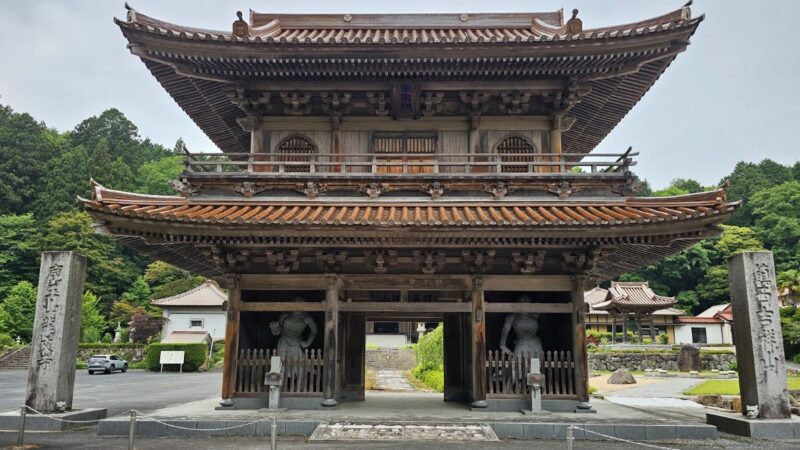
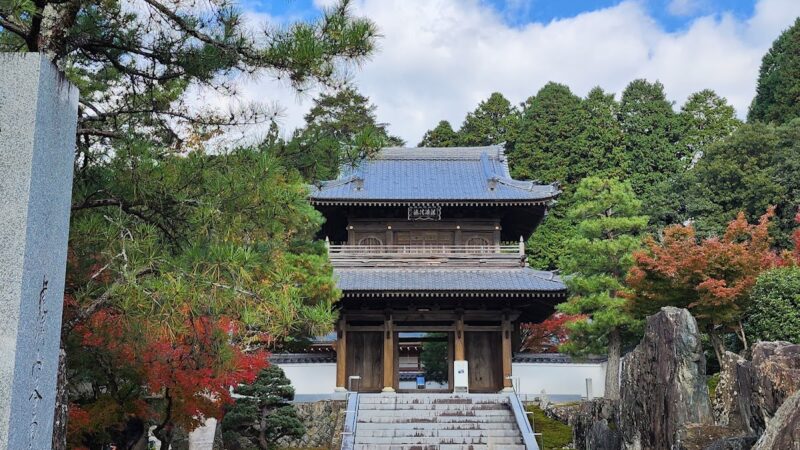
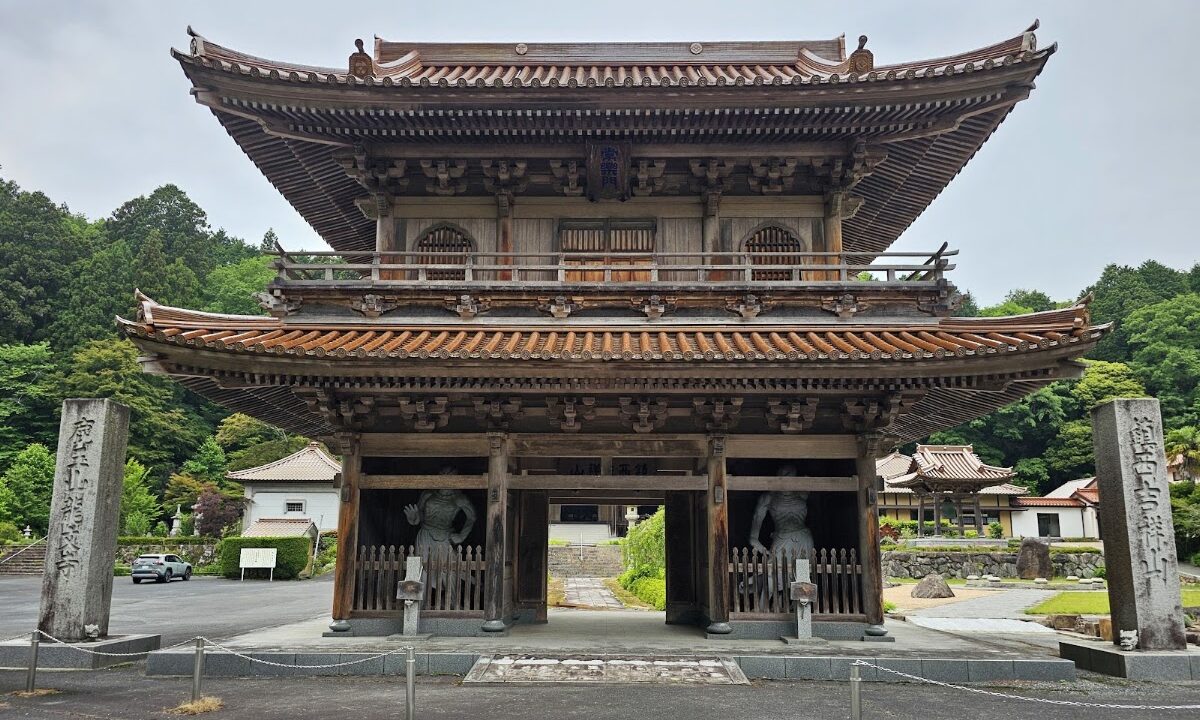
The first thing that catches the eye upon visiting Ryumonji Temple is its magnificent main gate (Romon). A two-story gate in the style of a Soto Zen temple, it displays a dignified appearance befitting a Soto Zen temple. This gate is protected as a city cultural asset and is a valuable structure that conveys the architectural style of the Edo period.
Passing through the main gate, a tranquil temple ground unfolds, with ancient trees lining both sides of the approach. The scenery, harmoniously blended with the beauty of nature throughout the seasons, soothes the hearts of visitors.
Main Hall and Other Buildings
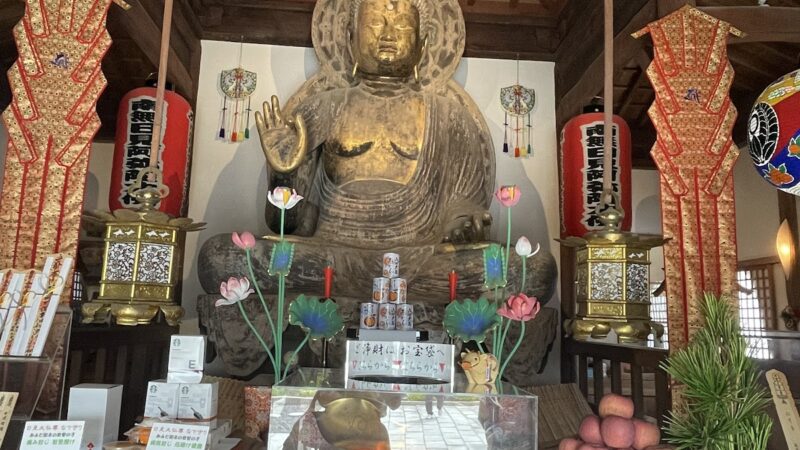
The main hall is built in the typical style of a Soto Zen temple, and houses the principal image, a seated statue of Shakyamuni Buddha. This wooden seated statue of Shakyamuni Buddha is a Shunan City designated cultural property and is highly regarded as an excellent example of Buddhist sculpture from the Muromachi period.
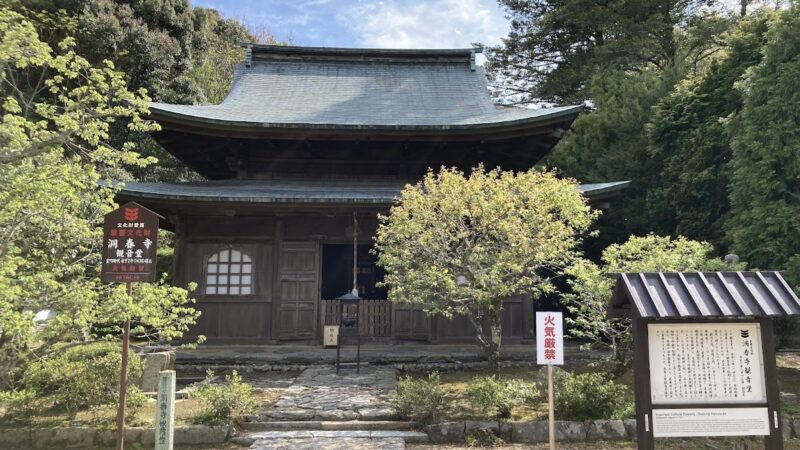
Besides the main hall, the temple grounds include the founder’s hall, the priest’s quarters, and the bell tower, characterized by the orderly layout typical of Zen temples. The founder’s hall enshrines the memorial tablet of the temple’s founder, Sue Morimasa.
Sue Family Cemetery
In one corner of the temple grounds is the cemetery of the Sue family. This cemetery, a Shunan City designated cultural property, contains the gravestones of successive heads of the family, including Sue Morimasa, and other family members. It is also an important historical site related to Sue Harukata, a famous general of the Sengoku period, and is a must-see spot for history buffs. The burial ground is nestled amidst a tranquil cedar grove, enveloped in a solemn atmosphere that evokes the rise and fall of medieval samurai families.
Iron Tea Kettle (City-Designated Cultural Property)
The iron tea kettle owned by Ryumonji Temple is a valuable craft item designated as a cultural property of Shunan City. Believed to have been made during the Muromachi period, this tea kettle is an important document illustrating the relationship between the tea ceremony culture of the time and the temple.
While the tea kettle is usually kept in storage, it may be available for viewing on special occasions. It is recommended to inquire with the temple before visiting.
Gilt Bronze Sutra Container (City-Designated Cultural Property)
The gilt bronze sutra container is a vessel for storing Buddhist scriptures and is an important cultural property demonstrating the historical value of Ryumonji Temple. The intricate decoration of this sutra container speaks to the high level of Buddhist craftsmanship in the medieval period.
Nagaho Nenbutsu Dance (Yamaguchi Prefecture Designated Intangible Folk Cultural Property)
The Nagaho Nenbutsu Dance, passed down at Ryumonji Temple, is a traditional performing art designated as an Intangible Folk Cultural Property of Yamaguchi Prefecture. Performed annually on August 15th during the Obon festival, this dance is highly valued as a precious folk art that has been passed down since the Middle Ages.
Danced to the sounds of drums and gongs, the dance has meaning in honoring ancestors and praying for a bountiful harvest, and has been carefully preserved by the local people. Dancers wear traditional costumes and dance to a unique rhythm.
Every year on August 15th, many spectators visit to witness this traditional event. This is an event that anyone interested in Japanese folk culture should definitely experience.
The Four Seasons of Ryumonji Temple | The Charm of the Temple Grounds Surrounded by Nature
Spring at Ryumonji Temple
In spring, the cherry blossoms in the temple grounds bloom in profusion, dyeing the path from the main gate to the main hall a delicate pink. In the season of fresh greenery, the temple grounds, combined with the nature along the Nishiki River, offer a refreshing stroll through the air.
Summer at Ryumonji Temple
In summer, the temple is enveloped in deep green, and the sound of cicadas fills the air. The Nagaho Nenbutsu Dance on August 15th is a representative event of Ryumonji Temple in summer, attracting many visitors.
Autumn at Ryumonji Temple
In autumn, the trees in the temple grounds change color, offering a beautiful view of the autumn leaves. It’s especially wonderful to contemplate history while gazing at the autumn foliage in the tranquil grounds.
Winter at Ryumonji Temple
In winter, the temple is enveloped in silence, and sometimes the grounds can be seen covered in snow. In the crisp air, you can feel the solemn atmosphere characteristic of a Zen temple.
Access to Ryumonji Temple | Directions to Nagaho Monzen, Shunan City
Access by Car
Access from Sanyo Expressway:
- Approximately 20 minutes from Tokuyama East IC
- From National Route 2, take the prefectural road towards Nagaho
Parking: Free parking available on the temple grounds (approximately 20 spaces for regular cars)
Access by Public Transportation
Using JR:
- Get off at Tokuyama Station on the JR Sanyo Main Line
- Take the Bocho Kotsu bus bound for Nagaho, get off at the “Monzen” bus stop, and walk for approximately 5 minutes.
Notes: Since bus service is limited, it is recommended to check the timetable in advance.
Nearby Tourist Attractions
When visiting Ryumonji Temple, it is recommended to also visit other tourist attractions in Shunan City.
- Tomita Sue Clan Residence Ruins: The site of the Sue clan’s residence, approximately 10 minutes by car from Ryumonji Temple.
- Shunan City Museum of Art: A facility where you can learn about the history and culture of the region.
- Nishiki River: Known as a clear stream, ideal for nature walks.
Guidelines and Manners for Visiting Ryumonji Temple
Precautions When Visiting
Ryumonji Temple is a temple that still functions as a place of worship. Please pay attention to the following points when visiting.
- Be Quiet: Act quietly on the temple grounds and be considerate so as not to disturb the practice.
- Photography: Photography inside the main hall and of Buddha statues may require permission, so please check in advance.
- Dress Code: Avoid revealing clothing and visit in moderation.
- Smoking: Smoking is prohibited throughout the temple grounds.
- Garbage: Take your trash with you as a general rule.
About Goshuin (Temple Stamps)
You can receive Goshuin at Ryumonji Temple. Please speak to someone at the main hall or the temple’s living quarters. You can bring your own goshuincho (stamp book) or receive a pre-written goshuin.
Goshuin Reception Hours: Approximately 9:00 AM to 4:00 PM (Advance contact is recommended as staff may be absent)
Offering Fee: Approximately 300 yen
List of Cultural Properties of Ryumonji Temple
Shunan City Designated Cultural Properties
- Sue Family Mausoleum
- Iron Tea Kettle
- Gilt Bronze Sutra Container
- Wooden Seated Statue of Shakyamuni Buddha
- Temple Gate (Romon Gate)
Yamaguchi Prefecture Designated Cultural Properties
- Nagaho Nenbutsu Dance (Intangible Folk Cultural Property)
Voices of Visitors to Ryumonji Temple
History enthusiasts and visitors have commented, “In the tranquil temple grounds, you can feel the history of the Sengoku period firsthand,” “Visiting the Sue family mausoleum made me truly feel the weight of history,” and “I was deeply moved by the traditional performing art of the Nagaho Nenbutsu Dance.”
Especially for history buffs, this site is an essential spot for tracing the Sengoku period history of Yamaguchi Prefecture, as it is a historical site related to Sue Harukata and the Ouchi clan.
Accommodation and Dining near Ryumonji Temple
Accommodation
Since there are few accommodations near Ryumonji Temple, it is convenient to use hotels in the center of Shunan City or around Tokuyama Station.
- Business Hotels in the Center of Shunan City: Many are located around Tokuyama Station
- Hot Spring Ryokans: Yuno Onsen (approximately 30 minutes by car)
Dining
Shunan City faces the Seto Inland Sea, so you can enjoy fresh seafood. There are many restaurants around Tokuyama Station where you can savor local cuisine.
Summary | Ryumonji Temple: A Famous Temple Where You Can Experience the History of Yamaguchi Prefecture
Ryumonji Temple is an ancient Soto Zen temple founded by the Sue clan during the Muromachi period, and is a famous temple also known as “Eiheiji Temple of the West.” The temple grounds boast numerous historical and culturally significant attractions, including the Tou family tomb, the Nagaho Nenbutsu dance, and other valuable cultural artifacts.
Nestled amidst the tranquil scenery of the Nishiki River and surrounding mountains, it offers a precious opportunity to reflect on the history of the Sengoku period while experiencing the spirit of Zen. When visiting Shunan City in Yamaguchi Prefecture, be sure to visit Ryumonji Temple and experience its profound history and culture.
Ryumonji Temple awaits many visitors as an attractive spot that can be incorporated into various sightseeing routes, such as historical exploration of Shunan City, tours of Soto Zen temples, and tours of Sengoku period historical sites in Yamaguchi Prefecture.