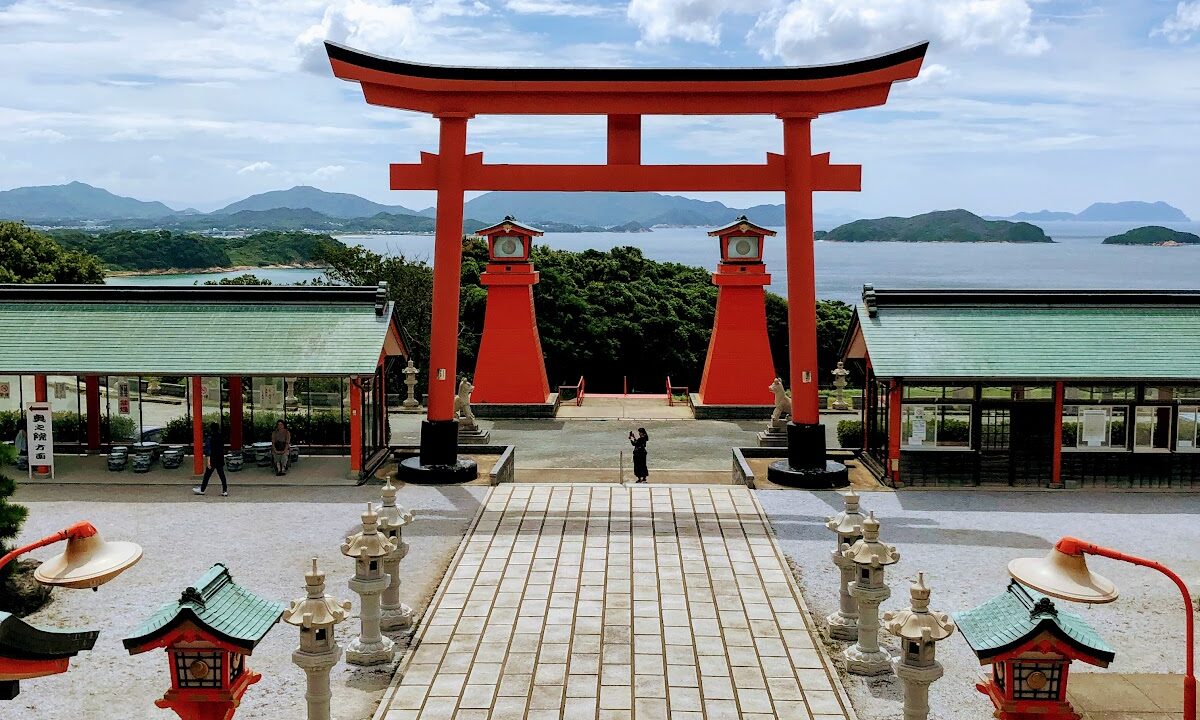
Fukuhōji Temple (Yamaguchi Prefecture) Complete Guide | History, Highlights, and Access Information
Yamaguchi Prefecture is home to numerous historical temples, but among them, Fukuhōji Temple is known as a place of deep-rooted faith in the region. This article comprehensively introduces information you should know before visiting Fukuhōji Temple, from its historical background to its highlights and visiting information.
About Fukuhōji Temple
Fukuhōji Temple is a Buddhist temple located in Yamaguchi Prefecture. As a temple that attracts the faith of local residents, it has maintained close ties with the community throughout its long history, preserving the Dharma to this day.
The auspicious characters “Fukuhō” (福宝) in the temple’s name suggest that it has long been cherished as a place where people pray for happiness and prosperity.
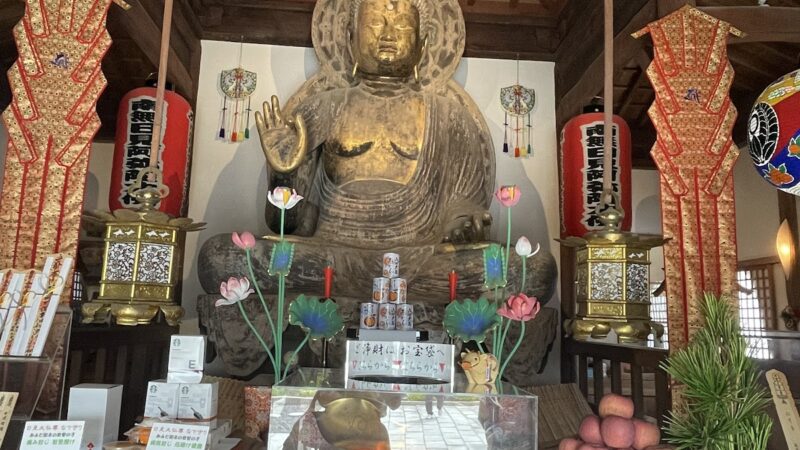
Sect and Principal Image
It is recommended to check the sect and principal image of Fukuhōji Temple before visiting. In many temples, faith revolves around the principal image enshrined in the main hall, and each Buddha has its own unique origin and merit.
History of Fukuhōji Temple
Origin of Founding
Details regarding the founding date and the founder of Fukuhōji Temple are recorded in local historical documents and the temple’s history. Yamaguchi Prefecture has long been a culturally prosperous region, and many temples were built throughout the Sengoku and Edo periods.
Fukuhōji Temple is also thought to have been founded within this historical context as a spiritual center for the local people.
Historical Changes
Throughout its long history, Fukuhōji Temple has experienced various changes over time. It likely suffered damage during times of war, and in times of peace, it may have functioned as a center of local cultural activities.
The current layout and architectural style of the temple complex reflect this accumulation of history.
Connection with the Community
Fukuhōji Temple has functioned not only as a religious facility, but also as an important component of the local community.
- Venue for annual events
- Gathering place for local residents
- Center for cultural transmission
- Place of education
By fulfilling these multifaceted roles, temples have become deeply rooted in the local community.
Highlights of the Temple Grounds
Main Hall
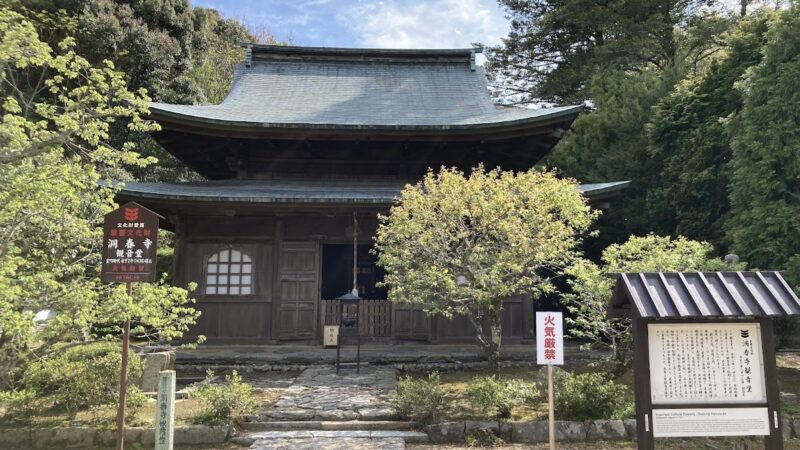
The main hall, the heart of Fukuhōji Temple, is the first place visitors go. The architectural style and decoration of the main hall reflect the characteristics of the era in which it was built and the local area.
The principal image is enshrined inside the main hall, and daily services and religious ceremonies are held there. When visiting, please quietly put your hands together and pray with a calm mind.
Buildings on the Temple Grounds
In addition to the main hall, various buildings are located on the temple grounds.
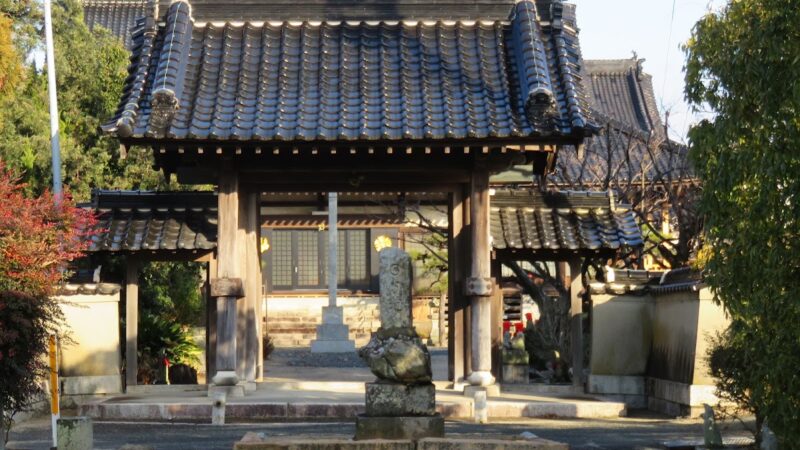
- Sanmon Gate: The gate that serves as the entrance to the temple. A symbolic presence separating the secular world from the sacred realm.
- Shōrō (Bell Tower): The building where the temple bell is hung. The sound of chimes announcing the time resonates.
- Kuri: A building used as the living space for the head priest and as the temple office.
- Cemetery: A resting place for parishioners.
Stone Sculptures and Memorials
Within the temple grounds, there are often stone sculptures and memorials that tell the story of history.
- Gravestones of successive head priests
- Stone monuments inscribed with the names of donors
- Stone statues of Jizo Bodhisattva and Kannon Bodhisattva
- Memorial towers
These are valuable resources for understanding the history of the temple.
Natural Environment
Many temples are located in natural settings, allowing visitors to enjoy the beauty of the four seasons.
In spring, cherry blossoms and plum blossoms adorn the grounds; in summer, the greenery deepens; in autumn, the autumn leaves are beautiful; and in winter, a tranquil atmosphere prevails. The scenery of the temple in harmony with nature soothes the hearts of visitors.
Annual Events and Memorial Services
Regular Events
Fukuhōji Temple holds various Buddhist events throughout the year.
- New Year’s Day: New Year’s memorial service, first shrine visit of the year
- Spring Equinox: Memorial service for ancestors (March)
- Flower Festival: Memorial service celebrating the birth of Buddha (April 8th)
- Obon: Obon festival, event to welcome the spirits of ancestors (August)
- Autumn Equinox: Memorial service for ancestors (September)
- New Year’s Eve Bell Ringing: Ringing the bell on New Year’s Eve
Special Memorial Services
In addition to regular events, memorial services may be held on temple festival days or special anniversaries. These provide opportunities for parishioners and local residents to gather and offer prayers together.
Visiting Information
Visiting Hours
Generally, it is recommended to visit temples during daylight hours. For specific visiting hours, we recommend checking with the temple in advance.
Visiting Etiquette
When visiting a temple, please observe the following basic etiquette:
- Dress Code: Avoid revealing clothing and wear clean attire.
- Greeting: Bow when passing through the temple gate.
- Quiet: Remain quiet within the temple grounds.
- Photography: Be mindful of areas where photography is prohibited, such as inside the main hall.
- Smoking: Smoking is prohibited within the temple grounds.
- Pets: Check in advance whether pets are allowed.
About Goshuin (Temple Seals)
In recent years, collecting Goshuin has become a popular pastime during temple and shrine visits. Fukuhōji Temple may also offer Goshuin.
When receiving a Goshuin (temple stamp):
- Complete your prayers first.
- Prepare your Goshuincho (stamp book).
- Request politely.
- Prepare a donation (approximately 300-500 yen).
It is recommended to check the Goshuin issuance hours and procedures in advance.
Access Information
Location
Fukuhōji Temple is located in Yamaguchi Prefecture. Please check the latest information regarding the specific address before visiting.
Access by Public Transportation
If using the train:
It is helpful to check the distance and travel time from the nearest station in advance. You may also need to use a bus or taxi from the station.
If using the bus:
Check the nearest bus stop and walking time to the temple. Since the number of buses may be limited in rural areas, checking the timetable is important.
Access by Car
If using the expressway:
Check the route from the nearest interchange to the temple in advance. Car navigation systems and smartphone map apps are convenient.
Parking:
It’s a good idea to check beforehand whether the temple has parking and if there are any restrictions on the number of vehicles. Especially during events, congestion is expected.
Surrounding Facilities
There may be other tourist attractions and restaurants around Fukuhōji Temple. Enjoying a stroll around the area in conjunction with your temple visit is recommended.
Cultural Value of Fukuhōji Temple
Preservation of Local Culture
Temples also play a role in preserving local cultural heritage. Historically valuable items such as ancient documents, Buddhist statues, paintings, and crafts are carefully protected.
Educational Role
Fukuhōji Temple also functions as a place to learn about local history. It sometimes collaborates with local schools to provide children with opportunities to learn about local history and culture.
Community Center
In modern society, temples continue to play a role as spiritual havens. They have social significance as places for community interaction and consultation.
Temple Culture in Yamaguchi Prefecture
Buddhist History in Yamaguchi Prefecture
Yamaguchi Prefecture has long been a culturally prosperous region, and many temples were built there. In particular, Buddhist culture flourished under the patronage of the Ouchi clan from the Muromachi period to the Sengoku period.
Notable Temples in the Surrounding Area
Besides Fukuhōji Temple, Yamaguchi Prefecture has many other historical temples.
- Rurikōji Temple: A famous temple known for its national treasure five-story pagoda
- Kōzanji Temple: A temple associated with Takasugi Shinsaku
- Tōshunji Temple: A temple associated with the Mōri clan
When planning a temple tour, visiting these temples as well will allow you to gain a deeper understanding of Yamaguchi Prefecture’s Buddhist culture.
Guidelines for Temple Visits
Basics of Buddhism
To make your temple visit more meaningful, it is helpful to know the basic teachings of Buddhism.
- Three Jewels: Devotion to the Buddha, the Dharma (teachings), and the Sangha (practitioners)
- Karma: Good deeds bring good results, bad deeds bring bad results
- Impermanence: Everything is constantly changing
Significance of Visiting a Temple
Visiting a temple is not merely sightseeing; it is an opportunity to reflect on oneself and calm the mind.
- To escape the hustle and bustle of everyday life and quiet the mind
- To express gratitude to ancestors and deceased loved ones
- To reflect on one’s own actions
- To seek inner peace
Points to Note When Visiting Fukuhōji Temple
Pre-Visit Confirmation Items
Checking the following points before your visit will ensure a smoother experience.
- Visiting Hours
- Schedule of Memorial Services and Events (General visits may be restricted)
- Availability and Number of Parking Spaces
- Availability and Hours of Goshuin (Temple Seal) Issuance
- Admission Fee
Seasonal Precautions
Summer:
- Prepare a hat and sunscreen due to strong sunlight
- Stay hydrated
- Take insect repellent measures
Winter:
- Dress warmly
- Beware of icy roads
- Visit early due to early sunset
Health Management
There may be stairs and slopes within the temple grounds. If you have any health concerns, please visit at your own pace and do not overexert yourself.
How to Enjoy Temple Visits
Photography
The beautiful scenery and architecture within the temple grounds are attractive subjects for photography. However, please note the following points.
- Please respect the no-photography policy in areas such as the main hall.
- Please be considerate of other visitors.
- Please check in advance before using a tripod.
- When posting on social media, please ensure that your posts do not tarnish the temple’s reputation.
Zen Meditation and Sutra Copying Experiences
Some temples offer experiential programs such as Zen meditation and sutra copying. Fukuhōji Temple may also offer such opportunities. Those interested should inquire.
Participation in Seasonal Events
Participating in annual events allows you to experience the temple’s culture more deeply. It also fosters interaction with local residents and will be a valuable experience.
Temple Support and the Danka System
What is the Danka System?
The Danka system is a unique Buddhist system that provides economic and spiritual support to a specific temple. Becoming a Danka allows you to:
- Request ancestral memorial services.
- Have funerals and memorial services conducted.
- Use the temple cemetery.
- Participate in temple events.
Donations and Offerings
Even without being a Danka, there are ways to contribute to the maintenance and development of the temple.
- Monetary donations
- Offering of goods
- Volunteer activities such as cleaning
- Participation in events
Temples are valuable cultural heritage of the region. Community-wide support is crucial for passing them on to future generations.
Sightseeing around Fukuhōji Temple
Attractions of Yamaguchi Prefecture
In addition to visiting Fukuhōji Temple, consider visiting other tourist spots in Yamaguchi Prefecture.
Historical Spots:
- Hagi Castle Town
- Kintaikyo Bridge
- Akiyoshido Cave
Nature Spots:
- Akiyoshidai Plateau
- Tsunoshima Bridge
- Aoshima Island
Hot Springs:
- Yuda Onsen
- Nagato Yumoto Onsen
- Tawarayama Onsen
Local Cuisine
Yamaguchi Prefecture boasts many delicious local dishes.
- Fugu (pufferfish) dishes
- Kawara Soba (buckwheat noodles served on a hot tile)
- Iwakuni Sushi
- Natsumikan (summer orange) products
- Local sake
Enjoying Yamaguchi’s flavors at a local restaurant after your visit is highly recommended.
Summary
Fukuhōji Temple is a valuable temple that conveys the history and culture of Yamaguchi Prefecture to the present day. As a place of faith deeply rooted in the community, it has been a source of spiritual support for people for many years.
Visiting a temple is not merely sightseeing; it is a precious opportunity to reflect on oneself and calm the mind. Having time to pray in the quiet temple grounds, away from the hustle and bustle of everyday life, is especially important in modern society.
When visiting Fukuhōji Temple, please refer to the information presented in this article and observe proper etiquette. Checking the visiting hours and event schedule in advance and planning your visit with ample time will ensure a more fulfilling experience.
Besides Fukuhōji Temple, Yamaguchi Prefecture has many other historical temples and tourist spots. Why not enjoy temple hopping while experiencing the rich culture and nature of Yamaguchi Prefecture?
May your visit to Fukuhōji Temple be a memorable and wonderful experience.