Honmyoji Temple Complete Guide: Exploring the History of Kumamoto’s Sugamo and the Family Temple of Kato Kiyomasa
Honmyoji Temple is a prestigious temple with several locations throughout Japan. The family temple of Kato Kiyomasa in Nishi-ku, Kumamoto City, and the Hokke-shu branch temple in Sugamo, Toshima-ku, Tokyo, are particularly well-known. This article provides a comprehensive explanation of the history, highlights, and visiting information for each Honmyoji Temple, offering detailed information to help you plan your visit.
Kumamoto Honmyoji Temple: A Famous Temple in Higo Dedicated to Kato Kiyomasa
History and Founding of Kumamoto Honmyoji Temple
Kumamoto Honmyoji Temple is a temple of the Rokujo-monryu branch of the Nichiren sect, and is a highly prestigious temple granted the special status of “Rokujo-monryu Kyushu Sodoshi” by the head temple Honkoku-ji. Its mountain name is Hatsuseizan, its principal image is the Ten Realms Mandala, and it is a leading religious institution in Kumamoto as a major Nichiren sect temple.
Honmyoji Temple was founded in Osaka in 1585 (Tensho 13) by Nichijin Shonin to pray for the repose of the soul of Kiyotada, the father of Kato Kiyomasa. In 1600 (Keicho 5), when Kato Kiyomasa entered Kumamoto in Higo Province, Honmyoji Temple was moved to the site of Sanboin Temple within Kumamoto Castle, and Nichijin Shonin became the new founding priest. This led to Honmyoji Temple developing into a temple with deep ties to Lord Kiyomasa.
In 1611 (Keicho 16), upon Lord Kato Kiyomasa’s death, he was buried on the slopes of Nakao Mountain, at the same height as the Kumamoto Castle keep, according to his will. This location is the present-day Jochibyo (Mausoleum). Although it was destroyed by fire in 1614 (Keicho 19), it was rebuilt in 1621 (Genna 7) by Kiyomasa’s son, Tadahiro, in its current location in Hanazono, and has since boasted a history of over 400 years.
From the Edo Period to the Present: The Transformation of Honmyoji Temple
Throughout the Edo period, Honmyoji Temple flourished under the patronage of the Kumamoto Domain. Many sub-temples (tatchu) stood within its grounds, and it played a central role in Nichiren Buddhism in Kyushu. Even after the Meiji Restoration, it continued to function as a center of faith, and many worshippers still visit it today.
The current Honmyoji Temple is located in Hanazono 4-chome, Nishi-ku, Kumamoto City. While maintaining the prestige and traditions of its founding approximately 400 years ago, it operates as a temple open to local residents and tourists. Various events are held throughout the year, and many worshippers gather, especially for the memorial service held on the anniversary of the death of Kato Kiyomasa.
Highlights and Attractions of Kumamoto Honmyoji Temple
Niomon Gate, a Nationally Registered Tangible Cultural Property
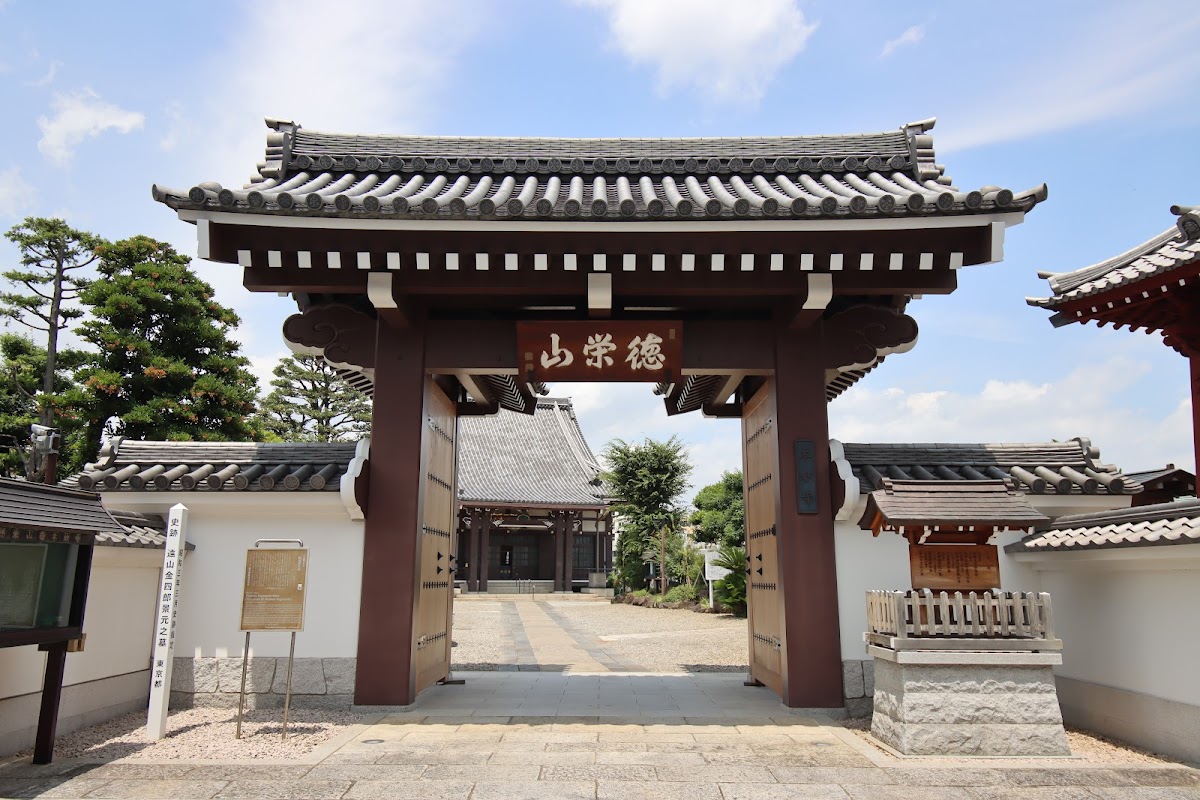
The Niomon Gate, which adorns the entrance to Honmyoji Temple, boasts a magnificent scale, approximately 20 meters high and 14 meters wide. This gate, adorned with a snake’s eye crest, is designated as a nationally registered tangible cultural property and is one of Kumamoto’s representative historical buildings. Passing through the Niomon Gate, a long approach leading to the main hall begins.
Munatsuki Gangi (300-Step Stone Staircase):
What most impresses visitors to Honmyoji Temple is the more than 300-step stone staircase leading from the Niomon Gate to the main hall and then to the Jōchi Mausoleum. This staircase, known as “Munatsuki Gangi,” is lined with stone lanterns on both sides, creating a solemn atmosphere. Climbing the steps is not easy, but the process of ascending step by step is itself a form of spiritual training, deepening the meaning of the pilgrimage.
The stone-paved approach is well-maintained and displays different scenery with each season. Cherry blossoms bloom in spring, and autumn leaves color the path. In particular, the “Honmyoji Cherry Blossom Lantern Festival” is held annually around the end of March, offering a fantastic sight of cherry blossoms and lanterns at night.
Jōchi-byō: The Mausoleum of Kato Kiyomasa
At the top of the stone steps lies Jōchi-byō, the resting place of Kato Kiyomasa. Located at the same height as Kumamoto Castle’s keep, it was built faithfully according to Kiyomasa’s last wishes. In front of the mausoleum stands an 8.2-meter-tall statue of Kiyomasa, watching over the city of Kumamoto with its majestic presence.
The view from Jōchi-byō is magnificent, offering a panoramic view of Kumamoto city. On a clear day, you can even see Kumamoto Castle and Mount Aso, making it a breathtaking spot that makes you forget the fatigue of climbing the 300 stone steps.
Highlights of the Main Hall and Temple Grounds
The main hall is a stately structure, and inside is enshrined the principal image, the Ten Realms Mandala. Inside the main hall, Buddhist services and ceremonies based on the teachings of the Nichiren sect are held, allowing worshippers to quietly offer their prayers.
The temple grounds contain several sub-temples, each with its own unique history and role. These sub-temples continue their religious activities today, preserving traditions that have continued since the Edo period. A stroll through the grounds reveals buildings and stone monuments that evoke a sense of history.
Annual Events at Honmyoji Temple, Kumamoto
Tonshae Ceremony
Every year on July 23rd, Honmyoji Temple holds an important event called the “Tonshae Ceremony.” In 2025, it will mark its 415th anniversary. This long-standing religious service is an important opportunity to deepen one’s faith in the Nichiren sect. Many believers gather to transcribe scriptures and chant sutras.
Cherry Blossom Lanterns
Held around the end of March each year, the “Honmyoji Cherry Blossom Lanterns Ceremony” is a spring tradition that celebrated its 20th anniversary in 2024. The stone lanterns lining the approach to the temple are lit, creating a magical atmosphere alongside the cherry blossoms at night. This event is popular with locals and tourists alike, and is one of Kumamoto’s representative spring events.
Other Annual Events
At Honmyoji Temple, various events are held throughout the year, including the memorial service for Kato Kiyomasa, the Obon (Buddhist festival) memorial service, and the Setsubun (bean-throwing festival). These events are deeply rooted in the religious lives of the local people and are an important element supporting Kumamoto’s culture.
Access and Visiting Information for Honmyoji Temple, Kumamoto
Transportation Access
Using Public Transportation:
- Take the tram or bus from JR Kumamoto Station
- Get off at the “Honmyoji-iriguchi” tram stop, approximately 10 minutes on foot
- Get off at the “Honmyoji-mae” bus stop, approximately 5 minutes on foot
Using a Car:
- Approximately 20 minutes by car from Kumamoto IC
- Parking is available on the temple grounds (spaces are limited, so using public transportation is recommended during busy times)
Visiting Hours and Admission Fee
- Visiting Hours: The temple grounds are generally open all day
- Admission Fee: Free (excluding special viewings)
- Location: 4-13-1 Hanazono, Nishi-ku, Kumamoto City, Kumamoto Prefecture
Precautions When Visiting
- There are 300 stone steps, so comfortable shoes are recommended
- Remember to take precautions against heatstroke in summer and warm clothing in winter
- The temple grounds are a sacred place; therefore, please worship in silence.
- Photography is permitted, but consideration must be given to avoid disturbing religious services or other worshippers.
Honmyoji Temple in Sugamo, Tokyo: History of a Nichiren Buddhist Branch Temple
Founding and History of Honmyoji Temple in Sugamo
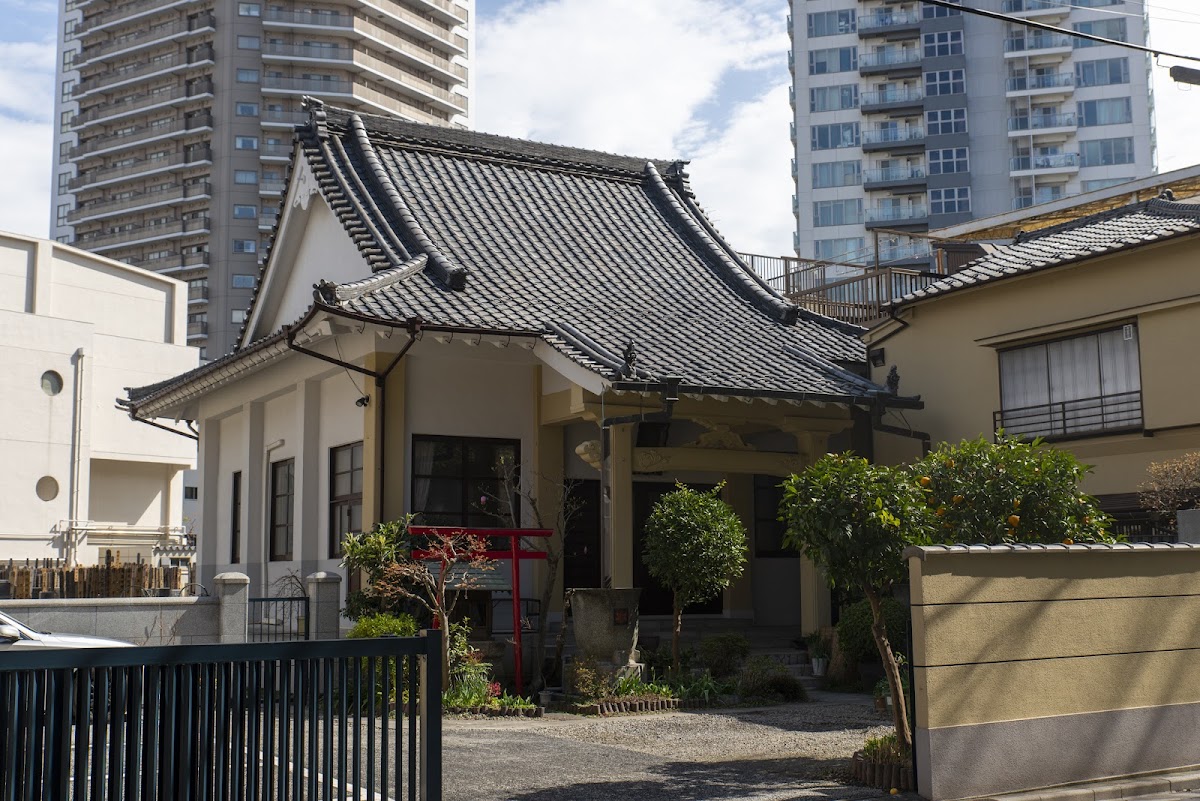
Honmyoji Temple, located in Sugamo 5-chome, Toshima-ku, Tokyo, is a branch temple of the Nichiren Buddhist sect (Jinmon-ryu). Its mountain name is Tokueizan, and its temple name is Sojiin. It belongs to the Jinmon-ryu branch of the Nichiren Buddhist sect, with Honjo-ji Temple in Sanjo City, Niigata Prefecture, as its head temple.
It was founded in 1571 by Chizon-in Nikkei. It attracted the faith of Tokugawa Ieyasu’s retainers, such as Kuze Hironobu, Okubo Tadakatsu, and Okubo Yasutada, and developed as a temple with deep ties to the Tokugawa family. The mountain name “Tokueizan” means “the prosperity of the Tokugawa family,” illustrating the strong connection with the Tokugawa family.
Honmyoji Temple in Sugamo during the Edo Period
During the Edo period, Honmyoji Temple in Sugamo served as an important center of the Nichiren sect in Edo, under the patronage of the Tokugawa family. It attracted the faith of many samurai and merchants, and its grounds expanded. According to records from that time, it was a large temple complex with several sub-temples.
Even after the Meiji Restoration, it continued to exist as a center of faith and remains a beloved place for local residents to this day. Due to its location in Sugamo, it attracts many elderly visitors and is close to the Sugamo Jizo-dori shopping street, known as “Grandma’s Harajuku.”
Honmyoji Temple Today
Currently, Honmyoji Temple in Sugamo functions as a branch temple of the Jinmon-ryu school of the Nichiren sect, conducting daily services and religious ceremonies. The temple grounds have a quiet and peaceful atmosphere, offering a respite from the hustle and bustle of the city. The official website (honmyoji.org) is regularly updated with event information and temple details, making it helpful when planning a visit.
Access to Honmyoji Temple in Sugamo
- Approximately 10 minutes on foot from Sugamo Station on the JR Yamanote Line
- Approximately 10 minutes on foot from Sugamo Station on the Toei Mita Line
- Location: 5-chome, Sugamo, Toshima-ku, Tokyo
Other Honmyoji Temples
Honmyoji Temple in Yawata City
There is also a Honmyoji Temple in Yawata City, Kyoto Prefecture. This is a branch temple of Honryuji Temple of the Hokke-shu Shinmon sect, and houses a statue of Nichiren Shonin. It is believed to have been founded around 1570, at the end of the Muromachi period, and in front of the main hall is a monument commemorating the martyrdom of the second head priest of the main temple, Nichimon Shonin, in the early Momoyama period (1579). This monument is a valuable historical document that conveys the history of Oda Nobunaga’s persecution of the Hokke sect.
Honmyoji Temples throughout Japan
There are temples named “Honmyoji” throughout Japan, belonging to the Nichiren-shu and Hokke-shu sects. Each temple has its own unique history and role in the region, functioning as a base for spreading the teachings of Nichiren Buddhism.
Tourist Spots Around Honmyoji Temple (Kumamoto)
Kumamoto Castle
Located northeast of Honmyoji Temple, Kumamoto Castle is one of Japan’s three most famous castles, built by Kato Kiyomasa. Both Honmyoji Temple and Kumamoto Castle are places associated with Lord Kiyomasa, and visiting both allows for a deeper understanding of his achievements. Although damaged in the 2016 Kumamoto earthquake, restoration work is underway, and it is currently open to visitors.
Suizenji Jojuen Garden
This is a daimyo garden of the Hosokawa family, the lords of the Kumamoto domain, and is a pond-centered strolling garden utilizing the groundwater of Aso. Located about 15 minutes by car from Honmyoji Temple, it is a classic Kumamoto tourist spot.
Sightseeing in Kumamoto City
Around Honmyoji Temple, there are numerous tourist spots where you can experience Kumamoto’s history and culture. Kumamoto boasts a wealth of cultural facilities, including the Kumamoto City Museum of Contemporary Art, the Kumamoto Prefectural Museum of Art, and the former residence of Hosokawa Gyobu, making it possible to spend a full day exploring them.
Significance and Charm of Visiting Honmyoji Temple
Fusion of Faith and History
Honmyoji Temple, especially the one in Kumamoto, is both a place of worship for the Nichiren sect and a sanctuary for the historical figure of Kato Kiyomasa. It is a rare space where religious significance and historical value are fused, inspiring many people regardless of their religious beliefs.
Breathtaking Views and a Sense of Accomplishment
Climbing the 300 stone steps is a physically demanding challenge and a valuable experience for modern people. The panoramic view of Kumamoto city that unfolds at the top is a magnificent reward for the effort, and a moment when many visitors feel, “It was worth the climb.”
Seasonal Expressions
Honmyoji Temple displays different expressions in each of the four seasons: cherry blossoms in spring, fresh greenery in early summer, autumn leaves, and the tranquility of winter. Visiting in each season offers new discoveries and unforgettable experiences. The cherry blossom lantern season, in particular, is a special time to enjoy the magical atmosphere of the approach to the shrine at night.
Manners and Etiquette for Visiting Honmyoji Temple
Basic Visiting Manners
- Bow when passing through the Niomon Gate
- Avoid walking in the center of the approach (the center is considered the path of gods and Buddhas)
- Pray quietly and sincerely in the main hall
- Remember to show respect to Lord Kato Kiyomasa at the Jōchi Mausoleum
Photography Manners
- Be considerate and avoid disturbing ceremonies or other visitors
- Permission may be required to photograph inside the main hall
- When posting on social media, be mindful of the sacred nature of the place
Clothing and Belongings
- There are no specific dress code requirements, but avoid revealing clothing
- Comfortable shoes are essential as you will be climbing stone steps
- Bring drinking water, a towel, and a hat in summer
- Dress warmly in winter
Cultural Properties and Treasures of Honmyoji Temple
Nationally Registered Tangible Cultural Property
The aforementioned Niomon Gate is designated as a Nationally Registered Tangible Cultural Property, recognized for its architectural style and historical value. The magnificent gate, adorned with a snake’s eye crest, represents the pinnacle of Edo period architectural technology.
Temple Treasures and Documents
Honmyoji Temple houses items related to Kato Kiyomasa, ancient documents from the Edo period, and Buddhist art objects. These are usually not open to the public, but are sometimes exhibited on special occasions.
Honmyoji Temple and the Local Community
Center of Local Faith
Since its founding, Honmyoji Temple has functioned as a center of faith for the local residents. Even today, it has many parishioners and contributes to the community through funerals, memorial services, and annual events.
Role as a Tourism Resource
Kumamoto Honmyoji Temple is also an important tourism resource for Kumamoto Prefecture. It is featured on the official tourism website and attracts many tourists from both Japan and abroad. It also makes a significant contribution to the local economy, working in cooperation with surrounding restaurants and accommodations to promote tourism.
Dissemination of Education and Culture
Honmyoji Temple not only spreads the teachings of the Nichiren sect, but also plays an educational role in conveying the achievements of Lord Kato Kiyomasa and the history of Kumamoto. It is used as a site for school trips and history studies, contributing to the transmission of culture to future generations.
Model Course for Visiting Honmyoji Temple
Half-Day Course (2-3 hours)
- Arrival at Niomon Gate and commemorative photo (10 minutes)
- Admiring the stone lanterns while climbing the approach to the temple (30 minutes)
- Visiting the main hall (20 minutes)
- Visiting Jochibyo and viewing the statue of Kato Kiyomasa (20 minutes)
- Enjoying the view (20 minutes)
- Strolling around the temple grounds and visiting sub-temples (30 minutes)
- Descending the mountain and exploring the surrounding area (30 minutes)
Full-Day Course (Combined with Kumamoto sightseeing)
Morning: Visit Honmyoji Temple (as per the half-day course above)
Afternoon: Visit Kumamoto Castle → Suizenji Jojuen Garden → Stroll through Kumamoto city
This course allows you to efficiently visit places associated with Kato Kiyomasa.
Information Sources and Links Regarding Honmyoji Temple
Official Websites
- Kumamoto Honmyoji Temple: http://www.honmyouji.jp/
- Sugamo Honmyoji Temple: https://www.honmyoji.org/
These official websites provide the latest event information, visitor guides, and historical materials. It is recommended to check them before visiting.
Tourism Information Websites
Detailed information about Honmyoji Temple is also available on the Kumamoto Prefecture official tourism website, “Motto, Motto! Kumamoto,” and the Kumamoto City tourist guide. They also offer abundant information on access methods and surrounding tourist spots.
Summary: Experience the Charm of Honmyoji Temple
Honmyoji Temple is a temple with multifaceted charm, serving as a place of faith for the Nichiren sect and a historical site associated with Kato Kiyomasa. Climbing the 300 stone steps of Kumamoto Honmyoji Temple and overlooking Kumamoto city from the Jochi-byo mausoleum provides a deeply moving experience for visitors.
Honmyoji Temple in Sugamo, Tokyo, is a branch temple of the Nichiren sect with deep ties to the Tokugawa family, offering a tranquil space in the heart of the city. Learning about the unique history and culture of each Honmyoji Temple will deepen your understanding of Japanese religious culture and history.
When visiting, it is important to dress appropriately, be well-prepared, and observe proper etiquette. We encourage you to visit Honmyoji Temple and experience its ever-changing beauty throughout the seasons. The charm of Honmyoji Temple, where history and faith, nature and culture, blend together, will surely leave a lasting impression on your heart.