Myogyoji Temple Complete Guide | A Thorough Explanation of the History, Access, and Characteristics of Major Myogyoji Temples Nationwide
Myogyoji temples are a group of Buddhist temples belonging to the Nichiren and Hokke sects, located throughout Japan. Each Myogyoji temple has its own unique history and characteristics, and has played an important role as a center of faith in its region. This article provides a detailed explanation of the major Myogyoji temples, including their founding history, historical background, access methods, and the unique charm of each temple.
What is Myogyoji Temple?
Myogyoji temples are mainly temples belonging to the Nichiren and Hokke sects, and were established in various locations as centers of faith that inherited the teachings of Nichiren Shonin. The name “Myogyoji” means wondrous practice based on the teachings of the Lotus Sutra, and was named as such to signify a place to practice the teachings of Nichiren Shonin.
There are multiple Myogyoji temples throughout Japan, each deeply connected to the history and culture of its region. Myogyoji Temples are located in Tokyo alone, in Shinjuku Ward and Toshima Ward, and are scattered throughout various locations including Nagoya City in Aichi Prefecture, Ichikawa City in Chiba Prefecture, Yamato-Takada City in Nara Prefecture, and Kyotamba Town in Kyoto Prefecture.
Inariyama Myogyoji Temple (Shinjuku Ward, Tokyo)
History and Founding
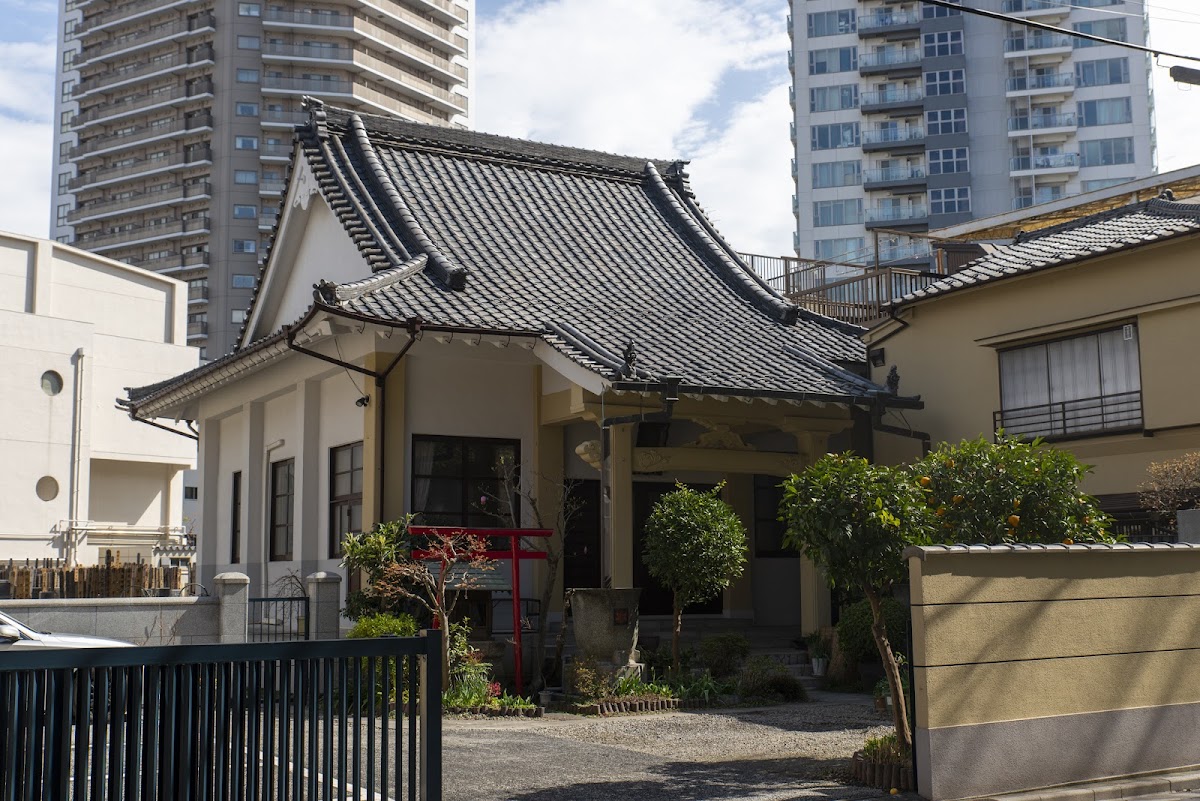
Located in Wakaba, Shinjuku Ward, Inariyama Myogyoji Temple is affectionately known locally as the “Temple with the Red Gate.” Its founder was Honryuin Nichijun (later renamed Nichigaku), and it is believed to have been established around 1460. Initially built in Shimizu Valley near Edo Castle, it was relocated to its current location in 1634 (Kanei 11) due to the expansion of Edo Castle.
This relocation was part of the Tokugawa Shogunate’s urban planning for Edo, and many temples were forced to move at the same time. During the reign of the 10th Shogun, Tokugawa Ieharu, its relationship with the shogunate deepened, and it came to occupy an important position as a Nichiren Buddhist temple in Edo.
Temple Grounds and Features
Myogyoji Temple in Shinjuku Ward is a temple that maintains a tranquil atmosphere despite being in the heart of Tokyo. Its iconic red gate welcomes visitors. Within the temple grounds, the main hall and other buildings dedicated to Nichiren Shonin are arranged, and various religious services and events are held here.
Access
It is located approximately 5 minutes on foot from Yotsuya-sanchome Station on the Tokyo Metro Marunouchi Line, or approximately 10 minutes on foot from Yotsuya Station on the JR Chuo and Sobu Lines. It is also close to Shinjuku Gyoen National Garden, situated in a quiet environment away from the hustle and bustle of the city center.
Chotokuzan Myogyoji Temple (Toshima Ward, Tokyo)
History and Founding
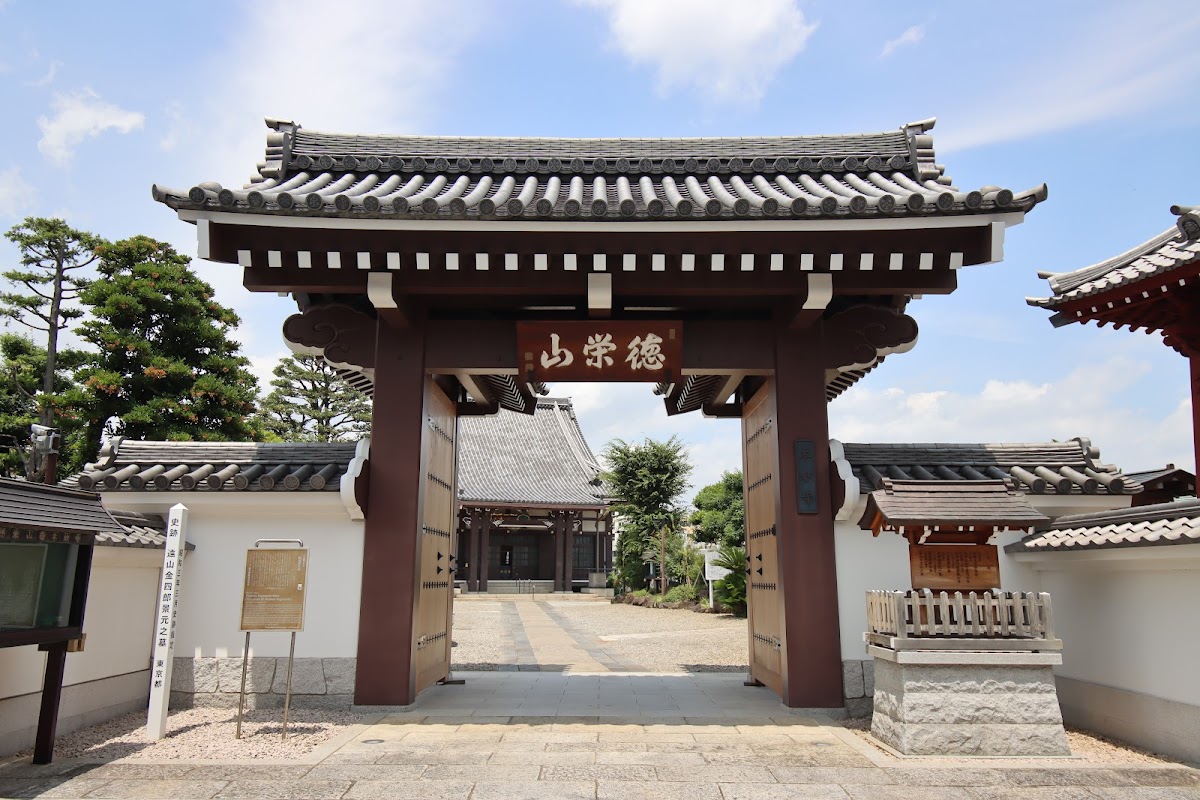
Located in Nishisugamo, Toshima Ward, Chotokuzan Myogyoji Temple belongs to the Jinmon-ryu branch of the Nichiren sect. It was founded in 1604 (Keicho 9) in Shimizu-dani, Kojimachi, Edo, by Nichizen. Later, in 1624 (Kanei 1), it was relocated to its current location.
The Hokke-shu Jinmon-ryu is one of the Buddhist sects that inherits the teachings of Nichiren Shonin, and it has its own unique doctrines and system of practice. The principal object of worship is the Great Mandala, and faith is centered around the mandala depicted by Nichiren Shonin.
Cemetery and Perpetual Memorial Service
Myogyoji Temple in Toshima Ward, Tokyo, is one of the few temples in Tokyo that has a cemetery and also offers perpetual memorial services. It provides memorial service forms that meet modern needs, and is used by those who have no successors or who do not want to burden their descendants.
Access
It is located approximately 10 minutes on foot from Sugamo Station on the JR Yamanote Line, or approximately 7 minutes on foot from Nishi-Sugamo Station on the Toei Mita Line. It is also accessible from the Sugamo Jizo-dori Shopping Street, known as “Grandma’s Harajuku.”
Hiroyama Myogyoji Temple (Nakamura Ward, Nagoya City, Aichi Prefecture)
History and its Connection to Kato Kiyomasa
Located in Nakamura-cho, Nakamura Ward, Nagoya City, Hiroyama Myogyoji Temple is a Nichiren Buddhist temple, and its mountain name is also known as Shoetsuzan or Hiroyama. The principal image is the Lotus Sutra. This temple is particularly known as the birthplace of the Sengoku period warlord Kato Kiyomasa.
Kato Kiyomasa was a devout follower of Nichiren Buddhism, and it is said that he carried a statue of Nichiren Shonin with him during the Korean campaigns. Myogyoji Temple attracts many visitors due to its connection to Kiyomasa. Its former head temple was the Daihonzan Honkokuji Temple (Rokujo-mon branch), and it inherits a prestigious lineage within the Nichiren sect.
Modern Activities and Memorial Services
Myogyoji Temple in Nagoya offers a variety of memorial services that meet modern needs. Popular memorial services include those for wallets, dolls, and cremation ceremonies, expressing gratitude for everyday items. The temple also offers pet memorial services and perpetual memorial services, actively fulfilling its role in modern society.
The temple also accepts various prayers, including memorial services, funerals, Buddhist ceremonies, prayers for traffic safety, and house purification, functioning as a center of local faith. It actively disseminates information through social media and its website, striving to operate as a temple open to younger generations.
Access
Located approximately 5 minutes on foot from Iwatsuka Station on the Nagoya Municipal Subway Higashiyama Line. Easily accessible from Nagoya Station, it is affectionately known locally as “Iwatsuka’s temple.”
Harakiyama Myogyoji Temple (Ichikawa City, Chiba Prefecture)
History and Ascetic Training Hall
Located in Ichikawa City, Harakiyama Myogyoji Temple is an independent Nichiren Buddhist temple founded in 1538. The most distinctive feature of this temple is the Aragyo-do (Ascetic Training Hall), which has been in place since 1958.
The Aragyo-do is known as a place where Nichiren Buddhist monks undergo rigorous training. The Aragyo-do, held annually in winter, is a demanding 100-day ascetic practice that involves training the mind and body through practices such as water purification and chanting. Monks who complete this Aragyo-do become qualified to perform prayers and rituals.
Relationship with the Nichiren Sect
Harakiyama Myogyoji Temple, as a temple belonging to the Nichiren Sect, develops its own unique doctrines and practices. Information on religious services and events, as well as sermons by the head priest, are disseminated through its official website.
Access
The temple is located approximately 8 minutes on foot east from Harakiyama-Nakayama Station on the Tokyo Metro Tozai Line. It is easily accessible from central Tokyo and attracts many visitors.
Myogyoji Temple (Yamato-Takada City, Nara Prefecture)
Features and Columbarium
Located in Yamato-Takada City, Nara Prefecture, Myogyoji Temple is a temple of the Nichiren sect, specifically of Mount Minobu, and boasts a long history. Situated in Yamato-Takada, known for its beautiful cherry blossoms along the Takada River, it attracts many visitors during the spring.
A key feature of this temple is its columbarium, equipped with an indoor altar for perpetual care. This modern form of memorial service is chosen by those concerned about the maintenance of traditional graves.
Access
It is within walking distance of Takada-shi Station on the Kintetsu Minami-Osaka Line or Takada Station on the JR Wakayama Line. It is also easily accessible from within Nara Prefecture.
Myogyoji Temple (Kyotamba-cho, Funai-gun, Kyoto Prefecture)
History and Myoken Faith
Located in Kyotamba-cho, Kyoto Prefecture, Myogyoji Temple was established in 1574 (Tensho 2) as a branch temple of Chomyoji Temple, the head temple of the Nichiren sect in Kyoto. A distinctive feature of this temple is the enshrinement of Nose Myoken within its grounds.
Myoken Bodhisattva is a Buddhist guardian deity, a deification of the North Star, and is widely worshipped as an object of faith for good fortune and protection against evil. It is affectionately known as “Myoken-san of Good Fortune” by local residents, and many worshippers visit for New Year’s prayers and other occasions.
Perpetual Memorial Grave “Annonbyo”
Our temple’s perpetual memorial grave, “Annonbyo,” is attracting attention as a facility where the deceased can be commemorated in a natural setting. Perpetual memorial services are conducted in the rich natural environment of Kyoto.
Access
The nearest station is JR San’in Main Line’s “Wachi Station,” but access by car is more convenient. It takes about an hour from Kyoto city center via National Route 9.
Faith and Practice at Myogyoji Temple
Teachings of the Nichiren Sect
Most Myogyoji temples belong to the Nichiren sect and carry on the teachings of Nichiren Shonin. The Nichiren sect considers the Lotus Sutra to be the supreme scripture and teaches that one can attain Buddhahood by chanting the title “Namu Myoho Renge Kyo.”
Nichiren Shonin was a monk who was active during the Kamakura period and dedicated his life to spreading the teachings of the Lotus Sutra. His teachings have been continuously passed down to the present day and are practiced at Nichiren sect temples throughout Japan.
Memorial Services and Annual Events
Myogyoji Temple holds various memorial services and events throughout the year. The main events include the following:
- Oeshiki: The most important memorial service held around October 13th, the anniversary of Nichiren Shonin’s death.
- Setsubun-e: A bean-throwing ceremony and prayer for warding off evil held on February 3rd.
- Obon Memorial Service: A summer memorial service for ancestors.
- Spring and Autumn Equinox Services: Ancestor memorial services centered around the spring and autumn equinoxes.
The Role of Temples in Modern Times
In addition to traditional religious activities, Myogyoji Temple plays diverse roles in the local community. Beyond traditional activities such as funerals and memorial services, it offers memorial services that meet modern needs, including doll memorial services, wallet memorial services, and pet memorial services.
Furthermore, temple management adapted to the digital age is progressing, including information dissemination through social media and websites, and the implementation of online memorial services. Each temple is also making efforts to pass on Buddhist teachings to younger generations.
Visiting Myogyoji Temple
Etiquette for Visiting
The basic etiquette for visiting Myogyoji Temple is as follows: 1. A Bow at the Temple Gate: Bow before entering the temple grounds.
- Purifying at the Water Basin: Cleanse your hands and mouth.
- Worship at the Main Hall: Join your hands in prayer and chant “Namu Myoho Renge Kyo.”
- Offering a Coin: Offer a coin with sincere feelings.
- A Bow Upon Departure: Bow again when leaving the temple grounds.
Goshuin and Goshudai
Many Myogyoji temples offer goshuin (temple stamps) and goshudai (calligraphic inscriptions). In the Nichiren sect, goshudai with “Namu Myoho Renge Kyo” written on them are distinctive. Many visitors bring goshuin notebooks as a memento of their visit and as proof of their faith.
Consultation and Prayers
At Myogyoji temple, you can consult with the head priest or monks about various worries and problems in life. Furthermore, prayers are accepted for various purposes, including family safety, business prosperity, academic success, and recovery from illness.
Myogyoji Temple’s Architecture and Cultural Assets
Characteristics of Temple Architecture
The architecture of Myogyoji Temple exhibits a typical style of Nichiren Buddhist temples. The main hall is at the center, surrounded by the guest hall, priest’s quarters, bell tower, etc., and the entire temple grounds are designed to function as a place of training and faith.
The red gate of Myogyoji Temple in Shinjuku is a valuable relic that conveys the characteristics of Edo period temple architecture. In addition, each temple preserves historical Buddhist statues, Buddhist implements, and ancient documents, playing an important role as regional cultural assets.
Gardens and Natural Environment
Many Myogyoji Temples are blessed with beautiful gardens and natural environments. You can enjoy the beauty of the four seasons, such as the thousand cherry trees near Myogyoji Temple in Nara and the rich natural environment of Myogyoji Temple in Kyoto.
Myogyoji Temple and the Local Community
Local Centers of Faith
Myogyoji Temples have functioned as centers of faith in their respective regions. Through the danka system (parishioner system), Myogyoji Temple maintains deep ties with local residents and contributes to the maintenance of the local community through weddings, funerals, and annual events.
Cultural Activities and Social Contribution
Modern Myogyoji Temple focuses not only on religious activities but also on cultural and social contribution activities. Through various activities such as sutra copying sessions, Dharma talks, and children’s events, it deepens its interaction with the local community.
Furthermore, it fulfills social roles such as functioning as a disaster evacuation center and supporting the elderly in the community.
Summary
Myogyoji Temples are an important group of Nichiren and Hokke sect temples scattered throughout Japan. Each Myogyoji Temple has played an important role as a center of local faith and culture throughout its long history since its founding.
While Myogyoji Temples in various locations such as Shinjuku Ward and Toshima Ward in Tokyo, Nagoya City in Aichi Prefecture, Ichikawa City in Chiba Prefecture, Yamato-Takada City in Nara Prefecture, and Kyotamba Town in Kyoto Prefecture each have their own unique history and characteristics, they share the common mission of inheriting and transmitting the teachings of Nichiren Shonin to the present day.
In modern society, Myogyoji Temple maintains its traditional religious activities while also developing new initiatives to meet the needs of the times. By offering services such as perpetual memorial services, pet memorial services, and various prayer services, it caters to diverse forms of faith and contributes to the local community as an open temple.
Those considering visiting Myogyoji Temple or performing various memorial services are advised to check the characteristics and access methods of each temple to choose the one that best suits their needs. Consulting with the head priest or temple staff will help you find the most appropriate method of memorial service or faith.
Myogyoji Temple, which continues to transmit the teachings of Nichiren Shonin, will undoubtedly continue to be a place of faith that connects the past to the future, serving as a spiritual haven for many people.