Jofuku-ji Temple (Otoyo-cho, Kochi Prefecture) Complete Guide | The Charm of the Ancient Temple Founded by Gyoki and the Laughing Jizo
Located in Ao, Otoyo-cho, Nagaoka-gun, Kochi Prefecture, Jofuku-ji Temple is an ancient temple of the Shingon Chizan sect, said to have been founded by the renowned monk Gyoki during the Nara period. With a history of nearly 1300 years since its founding in 724 AD, this temple houses a valuable collection of Buddhist statues, including six laughing Jizo statues, said to be the only ones of their kind in Japan, created from the Heian period to the Kamakura period. Also known as the 61st temple on the New Shikoku Mandala Pilgrimage, it currently functions as the Toyonaga-go Folk Museum, preserving the history and culture of the region.
History and Overview of Jofuku-ji Temple
Founding and Early Period
Jofuku-ji Temple was founded in 724 AD, during the reign of Emperor Shomu. It is said that Jofuku-ji Temple was founded by Gyōki, a prominent Buddhist monk of the Nara period, and was initially known by the formal name “Aōzan Kankiin Jōfuku-ji.” Gyōki is known for establishing temples and social projects throughout Japan, and Jōfuku-ji Temple is believed to have been built as part of these activities.
Records indicate that at the time of its founding, Jōfuku-ji Temple boasted a magnificent complex of buildings including a Niomon Gate, a teaching hall, a long building, a Daishi Hall, and a bell tower. Despite its mountainous location, it became a center of Shingon Esoteric Buddhism and a popular religious site for the region, attracting many monks and worshippers.
History of Fire and Reconstruction
The most significant turning point in the history of Jōfuku-ji Temple was a major fire that occurred between the Meiwa and An’ei periods (1764-1780). This fire destroyed the main hall and other major buildings, resulting in catastrophic damage to the temple. Fortunately, however, many Buddhist statues, including the principal image of Amida Buddha, escaped destruction thanks to the efforts of the monks and parishioners.
Reconstruction after the fire was extremely difficult, but with the support of local residents and the cooperation of parishioners, the temple complex was gradually restored. The current main hall was rebuilt after this fire and retains a style that strongly reflects the characteristics of Shingon Buddhist temples. Throughout the Meiji, Showa, and Heisei eras, restorations and improvements have been carried out, leading to its current state.
Positioning as a Shingon Chizan-ha Temple
Jofuku-ji Temple, as a temple belonging to the Shingon Chizan-ha sect, has continued to uphold the teachings of Esoteric Buddhism. The Shingon Chizan-ha sect is a branch of Shingon Buddhism with Chishaku-in Temple in Kyoto as its head temple, and has many branch temples in Kochi Prefecture. Jofuku-ji Temple is also designated as the 61st temple of the New Shikoku Mandala Pilgrimage, and functions as a base for pilgrimages separate from the Shikoku Pilgrimage.
Highlights of the Main Hall and Temple Grounds
Architectural Style of the Main Hall
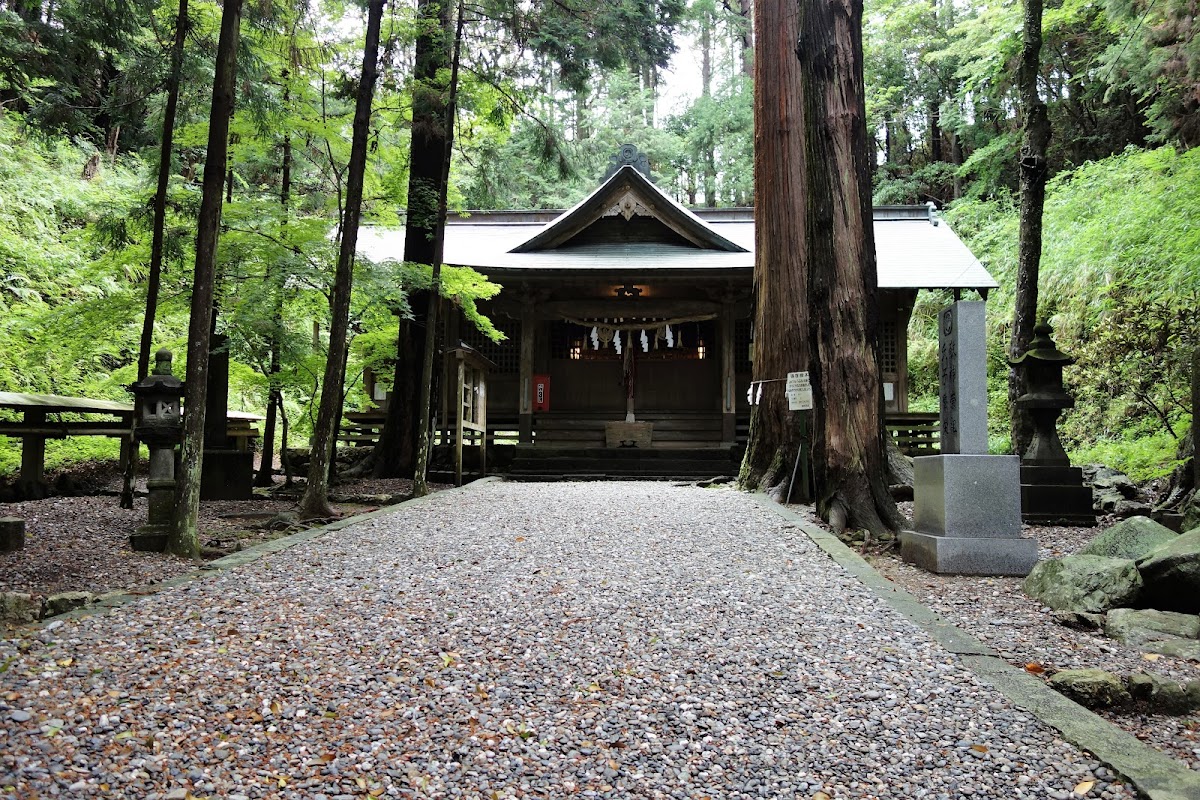
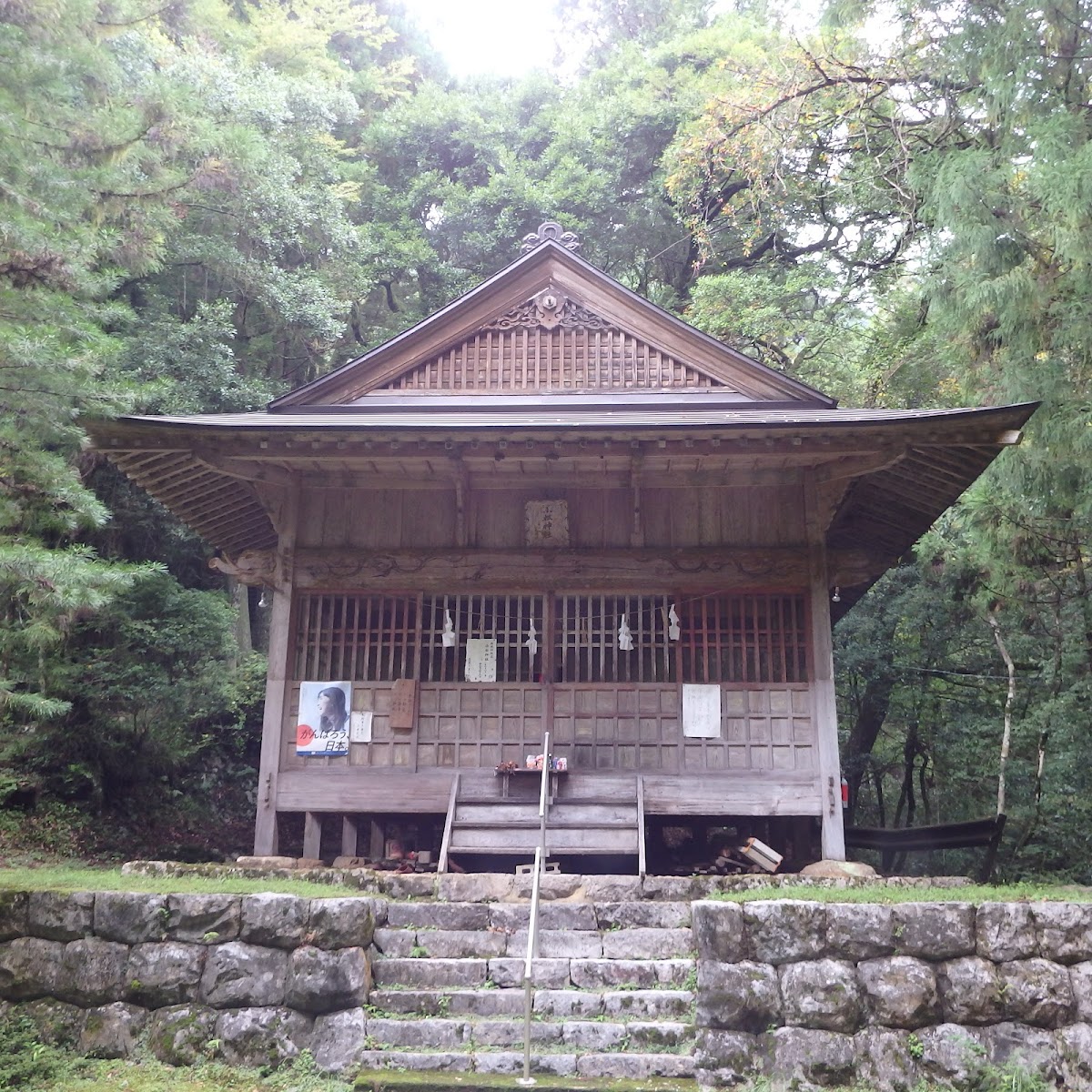
The current main hall of Jofuku-ji Temple employs the traditional architectural style of Shingon Buddhist temples, with five bays in length and five bays in width, a hipped roof covered with copper plates, and a front portico. The central three bays form the inner sanctuary with a coffered ceiling, the front bay is the outer sanctuary, the sides are the side sanctuaries, and the rear is the rear sanctuary.
While some of the sides have sliding doors, the rest are covered with horizontal planks, creating a distinctive, enclosed appearance. This is thought to have contributed to the mystical atmosphere characteristic of esoteric Buddhist temples, as well as to protect the building given its mountainous location. Built facing south at the back of the temple grounds, the main hall exudes a tranquil atmosphere that harmonizes with its mountainous environment.
Layout and Facilities of the Temple Grounds
The grounds of Jofuku-ji Temple are laid out on the slope of the mountain, with the various buildings arranged around the main hall. In the past, the temple complex included numerous structures such as the Niomon Gate, Daishido Hall, and Bell Tower, but many were lost in fires. Currently, the main hall and treasure hall are the primary buildings.
A well-maintained approach path runs through the temple grounds, allowing visitors to enjoy the changing seasons while paying their respects. Especially during the spring when the new leaves appear and the autumn when the leaves change color, visitors can enjoy the beautiful scenery unique to a temple nestled in the mountains.
Inner Sanctuary and Surrounding Facilities
Jofuku-ji Temple also has an inner sanctuary, which functions as a place of deeper faith. Located further into the mountains from the main hall, the inner sanctuary provides a tranquil space for ascetic practice and meditation.
Valuable Cultural Assets and Buddhist Statues
Principal Image: Seated Amida Buddha Statue
The principal image of Jofuku-ji Temple, the seated Amida Buddha statue, is a valuable Buddhist statue estimated to have been created in the late 11th to early 12th century, during the late Heian period. This statue features Amida Buddha in a graceful posture, forming the meditation mudra, and a compassionate expression promising salvation in the afterlife.
This Buddha statue, which survived fires from the Meiwa to An’ei periods, has been revered for over 900 years. Despite being a wooden statue, its excellent state of preservation demonstrates the high level of Buddhist sculpture technique during the Heian period.
Attendant Bodhisattvas: Yakushi Nyorai and Jizo Bodhisattva
Yakushi Nyorai and Jizo Bodhisattva are enshrined as attendant bodhisattvas to the main image. These statues are believed to have been created around the same time as the main image, and their arrangement in a triad form expresses a more solemn Buddhist world.
Yakushi Nyorai represents salvation from illness and suffering, while Jizo Bodhisattva plays the role of saving sentient beings through the six realms of existence. Together with Amida Buddha, this arrangement symbolizes salvation in both this world and the afterlife.
Japan’s Only Six Smiling Jizo Statues
One of the most distinctive features of Jofuku-ji Temple is its six smiling Jizo statues, said to be the only ones of their kind in Japan. While Jizo Bodhisattva is usually depicted with a gentle expression, the six Jizo statues at Jofuku-ji Temple each possess a unique, smiling face.
These smiling Jizo statues are believed to have been created as the Six Jizo, each representing one of the six realms (hell, hungry ghosts, animals, asuras, humans, and heaven). They are a rare example of the profound compassion of Jizo Bodhisattva, who saves all sentient beings with a smile even in the realm of suffering, and are noteworthy in the history of Buddhist art.
In 2015, these smiling Jizo statues, along with Fudo Myoo, were exhibited at the “Shikoku Pilgrimage 1200th Anniversary: *The Path of Prayer* – Shikoku Pilgrimage and the Buddhas of Tosa –” exhibition held at the Tama Art University Museum, attracting nationwide attention.
Other Important Cultural Properties
Besides the Laughing Jizo statue, Jofuku-ji Temple houses numerous other valuable Buddhist statues and cultural artifacts. The collection of Buddhist statues, including Fudo Myoo (Acala), other Myoo statues, Kannon Bodhisattva statues, and Tenbu (heavenly beings) statues, created from the Heian to Kamakura periods, is crucial for understanding the development of Buddhist culture in the Tosa region.
Furthermore, ancient documents, scriptures, and Buddhist implements are preserved, attracting attention from researchers as valuable historical materials that tell the story of the temple’s history.
Jofuku-ji Temple Treasure Hall (Toyonaga Folk Museum)
Completion and Role of the Treasure Hall
To properly protect the numerous cultural properties owned by Jofuku-ji Temple and make them widely available to the public, the Jofuku-ji Temple Treasure Hall was completed in 2015. This treasure hall is equipped with modern facilities that can control temperature and humidity, making it possible to preserve valuable Buddhist statues and cultural artifacts in an optimal environment.
At the Treasure Hall, you can view the principal image, the seated Amida Buddha statue, and six laughing Jizo statues, among other Buddhist statues, up close. The exhibits are designed to be easily understood even by those unfamiliar with Buddhist art, with comprehensive explanatory panels and video materials.
Function as the Toyonaga Folk Museum
The Treasure Hall also functions as the “Toyonaga Folk Museum,” displaying not only cultural artifacts from Jofuku-ji Temple but also folk and historical materials passed down in the Toyonaga district of Otoyo Town. Currently, the NPO Toyonaga Folk Museum Preservation Association manages the museum, continuing its activities to pass on the region’s history and culture to future generations.
A Kochi Shimbun article from February 27, 2015, reported that the cultural property preservation activities started by Jofuku-ji Temple were taken over by the Toyonaga Folk Museum Preservation Association, and this was praised as a pioneering initiative in cultural property preservation by a local community.
Exhibition Contents and Points to Note
The exhibits in the Treasure Hall are structured to allow visitors to trace the history of Jofuku-ji Temple chronologically. The changes in the temple from its founding to the present day, the history of fires and reconstructions, and detailed explanations of the Buddhist statues housed within are clearly displayed.
Of particular note is the exhibition of six laughing Jizo statues. Visitors can compare the differences in the expressions and sculptural characteristics of each statue, appreciating the high level of skill and creativity of the Buddhist sculptors. Furthermore, careful consideration has been given to the lighting and display angles, allowing visitors to fully appreciate the three-dimensionality and texture of the Buddhist statues.
As the 61st Temple of the New Shikoku Mandala Pilgrimage
What is the New Shikoku Mandala Pilgrimage?
The New Shikoku Mandala Pilgrimage is a pilgrimage route established separately from the Shikoku 88 Temple Pilgrimage, with 88 temples located mainly in Kochi Prefecture. Jofuku-ji Temple is the 61st temple on this pilgrimage route, welcoming many pilgrims. While the Shikoku 88 Temple Pilgrimage covers a wide area, the New Shikoku Mandala Pilgrimage is a more locally focused pilgrimage route, attracting the faith of local people. Each temple has its own unique history and characteristics, allowing pilgrims to gain a deep understanding of the local culture and history through the pilgrimage.
Welcoming Pilgrims
Jofuku-ji Temple, as a temple on the New Shikoku Mandala Pilgrimage, is well-equipped to welcome pilgrims. Pilgrims can receive temple stamps and images at the temple office, serving as mementos of their pilgrimage. Information on the temple’s history and cultural assets is also provided, allowing pilgrims to appreciate the temple’s charm rather than simply passing through.
Access and Visiting Information
Location and Transportation Access
Jofuku-ji Temple is located in Ao, Otoyo-cho, Nagaoka-gun, Kochi Prefecture. As it is a temple located in a mountainous area, access by car is convenient. It is approximately a 20-minute drive from the Otoyo Interchange on the Kochi Expressway, and can be accessed via national and prefectural roads.
If using public transportation, the nearest station is Ōtoyo Station on the JR Dosan Line. However, the temple is a considerable distance from the station, so we recommend taking a taxi or renting a car.
Visiting Hours and Precautions
We recommend checking the opening hours of the Jōfuku-ji Temple Treasure Hall and visiting hours in advance. Opening hours may change depending on the season and events. Also, there may be an entrance fee to visit the Treasure Hall, so it’s a good idea to check this in advance as well.
Because it is located in a mountainous area, there is a possibility of snow and icy roads in winter. Depending on the time of year you visit, you may need to prepare winter tires or chains, so we recommend checking the weather and road conditions before visiting.
Nearby Tourist Attractions
Besides Jōfuku-ji Temple, Ōtoyo Town has many other attractions, such as the Sugi no Ōsugi (Yasaka Shrine) and the natural scenery of Toyonaga-gō. Visiting these in conjunction with sightseeing in the Tosa Reihoku region will allow you to enjoy a more fulfilling trip.
Cultural Significance and Future Prospects of Jofuku-ji Temple
As a Preservation Hub for Regional Culture
Jofuku-ji Temple is more than just a religious facility; it serves as an important hub for preserving and passing on the history and culture of the Toyonaga district in Otoyo Town. In collaboration with the NPO Toyonaga-go Folklore Preservation Society, it also collects and preserves local folklore and historical materials, playing a central role in regional identity.
In mountainous and rural areas facing depopulation, this initiative, which links cultural property protection with regional development, is attracting attention as a model case for other regions.
Importance in Buddhist Art Research
The collection of Buddhist statues from the Heian to Kamakura periods held by Jofuku-ji Temple is invaluable for understanding the development of Buddhist culture in the Tosa region. In particular, the six laughing Jizo statues occupy a unique position in the study of Jizo worship in Japan, and further academic research is expected.
The cultural properties of Jofuku-ji Temple have attracted nationwide attention, including exhibitions at the Tama Art University Museum, and it is expected that they will be exhibited and introduced at various opportunities in the future.
Towards Sustainable Cultural Property Preservation
While the preservation environment for cultural properties has greatly improved with the completion of the Treasure Hall in 2015, continuous efforts are needed for the maintenance of buildings and facilities, as well as professional preservation and restoration work. Activities by local residents, centered around the NPO Toyonaga-go Folklore Preservation Association, along with support from the government and experts, and the understanding and cooperation of visitors, are key to passing on Jofuku-ji Temple’s cultural properties to future generations.
Summary
Jofuku-ji Temple is a representative ancient temple of Kochi Prefecture, with a history of nearly 1300 years since its founding in 724 AD. From its founding by Gyoki, through fires and reconstructions during the Meiwa and An’ei periods, and up to the present day, it has overcome many difficulties and continued to exist as a center of faith in the region.
The temple houses precious cultural artifacts, including the principal image of Amida Buddha and the six laughing Jizo statues, said to be the only ones of their kind in Japan, preserving the essence of Heian period Buddhist art. The completion of the treasure hall in 2015 made it possible to preserve these cultural artifacts in an appropriate environment while making them widely available to the public.
As a temple of the Shingon Chizan sect and the 61st stop on the New Shikoku Mandala Pilgrimage, Jofuku-ji Temple continues to welcome many visitors. It also functions as the Toyonaga-go Folk Museum, playing an important role in passing on the region’s history and culture to future generations.
When visiting Otoyo-cho in Kochi Prefecture, be sure to stop by Jofuku-ji Temple and experience its historical significance and the magnificence of its cultural treasures. In this ancient temple nestled in the quiet mountains, you can experience a world of faith and art that has been passed down for over a thousand years.