Complete Guide to Komatsu Shrines | Thorough Explanation of History, Deities, and Access Information for Shrines Across Japan
There are several shrines named “Komatsu Shrine” throughout Japan. Each has its own unique history and traditions, and has attracted local devotion. This article provides a detailed explanation of Komatsu Shrines located in Hanyu City, Saitama Prefecture, Kami City, Kochi Prefecture, Katano City, Osaka Prefecture, and other locations, including their history, enshrined deities, highlights within the grounds, and access methods.
What is Komatsu Shrine? Historic Shrines Scattered Across Japan
Komatsu Shrine does not refer to a single specific shrine; there are shrines with the same name throughout Japan. Each shrine has a different founding history, and the enshrined deities are diverse. The main Komatsu Shrines are located in the following regions:
- Hanyu City, Saitama Prefecture: Known as a shrine associated with the Taira clan
- Monobe-cho, Kami City, Kochi Prefecture: An ancient shrine that attracts the faith of the Monobe region
- Katano City, Osaka Prefecture: Affectionately known as Hoshida Myoken-gu
- Around Komatsu City, Ishikawa Prefecture: Several historical shrines exist
These shrines each play an important role as local tutelary deities and places that pass down historical traditions.
Komatsu Shrine in Hanyu City, Saitama Prefecture | Taira Clan and Genpei War Historical Sites
Founding and History
Komatsu Shrine, located in Hanyu City, Saitama Prefecture, is an ancient shrine said to have been founded by Yamato Takeru during the reign of Emperor Keiko (around 55 AD). It is known as one of the most historically significant shrines in the Kanto region.
During the Jōan era (1171-1175), there is a legend that a ginkgo tree was planted as a marker for the burial site of Taira no Shigemori (Komatsu Naidaijin), a senior retainer of the Taira clan. Because of this history, Taira no Shigemori came to be enshrined as one of the deities, making the shrine deeply connected to the Taira clan.
In 1648 (Keian 1), it was designated as the guardian shrine for 72 towns and villages in the Hanyu domain, becoming a center of local faith. Due to this historical background, it is also attracting attention as a historical site visited by worshippers interested in the history of the Genpei War and Taira clans, as well as Taira clan enthusiasts.
Enshrined Deities
The following deities are enshrined at Komatsu Shrine in Hanyu City, Saitama Prefecture:
- Izanagi-no-Mikoto
- Izanami-no-Mikoto
- Taira-no-Shigemori
Izanagi-no-Mikoto and Izanami-no-Mikoto are the gods of creation in Japanese mythology, while Taira-no-Shigemori was a samurai and court official of the late Heian period. This combination represents a rare form of worship, combining ancient gods with historical figures.
Highlights of the Shrine Grounds
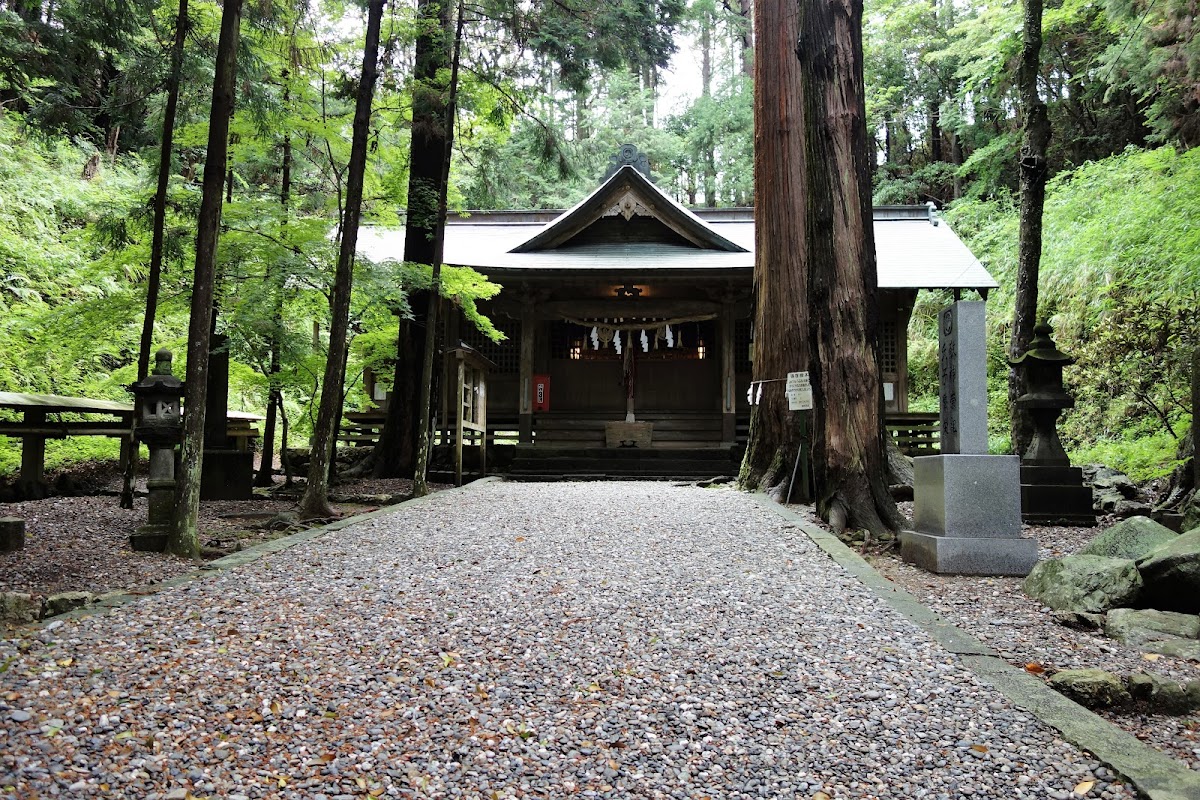
Within the shrine grounds stands an old ginkgo tree believed to have been planted during the Jōan era, conveying its connection to Taira-no-Shigemori. The shrine building is magnificent, reflecting the deep faith of the local community.
Access Information
- Location: Hanyu City, Saitama Prefecture
- Transportation: Accessible on foot or by bus from Hanyu Station on the Tobu Isesaki Line
- Visiting Hours: Grounds are freely accessible
- Admission Fee: Free
Komatsu Shrine in Kami City, Kochi Prefecture | Mononobe Legend
History and Legend
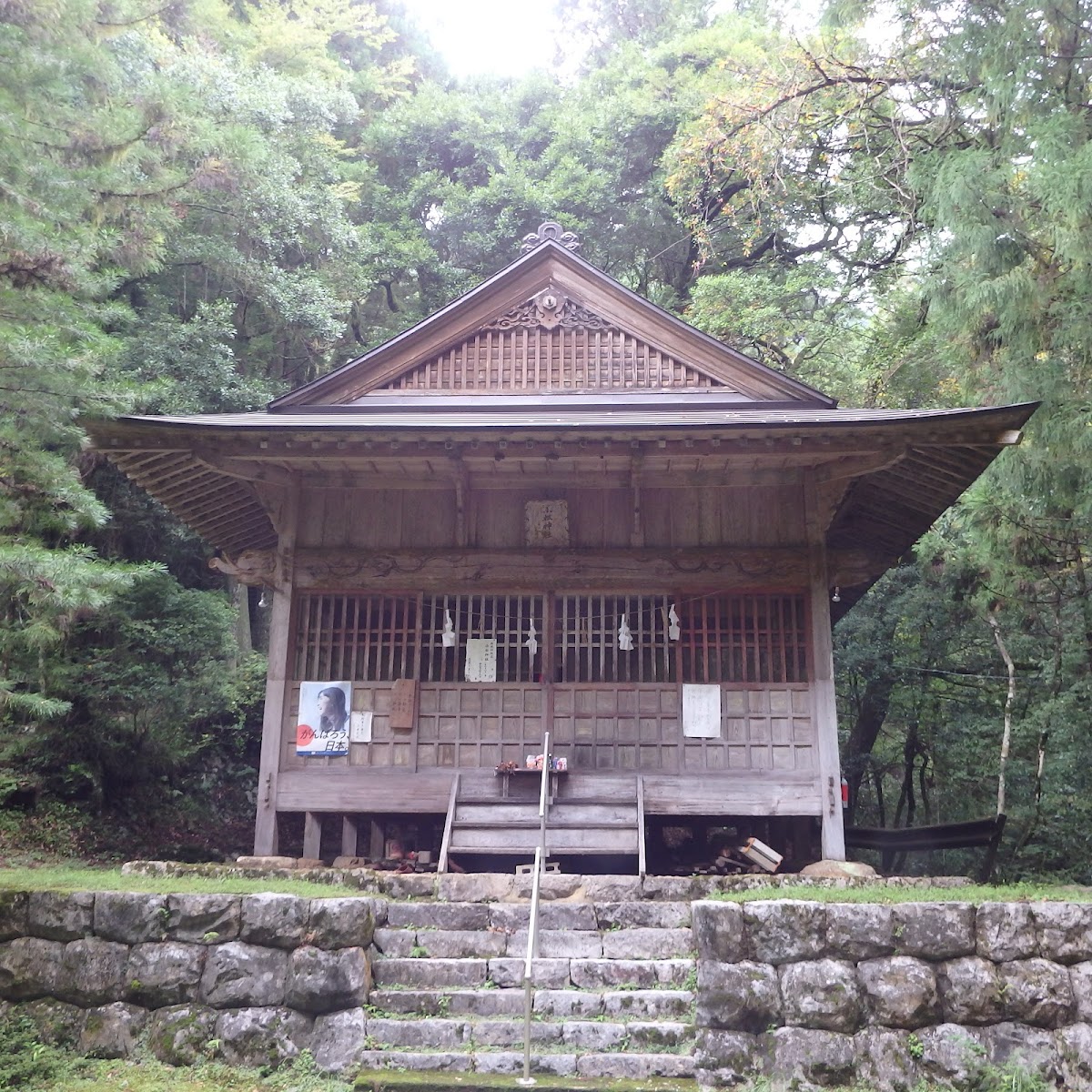
Komatsu Shrine, located in Betsuyaku, Mononobe-cho, Kami City, Kochi Prefecture, is a shrine that attracts the faith of the Mononobe region. This shrine has a related shrine called “Komatsu Shrine Ubamiya,” which has a unique legend.
According to the legend, there is a mysterious story of an old woman leaning her walking stick against something, which took root and eventually grew into the pine tree at Komatsu Shrine. Such legends, linked to nature worship, demonstrate the depth of faith of the local people.
Value as a Cultural Heritage
Komatsu Shrine in Kami City, Kochi Prefecture, is registered as a monument on the Cultural Heritage Online website and is protected as an important cultural property of the region. This is a valuable historical site for understanding the history of the Monobe region.
Access Information
- Location: Betsuyaku, Monobe-cho, Kami City, Kochi Prefecture
- Transportation: Convenient access by car from Kochi City
- Visiting Hours: Grounds are freely accessible
- Admission Fee: Free
It is introduced as a tourist spot by the Kami City Tourism Association and is one of the places you should visit when visiting the Monobe region.
Komatsu Shrine (Hoshida Myoken-gu) in Katano City, Osaka Prefecture
Alternative Names and History
Komatsu Shrine, located in Hoshida, Katano City, Osaka Prefecture, is widely known by its alternative name, “Hoshida Myoken-gu.” There is a legend that Kobo Daishi Kukai was involved during the Konin era (810-824) of the Heian period, and it is a shrine with deep ties to Shingon Esoteric Buddhism.
Deities Enshrined
The following deities are enshrined at Hoshida Myoken-gu (Komatsu Shrine):
- Amenominakanushi-no-Okami
- Other Deities
Amenominakanushi-no-Okami is considered the first deity to appear in Japanese mythology and is revered as the supreme god who governs the center of the universe.
Characteristics and Beliefs
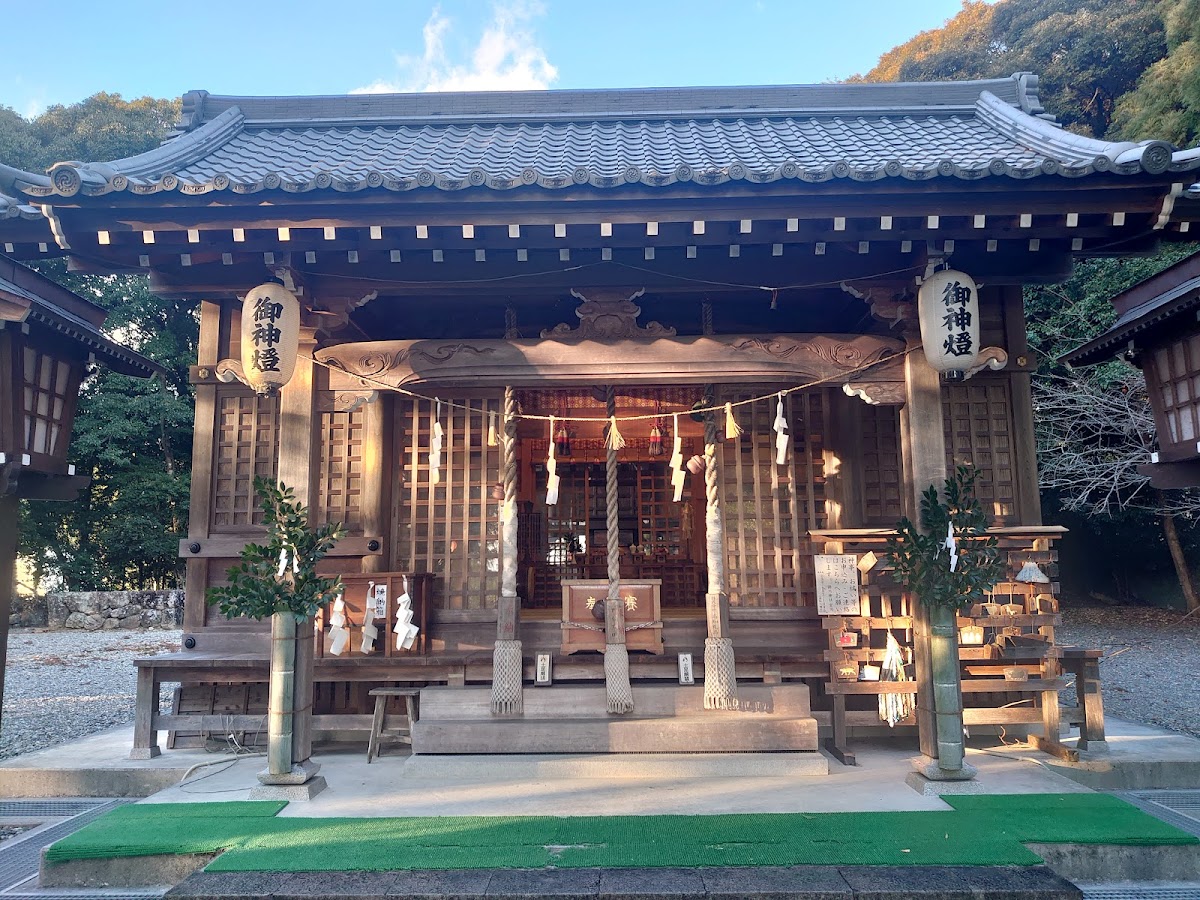
As the name Hoshida Myoken-gu suggests, this shrine has long attracted the faith of local people as a shrine associated with Myoken worship (a belief in the deification of the North Star and the Big Dipper). The shrine grounds feature a magnificent main hall, and it is constantly visited by worshippers.
Access Information
- Location: Hoshida, Katano City, Osaka Prefecture
- Transportation: Accessible on foot from Hoshida Station on the JR Gakken Toshi Line
- Visiting Hours: Grounds are freely accessible (please check the opening hours of the shrine office)
- Admission Fee: Free
Shrines around Komatsu City, Ishikawa Prefecture | Komatsu’s Place Name and Shrine Culture
Many people in Komatsu City, Ishikawa Prefecture, might think that there is a shrine named “Komatsu Shrine” based on the city’s name. In reality, Komatsu City has several historical shrines that attract local worshippers.
Major Shrines in Komatsu City
The following are some notable shrines in and around Komatsu City:
Ataka Sumiyoshi Shrine
Ataka Sumiyoshi Shrine, located in Ataka-cho, Komatsu City, is nationally known as the setting for “Kanjincho,” one of the Kabuki Juhachiban (Eighteen Great Kabuki Plays). Many visitors come to this place as it is associated with the legend of Minamoto no Yoshitsune and Benkei.
- Access: Approximately 15 minutes by car from Komatsu Station
- Highlights: Historical sites related to Kanjincho, haiku monuments, etc.
Komatsu Tenmangu Shrine
Komatsu Tenmangu Shrine, dedicated to Sugawara no Michizane, the god of learning, is a historical shrine built during the Meireki era (1655-1658). Many visitors come to pray for academic success and for students taking exams.
- Access: Within walking distance from Komatsu Station
- Deity: Sugawara no Michizane
Tada Shrine
Tada Shrine is a shrine with a long history, listed in the Engishiki (an ancient Japanese legal code), and is worshipped as the local guardian deity. It is characterized by its magnificent shrine buildings and grounds.
Yoshijima Shrine
Yoshijima Shrine is also one of the important shrines in Komatsu City and is deeply connected to local traditions.
Visiting Shrines in Komatsu City
When visiting Komatsu City, you can create a pilgrimage route that includes visiting these shrines. Each shrine has its own unique history and characteristics, allowing you to gain a deeper understanding of Komatsu City’s culture and history.
Basic Information on Visiting Komatsu Shrines
Shrine Visiting Etiquette
Regardless of which Komatsu shrine you visit, it is important to observe basic shrine visiting etiquette.
- Bow before the Torii Gate: Bow before entering the shrine grounds.
- Purify yourself at the Water Basin: Purify your left hand, then your right hand, then your mouth.
- Walking along the Path: Walk along the sides, as the center is considered the path of the gods.
- Mannerisms at the Main Hall: The basic ritual is two bows, two claps, and one bow.
- Behavior within the Shrine Grounds: Visit quietly and respectfully.
Suitable Time to Visit
Shrine visits are generally possible year-round, but the following times are particularly recommended.
- Hatsumode (January 1st-3rd): New Year’s visit to a shrine
- Annual Festival Day: The day of each shrine’s annual grand festival
- Shichi-Go-San (around November 15th): Family visit to a shrine
- Seasonal Change: The pleasant weather of spring and autumn
About Goshuin (Shrine Seals)
Many shrines offer Goshuin. Bring your Goshuincho (seal book) and politely request one at the shrine office. A donation (around 300-500 yen) is customary.
Komatsu Shrine and the Genpei War Historical Sites/Heike Legends
Komatsu Shrine in Hanyu City, Saitama Prefecture, holds a particularly important position as a Genpei War historical site. Due to its connection with Taira no Shigemori (Komatsu Naidaijin), it is a must-see spot for history fans who love the Heike clan.
The Relationship Between Taira no Shigemori and Komatsu Shrine
Taira no Shigemori was the eldest son of Taira no Kiyomori and was known as “Komatsu-dono” and “Komatsu Naidaijin” (Minister of the Interior of Komatsu). This name, “Komatsu,” is the origin of the shrine’s name. Shigemori was known for his exceptional military prowess and gentle character, and was particularly popular among the Taira clan.
The Genpei War and Shrine Faith
During the Genpei War, warlords held deep faith in Shinto and Buddhism, and prayed for victory and safety at shrines throughout the country. Komatsu Shrine has been preserved to this day as a valuable historical site that conveys a part of this history.
Detailed Access Information to Komatsu Shrines in Various Locations
Access to Hanyu City, Saitama Prefecture
By Train
- Get off at Hanyu Station on the Tobu Isesaki Line
- Approximately 10 minutes on foot or by taxi from the station
By Car
- Approximately 15 minutes from Hanyu IC on the Tohoku Expressway
- Parking: Available (Free)
Access to Kami City, Kochi Prefecture
By Car
- Approximately 1 hour from Kochi City via National Route 32 and prefectural roads
- Access by car is convenient due to limited public transportation
By Public Transportation
- Take a bus or taxi from Tosa-Yamada Station on the JR Dosan Line
Access to Katano City, Osaka Prefecture
By Train
- Get off at Hoshida Station on the JR Gakken Toshi Line, approximately 15 minutes on foot
By Car
- Approximately 10 minutes from Katano-Minami IC on the Daini Keihan Expressway
- Parking: Available
Access to Komatsu City, Ishikawa Prefecture
By Train
- Get off at Komatsu Station on the JR Hokuriku Main Line
- Access to each shrine by foot, bus, or taxi
By Plane
- Approximately 12 minutes by shuttle bus from Komatsu Airport to Komatsu Station
By Car
- Approximately 10 minutes from Komatsu IC on the Hokuriku Expressway to the city center
Tourist Spots Around Komatsu Shrine
Around Hanyu City, Saitama Prefecture
- Hanyu Parking Area (Upbound): Popular as Onihei Edo-dokoro
- Hanyu Suigo Park: A park rich in nature
- Kiyasse Hanyu: A facility selling local specialties
Around Kami City, Kochi Prefecture
- Ryugado Cave: A limestone cave designated as a national natural monument and historical site
- Anpanman Museum: Yanase Takashi Memorial Museum
- Monobe River: Known as a clear stream
Around Katano City, Osaka Prefecture
- Iwafune Shrine: A shrine known for its giant rock worship
- Kurondo Pond: A hiking spot rich in nature
- Hoshi no Buranko: One of the largest suspension bridges in Japan
Around Komatsu City, Ishikawa Prefecture
- Natadera Temple: An ancient temple famous for its autumn foliage
- Hanibe Gankutsuin: A unique cave temple
- Kaga Traditional Craft Village Yunokuni no Mori: A facility for experiencing traditional crafts
- Ataka no Seki: A historical site where the legend of Yoshitsune and Benkei remains
- Komatsu no Mori: A construction machinery exhibition facility
How to Enjoy Visiting Komatsu Shrines
As a Historical Exploration
Each Komatsu Shrine has its own unique history. By researching its history and legends beforehand, you can gain a deeper understanding and appreciation. For those particularly interested in the Genpei War historical sites and the history of the Taira clan, the Komatsu Shrine in Hanyu City, Saitama Prefecture, is highly recommended.
As a Pilgrimage for Collecting Goshuin (Shrine Stamps)
One way to enjoy visiting Komatsu Shrines throughout Japan is to collect their respective goshuin. Visiting shrines with the same name but different histories and enshrined deities allows you to experience the diversity of Japanese shrine worship.
As an Experience of Local Culture
In addition to visiting the shrine, it’s also recommended to enjoy the local culture and cuisine. For example, in Komatsu City, Ishikawa Prefecture, you can enjoy Kaga cuisine, and in Kochi Prefecture, Tosa cuisine, allowing you to savor the unique characteristics of each region.
Participating in Seasonal Events
Shrines hold various festivals and events throughout the year. Participating in festivals such as annual festivals, summer festivals, and autumn harvest festivals alongside local people offers a deeper cultural experience.
Summary: The Diverse Charms of Komatsu Shrines
Shrines named “Komatsu Shrine” exist throughout Japan, each with its own unique history and traditions. Komatsu Shrine in Hanyu City, Saitama Prefecture, is a historical site related to the Genpei War; Komatsu Shrine in Kami City, Kochi Prefecture, preserves the legend of the Mononobe clan; Komatsu Shrine in Katano City, Osaka Prefecture, is known as Hoshida Myoken-gu; and there are also many other historical shrines around Komatsu City, Ishikawa Prefecture.
These shrines demonstrate the diversity of Japanese shrine worship and the richness of regional culture. By visiting each of these shrines, you can experience the depth of Japanese history, traditions, and faith.
When visiting, it is important to observe basic manners and show respect to the shrine grounds. Enjoy a fulfilling shrine pilgrimage by receiving a Goshuin (shrine stamp) and exploring nearby tourist spots.
Komatsu Shrines throughout Japan continue to fascinate a wide range of people, including history buffs, shrine enthusiasts, and those interested in regional culture. Why not visit a Komatsu Shrine near you, or one in a region that interests you? New discoveries and unforgettable experiences are surely waiting for you.