A Complete Guide to the History and Highlights of Amanosanji Temple
Amanosanji Temple is a historic Buddhist temple located in Kawachinagano City, Osaka Prefecture. Surrounded by abundant nature, it has long been a place of worship, attracting many visitors. This article provides a detailed explanation of Amanosanji Temple’s history, architectural features, highlights, access methods, information on temple stamps (Goshuin), and annual events—all the information you should know before visiting.
What is Amanosanji Temple?
Amanosanji Temple is located in Amano-cho, Kawachinagano City, in the southern part of Osaka Prefecture. It is built in a mountainous area at the foot of the Kongo Mountains, at an altitude of approximately 200 meters. The surrounding area is covered with lush forests and is known as a scenic spot where you can enjoy the beauty of nature throughout the seasons.
The temple’s official name and sect are deeply intertwined with the historical background of the region, and it has functioned as a spiritual pillar of the local community for many years. It is a place that offers peace of mind to visitors in a tranquil environment.
History of Amanoyama-ji Temple
Origin of Founding
Records of the founding of Amanoyama-ji Temple are based on ancient documents and local traditions. Like many ancient temples, this temple is closely intertwined with the religious development of Japan from the time of its introduction to Buddhism to the medieval period.
Initially, it functioned as a training ground for ascetic monks and as a center of faith for the local residents. A unique religious culture, a fusion of mountain worship and Buddhism, developed and has been passed down to the present day.
Transition from the Medieval to the Early Modern Period
During the medieval period, with the rise of the samurai class, the temple received patronage from many warlords and feudal lords. Although it was caught in the ravages of war during the Sengoku period, it was rebuilt each time, ensuring the flame of faith never died out.
In the Edo period, the temple grounds were developed and the buildings were repaired, forming the foundation of the temple complex seen today. During this period, pilgrimages and visits to temples became popular among ordinary people, and Amanoyama-ji Temple came to be recognized as an important sacred site in the region.
Developments since the Modern Era
Despite the impact of the anti-Buddhist movement after the Meiji Restoration, it was preserved by the deep faith of the local residents. In the Showa era, its value as a cultural property was recognized, and preservation activities for buildings and Buddhist statues began in earnest.
In modern times, it serves as both a historical heritage site and a center for disseminating regional culture. Through regular restoration work and environmental improvements, it is maintained as a valuable cultural heritage site to be passed down to future generations.
Highlights of the Temple Grounds
Main Hall
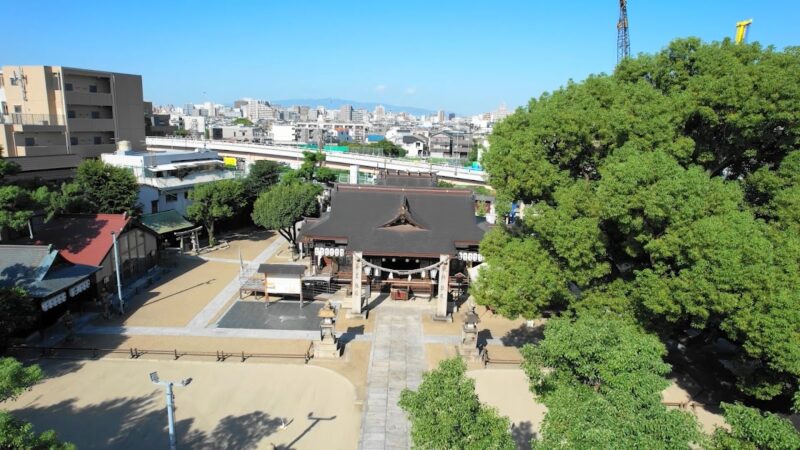
The main hall of Amanoyama-ji Temple is an important building that conveys the traditional style of temple architecture. The beauty of the wooden architecture harmonizes with the dignified appearance that has withstood the elements for many years.
The principal image is enshrined inside the main hall, and worshippers can offer prayers in a quiet space. The decorations and carvings inside the hall showcase the high skill of the craftsmen of the time, and are well worth observing in detail.
Temple Gate and Approach
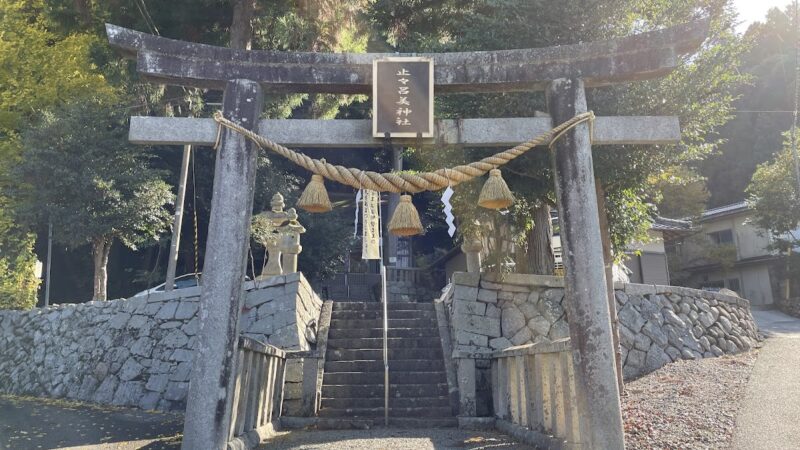
The temple gate, the entrance to the temple, is a symbolic presence welcoming visitors. Passing through the gate, a path of stone steps and paved stone leads to the main hall.
Along the path, ancient stone Buddha statues and monuments are scattered, conveying a sense of history. Especially during the seasons of fresh greenery and autumn leaves, a beautiful landscape unfolds, like passing through a tunnel of trees.
Garden and Natural Environment
Within the temple grounds is a beautiful garden incorporating elements of Japanese gardens. The plantings, which show different expressions with each season, and the arranged stonework embody the harmony between nature and artificiality.
The surrounding forest is also an important environmental resource for the temple. The tranquil space, where you can hear the chirping of wild birds and the babbling of the clear stream, allows you to forget the hustle and bustle of the city.
Cultural Properties and Buddhist Statues
Amano-san Temple houses cultural properties of high historical and artistic value. Buddhist statues, paintings, and ancient documents are invaluable resources for studying the history of Japanese Buddhist art.
Of particular note are the Buddhist statues created from the Heian to Kamakura periods. Their serene expressions and exquisite sculptural techniques speak to the faith and high skill of the Buddhist sculptors of that time.
Annual Events and Festivals
Spring Events
In spring, Buddhist events such as the Hana Matsuri (Buddha’s Birthday Festival) are held. During the cherry blossom season, the temple grounds are dyed in a soft pink, attracting many worshippers and tourists.
Memorial services celebrating the start of the new academic year and special prayers for academic success and family safety are also held, making these important annual events for local residents.
Summer Events
In summer, the focus is on Obon memorial services and Segaki memorial services. Many parishioners and believers gather here to honor the spirits of their ancestors.
Located in a cool, mountainous area, it’s relatively pleasant even in summer, and many visitors come to escape the heat.
Autumn Events
Autumn is a beautiful season for autumn foliage, and the temple grounds are adorned with trees in shades of red and yellow. Special viewings and sutra copying sessions are sometimes held during this time.
Memorial services expressing gratitude for the harvest and special public viewings of cultural properties are also held, making it a season rich in cultural events.
Winter Events
In winter, New Year’s events such as the ringing of the temple bell on New Year’s Eve and the first shrine visit of the year are held. The temple grounds, enveloped in silence during winter, are filled with a solemn atmosphere.
Events such as winter ascetic practices and sutra copying sessions, which offer opportunities for self-reflection, are also held, serving as a place for spiritual cultivation.
Goshuin Information
Types of Goshuin
At Amanoyama-ji Temple, goshuin (temple stamps) are given as proof of worship. The goshuin features the temple name and the name of the principal deity written in ink, and stamped with a red seal.
In addition to the regular goshuin, special goshuin for events and seasonal periods are sometimes available. These will be valuable for those who enjoy collecting goshuin.
Goshuin Reception Hours and Location
Goshuin are usually available at the temple office or sutra copying office. Reception hours are generally from 9:00 AM to around 4:00 PM, but may change due to religious services or events.
It is recommended to check by phone in advance or check the temple’s official information. If you bring your goshuin book, it can be written directly.
Etiquette When Receiving a Goshuin
Goshuin are not merely commemorative stamps, but sacred items given as proof of worship. The correct procedure is to first visit the main hall, offer your prayers sincerely, and then receive your goshuin (temple stamp).
It is important to present your goshuincho (stamp book) open and make your request politely. Also, prepare the offering fee (for the goshuin) in advance and try to have the exact amount ready.
Access Methods
Access by Public Transportation
Amano-sanji Temple can be accessed by public transportation. The nearest station is Kawachinagano Station on the Nankai Koya Line or Kintetsu Nagano Line.
From the station, it is common to take a bus or taxi. By bus, the journey takes approximately 20-30 minutes, and the temple is within walking distance from the nearest bus stop. Since bus services are limited, it is recommended to check the timetable in advance.
By taxi, the journey takes approximately 15-20 minutes from the station. Taxis are convenient if you are visiting with multiple people.
Access by Car
If traveling by car, it is convenient to use expressways such as the Hanwa Expressway or Minami-Hanna Expressway. The temple is approximately 20-30 minutes from the nearest interchange via local roads.
Entering the temple name or address into your car’s navigation system will guide you smoothly to your destination. However, please be careful while driving, as you may be driving on narrow mountain roads.
Parking Information
The temple has a parking lot for visitors. Since the number of parking spaces is limited, early arrival is recommended, especially during events or the autumn foliage season.
Parking is often free, but please follow the on-site signs regarding management and usage conditions. If you plan to visit by large bus, it is advisable to contact the temple in advance to confirm parking availability.
Access by Foot/Hiking
The area around Amano-san Temple is also a popular hiking destination. Well-maintained hiking trails wind through the nearby mountains, allowing you to enjoy nature while visiting the temple.
If accessing on foot, please ensure you have appropriate equipment and adequate hydration. Depending on the season, insect repellent and sunscreen may also be necessary.
Manners and Precautions for Visiting Temples
Clothing and Belongings
When visiting a temple, avoid overly flashy or revealing clothing and opt for modest attire. Since temples are located in mountainous areas, comfortable walking shoes are essential.
Don’t forget to prepare appropriate clothing for the season, including warm clothing and rain gear. If you wish to receive a temple stamp (Goshuin), bring a stamp book; small change for offerings is also convenient.
Photography Manners
Photography is generally permitted on the temple grounds, but it may be prohibited inside the main hall or around certain cultural artifacts. Always follow the signs and instructions of temple staff.
It is important to take photographs quietly to avoid disturbing other visitors. Prior permission may be required for tripod use or commercial photography.
Behavior on Temple Grounds
Temples are sacred places, and silence is required. Avoid loud conversations and running around.
Please smoke only in designated areas and be sure to take your trash with you or dispose of it in the designated trash cans. Let’s cooperate in protecting the natural environment.
Nearby Tourist Attractions
Mount Kongo
Near Amanosan-ji Temple lies Mount Kongo, located on the border of Osaka and Nara prefectures. This mountain, with an elevation of 1,125 meters, offers opportunities for mountain climbing and hiking.
Enjoy the natural beauty of the four seasons, with particularly stunning autumn foliage and winter frost-covered trees. A ropeway also operates, allowing easy access to near the summit.
Kanshin-ji Temple
Located in Kawachinagano City, Kanshin-ji Temple is an ancient Shingon Buddhist temple housing numerous national treasures, including its main hall (Kondo), and important cultural properties. It is also known as a temple associated with Kusunoki Masashige.
The temple grounds feature a beautiful garden, attracting many tourists, especially during the cherry blossom season in spring and the autumn foliage season.
Takihata Dam
Located in the mountainous area of Kawachinagano City, Takihata Dam is a scenic spot where the beautiful lake surface harmonizes with the surrounding nature. You can enjoy outdoor activities such as fishing and camping.
A walking path is maintained around the dam lake, making it ideal for strolling and jogging. You can enjoy different scenery throughout the four seasons.
Historic Streetscape of Kawachinagano City
In the center of Kawachinagano City, historical streets and shopping areas remain. There are shops selling local specialties and traditional crafts, making it a pleasant place to stroll.
There are also many restaurants serving dishes made with local ingredients, so you won’t have any trouble finding a meal after visiting the temple.
The Four Seasons of Amanosan-ji Temple
Spring at Amanosan-ji Temple
In spring, the cherry blossoms in the temple grounds bloom all at once, and the pale pink petals color the approach to the temple. The fresh green leaves begin to sprout, creating a vibrant landscape full of life.
Visiting the temple while listening to the singing of the Japanese bush warbler is a refreshing experience for both mind and body. ### Amanosan-ji Temple in Summer
In summer, the temple grounds are covered in deep green trees, creating cool shade. The refreshing air characteristic of mountainous areas flows through the grounds, making it an ideal summer retreat from the heat of the city.
The chirping of cicadas and the occasional rustling of the trees by the breeze evoke the atmosphere of summer.
Amanosan-ji Temple in Autumn
Autumn is one of the most beautiful seasons for Amanosan-ji Temple. The maple and other trees in the temple grounds turn red and yellow, creating a picturesque scene.
Walking along the path covered with fallen leaves, the crunching sound underfoot gives a real sense of the deepening of autumn.
Amanosan-ji Temple in Winter
In winter, a solemn atmosphere of silence prevails throughout the temple grounds. Sometimes, snow-covered buildings and trees create a fantastical landscape.
Visiting the temple in the crisp, clear air is an opportunity to reflect on one’s character and solidify new resolve.
Connections with the Community
Center of the Local Community
Amano-san Temple is not merely a tourist destination; it is deeply intertwined with the lives of local residents. Ceremonies related to life’s milestones, such as weddings, funerals, and annual events, are held here.
It also functions as a hub for local festivals and cultural activities, serving as a place for intergenerational exchange.
Educational and Cultural Activities
The temple regularly holds educational and cultural activities such as sutra copying sessions, Zen meditation sessions, and Dharma talks. These activities provide opportunities to learn Buddhist teachings and offer valuable time for modern people seeking inner peace.
Collaboration with local schools is also maintained, providing children with opportunities to experience traditional culture.
Environmental Conservation Activities
To protect the rich natural environment surrounding Amano-san Temple, the temple and local residents cooperate in environmental conservation activities. Cleaning and tree-planting activities are regularly conducted.
Through these activities, the spirit of coexisting with nature is being passed down to future generations.
Pilgrimage Experience and Spirituality
Seeking Peace of Mind
Modern society is full of stress, and many people seek peace of mind. Pilgrimage in a quiet environment like Amanosan-ji Temple offers a precious time to escape the hustle and bustle of everyday life and confront oneself.
By quietly joining one’s hands in prayer in the main hall and calming the mind, one can gain new vitality and a positive outlook.
Touching History and Tradition
Visiting Amanosan-ji Temple is an experience that directly touches Japan’s long history and Buddhist culture. Seeing the ancient buildings and Buddha statues up close allows one to appreciate the faith and skill of our ancestors.
Such experiences remind us, living in the modern age, of the weight of history and the value of culture.
Harmony with Nature
The rich nature surrounding the temple symbolizes the harmony between humanity and nature. Pilgrimage while feeling the changing seasons allows one to experience the comfort of surrendering to the rhythm of nature.
When you’re tired of city life, spending time at a temple surrounded by nature can help restore balance to your mind and body.
Things to Know Before Visiting Amanosan-ji Temple
Visiting Hours and Admission Fees
Amanosan-ji Temple’s visiting hours are generally from sunrise to sunset, but may vary depending on the season and events. It is recommended to check the details in advance.
Regarding admission fees, entry to the temple grounds is often free, but special viewings and visits to the treasure hall may require a separate fee.
Contact Information
For detailed information regarding visits, group reservations, and special viewing applications, you can contact the temple directly.
Telephone inquiries are the most reliable method, but recently, more temples are also providing information on their websites and social media.
Accessibility Information
As the temple is located in a mountainous area, there are stone steps and slopes within the grounds, which may limit wheelchair access. It is recommended to check with the temple in advance regarding accessibility.
For elderly visitors and those with disabilities, it is safest to visit with an accompanying person.
Summary
Amano-sanji Temple is a historic temple nestled amidst the rich natural beauty of Kawachinagano City, Osaka Prefecture. With a long history, it has been carefully preserved as a center of local faith and a cultural heritage site.
The temple grounds boast beautiful architecture and valuable cultural artifacts, captivating visitors with the beauty of nature throughout the seasons. The availability of Goshuin (temple stamps) and various events throughout the year further enhance the enjoyment of a visit.
Access is possible by public transport or car, but due to its mountainous location, prior information gathering and preparation are essential. When visiting, observing temple etiquette and spending time quietly and peacefully will lead to a deeper experience.
There are many other tourist attractions nearby, such as Mount Kongo and Kanshinji Temple, which can be explored at a leisurely pace over a full day. For those seeking a journey away from the hustle and bustle of city life, and a journey to connect with history and nature, Amano-sanji Temple is an ideal destination.
If you’re seeking peace of mind or want to experience traditional Japanese culture, please visit Amanoyama-ji Temple. The time you spend in its tranquil grounds will surely leave a lasting impression on your heart.