Anryuji Temple (Ukyo Ward, Kyoto Prefecture) Complete Guide | History, Highlights, and Access Information of the Shinshu Takada School
Located in the Sagano area of Ukyo Ward, Kyoto City, Anryuji Temple, belonging to the Shinshu Takada school, has long been a center of local faith. Despite being in the bustling Arashiyama/Sagano area, this temple maintains a tranquil atmosphere. This guide provides detailed information on its history, highlights within the temple grounds, and visiting information.
Basic Information on Anryuji Temple
Anryuji Temple is a Shinshu Takada school temple located at 11-5 Sagano Nonomiya-cho, Ukyo Ward, Kyoto City. The Sagano area has long been a historical region dotted with many temples and shrines, and Anryuji Temple has played a part in this.
Location and Access
Location: 11-5, Saganonomiya-cho, Ukyo-ku, Kyoto City, Kyoto Prefecture
Access from Nearest Station:
- Approximately 15 minutes on foot from JR Sagano Line “Saga-Arashiyama Station”
- Approximately 12 minutes on foot from Keifuku Electric Railway Arashiyama Line “Arashiyama Station”
- Approximately 12 minutes on foot from Randen “Arashiyama Station”
The Sagano area is a representative tourist destination in Kyoto, with famous places such as the bamboo grove, Nonomiya Shrine, and Tenryu-ji Temple scattered throughout the area. Anryu-ji Temple is located close to these tourist spots, making it a convenient stop during a stroll through Sagano.
About the Shinshu Takada School
Understanding the Shinshu Takada school to which Anryu-ji Temple belongs will provide a deeper understanding of the temple’s characteristics.
History and Characteristics of the Shinshu Takada School
The Shinshu Takada School is one of the sects of Jodo Shinshu Buddhism, a traditional religious organization founded by Shinbutsu, a leading disciple of Shinran Shonin. Its head temple is Senju-ji Temple in Tsu City, Mie Prefecture, a prestigious temple boasting the Miei-do and Nyoraido halls, both designated as National Treasures.
The Shinshu Takada School is also known as the “Shinshu Dharma Lineage Group” and the “Dharma Lineage Group,” and is renowned for inheriting the orthodox teachings since Shinran Shonin. In particular, Shin’e, who became the 10th head priest in 1464, is considered the restorer of the Takada School and greatly contributed to the development of the religious organization.
Teachings of Jodo Shinshu Buddhism
Jodo Shinshu Buddhism is a teaching that believes in the original vow of Amida Buddha and aspires to rebirth in the Pure Land by chanting the Nembutsu. Based on the philosophy of salvation through the power of others, it inherits the teachings of Shinran Shonin that all people are equally saved.
Similarly, the Shinshu Takada sect preaches salvation through the compassion of Amida Buddha and conveys the importance of chanting the Nembutsu in daily life.
History of Anryuji Temple
While there are various theories regarding the exact founding date of Anryuji Temple, it is certain that it has a long history as a temple of the Shinshu Takada sect. It has supported local faith as a base for the Shinshu Takada sect in Kyoto.
Development of the Shinshu Takada Sect in Kyoto
In Kyoto, the Kyoto Betsuin (Kyoto Branch Temple) is an important base for the Shinshu Takada sect. The Kyoto branch temple is located in Narutaki Ondoyama-cho, Ukyo-ku, Kyoto City. Its origins trace back to the Tenbun era (1532-1555), when the 11th head priest of the Takada sect, Oshin Shonin, built a temple there in remembrance of the founder of the sect, Shinran Shonin, who resided near Nijo Reizei Tomikoji or Nijo. The temple was named Yanagihara-bo.
Anryuji Temple, as a Shinshu Takada sect temple in Kyoto, has also provided a place of worship within this historical context.
Historical Background of the Sagano Area
The Sagano area flourished as a villa area for aristocrats from the Heian period onward, and many temples and shrines were built there. It is also a place associated with Emperor Saga, and many famous temples such as Daikakuji, Seiryoji, and Tenryuji are scattered throughout the area.
Within this historical environment, Anryuji Temple has played a unique role as a temple that transmits the teachings of Jodo Shinshu Buddhism. Located in the Sagano area, which is home to many tourist temples, Anryuji Temple stands quietly as a center of local faith, offering peace to visitors.
Highlights of the Temple Grounds
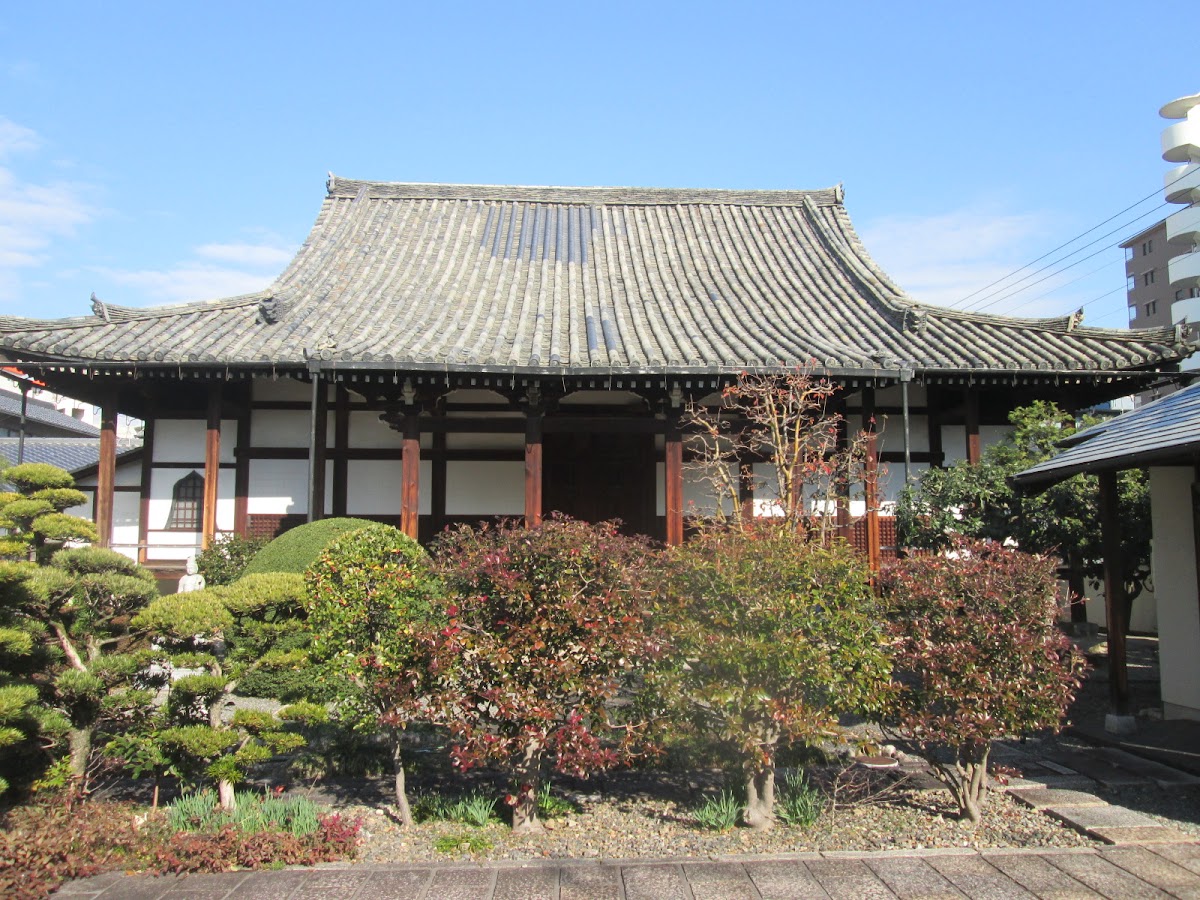
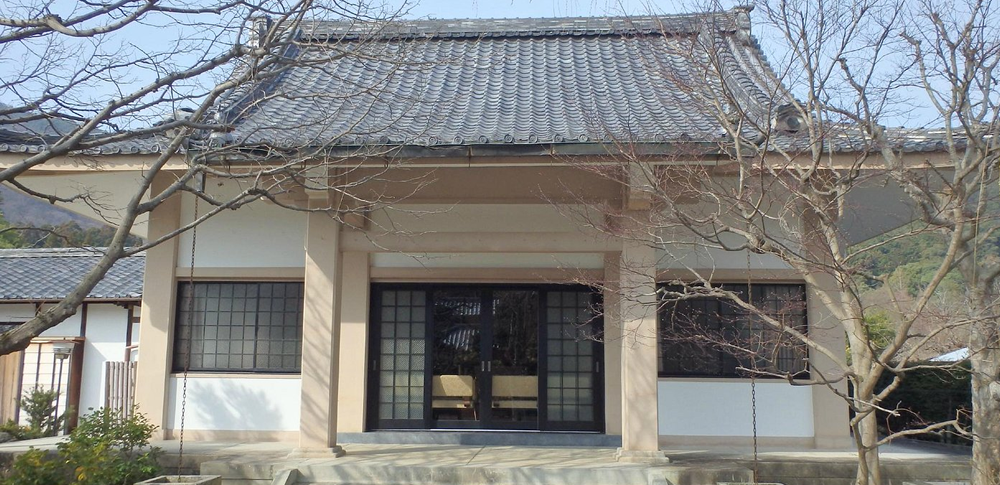
While Anryuji Temple’s grounds are not large in scale, they possess the tranquil atmosphere characteristic of a Shinshu Buddhist temple.
Main Hall
In Shinshu Buddhist temples, the main hall houses Amida Buddha as the principal image. Similarly, Anryuji Temple’s main hall is a space where worshippers can offer prayers to Amida Buddha.
As is characteristic of Shinshu Buddhist temples, the main hall is also used for religious services and sermons, serving as a gathering place for local followers.
Atmosphere of the Temple Grounds
Like other temples in the Sagano area, a serene atmosphere permeates the grounds. In contrast to the bustling temples and shrines in the surrounding area, it maintains a peaceful tranquility as a place of local faith.
The trees on the grounds change their appearance with each season; the fresh greenery in spring and the vibrant autumn leaves delight visitors. ## Visiting Information
This section summarizes information for visiting Anryuji Temple.
Visiting Hours and Admission Fee
Anryuji Temple is primarily a place of worship and differs from typical tourist temples. While you are free to visit, please observe quietly if a religious service is being held.
There is no set admission fee, but offerings and donations are appreciated to help maintain the temple.
Temple Visiting Etiquette
The basic etiquette for visiting a Shinshu temple is as follows:
- Gassho (palms together in prayer): Quietly put your hands together in front of the main hall.
- Nembutsu (Buddhist chant): Chant “Namu Amida Butsu” silently in your heart.
- Silence: Be quiet on the temple grounds and avoid disturbing other visitors.
- Photography: Take photographs on the temple grounds with moderation, and refrain from taking pictures inside the main hall.
Annual Events
Shinshu Takada sect temples hold various memorial services, including the Hoonko (memorial service) commemorating the death anniversary of Shinran Shonin. Anryuji Temple also holds memorial services throughout the year, with many parishioners gathering.
Some services are open to the public; those interested should inquire with the temple in advance.
Nearby Tourist Attractions
Many of Kyoto’s most famous tourist attractions are located around Anryuji Temple.
Nonomiya Shrine
Located within walking distance of Anryuji Temple, Nonomiya Shrine is a historic shrine known for its deity of matchmaking and its appearance in The Tale of Genji. Its distinctive black wooden torii gate attracts many visitors.
Bamboo Grove Path
The Bamboo Grove Path, a representative landscape of Sagano, is accessible on foot from Anryuji Temple. This fantastical path, lined with bamboo on both sides, is one of the highlights of Kyoto sightseeing.
Tenryuji Temple
Tenryuji Temple, a UNESCO World Heritage Site, is a representative Zen temple of Arashiyama. The Sogenchi Garden is designated a Special Place of Scenic Beauty, offering beautiful scenery throughout the seasons.
Seiryoji Temple (Sagano Shakado)
Seiryoji Temple, an ancient temple in the Sagano area, is known for its National Treasure, the standing statue of Shakyamuni Buddha. Many cultural artifacts are preserved within its vast grounds, making it well worth a visit.
Daikaku-ji Temple
Daikaku-ji Temple, originally a detached palace of Emperor Saga, is a scenic temple surrounded by Osawa Pond. It also serves as the head temple of the Saga-ryu school of flower arrangement, playing a significant cultural role.
Sagano Area Walking Plan
We propose a walking plan for the Sagano area, including Anryu-ji Temple.
Half-Day Course
Morning Plan:
- Start from JR Saga-Arashiyama Station
- Visit Tenryu-ji Temple (approx. 1 hour)
- Stroll through the bamboo grove (approx. 30 minutes)
- Visit Nonomiya Shrine (approx. 20 minutes)
- Visit Anryu-ji Temple (approx. 15 minutes)
- Lunch in Arashiyama
Full-Day Course
A full-day plan to explore thoroughly:
- Visit Daikaku-ji Temple (approx. 1 hour 30 minutes)
- Visit Seiryo-ji Temple (approx. 1 hour)
- Lunch
- Visit Anryu-ji Temple (approx. 15 minutes)
- Visit Nonomiya Shrine (approx. 20 minutes)
- Stroll through the bamboo grove (approx. 30 minutes)
- Visit Tenryu-ji Temple (Estimated time: approx. 1 hour)
- Stroll around Togetsukyo Bridge
About Ukyo Ward, Kyoto City
Ukyo Ward, where Anryu-ji Temple is located, is one of the 11 wards that make up Kyoto City, and is located in the western part of the city.
Characteristics of Ukyo Ward
Ukyo Ward is particularly large in area within Kyoto City and includes historically important areas such as Arashiyama/Sagano, Uzumasa, and Hanazono.
Main Tourist Attractions:
- Arashiyama/Sagano Area: Tenryu-ji Temple, Daikaku-ji Temple, Seiryo-ji Temple, etc.
- Uzumasa Area: Koryu-ji Temple, Toei Uzumasa Movie Village, etc.
- Hanazono Area: Myoshin-ji Temple, etc.
- Takao Area: Jingo-ji Temple, Kozan-ji Temple, etc.
Temple Culture of Ukyo Ward
Numerous temples exist in Ukyo Ward, each with a different sect and history. Diverse Buddhist cultures coexist, including major Zen temples such as Tenryu-ji and Myoshin-ji, Shingon-shu temples like Jingoji, and Jodo-shu temples like Seiryoji.
Within this diverse temple culture, Anryuji occupies a unique position as a temple of the Shinshu Takada sect.
Role as a Shinshu Takada Sect Temple
Anryuji is not merely a tourist spot; it serves as a center of faith for the local community.
Relationship with Followers
Shinshu temples are characterized by strong ties with their followers, known as “monto.” Anryuji also maintains deep connections with local followers, conveying the teachings of Jodo Shinshu through memorial services and sermons.
Funerals and Memorial Services
As a Shinshu Takada sect temple, Anryuji also conducts funerals and memorial services for its followers. Shinshu funerals have unique characteristics that differ from other sects; they are conducted as rituals to send the deceased, as a disciple of Buddha, to the Pure Land.
Sermons and Educational Activities
The temple also conducts activities to convey the teachings of Jodo Shinshu Buddhism to its followers through regular sermons and study sessions. These also function as a forum for considering the significance of Buddhism in modern society.
Advice for Visitors
Here is some advice for visiting Anryuji Temple.
Best Time to Visit
While the Sagano area offers beautiful scenery throughout the four seasons, the best times to visit are:
Spring (late March to May): A beautiful season with cherry blossoms and fresh greenery. However, it is the peak tourist season and can be crowded.
Autumn (November): A season of magnificent autumn foliage. The entire Sagano area is beautifully colored. However, it is also the busiest time.
Summer (June to August): The lush bamboo groves offer a cool atmosphere, and there are relatively fewer tourists.
Winter (December to February): A season to enjoy a tranquil atmosphere. You may even encounter a snowy landscape. ### Clothing and Items to Bring
- Comfortable Walking Shoes: Since the Sagano area is primarily for walking, comfortable walking shoes are essential.
- Seasonal Clothing: It’s hot in summer and cold in winter, so prepare appropriate clothing.
- Camera: Bringing a camera is recommended to capture the beautiful scenery.
- Drinks: Staying hydrated is especially important in summer.
Tips for Avoiding Crowds
The Sagano area is a popular tourist destination, so it gets very crowded, especially on holidays and during peak season.
- Early Morning Visit: It’s relatively less crowded in the early morning.
- Weekday Visit: If possible, visiting on a weekday is recommended.
- Off-Season: There are relatively fewer tourists in mid-summer and mid-winter.
Visiting Shinshu Temples in Kyoto
Starting from Anryuji Temple, visiting Shinshu temples in Kyoto City is also an interesting experience.
Major Shinshu Temples in Kyoto
Nishi Honganji (Honganji): The head temple of the Shinshu Honganji sect, and a UNESCO World Heritage Site.
Higashi Honganji (Shinshu Honbyo): The head temple of the Shinshu Otani sect, notable for its massive Miei-do (main hall).
Kyoto Betsuin (Shinshu Takada sect): A base temple in Kyoto for the Shinshu Takada sect, the same sect as Anryuji Temple.
Learning about Differences Between Sects
Even within the same Jodo Shinshu sect, there are subtle differences between sects. Visiting multiple Shinshu temples allows you to learn about their respective characteristics and histories.
Connections with the Community
Anryuji Temple is deeply involved with the local community as part of the Sagano area community.
Participation in Local Events
Temples cooperate in local festivals and events, playing a role in strengthening community bonds.
Cultural Inheritance
Through Buddhist culture and traditional events, it also functions as a place for passing on Japanese traditional culture to the next generation.
Summary: The Charm of Anryuji Temple
Anryuji Temple, while located in the bustling Sagano area, a popular tourist destination, maintains a quiet atmosphere as a place of worship. As a temple of the Shinshu Takada sect, it continues to transmit the teachings of Shinran Shonin and serves as a spiritual anchor for the local people.
When sightseeing in Arashiyama and Sagano, visiting not only famous tourist temples but also these locally rooted temples will allow you to experience the multifaceted charm of Kyoto.
Why not spend some quiet time experiencing the teachings of Jodo Shinshu Buddhism through a visit to Anryuji Temple? A time to quietly pray in a place slightly removed from the hustle and bustle of tourist areas will surely become a precious memory of your Kyoto trip.
When visiting the Sagano area, be sure to visit Anryuji Temple and experience its history and atmosphere as a temple of the Shinshu Takada sect. By visiting the surrounding famous temples and shrines as well, you can gain a deeper understanding of Kyoto’s rich religious culture.