Complete Guide to Shogaku-ji Temple (Ukyo-ku, Kyoto Prefecture) | History and Access to a Jodo Sect Temple in Sagano
Located in Nonomiya-cho, Sagano, Ukyo-ku, Kyoto City, Shogaku-ji Temple is an ancient Jodo sect temple that blends seamlessly into the rich natural and historical landscape of the Arashiyama/Sagano area. Despite being close to the bustling center of Arashiyama, the temple grounds are enveloped in tranquility, offering peace of mind to visitors. This article provides a detailed overview of Shogaku-ji Temple, including its history, highlights, access methods, and current activities.
Basic Information about Shogaku-ji Temple
Official Name: Jōtōzan Shogaku-ji Temple
Sect: Jōdo-shū (Pure Land Buddhism)
Address: 12 Saganonomiya-chō, Ukyō-ku, Kyoto City, Kyoto Prefecture
Postal Code: 616-8393
Phone Number: 075-861-2981
Corporate Number: 4130005000185
Current Chief Priest: Hidetoku Ukai (33rd Chief Priest)
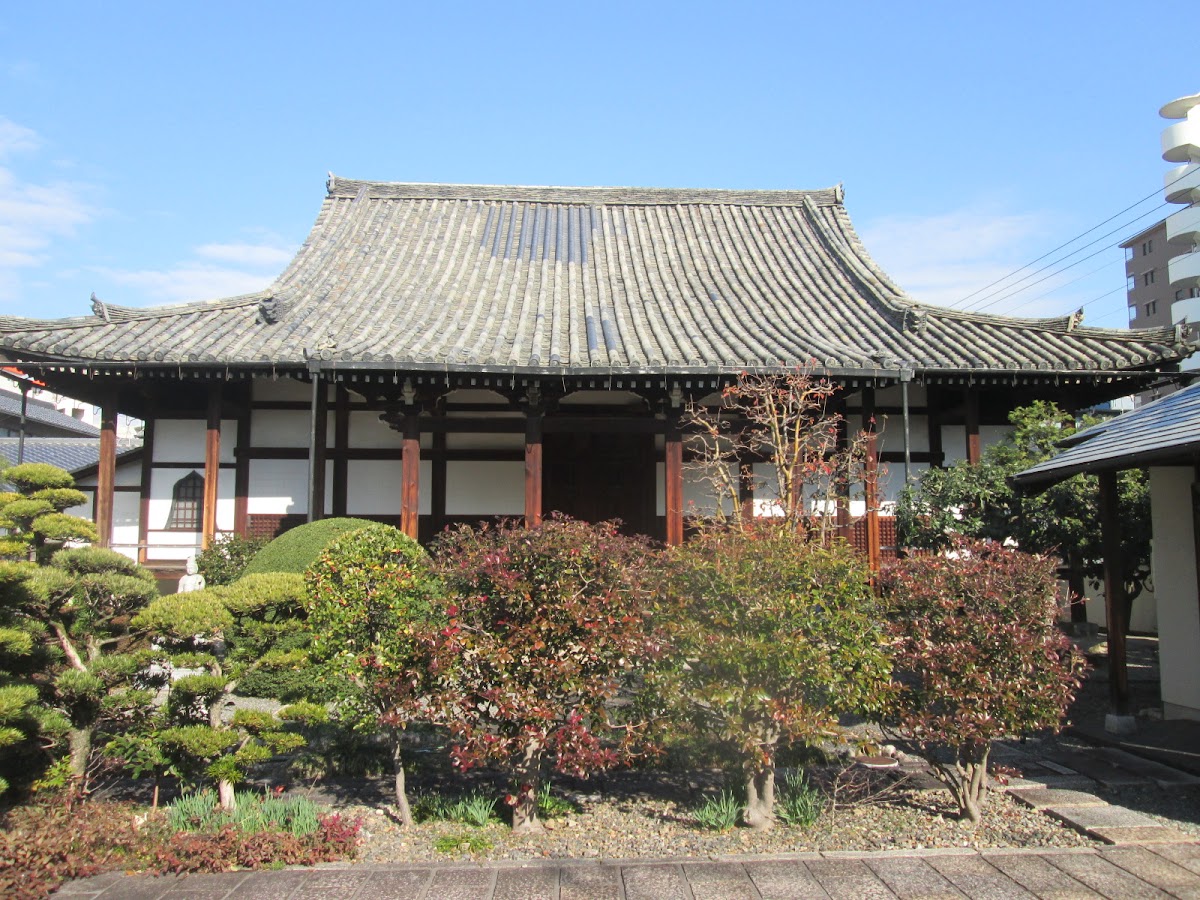
Shogaku-ji Temple is a historic temple located in Saganonomiya-chō, Ukyō-ku, Kyoto City, within the Sagano Landscape Preservation Area. It belongs to the Jōdo-shū sect and is revered for its principal image, Amida Buddha.
History and Origins of Shogaku-ji Temple
Background of Founding
While detailed records regarding the founding date of Shogaku-ji Temple are limited, the Sagano area flourished as a villa area for aristocrats from the Heian period, and has a historical background of many temples being built there. As a Jodo sect temple, it has served as a spiritual pillar for the local people, centering on the faith in Amida Buddha.
Historical Context of Sagano
Sagano is also known as the site of Shiguretei (Ogura Sanso), the residence of Fujiwara no Teika, who compiled the Ogura Hyakunin Isshu (One Hundred Poets, One Poem Each). Around Shogaku-ji Temple, there are many historical sites dating back to the Heian period, such as Nonomiya Shrine, the Bamboo Grove Path, Jojakko-ji Temple, and Nison-in Temple, and the area is protected as a particularly culturally valuable area within Kyoto.
Successive Chief Priests and the Present
Shogaku-ji Temple is currently run by the 33rd chief priest, Hidetoku Ukai. Chief Priest Ukai was born in Shogaku-ji Temple in 1974. He is also active as a Buddhist journalist, actively sharing information about the role of Buddhism in modern society and the ideal form of temples. His distinctive approach is to maintain tradition while practicing temple management that is relevant to the times.
Highlights and Grounds Guide of Shogaku-ji Temple
A Temple Enveloped in Tranquility
Shogaku-ji Temple is known as a “quiet little temple blended into the landscape of Sagano.” Despite its proximity to the bustling bamboo grove path and Togetsukyo Bridge, the temple grounds maintain a tranquil atmosphere. Surrounded by the unique bamboo groves and natural scenery of Sagano, visitors can experience the beauty of each season.
Main Hall and Principal Image
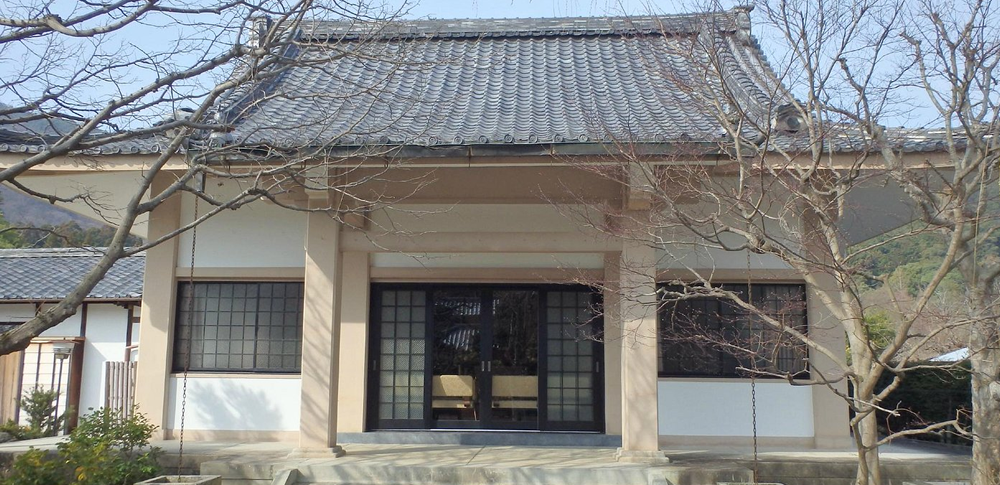
As a Jodo sect temple, the principal image is Amida Buddha. Daily services are held in the main hall, where parishioners and visitors can quietly offer their prayers. Based on the teachings of the Jodo sect, the belief in attaining rebirth in the Pure Land by chanting “Namu Amida Butsu” (Homage to Amida Buddha) is passed down through generations.
Harmony with the Sagano Landscape
One of the greatest charms of Shogaku-ji Temple is its harmony with the surrounding landscape. The Sagano area is designated as a landscape preservation district by Kyoto City, protecting its historical streetscape and natural environment. The temple architecture is also designed to blend in with the surrounding environment, giving visitors a sense of “Kyoto-ness.”
How to Access Shogaku-ji Temple
Access by Train
Shogaku-ji Temple is accessible from several stations.
From Torokko Arashiyama Station:
The nearest station is Torokko Arashiyama Station, which is very close, about a 2-minute walk (approximately 188m) from the station exit, making it the most easily accessible route. Using the Sagano Scenic Railway’s Torokko train allows you to enjoy the scenery of the Hozukyo Gorge while visiting.
From Arashiyama Station (Keifuku Electric Railway):
Approximately 8 minutes on foot (about 628m) from Arashiyama Station on the Keifuku Electric Railway Arashiyama Line. You can stroll along the Togetsukyo Bridge and Arashiyama’s main street on your way there.
From Saga-Arashiyama Station (JR):
It’s also within walking distance from Saga-Arashiyama Station on the JR Sagano Line. From the station, head towards the Bamboo Grove Path and enjoy the atmosphere of Sagano while you access the destination.
From Torokko Saga Station:
It’s also accessible on foot from Torokko Saga Station, the starting point of the Sagano Scenic Railway.
Access by Car and Parking
The Arashiyama and Sagano area is prone to traffic congestion during peak tourist season, so using public transportation is recommended. If you visit by car, you will need to use paid parking lots around Arashiyama. Especially during cherry blossom and autumn foliage seasons, crowds are expected, so we recommend arriving early.
Location relative to surrounding tourist spots
- Nonomiya Shrine: A few minutes’ walk. Famous as a shrine for matchmaking.
- Bamboo Grove Path: Approximately 5 minutes’ walk. A representative landscape of Sagano.
- Jojakkoji Temple: Approximately 10 minutes’ walk. A famous spot for autumn leaves.
- Togetsukyo Bridge: Approximately 15 minutes’ walk. A symbol of Arashiyama.
- Tenryuji Temple: Approximately 15 minutes’ walk. A Zen temple and World Heritage Site.
When visiting Shogakuji Temple, you can enjoy a stroll through Sagano in conjunction with these surrounding spots.
Modern Initiatives at Shogakuji Temple
Response to Tree Burials
In recent years, Shogakuji Temple has begun offering tree burials to meet modern needs. We have concluded a tree burial support agreement with 366 Co., Ltd., and are able to accommodate those who wish for a memorial service that returns to nature. In urban areas, tree burial is gaining attention as a way to commemorate those without successors, due to the shortage of cemeteries. Shogaku-ji Temple is flexibly adapting to these changing times.
Abbot’s Information Dissemination Activities
The 33rd abbot, Hidetoku Ukai, is also active as a Buddhist journalist, disseminating information about Buddhist teachings and the current state of temples through media such as “Temple Morning Radio.” His distinctive feature is his proactive approach to considering and practicing the role of Buddhism in modern society, in addition to traditional temple management.
Community Involvement
Located in the historically significant Sagano area, Shogaku-ji Temple plays an important role in preserving the local landscape and passing on its culture. It continues to provide a quiet place of prayer, contributing to the appeal of the Arashiyama-Sagano area as a tourist destination.
About the Jodo Sect
Teachings of the Jodo Sect
The Jodo Sect, to which Shogaku-ji Temple belongs, is a sect of Japanese Buddhism founded by Honen Shonin (1133-1212). The center of this temple is the teaching of “exclusive recitation of the Buddha’s name,” which states that by chanting “Namu Amida Butsu,” anyone can attain rebirth in the Pure Land through the power of Amida Buddha’s original vow.
Shogaku-ji Temple as a Jodo Sect Temple
At Shogaku-ji Temple, memorial services and rites are conducted based on the teachings of the Jodo Sect. The teachings of reciting the Buddha’s name are continuously passed down through funerals, memorial services, and annual memorial services for parishioners. Furthermore, the Amida Sutra and the recitation of the Buddha’s name are chanted during daily services, putting Buddhist teachings into practice.
Points to Note When Visiting Shogaku-ji Temple
Visitor Etiquette
Shogaku-ji Temple is not a tourist temple, but a temple that functions as a place of faith. Please observe the following points when visiting the temple:
- Maintain silence within the temple grounds
- Take photographs only in designated areas
- Obtain permission from the head priest before entering the main hall
- Refrain from visiting during religious services
- Always take your trash with you
Visiting Hours and Admission Fee
Unlike typical tourist temples, Shogaku-ji Temple may not have clearly defined visiting hours or admission fees. It is recommended to confirm by phone before visiting.
Recommended Time to Visit
The Sagano area offers beautiful scenery throughout the four seasons, but the most recommended times are:
- Spring (late March to April): Cherry blossom season. The entire Arashiyama area is enveloped in a vibrant atmosphere.
- Early Summer (May to June): The fresh greenery is beautiful, and the bamboo grove is at its most vibrant.
- Autumn (November): Sagano is known as a famous spot for autumn foliage. Especially best viewed from mid- to late November
- Winter (December to February): A time when there are fewer tourists and you can visit the temple in peace.
Historical Background of the Sagano Area
A Villa Area for Heian Period Aristocrats
Sagano has been a beloved villa area for aristocrats since the Heian period. The name “Saga” comes from Emperor Saga (786-842) who built a detached palace there, and since then, many aristocrats have built villas there.
The Ogura Hyakunin Isshu and Fujiwara no Teika
Sagano is also known as the place where the Ogura Hyakunin Isshu (One Hundred Poets, One Poem Each) was compiled. It is said that Fujiwara no Teika, a poet of the Kamakura period, selected the poems for the Hyakunin Isshu at Shiguretei (Ogura Sanso), a villa he built at the foot of Mount Ogura, and the area around Shogaku-ji Temple is included in this historical and cultural sphere.
Cultural Heritage and Landscape Preservation
Currently, the Sagano area is designated as a landscape preservation district by Kyoto City, protecting its historical streetscape and natural scenery. Shogaku-ji Temple is located within this preservation district and is an important element of Kyoto’s cultural landscape.
Shogaku-ji Temple and Other Shogaku-ji Temples in Kyoto
There are several “Shogaku-ji” temples in Kyoto City. Caution is advised as they can easily be confused:
Shogaku-ji Temple (Kamigyo Ward)
Location: 318 Hachiman-cho, Ogawa-dori Sawaragi-cho, Kamigyo-ku, Kyoto City
Sect: Jodo Shinshu Honganji-ha
Phone Number: 075-231-8320
Nearest Station: Approximately 700m from Imadegawa Station on the Kyoto Municipal Subway Karasuma Line
This is a temple of the Jodo Shinshu Honganji-ha sect and is a different temple from the Shogaku-ji Temple in Ukyo Ward. Since the sect and location are different, please confirm the address before visiting.
Points of Distinction
- Shogaku-ji Temple in Ukyo Ward: Jodo sect, Saganonomiya-cho, Arashiyama/Sagano area
- Shogaku-ji Temple in Kamigyo Ward: Jodo Shinshu Honganji sect, Ogawadori Sawaragi-cho, Kyoto Imperial Palace area
Please check the phone number and address to avoid going to the wrong temple.
Recommended Sightseeing Route Around Shogaku-ji Temple
Half-Day Course (Approx. 3-4 Hours)
- JR Saga-Arashiyama Station Start
- Torokko Saga Station Visit the starting point of the Sagano Scenic Railway
- Bamboo Grove Path Stroll through Sagano’s representative scenery (Approx. 20 minutes)
- Nonomiya Shrine Visit the shrine for matchmaking (Approx. 15 minutes)
- Shogaku-ji Temple Calm your mind in the tranquil temple grounds (Approx. 20 minutes)
- Jojakko-ji Temple Visit a famous spot for autumn leaves (Approx. 30 minutes)
- Nison-in Temple An ancient temple known for its “Maple Leaf Horse Riding Ground” (Approx. 30 minutes)
- Togetsukyo Bridge Take a commemorative photo at Arashiyama’s symbol (Approx. 30 minutes)
- Arashiyama Station Area Eat and buy souvenirs
Full-Day Course (approximately 6-7 hours)
In addition to the half-day course above:
- Tenryu-ji Temple Visit the World Heritage Zen temple and gardens
- Hogon-in Temple A temple with beautiful autumn foliage and gardens
- Okochi Sanso The villa garden of actor Denjiro Okochi
- Gio-ji Temple A nunnery with beautiful moss and autumn leaves
By combining these, you can fully enjoy the Sagano and Arashiyama area.
About Memorial Services and Ceremonies at Shogaku-ji Temple
Funerals and Memorial Services
Shogaku-ji Temple conducts funerals and memorial services for its parishioners. It is characterized by its respectful memorial services in accordance with the customs of the Jodo sect. Those wishing to hold a funeral or memorial service can contact the temple in advance to discuss the date and content.
Annual Memorial Services
Annual memorial services, such as the first, third, and seventh anniversaries, are also held. A memorial service based on the teachings of the Jodo sect will be held to commemorate the deceased and pray for their peaceful repose in the Pure Land.
Perpetual Memorial Service and Tree Burial
As mentioned above, Shogaku-ji Temple also offers tree burial to meet modern needs. Those without successors or those who wish for a memorial service that returns to nature can consult with the temple.
Summary: The Charm of Shogaku-ji Temple
Located in Saganonomiya-cho, Ukyo-ku, Kyoto City, Shogaku-ji Temple, despite being in Arashiyama and Sagano, two of Japan’s most representative tourist destinations, continues to exist as a place of prayer enveloped in tranquility.
Main Attractions of Shogaku-ji Temple:
- A Jodo Sect Temple Located in a Historic Landscape District – An Important Element of Sagano’s Cultural Landscape
- Excellent Access – Conveniently located just a 2-minute walk from Torokko Arashiyama Station
- Connection with Nearby Tourist Spots – Allows for sightseeing in combination with the Bamboo Grove Path, Nonomiya Shrine, Togetsukyo Bridge, and other attractions
- Modern Initiatives – Flexibility in meeting the needs of the times, including offering tree burial options
- A Quiet Place of Prayer – A tranquil atmosphere away from the hustle and bustle of tourist areas
When visiting Arashiyama and Sagano, why not visit a local temple like Shogaku-ji Temple, in addition to sightseeing? There, you can experience Kyoto’s history and culture, and the contemporary form of Buddhism.
Please call (075-861-2981) in advance to confirm before visiting, and observe proper etiquette during your visit. The time spent praying in the tranquil temple grounds will be a precious moment away from the hustle and bustle of everyday life.