Aoyagi Shrine (Fukushima City, Fukushima Prefecture) Complete Guide | Goshuin (Shrine Seal), Benefits, History, and Access Information
Aoyagi Shrine, located in Segami-cho, Fukushima City, Fukushima Prefecture, is a local guardian deity known for its blessings related to fertility and safe childbirth. Named “Aoyagi Shrine” because of the lush green willow trees that flourished within its grounds, this shrine has watched over the area since ancient times.
This article provides detailed information you should know before visiting Aoyagi Shrine, including its history, enshrined deities, benefits, goshuin information, highlights within the grounds, and access methods.
Basic Information about Aoyagi Shrine
Location: 5 Aoyagi, Segami-cho, Fukushima City, Fukushima Prefecture
Postal Code: 〒960-0101
Telephone Number: Available on the official website
Shrine Rank: Village Shrine
Corporate Number: 1380005000642 (Designated October 5, 2015)
Nearest Station: Approximately 5 minutes on foot from Segami Station on the Abukuma Express Line (approximately 400m west)
Parking: Parking available for visitors on the shrine grounds
Aoyagi Shrine is located in Segami-cho, a little distance from the center of Fukushima City, and is a tranquil shrine nestled in a quiet residential area. While there are four shrines named “Aoyagi Shrine” throughout Japan, this shrine in Fukushima City enjoys a deep-rooted community faith.
Deities and Benefits
Main Deity and Enshrined Deities
The following deities are enshrined at Aoyagi Shrine:
Main Deity:
- Ōyamatsumi-no-kami: A deity revered as the god of mountains and the guardian deity of agriculture, fishing, and mining.
Enshrined Deities:
- Iwanagahime-no-mikoto: Daughter of Ōyamatsumi-no-kami, known for granting blessings of longevity and good health.
- Konohanasakuya-hime-no-mikoto: Younger sister of Iwanagahime, the deity of safe childbirth, fertility, and protection against fire.
This combination of three deities reflects the beliefs of local residents who pray for the prosperity and health of their families.
Main Blessings
Aoyagi Shrine is particularly known for the following blessings:
- Fertility and Safe Childbirth: Konohanasakuya-hime is famous as the goddess of safe childbirth, and many pregnant women and those praying for children visit the shrine as the “guardian deity of mother and child.”
- Family Safety: Protection of the health and peace of the entire family.
- Longevity and Health: Longevity blessings from Iwanaga-hime.
- Abundant Harvest: Protection of agriculture from Oyamatsumi-no-kami.
- Exorcism and Good Fortune: Comprehensive blessings as the guardian deity of the region.
The shrine is also introduced on its official website as the “guardian deity of fertility, safe childbirth, and mother and child,” and is particularly popular with worshippers who have wishes related to pregnancy and childbirth.
History and Origins of Aoyagi Shrine
Origin of Founding
The founding date of Aoyagi Shrine is unknown, but its history is very old, dating back to the “ancient” era. It is said that the shrine originated when people who first settled in this area enshrined a guardian deity, praying for safety and prosperity in their lives.
The shrine’s name is said to have originated from the fact that willow trees flourished lushly within the grounds, hence the name “Aoyagi no Yashiro” (Willow Shrine). This element of nature worship conveys the original form of Japanese Shinto.
History of Relocation
In the medieval period, Aoyagi Shrine was located on the east side of the Abukuma River, at the foot of a small hill. It is said that after a divine oracle, it was relocated to its current location, although the exact year is unknown. This history of relocation reflects the movement of shrines due to regional development and changes in the natural environment.
History Since the Modern Era
Under the Meiji era’s shrine ranking system, it was classified as a “village shrine” and has functioned as a central shrine in the region.
The shrine building displays plaques listing the names of soldiers who were conscripted into war, and the spirits of 124 heroes who perished in battle are inscribed and enshrined on a memorial monument within the grounds. This indicates that Aoyagi Shrine is not merely a place of worship, but also a place that preserves the history of the region.
Highlights of the Shrine Grounds
Shrine Building
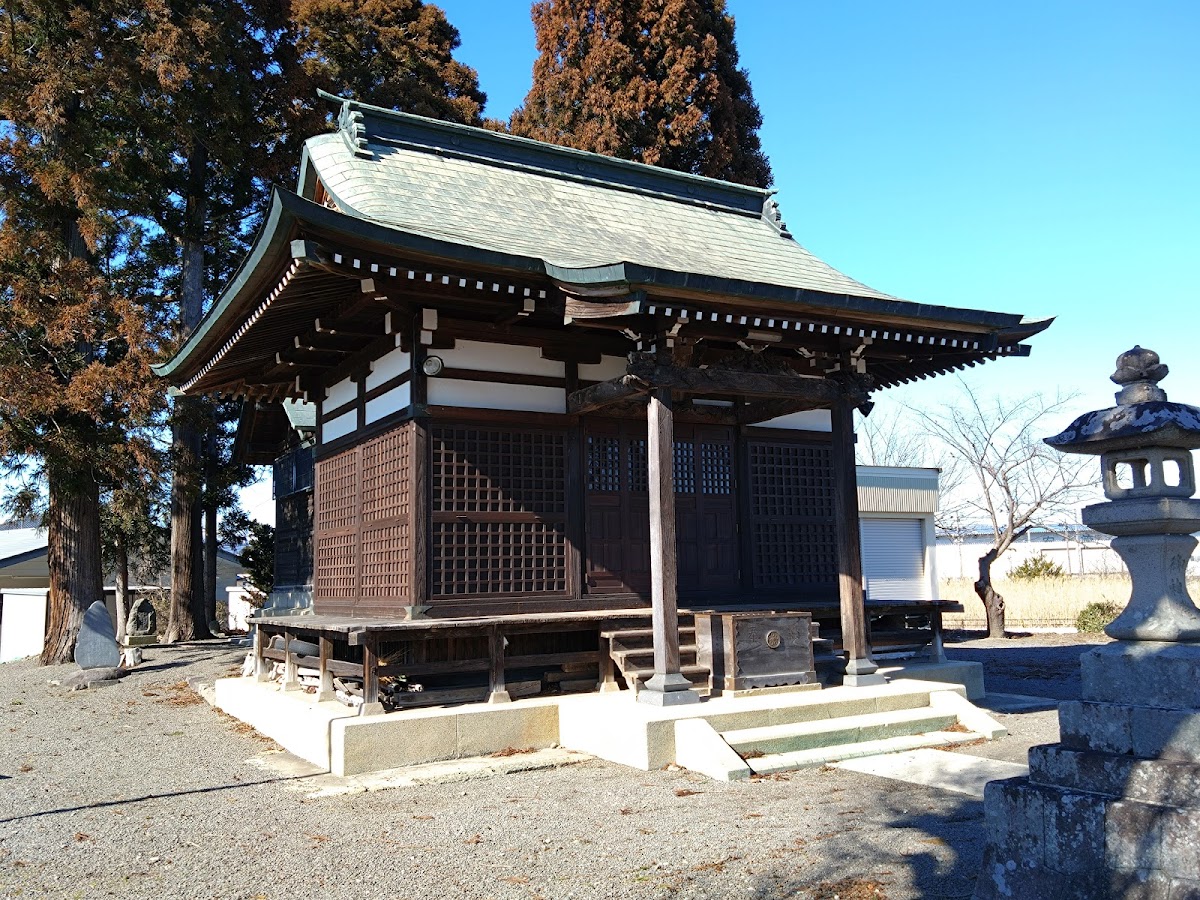
The shrine building of Aoyagi Shrine preserves the traditional style of shrine architecture in the region. Although not large in scale, the carefully maintained shrine building reflects the deep faith of the local residents.
Enshrined Deities and Subsidiary Shrines
In addition to the main shrine, many subsidiary shrines are enshrined within the grounds of Aoyagi Shrine.
Enshrined Deities:
- Tenmangu Shrine: Dedicated to Sugawara no Michizane, the god of learning
Subsidiary Shrines:
- Ashio Okami
- Raijin (Thunder God)
- Kinkazan no Kami (God of Kinka Mountain)
- Tsukuyomi no Kami (Mount Tsukuyomi)
- Male and Female Deities
- Daikoku Ebisu (God of Daikoku and Ebisu)
- Twelve Zodiac Deities
- Aioi Inari Shrine
- Taishingu (Great Shrine)
These subsidiary shrines, dedicated to a diverse range of deities, tell the story of the shrine’s history of receiving various wishes from the local people. ### Memorial Monument
Within the shrine grounds stands a memorial monument dedicated to those who died in the war, bearing the names of 124 fallen heroes. It is an important place for passing on the region’s war memories to future generations.
Natural Environment
The willow trees that gave the shrine its name can still be seen on the grounds and in the surrounding area. The quiet environment, where one can feel the changing seasons, provides solace to visitors.
Goshuin (Shrine Seal) Information
About the Issuance of Goshuin
Goshuin (shrine seals) are available at Aoyagi Shrine. However, since there is not always someone at the shrine office, please note the following:
How to Obtain:
- If the shrine office is unattended, a contact phone number is posted on the grounds.
- If you contact them by phone, the chief priest will come and assist you.
- Goshuin are generally written directly in the seal.
Notes:
According to the official website information from January 2021, there may be times when ink writing in the goshuin book is not possible due to circumstances. We recommend checking the latest information before your visit.
Features of the Goshuin (Shrine Seal)
Aoyagi Shrine’s goshuin is characterized by its simple yet carefully written calligraphy and red seal. It is popular among those who collect goshuin as a hobby.
Annual Festivals and Events
Autumn Grand Festival
Date: October 14th-15th
The Autumn Grand Festival, Aoyagi Shrine’s most important festival, is held annually in mid-October. Local residents gather to give thanks for a bountiful harvest and the safety of the community, and to pray for prosperity in the coming year.
Other Annual Events
As a local shrine, it is believed that various Shinto rituals are performed throughout the year, such as Hatsumode (first shrine visit of the year), Setsubun Festival, and Natsukoshi no Oharae (summer purification ceremony). For detailed information on annual events, please contact the shrine directly.
Access Methods
Access by Train
Nearest Station: Abukuma Express Line “Segami Station”
Distance from Station: Approximately 5 minutes on foot west (approx. 400m)
Segami Station is located about 10 minutes from Fukushima Station on the Abukuma Express Line. The path from the station to the shrine is flat and a quiet walking trail through a residential area.
Route from Fukushima Station:
- Take the Abukuma Express Line from Fukushima Station
- Get off at Segami Station (approx. 10 minutes)
- Exit the station and walk west for approximately 5 minutes
Access by Car
Access from Major Roads:
- Accessible via Prefectural Road from National Route 4
- Approximately 15-20 minutes by car from the center of Fukushima City
Parking:
There is parking space for visitors on the shrine grounds. However, since the number of spaces is limited, we recommend using public transportation during events such as the annual festival.
Car Navigation Settings:
- Address: 5 Aoyagi, Segami-cho, Fukushima City, Fukushima Prefecture
- Postal Code: 〒960-0101
- Map Code: 76 164 775*02
- Latitude/Longitude: 37.80179864°N, 140.49533962°E
- Elevation: Approximately 59m
Nearby Landmarks
Aoyagi Shrine is located in a residential area of Segami-cho. It is in the area west of the Abukuma River, and the surrounding area is a quiet residential neighborhood.
Manners and Points for Visiting a Shrine
Basic Worship Etiquette
- Bow before passing through the torii gate: This is a courtesy before entering the sacred area.
- Purify yourself at the water basin: Purify your left hand, right hand, and mouth in that order.
- Avoid walking in the center of the path: The center is considered the path of the gods.
- Etiquette at the main hall: Two bows, two claps, and one bow are the basic rituals.
Points to Note When Visiting a Shrine
- If the shrine office is closed: If you wish to receive a goshuin (shrine stamp) or other items, please check the notices posted on the shrine grounds and contact them by phone.
- Worship quietly: As the shrine is adjacent to a residential area, please worship quietly, especially in the early morning and evening.
- Maintain cleanliness of the shrine grounds: Always take your trash with you.
- Photography: Taking commemorative photos during your visit is fine, but please be considerate of other worshippers.
Recommended Time to Visit
- Spring: A beautiful season with fresh green willows.
- Autumn: The time of the annual festival, where you can observe traditional local events.
- New Year’s Visit: Many worshippers visit to pray for the New Year.
Nearby Attractions
The Charm of the Segami Area
Segami Town is a quiet residential area located on the outskirts of Fukushima City. You can enjoy a relaxing time in the nature-rich environment along the Abukuma River.
Other Shrines and Temples in Fukushima City
After visiting Aoyagi Shrine, it is also recommended to visit other shrines and temples in Fukushima City.
- Fukushima Inari Shrine: The main guardian shrine of Fukushima City
- Gokoku Shrine: The prefectural Gokoku Shrine located on Mt. Shinobu
- Io-ji Temple: An ancient temple near Iizaka Onsen.
About Prayers for Conception and Safe Childbirth
As a Guardian Deity of Mother and Child
Aoyagi Shrine is officially revered as a “guardian deity of conception, safe childbirth, and mother and child.” The enshrined deity, Konohanasakuya-hime, is widely revered as a goddess of safe childbirth, based on the legend in Japanese mythology that she conceived overnight and safely gave birth to three children amidst fire.
Etiquette for Safe Childbirth Prayers
If you wish to pray for a safe childbirth, it is recommended to contact the shrine in advance to make a reservation for the prayer. Generally, prayers for safe childbirth are performed on the Day of the Dog in the fifth month of pregnancy, but the shrine is flexible and can accommodate your physical condition and circumstances.
Thank You Visit
After a safe delivery, it is important to visit the shrine again to express gratitude to the gods. Many people also visit with their babies to pray for their healthy growth.
Connection with the Community
As the Guardian Shrine of Segami
Aoyagi Shrine has long been the guardian shrine of Segami-cho, Fukushima City, and has been revered by local residents. It plays a central role in local festivals and events, strengthening the bonds among residents.
A Place of Memorial for War Dead
The memorial monument on the shrine grounds enshrines the spirits of 124 fallen soldiers, making it an important place that conveys the memory of the war in the region. A memorial service is held annually, offering prayers for peace.
A Center of the Local Community
Aoyagi Shrine functions not only as a place of worship but also as a center of the local community. Through events such as the annual festival, it serves as a place for intergenerational exchange.
How to Enjoy Visiting Aoyagi Shrine
As Part of a Goshuin Pilgrimage
Visiting Aoyagi Shrine is recommended as part of a Goshuin pilgrimage, where you can visit shrines and temples in Fukushima Prefecture. It’s a hidden gem where you can worship in a quiet environment.
As a Historical Exploration
Aoyagi Shrine, with its ancient history, is a valuable place for learning about the region’s history. From the memorial monument on the grounds and the names of soldiers inscribed on plaques, you can feel the modern history of this region.
A Stroll Through Nature
You can spend a quiet time enjoying the willow trees that gave the shrine its name, and the changing seasons. It’s the perfect place to escape the hustle and bustle of the city and find peace of mind.
Summary
Aoyagi Shrine is a historic shrine located in Segami-cho, Fukushima City, Fukushima Prefecture. It has been revered as the guardian deity of the region since ancient times, and is particularly known for its blessings of fertility and safe childbirth.
The shrine enshrines three deities: Oyamatsumi-no-kami, Iwanaga-hime-no-mikoto, and Konohanasakuya-hime-no-mikoto, and is beloved by many worshippers as the “guardian deity of mother and child.” The shrine grounds contain many smaller shrines and a war memorial, making it a place where the region’s faith and history are condensed.
Its convenient access, approximately a 5-minute walk from Segami Station on the Abukuma Express Line, is another attractive feature. Goshuin (shrine stamps) are available, and if the shrine office is closed, you can contact them by phone.
When you visit Fukushima City, be sure to stop by Aoyagi Shrine. You can find peace of mind in its tranquil grounds and spend precious time reflecting on its ancient history.
This shrine is worth visiting for a variety of reasons, including prayers for safe childbirth or fertility, collecting Goshuin (shrine stamps), or simply being interested in local history. You can experience traditional Japanese faith and culture in a warm, community-rooted atmosphere.