Tenjin Shrine (Miyashiro, Tenjinmae, Fukushima City) Complete Guide | Access, Deities, and Visiting Information
Nearby nestled in the Miyashiro district of Fukushima City, Tenjin Shrine is dedicated to Sugawara no Michizane, known as the god of learning. Despite being surrounded by modern commercial facilities, this shrine has been carefully preserved as a place of worship for the community. This guide provides detailed information about the shrine.
Basic Information about Tenjin Shrine
Tenjin Shrine is located at 25 Tenjinmae, Miyashiro, Fukushima City, Fukushima Prefecture, and its corporate number is 7380005000819. It is located approximately 750 meters northeast of Higashi-Fukushima Station on the JR Tohoku Main Line, in an area that is a mix of residential and commercial facilities.
Location and Address
Official Address:
- Address: 25 Tenjinmae, Miyashiro, Fukushima City, Fukushima Prefecture
- Postal Code: 〒960-0116
- Corporate Number: 7380005000819 (Designated October 5, 2015)
There are 99 shrines named Tenjin Shrine throughout Japan, ranking 75th in the nation for the number of shrines with the same name. While there are several Tenjin Shrines in Fukushima Prefecture, this Miyashiro Tenjin Shrine has its own unique history rooted in the local community.
Deity and History
Dedicated to Sugawara no Michizane
The deity enshrined at Tenjin Shrine is Sugawara no Michizane. Sugawara no Michizane is known as a scholar and politician of the Heian period and is revered as the god of learning and literature at Tenjin Shrines throughout Japan.
Sugawara no Michizane was born in Kyoto in 845 (Jōwa 12). He displayed exceptional talent from a young age and served the imperial court as a scholar of literature. However, due to political intrigue, he was exiled to Dazaifu and died in 903 (Engi 3) at the age of 59. Following a series of epidemics and natural disasters in Kyoto, a Tenmangu shrine was built to appease Michizane’s vengeful spirit, and it later became worshipped as the god of learning.
History and Background of the Shrine
Unfortunately, the date of establishment, detailed origins, and history of this Tenjin Shrine are currently unknown. Like many small shrines in various regions, records may have been lost, or the information may have originally been passed down orally.
Based on accounts from local elders and the surrounding development, it is believed that the shrine was established during the Edo or Meiji period by farmers in the area to pray for a bountiful harvest and the academic success of their children. The place name Miyashiro itself suggests that this area has a long history of shrines.
Access and Points to Note When Visiting
Access from the Nearest Station
From JR Tohoku Main Line, Higashi-Fukushima Station:
- Distance: Approximately 750 meters northeast
- Walking time: Approximately 10-12 minutes
- Exit the station and head northeast towards York Benimaru Fukushima Miyashiro store.
Access by Car and Parking
If you are visiting by car, there is no dedicated parking lot for the shrine, but you will need to use the York Benimaru Fukushima Miyashiro store parking lot. However, since this is a supermarket parking lot, please be considerate and limit your visit to a short time, perhaps by combining it with shopping.
Unique Access to the Approach
The most important thing to note when visiting Tenjin Shrine is how to access the approach.
Currently, this shrine does not have a clearly defined main approach. It is believed that there was once a path leading to the shrine, but due to development in the surrounding area, the only way to visit the shrine now is to climb the embankment from the furthest point of the parking lot of York Benimaru Fukushima Miyashiro store.
Details of the visit route:
- Enter the parking lot of York Benimaru Fukushima Miyashiro store
- Proceed to the furthest point (north side) of the parking lot
- Look for a faint trail on the embankment of the parking lot
- Follow the trail to the shrine
Although the shrine building is visible from the road, the entrance is very difficult to find, and first-time visitors are often confused. Even locals often say, “I couldn’t find the entrance.”
Changes in surrounding land use
This unique method of visiting the shrine is rooted in changes in the surrounding land use. Possible explanations include:
- The possibility that a commercial facility purchased part of the shrine’s grounds.
- The possibility that the surrounding farmland was developed, causing the approach to the shrine to disappear.
In any case, this can be considered an example of the challenges faced by many small shrines in urban areas during the period of rapid economic growth. Nevertheless, the fact that the shrine itself remains and has been preserved as a place of worship for the community to this day is a testament to the faith of the local residents.
Shrine Grounds and Facilities
Shrine Building and Grounds Environment
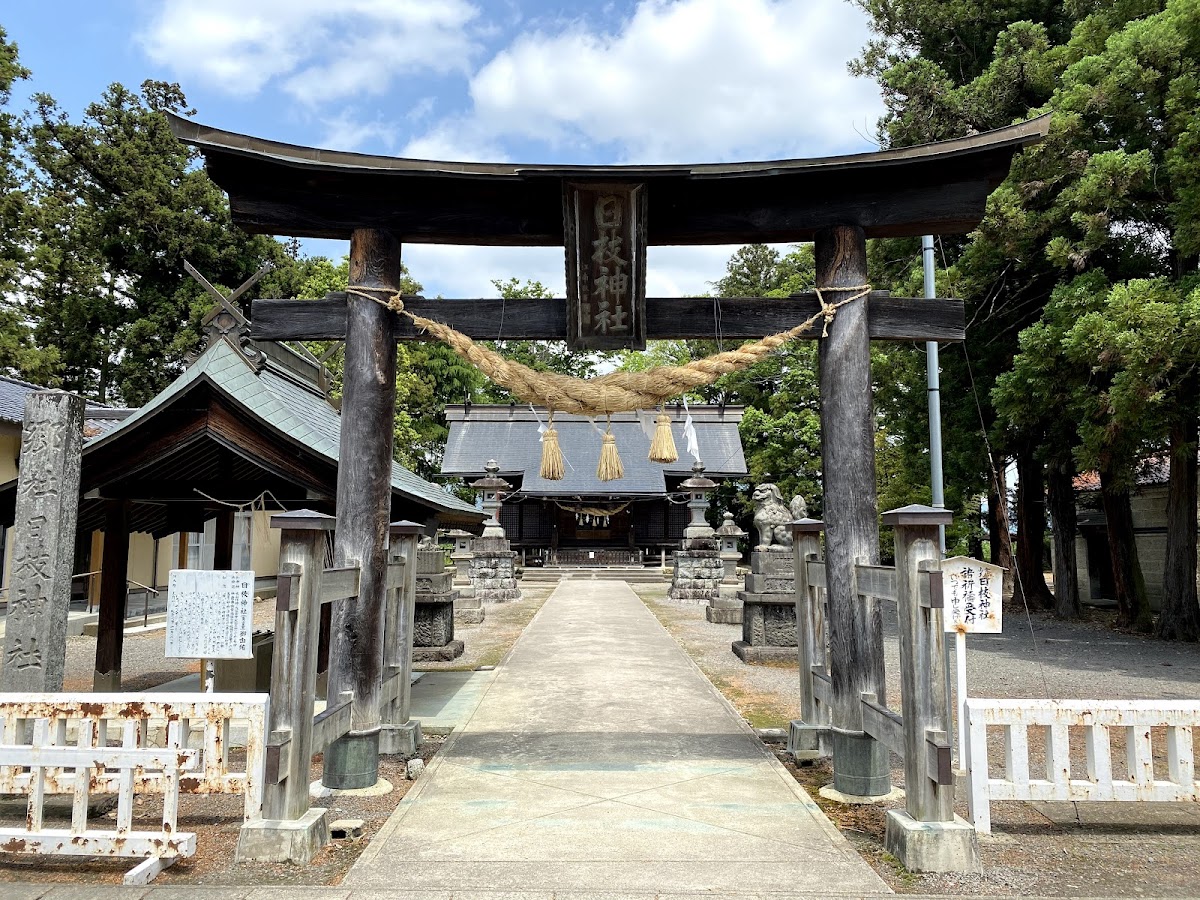
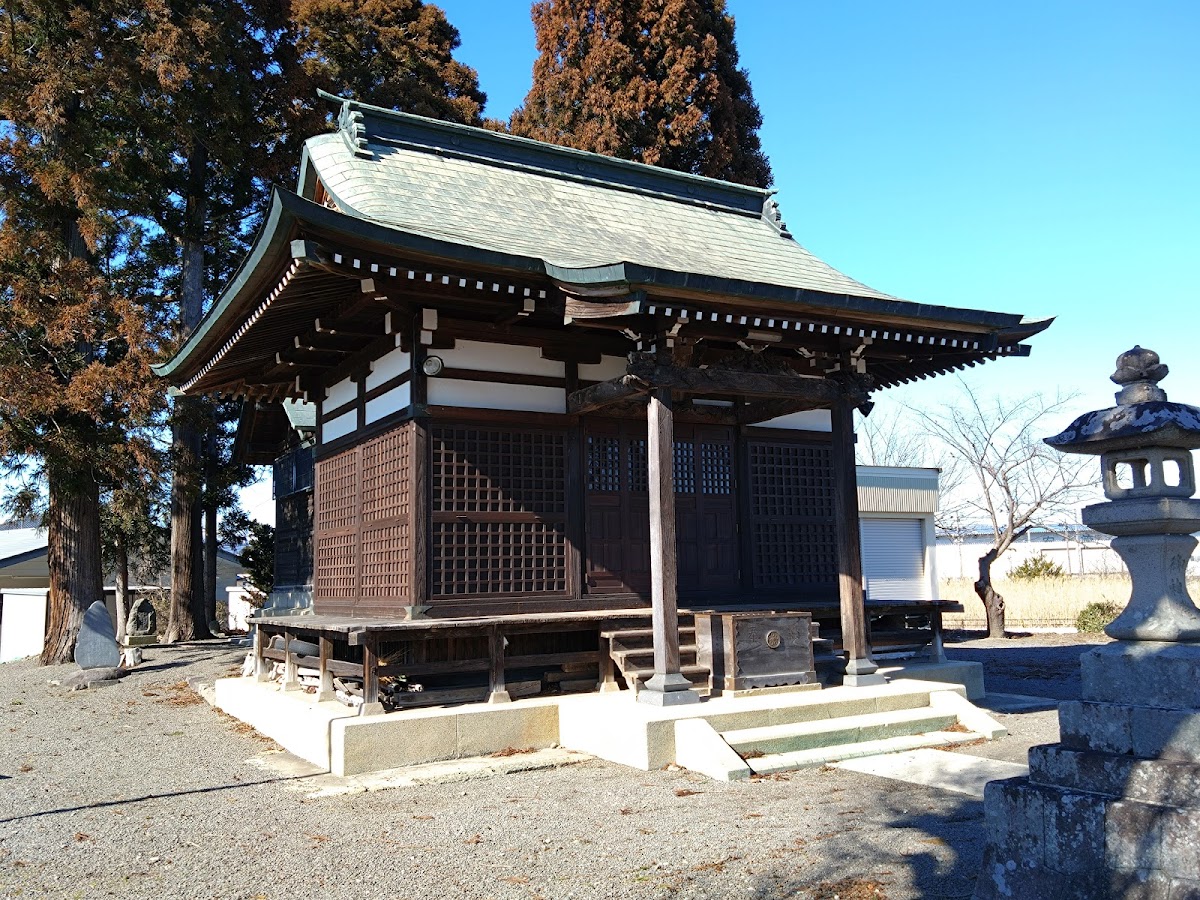
The grounds of Tenjin Shrine are not particularly large, but they maintain a tranquil atmosphere despite being adjacent to commercial facilities. The shrine building, though small, is a valuable presence that conveys the tradition of Tenjin worship to the present day.
Large trees are present on the grounds, providing a valuable green space in this increasingly urbanized area. Depending on the season, the sound of birdsong can be heard, offering visitors a peaceful experience.
Regarding Goshuin (Shrine Seals) and Other Offerings
Unfortunately, it is believed that this Tenjin Shrine does not offer Goshuin because there is no resident priest. Many small shrines have priests who also serve at larger nearby shrines, and in most cases, they do not offer daily offerings.
If you wish to receive a Goshuin, we recommend visiting major shrines in Fukushima City, such as Fukushima Inari Shrine or Haguro Shrine.
Tenjin Faith and Prayers for Academic Achievement
Tenjin-sama is the God of Learning
Tenjin shrines, which enshrine Sugawara no Michizane, are worshipped nationwide as the god of learning. The following blessings are particularly believed to be offered:
- Academic Achievement: Passing exams, improving grades
- Imbushing Wisdom: Flourishing academic talent
- Improvement in Calligraphy: Sugawara no Michizane was also a master calligrapher
- Improvement in Literature: Improving talent in poetry and writing
- Sincere Heart: Embracing the sincere character of Sugawara no Michizane
How to Worship
Worship at Tenjin Shrine follows the general etiquette for visiting shrines:
- Bow once before the torii gate
- Purify your hands and mouth if there is a water basin (It is unconfirmed whether this shrine has a water basin)
- Bow twice, clap twice, and bow once before the main hall
- Offer your donation
- State your wish silently
- Bow at the torii gate upon exiting.
When praying for academic success, it is said to be beneficial to clearly state your specific goals (such as the name of your desired school or exam) in your mind.
Other Tenjin Shrines in Fukushima City
Besides Miyashiro Tenjin Shrine, there are other Tenjin Shrines in Fukushima City.
Yamada Tenjin Shrine
Location: 4-ban, Yamada, Fukushima City, Fukushima Prefecture
Yamada Tenjin Shrine is a historical shrine counted among the “Eighteen Guardian Shrines of Shinobu.” It also enshrines Sugawara no Michizane and is a center of local faith. It is larger in scale than Miyashiro Tenjin Shrine, and its grounds are well-maintained.
Narikawa Tenjin Shrine
Location: 41-ban, Miyauchi, Narikawa, Fukushima City, Fukushima Prefecture
This is another Tenjin Shrine located in Fukushima City, and is cherished by local residents as the guardian deity of the Narikawa area.
Famous Tenjin Shrines in Fukushima Prefecture
Tenjin-yama and Tenjin Shrine (Shirakawa City)
In Tenjin-cho, Shirakawa City, Fukushima Prefecture, there is a small hill called Tenjin-yama, approximately 11 meters high, on which Tenjin Shrine is located.
This Tenjin-yama is located southwest of Komine Castle and along the Oshu Kaido road, and is thought to have played an important role in the formation and defense of the castle town of Shirakawa in the early modern period. The attached Tenjin Shrine is one of the “Seven Tenjin Shrines of Shirakawa” that once existed, and as the only one still existing today, it is designated as a cultural property of Shirakawa City.
Every year on February 11th, the Dondo-yaki (bonfire ceremony) of the “Shirakawa Daruma Market” is held at this Tenjin Shrine. The Shirakawa Daruma Market is a traditional event that has continued for over 200 years and is a representative winter event of Fukushima Prefecture, attracting more than 150,000 people every year.
Nearby Attractions and Facilities
York Benimaru Fukushima Miyashiro Store
A supermarket located right next to the shrine. Convenient for shopping after visiting the shrine, this is an important commercial facility that supports the lives of local residents.
Around Higashi-Fukushima Station
The area around the nearest JR Higashi-Fukushima Station is a quiet residential area. There are small shops in front of the station, making it a hub for local life.
Characteristics of Miyashiro District, Fukushima City
Miyashiro is a residential area located slightly east of the center of Fukushima City. The place name “Miyashiro” may mean “substitute for the shrine” or “territory of the shrine,” suggesting that it has been a place with deep historical ties to shrines.
Precautions and Manners When Visiting the Shrine
Considerations When Using the Commercial Facility Parking Lot
As mentioned above, visiting this shrine requires passing through the York Benimaru parking lot. Please note the following:
- Avoid long-term parking: Keep your visit brief.
- If possible, make a purchase: As a token of gratitude for being allowed to use the parking lot.
- Drive safely in the parking lot: Pay attention to shoppers.
- Choose a parking space towards the back: Leave spaces near store entrances open for shoppers.
Basic Manners on the Shrine Grounds
- Worship in silence: Refrain from loud conversations.
- Take your trash home: Keep the shrine grounds clean.
- Do not damage plants or facilities: Cherish nature and cultural assets.
- Photograph with moderation: Avoid disturbing other worshippers.
History and Culture of Tenjin Faith
Tenmangu and Tenjin Shrines Nationwide
There are said to be approximately 12,000 shrines throughout Japan dedicated to Sugawara no Michizane, and they are known by names such as “Tenmangu,” “Tenjin Shrine,” and “Tenjin Jinja.” The main shrines are Kitano Tenmangu in Kyoto and Dazaifu Tenmangu in Fukuoka.
The Spread of Tenjin Faith
The spread of Tenjin faith throughout Japan is due to the following factors:
- From Vengeful Spirit Worship to Deification: The faith, which began as a way to appease the vengeful spirit of Sugawara no Michizane, later evolved into the god of learning.
- Emphasis in Samurai Society: The samurai class’s emphasis on learning led to the establishment of shrines in castle towns throughout the country.
- Spread of Terakoya Education: With the spread of education during the Edo period, faith in the god of learning spread to the common people.
- Connection with Plum Blossoms: The plum blossom, which Michizane loved, became established as a symbol of Tenjin faith.
Tenjin Faith in Modern Times
Even today, during exam season, many students and their parents visit Tenmangu and Tenjin shrines throughout Japan. Ema (votive tablets) praying for success are offered, and items such as pencils for passing exams are popular.
The Tenjin Shrine in Miyashiro, Fukushima City, though small, plays a vital role in this nationwide network of Tenjin worship and has functioned as a center of local academic faith.
The Role of Shrines in the Community
Coexistence of Urban Development and Shrines
The Tenjin Shrine in Miyashiro is an example of the challenges facing modern urban development and the coexistence of traditional religious spaces. While the approach to the shrine was lost due to commercial development, the fact that the shrine building itself remained suggests that the local community is seeking a new form of coexistence without completely losing its traditional place of worship.
Shrines as the Core of the Local Community
Even small shrines serve the following roles for local residents:
- Spiritual anchor: A place of prayer in daily life
- Witness to history: A presence that conveys the history of the region to the present day
- Part of the landscape: An element that characterizes the local scenery
- Cultural inheritance: A place to pass on Shinto culture to future generations
Summary: The Value of Tenjin Shrine (Miyashiro, Fukushima City)
Located in Tenjinmae, Miyashiro, Fukushima City, Tenjin Shrine, though small in scale, is a valuable presence that conveys the history and faith of the region to the present day.
Points to Note When Visiting:
- Unique access: Climbing an embankment from the furthest point of the York Benimaru parking lot
- Prayers to Sugawara no Michizane, the god of learning
- A tranquil space remaining despite being surrounded by commercial facilities
- An example of coexistence between urban development and traditional faith
Although its detailed history is unknown, this shrine, which has attracted the faith of local residents for many years, is an interesting presence when considering the regional history of Fukushima City. When visiting the area around Higashi-Fukushima Station, why not pay your respects at this small Tenjin shrine?
Standing quietly amidst the modern commercial space, Tenjin Shrine is also a place that makes us reflect on the challenges facing modern society, such as “the coexistence of faith and daily life” and “the balance between the inheritance of tradition and modernization.”
I hope that this Tenjin Shrine will be a source of support for all those who wish to deepen their learning, not just students taking exams.