Asahiyama-ji Temple (Asahikawa City, Hokkaido) Complete Guide | Goshuin (Temple Seal), Access, and the Charm of the Asahiyama Eighty-Eight Sacred Sites Pilgrimage
Asahiyama-ji Temple, located in Higashi-Asahikawa-cho, Asahikawa City, Hokkaido, is a historic temple belonging to the Koyasan Shingon sect. Due to its location right next to Asahiyama Zoo, many tourists stop by, and the temple grounds house a variety of Buddhist statues, including Fudo Myoo and the Bodhisattva Kannon. This article provides a detailed introduction to Asahiyama-ji Temple, including its history, highlights, goshuin information, access methods, and the unique “Asahiyama Eighty-Eight Sacred Sites Pilgrimage.”
Basic Information about Asahiyama-ji Temple
Asahiyama-ji Temple is a Shingon Buddhist temple located at 44 Kuranuma, Higashi-Asahikawa-cho, Asahikawa City, Hokkaido, and belongs to the Koyasan Shingon sect. The Shingon sect is a branch of esoteric Buddhism founded by Kobo Daishi Kukai, and Asahiyama-ji Temple maintains its teachings.
Location and Contact Information
- Address: 44 Kuranuma, Higashi-Asahikawa-cho, Asahikawa City, Hokkaido 078-8205, Japan
- Phone Number: 0166-36-1785
- Sect: Koyasan Shingon Buddhism
- Chief Priest: Takao Shibuya (Current Chief Priest)
Asahiyama-ji Temple is conveniently located within walking distance of Asahiyama Zoo and is a popular place for tourists visiting the zoo to find peace and tranquility in its grounds.
History and Founder of Asahiyama-ji Temple
The founding chief priest of Asahiyama-ji Temple was Reverend Ryuei, who established the temple to spread Shingon Buddhism in Hokkaido and to serve as a spiritual center for the local people. A memorial service for the founding chief priest, Reverend Ryuei, is still held annually, continuing the temple’s traditions while honoring the ancestors of each parishioner’s family.
Spreading the teachings of Shingon Esoteric Buddhism in the harsh natural environment of Hokkaido was not easy, but supported by the faith of the local residents, Asahiyama-ji Temple has continued to uphold its teachings without interruption.
Highlights and Buddhist Statues on the Temple Grounds
Within the grounds of Asahiyama-ji Temple, various Buddhist statues and stone Buddhas are arranged around the main hall. Visitors can offer prayers to these statues before entering the main hall.
Fudo Myoo
Fudo Myoo, particularly important in Shingon Buddhism, is believed to have the power to burn away worldly desires and repel evil. The statue of Fudo Myoo enshrined on the grounds of Asahiyama-ji Temple attracts worshippers who believe it to bestow courage and determination upon them.
Kannon for Preventing Dementia
In today’s aging society, the Kannon for preventing dementia is attracting particular attention. Many visitors come to pray for dementia prevention and good physical and mental health, offering prayers before the Kannon statue for peace of mind and longevity.
Other Buddhist Statues
Within the temple grounds, there are various other Buddhist statues, including Jizo Bodhisattva and Kannon Bodhisattva, each believed to offer different blessings. Visitors can pray to each statue according to their wishes, making the entire temple grounds a space for prayer.
Temple Bell (Bell Tower)
Asahiyama-ji Temple has a temple bell, which visitors can ring freely. The sound of the bell is believed to dispel worldly desires and purify the mind, leaving a deep impression on visitors as it resonates in the quiet grounds.
What is the Asahiyama Eighty-Eight Sacred Sites Pilgrimage?
One of the most distinctive features of Asahiyama-ji Temple is the “Asahiyama Eighty-Eight Sacred Sites Pilgrimage.” This pilgrimage, modeled after the Shikoku Eighty-Eight Sacred Sites Pilgrimage, involves visiting 88 Buddhist statues erected on Asahiyama, allowing one to accumulate the same merit as the Shikoku pilgrimage while in Hokkaido.
The Origin of the Asahiyama Eighty-Eight Sacred Sites
The Shikoku Eighty-Eight Sacred Sites pilgrimage is a representative pilgrimage route in Japan, visiting sacred sites associated with Kobo Daishi. However, traveling from Hokkaido to Shikoku on this pilgrimage is not easy. Therefore, Asahiyama Temple established a sacred site on Mount Asahiyama, enshrining small Buddha statues of the same deities as those found in the Shikoku Eighty-Eight Sacred Sites, so that local believers can experience a similar faith in a more accessible location.
How to Perform the Pilgrimage
The Asahiyama Eighty-Eight Sacred Sites pilgrimage involves visiting the 88 Buddha statues scattered throughout the natural surroundings of Mount Asahiyama in order, offering prayers at each one. Because the pilgrimage involves walking along mountain paths, it provides moderate exercise and is a popular experience for refreshing both mind and body.
Reciting the Heart Sutra or mantras in front of each Buddha statue allows for a deeper faith experience. The pilgrimage takes several hours, but the practice amidst Hokkaido’s rich natural beauty will be a precious time to forget the hustle and bustle of city life.
Benefits of Pilgrimage
Completing the 88-temple pilgrimage at Asahiyama Temple is believed to bring various benefits, similar to the Shikoku Pilgrimage. Many people undertake this pilgrimage with various wishes in mind, such as the fulfillment of personal desires, prayers for good health, and ancestral veneration.
About Goshuin (Temple Seals)
Asahiyama Temple offers goshuin to visitors. Goshuin are popular as proof of pilgrimage and as a memento of the journey.
Receiving Goshuin
Goshuin are available at the sutra copying office in the main hall. You can request one after your visit. Bringing your goshuin book or receiving a pre-printed goshuin is also possible.
Goshuin Offering Fee
Similar to most temples, the offering fee for a goshuin is approximately 300 to 500 yen. It is generally considered a donation based on your feelings, so having small change ready beforehand will make the process smoother.
Items Offered and Amulets
At Asahiyama-ji Temple, in addition to Goshuin (temple stamps), a variety of items and amulets are available. Amulets cater to diverse wishes, such as traffic safety, family safety, academic success, and health and longevity, and can be received as a memento of your visit or as a gift for a loved one.
The health and longevity amulet, particularly associated with the Bodhisattva of Dementia Prevention, is especially popular among the elderly and their families.
Annual Events and Memorial Services
Asahiyama-ji Temple holds various memorial services and events throughout the year.
Memorial Service for Founding Priest Ryuei
Every year, a memorial service for the founding priest, Ryuei, is held, reflecting on the temple’s history and commemorating the ancestors of each parishioner. This service is one of the most important events at Asahiyama-ji Temple.
Tanabata Niginigi Concert
In July, a special event called the “Tanabata Niginigi Concert” is held. The courtyard is illuminated, creating a fantastical space where music and prayer merge. This event, incorporating a modern sensibility, is attracting attention from younger generations.
Other Annual Events
Traditional Buddhist temple events such as New Year’s visits, Setsubun festivals, spring and autumn equinox services, and Obon memorial services are also held. As a temple closely connected to the religious lives of the local community, seasonal events are held throughout the year.
Access Information
Asahiyama-ji Temple is accessible by both public transport and car.
Access by Train and Bus
The nearest station is Kitahinode Station on the JR Soya Main Line. From the station, you can access the temple on foot or by taxi. Alternatively, if using the bus from Asahikawa Station, take the bus bound for Asahiyama Zoo, get off at the “Asahiyama Zoo” bus stop, and Asahiyama-ji Temple is a few minutes’ walk away.
For tourists visiting Asahiyama Zoo, the temple’s convenient location allows for a combined visit and zoo tour.
Access by Car
It’s about a 20-minute drive from the center of Asahikawa City. It’s easily accessible from the Asahikawa Kita Interchange, and you can arrive without getting lost by entering the address “44 Kuranuma, Higashi-Asahikawa-cho, Asahikawa City, Hokkaido” into your car navigation system.
The temple grounds have ample parking, which visitors can use free of charge. Even when the Asahiyama Zoo parking lot is crowded, the Asahiyama-ji Temple parking lot usually has plenty of space.
Information on Nearby Cemeteries and Burial Grounds
Several cemeteries and burial grounds are located near Asahiyama-ji Temple.
Asahiyama Mausoleum
Asahiyama Mausoleum, located very close to Asahiyama-ji Temple, is a privately run cemetery that opened in 1999. It is characterized by its openness to all religions and the absence of temple membership obligations, making it accessible regardless of sect. The grounds include facilities for memorial services, a dining room, a shop, and parking, and are managed and operated by the religious corporation Daishoji.
Asahikawa City Municipal Asahiyama Public Cemetery
As a public cemetery, Asahikawa City manages the Asahiyama Public Cemetery. Public cemeteries have relatively low usage fees and are open to people of all religions and denominations, making them popular with many citizens.
Asahikawa City Municipal Kuranuma Cemetery
Kuranuma Cemetery, also managed by Asahikawa City, is located near Asahiyama Temple. Many people using these cemeteries request memorial services and rites from Asahiyama Temple, demonstrating its important role in the local funeral culture.
About Perpetual Memorial Services, Tree Burials, and Columbariums
In modern times, in addition to traditional burials with gravestones, there is a demand for diverse forms of memorial services, such as perpetual memorial graves, tree burials, and columbariums. Asahiyama Temple also accepts consultations regarding memorial services that meet these modern needs.
Perpetual Memorial Graves
For those without successors or those who do not want to burden their descendants with grave maintenance, consultations regarding perpetual memorial graves are available. Because the temple will take responsibility for continuing memorial services in perpetuity, you can entrust your loved one’s remains to them with peace of mind.
Tree Burial
Tree burial, popular among those who wish to return to nature, may also be available. Please contact the temple directly for details.
Columbarium
For those who choose not to have a grave or who wish for temporary interment, we can also discuss the use of a columbarium.
Since the costs and conditions for these memorial service options vary, we recommend contacting the temple in advance and making an appointment for a visit or consultation.
Asahiyama-ji Temple’s Modern Initiatives
Asahiyama-ji Temple strives to operate in a way that is open to modern society while preserving tradition.
Stylish Official Website
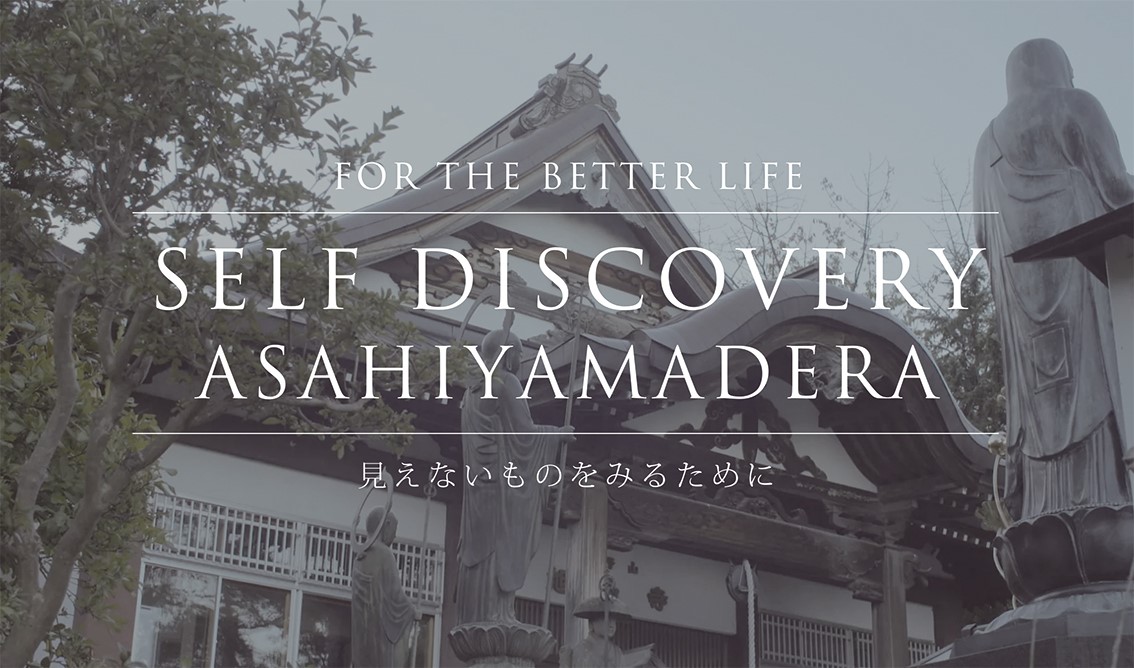
Asahiyama-ji Temple’s official website (http://asahiyamadera.or.jp/) is unusually well-designed for a temple site, operating under the concept of “SELF DISCOVERY ASAHIYAMADERA.” It uses a design that is easily accessible to younger generations, and disseminates information about the temple.
Information Dissemination via Social Media
The current head priest, Reverend Tomoaki Shibuya, is actively disseminating information online, and the temple is featured on platforms such as Shrine and Temple Online. By sharing temple events and daily activities on social media, he is conveying Buddhist teachings and the charm of the temple to a wider audience.
Event Hosting
In addition to traditional Buddhist services, the temple also hosts modern events such as music concerts, like the Tanabata Nigi Nigi Concert, to make the temple more accessible to the public. The illuminated courtyard creates a fantastical atmosphere, leaving a lasting impression on attendees.
Relationship with Asahiyama Zoo
Asahiyama-ji Temple is located right next to Asahiyama Zoo, one of Japan’s most popular zoos. Many tourists visiting the zoo also visit Asahiyama-ji Temple for worship.
In contrast to the hustle and bustle of the zoo, the grounds of Asahiyama-ji Temple are enveloped in tranquility, making it an ideal place to calm one’s mind before or after visiting the zoo. Furthermore, some tourists use the parking spaces around Asahiyama-ji Temple when the zoo’s parking lot is full.
As a region where tourism and faith coexist, Asahiyama-ji Temple and Asahiyama Zoo mutually enhance the region’s appeal.
What you can experience at Asahiyama-ji Temple
Here’s a summary of what you can experience when visiting Asahiyama-ji Temple.
Visiting the Main Hall
You can quietly offer your prayers in the main hall, which houses the principal image of the Shingon sect. You can also chant the Heart Sutra inside the main hall, finding peace of mind.
Pilgrimage to the Buddhist Statues on the Temple Grounds
You can pray to the Buddhist statues on the temple grounds, including Fudo Myoo and the Bodhisattva Kannon, and receive various blessings.
Ringing the Temple Bell
You are free to ring the temple bell on the grounds. Ringing the bell can be an experience of dispelling worldly desires and purifying the mind.
Pilgrimage to the 88 Sacred Sites of Asahiyama
If you have time, try the pilgrimage to the 88 sacred sites of Asahiyama. A pilgrimage walking through nature is a valuable experience that refreshes both mind and body.
Receiving a Goshuin (Temple Seal)
You can receive a Goshuin as proof of your visit. For those collecting Goshuin, this is a worthwhile temple visit as part of a Hokkaido temple tour.
Participating in Seasonal Events
By participating in seasonal events such as the Tanabata Niginigi Concert, you can enjoy interaction between the temple and the local people.
Manners and Precautions When Visiting
When visiting a temple, it is important to observe basic manners.
Attire
No special attire is required, but avoid overly casual or revealing clothing. For the Asahiyama Eighty-Eight Temples pilgrimage, comfortable shoes and clothing are recommended.
Photography
Photography is generally permitted on the temple grounds, but please be considerate of the privacy of those inside the main hall and other visitors. Please refrain from taking photos in areas where photography is prohibited.
Respect
The temple grounds are a place of prayer. Please refrain from loud conversations and noisy behavior, and offer your prayers quietly.
Offerings
Offerings are a way of expressing gratitude. There are no set amounts, but please offer what you feel is appropriate.
The Role of Shingon Buddhist Temples in Hokkaido
Hokkaido has a relatively recent history of settlement, and compared to Honshu, the history of temples is also shorter. However, temples of various sects were built to support the faith of the people who migrated with the settlement.
Shingon Buddhism, as a form of esoteric Buddhism, has its own unique rituals such as incantations and fire rituals, and has responded to the various wishes of the people. Asahiyama-ji Temple continues to support the religious lives of the local people as a center of Shingon Buddhism in Hokkaido.
For the people of Hokkaido, who live in a harsh natural environment, temples are a spiritual haven, a place to honor ancestors, and a place to pray for hope for the future. Asahiyama-ji Temple continues to fulfill this role today.
Summary: The Value of Visiting Asahiyama-ji Temple
Located in Asahikawa City, Hokkaido, Asahiyama-ji Temple, while upholding the teachings of the Koyasan Shingon sect, is a temple beloved by many as an open temple in modern society. Despite its location next to the popular Asahiyama Zoo, it offers an authentic Buddhist experience in its tranquil grounds.
The Buddhist statues, such as Fudo Myoo and the Bodhisattva Kannon, the temple bell that visitors can freely ring, and above all, the unique pilgrimage experience of visiting the 88 sacred sites of Asahiyama, are invaluable experiences not found at other temples. Receiving a temple stamp and spending time rejuvenating your mind amidst Hokkaido’s nature will allow you to forget the hustle and bustle of everyday life.
When you visit Asahikawa, be sure to visit Asahiyama-ji Temple in addition to Asahiyama Zoo. You will surely experience the charm of a temple where tradition and modernity harmonize.
Asahiyama-ji Temple is open to all visitors as a place for sightseeing, faith, and self-discovery. Why not add a memorable pilgrimage experience to your Hokkaido trip memories?