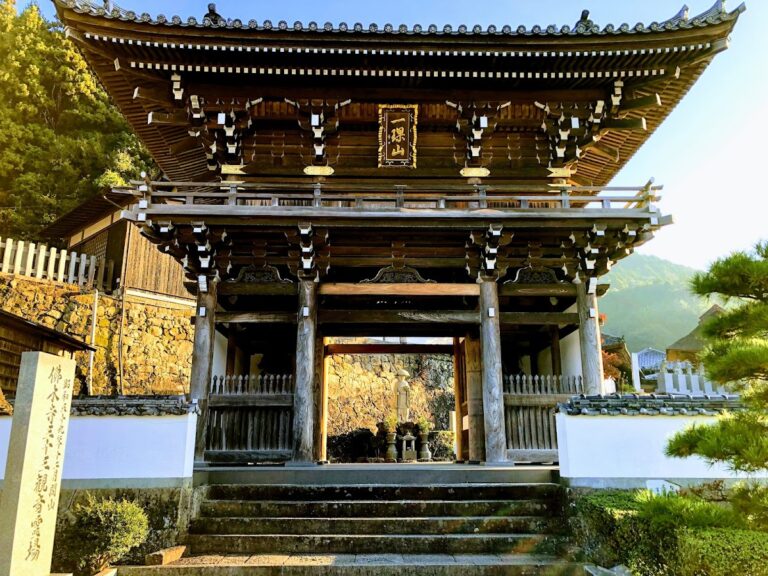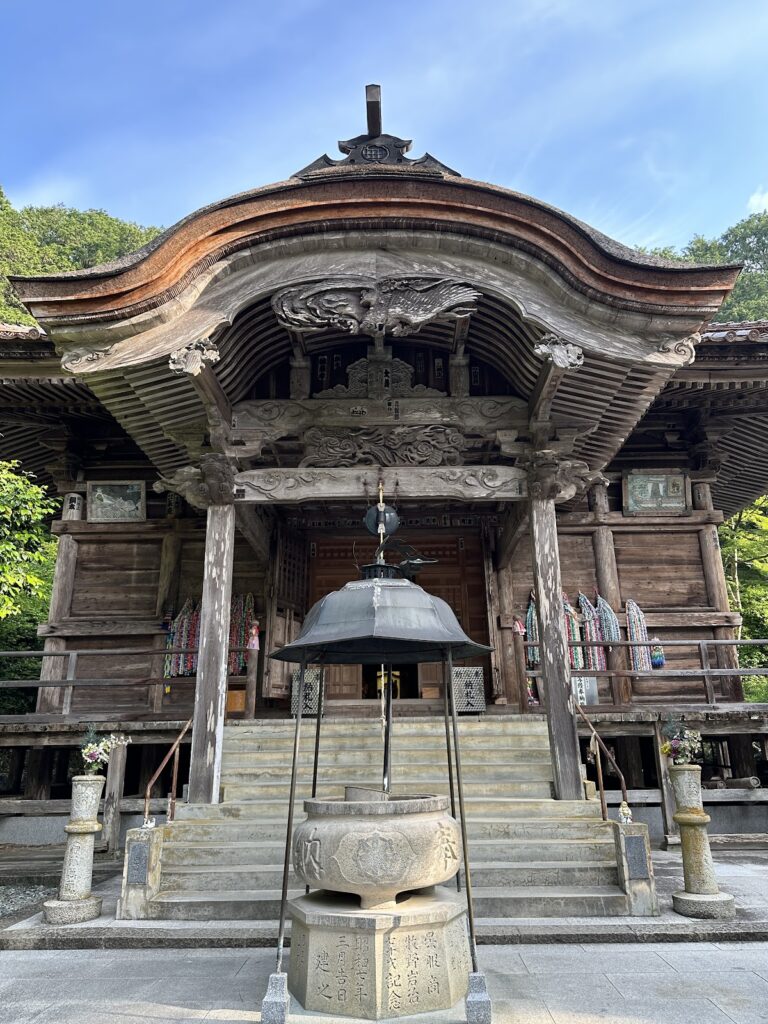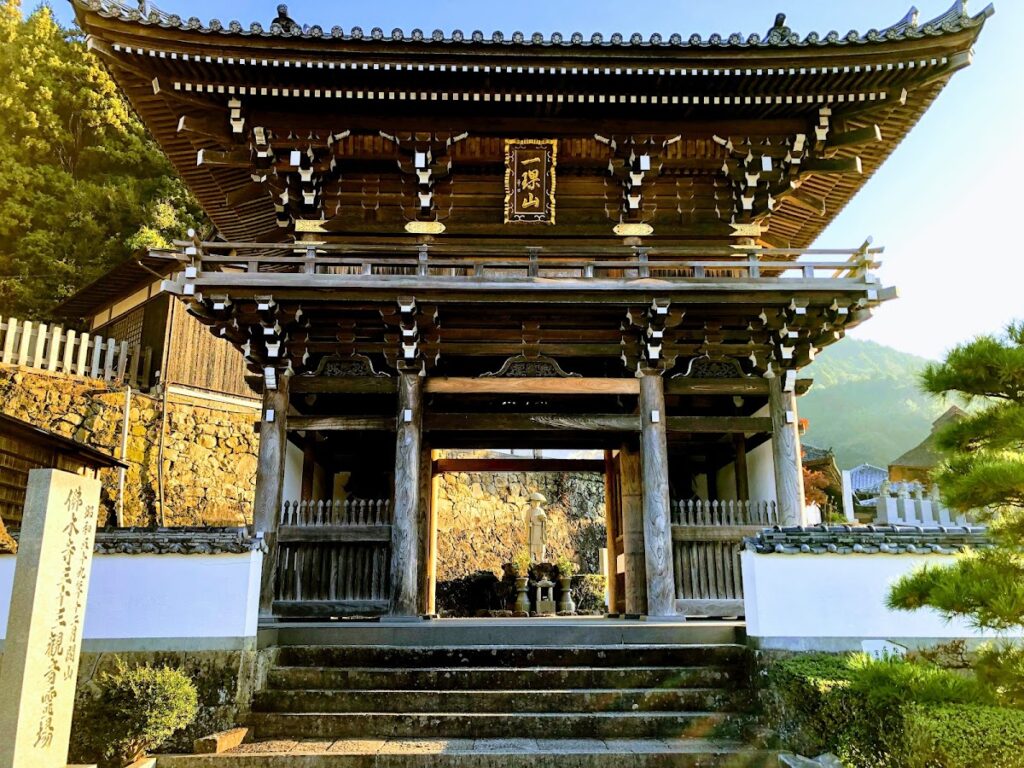
Butsumokuji Temple (Butsumokuji) Complete Guide | History and Visiting Information for the 42nd Temple of the Shikoku 88 Temple Pilgrimage
Butsumokuji Temple is a Shingon sect Omuro school temple located in Mimacho, Uwajima City, Ehime Prefecture, and is known as the 42nd temple of the Shikoku 88 Temple Pilgrimage. It is also known as Ikkazan and Birushanain, and its principal image is Dainichi Nyorai (Vairocana Buddha). It is a sacred site with diverse attractions, including mysterious legends related to Kobo Daishi Kukai, the oldest known statue of Kobo Daishi in Japan, and the belief in it as a guardian deity for cattle and horses.
Table of Contents
- Overview of Butsumokuji Temple
- History and Development of the Temple
- The Legend of Kobo Daishi and the Cow
- Highlights of the Temple Grounds
- Cultural Properties and Important Buildings
- Cow and Horse Worship and the Livestock Hall
- The Melon-Sealing Ceremony
- Access
- Guide to Preceding and Following Temples
- Points to Note During Your Visit
Overview of Butsumokuji Temple
Official Name: Ikkazan Birushanain Butsumokuji
Sect: Shingon Omuro School
Principal Image: Dainichi Nyorai
Founder: Kobo Daishi (Tradition)
Founded: Daido 2 (807)
Pilgrimage Site: Shikoku 88 Temple Pilgrimage, Temple No. 42
Location: 1683 Nori, Mimacho, Uwajima City, Ehime Prefecture
Butsumokuji Temple belongs to the Omuro branch of the Shingon sect, with Ninna-ji Temple in Kyoto as its head temple. During the Kamakura period, it flourished as the prayer temple and family temple of the Saionji family, the lords of the Uwajima region. The temple’s mountain name, “Ichika-san,” is said to represent the philosophy of “all things, including plants and trees, attain Buddhahood,” meaning that all things possess Buddha-nature.
History and Development of the Temple
Origin of Founding
Butsumokuji Temple is said to have been founded in 807 (Daido 2) by Kobo Daishi Kukai. Legend says that when the Great Master returned from Tang China, he threw a jewel towards the east in search of a suitable sacred place to spread Shingon Esoteric Buddhism in Japan.
After returning to Japan, while traveling through Shikoku, the Great Master encountered an old man leading an ox in this area. Guided by an old man, the Great Master arrived at the base of a large camphor tree, where, miraculously, a jewel thrown from Tang China had fallen. Feeling this was a miraculous sign, the Great Master carved a statue of Dainichi Nyorai (Vairocana Buddha) into the tree and built a temple, which is said to be the beginning of Butsumokuji Temple.
The temple’s name, “Butsumokuji,” is said to originate from the fact that a Buddha statue was carved into this camphor tree. It can be said that the temple’s name embodies the Buddhist idea that even plants and trees can become Buddhas.
From the Kamakura Period to the Edo Period
During the Kamakura period, under the patronage of the Saionji family, who ruled Uwajima, the temple flourished as a prayer temple and family temple. The Shōwa era (1312-1317) saw the creation of important cultural artifacts, marking a period of increased temple status.
During the Edo period, the temple grounds were renovated and the buildings rebuilt during the Genroku era (1688-1704) and the Kyoho era (1716-1736). The current Daishido Hall was built in 1728 (Kyoho 13) and still preserves the charming thatched-roof architectural style.
Modern Era
Despite being affected by the anti-Buddhist movement of the Meiji era, the temple has survived as a center of local faith and has continued to welcome many pilgrims as a stop on the Shikoku Pilgrimage. Even today, it continues to preserve its unique religious culture, including its belief in the temple as a guardian deity of cattle and horses, and the annual melon-sealing ceremony.
The Legend of Kobo Daishi and the Ox
Butsumokuji Temple has an intriguing legend about “Kobo Daishi riding on the back of an ox.” This legend is deeply connected to the temple’s founding.
While traveling around Shikoku, Kobo Daishi encountered an old man leading an ox in this area. The old man guided the master to a large camphor tree, but it is believed that this old man was actually an incarnation of Gozu Tenno, a deity worshipped for protection against disease and misfortune.
The master, having discovered a jewel thrown from Tang China beneath the camphor tree, became convinced that this was a sacred place and carved a statue of Dainichi Nyorai (Vairocana Buddha) into the tree. It is said that the jewel was then placed as the urna (white hair between the eyebrows) of Dainichi Nyorai.
From this legend, Butsumokuji Temple developed a deep connection with cattle and horses, becoming a place of worship where people prayed for the safety and health of livestock. A livestock hall was built on the temple grounds, and even today, many people involved in livestock farming and animal lovers visit to pay their respects.
Highlights of the Temple Grounds
The grounds of Butsumokuji Temple are home to numerous buildings, including the main hall, each imbued with history and faith.
Main Hall
The main hall houses the principal image, Dainichi Nyorai. Dainichi Nyorai is the fundamental Buddha of Shingon Esoteric Buddhism and is considered to represent the very truth of the universe. Visitors recite sutras, such as the Heart Sutra, in the main hall and complete their sutra offering.
The main hall’s architectural style is based on traditional Japanese architecture, creating a dignified atmosphere. Inside, you’ll find calligraphy by successive head priests and votive plaques donated by believers.
Daishi Hall
Built in 1728 (Kyoho 13), the Daishi Hall is a charming building with a thatched roof. A statue of Kobo Daishi is enshrined inside, and pilgrims offer prayers here, seeking a dialogue with the Great Master.
The current Daishido (Great Master Hall) retains much of the style of the mid-Edo period and is considered a historically valuable building. The thatched roof is regularly re-thatched, maintaining its traditional appearance.
Livestock Hall
A distinctive building at Butsumokuji Temple is the Livestock Hall. This hall is dedicated to praying for the safety and health of livestock, including cattle and horses, and its name originates from the legend of Kobo Daishi riding on the back of a cow.
The Livestock Hall enshrines the guardian Buddha of cattle and horses, and many people involved with animals, such as livestock farmers, horse racing officials, and pet owners, visit to pray. In recent years, it has also become known as a place for pet memorial services, with an increasing number of people praying for the health and longevity of their beloved dogs and cats.
Remaining Tree Hall
Within the temple grounds is another hall with the unusual name of Remaining Tree Hall. This hall is said to enshrine a part of the camphor tree that gave rise to the temple’s founding. It expresses gratitude to the camphor tree that became a “Buddha tree” and the Buddhist belief that plants and trees also possess Buddha-nature.
Bell Tower
The bell tower on the temple grounds houses a temple bell, which is rung during morning and evening services. Visitors are also welcome to ring the bell, and its sound resonates throughout the surrounding mountains.
Cultural Properties and Important Buildings
Butsumokuji Temple possesses numerous valuable cultural properties.
Statue of Kobo Daishi (Japan’s Oldest)
Butsumokuji Temple’s most important cultural property is the statue of Kobo Daishi, created in 1313 (Showa 2). Known as “Japan’s oldest statue of Kobo Daishi,” it showcases the excellent Buddhist sculpture techniques of the Kamakura period.
The statue is approximately 80 centimeters tall and is a seated figure. The gentle expression of the Daishi and the exquisite depiction of the drapery demonstrate the high skill of the Buddhist sculptors of the time. It is currently housed in the Daishi Hall and is occasionally unveiled on special occasions.
This statue of Kobo Daishi was created relatively early, approximately 500 years after his death, and is an important historical document for studying the history of Kobo Daishi worship.
Other Cultural Assets
The temple grounds also house Buddhist statues and implements created during the Edo period, as well as writings by successive head priests. These are not usually on public display, but they are a valuable collection of materials that tell the story of the temple’s history.
Cattle and Horse Worship and the Livestock Hall
A major characteristic of Butsumokuji Temple is its worship of cattle and horses as guardian deities. This originates from the legend of Kobo Daishi and cattle, and has been deeply rooted in the region throughout its long history.
History of Cattle and Horse Worship
In agricultural societies, cattle and horses were important laborers and considered like family. Farmers visited Butsumokuji Temple to pray for the health and safety of their cattle and horses. It is said that many people visited to pray, especially before the busy farming season or when livestock fell ill.
During the Edo period, not only farmers from within the Uwajima domain but also people from surrounding areas constantly visited the temple to pray for the safety of their cattle and horses. Numerous votive tablets were dedicated to the livestock hall, many of which depicted cattle and horses.
Modern Religion
While the role of cattle and horses has changed due to agricultural mechanization, Butsumokuji Temple’s livestock worship continues in a modified form. It attracts the faith of various people involved with animals, including those involved with racehorses praying for victory, livestock farmers praying for the safety of their livestock, and pet owners praying for the health and longevity of their pets.
The demand for pet memorial services is also increasing, with more people visiting to pay their respects to their deceased dogs and cats. This gratitude and respect for animals resonates with the Buddhist spirit of compassion.
The Melon-Sealing Ceremony
The “Melon-Sealing Ceremony” is a particularly famous annual event at Butsumokuji Temple. This is a traditional event held annually on the first and second days of the Ox in the sixth month of the lunar calendar, to pray for good health and protection from illness.
What is the Melon Sealing Ceremony?
The Melon Sealing Ceremony is a ritual in which worshippers write their names, ages, and wishes on pieces of paper, seal them inside a melon, and bury it in the ground to pray for protection from evil and recovery from illness. Melons are a representative summer vegetable and are believed to have a cooling effect on the body, thus symbolizing protection from illness caused by the summer heat.
Details of the Ceremony
On the Day of the Ox in the lunar calendar, many worshippers visit Butsumokuji Temple. A special prayer ceremony is held at the temple, and worshippers place pieces of paper with their names and other information inside the melons. After chanting and prayers by the head priest, the melons are buried in a specific location on the temple grounds.
This ceremony is considered a tradition dating back to the Edo period and has become a summer tradition attracting participants not only from the local area but also from far away.
Relationship with the Day of the Ox during the Doyo period
The Day of the Ox during the Doyo period is a time when the heat intensifies, making it a season when people are prone to illness. Since ancient times, there has been a custom of eating special foods or receiving prayers on this day. The melon-sealing ceremony at Butsumokuji Temple can be seen as an event that combines these folk beliefs with Buddhism.
The combination of Butsumokuji Temple, which has a legend about oxen, and the Day of the Ox is an interesting coincidence.
Access
Here’s how to access Butsumokuji Temple.
Public Transportation
By JR:
- Get off at “Iyo-Miyanoshita Station” on the JR Yosan Line
- Take a bus from the station for about 10 minutes, get off at “Butsumokuji-mae” bus stop, and it’s a short walk.
- Or take a taxi for about 10 minutes.
By Bus:
- Take the Uwajima Bus Mima Line
- Get off at the “Butsumokuji-mae” bus stop
Since the number of buses is limited, it is recommended to check the timetable in advance. ### By Car
If using the expressway:
- Approximately 5 minutes from the Mima Interchange on the Matsuyama Expressway
- Parking: Free parking available on the temple grounds (approximately 20 spaces for regular cars)
If using general roads:
- Via prefectural road from National Route 56
- Approximately 20 minutes by car from Uwajima city center
Distance from the previous temple
- Approximately 10 km from Temple No. 41, Ryukoji (approximately 15 minutes by car, approximately 2 hours 30 minutes on foot)
Distance to the next temple
- Approximately 80 km to Temple No. 43, Akashiji (approximately 2 hours by car, difficult route on foot)
For those on foot, the section from Temple No. 42 to Temple No. 43 is one of the longest sections of the Shikoku Pilgrimage. Careful planning, including securing accommodation along the way, is necessary.
Information on Preceding and Following Temples
Temple No. 41: Ryukoji Temple
Ryukoji Temple, the temple before Butsumokuji Temple, is also located in Mimacho, Uwajima City. Known for its connection to Inari worship, the temple grounds boast a unique landscape with numerous torii gates.
From Ryukoji Temple to Butsumokuji Temple, the pilgrimage route continues through a peaceful rural landscape. The distance is approximately 10km, a journey of about 2.5 hours on foot.
Temple No. 43: Akashiji Temple
The next temple, Akashiji Temple, is located in Uwacho, Seiyo City. It is approximately 80km from Butsumokuji Temple, a difficult distance that cannot be reached in a single day on foot.
Even by car or bus, it takes about 2 hours. This section is also known as the “Iyo Checkpoint” and is considered one of the pilgrims’ trials.
Points to Note When Visiting
Hours for Receiving Sutra Copying
- 7:00 AM to 5:00 PM (may vary depending on the season)
- You can receive a Goshuin (temple stamp) and a sacred image (Osugata) at the sutra copying office.
Proper Way to Visit
- Bow at the main gate and enter the temple grounds.
- Cleanse your hands and mouth at the water basin.
- Ring the bell at the bell tower (only once before praying).
- Chant sutras, offer votive slips and make offerings at the main hall.
- Chant sutras, offer votive slips and make offerings at the Daishi Hall.
- Receive your sutra copying stamp at the sutra copying office.
- Visit other halls and buildings.
- Bow at the main gate and exit.
Points to Check Out
- Livestock Hall: Experience the history of cattle and horse worship.
- Daishi Hall: Beautiful architecture with a thatched roof.
- Main Hall: Pray to Dainichi Nyorai.
- Zanbokudo Hall: Commemorating the camphor tree that gave rise to the temple’s founding
- Atmosphere of the grounds: A tranquil sacred site in a mountain village
Points to note when visiting
- Smoking is prohibited on the temple grounds
- Photography is permitted, however, photography of Buddhist statues inside the hall may be prohibited
- Please maintain silence and be considerate of other visitors
- In the summer, there are many mosquitoes and insects, so insect repellent is recommended
- Crowds are expected during the Uryu-fuuji period
Surrounding facilities
There are few pilgrimage supply shops and restaurants around Butsumokuji Temple, so it is recommended to prepare necessary items in advance. Accommodation and shops are plentiful in Uwajima city center.
Butsumokuji Temple’s Waka Poem
The Butsumokuji Temple’s waka poem is as follows:
“Even grass and trees can become Buddhas at Butsumokuji Temple; even demons, animals, humans, and heavenly beings are truly reliable.”
This waka poem expresses the Mahayana Buddhist idea that even plants and trees possess Buddha-nature and can become Buddhas. “Demons, animals, humans, and heavenly beings” means that all beings, from demons and animals to humans and heavenly beings, can be saved.
The temple’s name, Butsumokuji, itself originates from the fact that a Buddha statue was carved into a camphor tree, so this waka poem beautifully expresses the essence of the temple.
Summary
Butsumokuji Temple is a Shikoku pilgrimage site with diverse attractions, including the legend of Kobo Daishi and the ox, the oldest statue of Daishi in Japan, the belief in it as a guardian Buddha for cattle and horses, and the melon-sealing ceremony.
As the 42nd temple on the Shikoku 88 Temple Pilgrimage, Butsumokuji Temple boasts a history of welcoming countless pilgrims for over 1200 years. Nestled in a tranquil mountain village, its grounds offer a peaceful retreat from the hustle and bustle of city life, providing solace to visitors.
The belief that even plants can become Buddhas, compassion for animals, and prayers for the health and well-being of people—Butsumokuji Temple embodies the spirit of Buddhist compassion in various forms.
When traveling the Shikoku pilgrimage, or when visiting Ehime Prefecture, be sure to visit Butsumokuji Temple and experience its history and faith. Reflecting on the legend of Kobo Daishi riding on the back of an ox, the time spent in the quiet temple grounds to find peace of mind will surely be an unforgettable experience.