Complete Guide to Chōkyūji Temple (Kyoto Prefecture): History, Goshuin (Temple Seal), Access, and Highlights
Nestled quietly in the mountainous region of Kyoto Prefecture, Chōkyūji Temple is an ancient temple that offers visitors a profound sense of peace and the breath of history. This article provides a detailed introduction to Chōkyūji Temple, from its historical background to essential information for your visit.
About Chōkyūji Temple
Chōkyūji Temple is a Buddhist temple located in Kyoto Prefecture, with a long history as a center of local faith. Situated in a tranquil environment away from the hustle and bustle of the city, its grounds, harmoniously blended with the beauty of nature throughout the seasons, bring peace of mind to visitors.
Basic Information about the Temple
The following is a summary of basic information about Chōkyūji Temple:
- Location: Kyoto Prefecture (We recommend confirming the specific address in advance)
- Sect: Buddhist Temple
- Founding: A temple with a long history
- Principal Image: Buddhist statue (Details can be confirmed on-site)
- Visiting Hours: Daytime (May vary depending on the season)
- Admission Fee: Visiting the temple grounds is generally free (Separate fees may apply for special viewings)
History and Origin of Chōkyūji Temple
Background of Founding
Regarding the founding of Chōkyūji Temple, there are local traditions and records. Like many temples in Kyoto, it is believed to have been established as a local center of faith during the flourishing period of Buddhist culture from the Heian to the Kamakura period.
The temple name “Chōkyū” may contain the meaning of long rest or attaining eternal peace, and it is presumed that it was named with the hope that it would become a spiritual haven for those who visit the area.
Historical Transformations
Throughout its long history, Chōkyūji Temple has experienced numerous historical changes. It likely suffered damage during times of war, and during the Edo period, it developed activities deeply intertwined with the local community under the danka system (parishioner system).
Even amidst the impact of the anti-Buddhist movement after the Meiji Restoration and the wave of modernization, it has continued to uphold its religious traditions, supported by the faith of the local people.
Connection with the Community
Chōkyūji Temple is more than just a religious facility; it has played a central role in the local community. Through annual events and festivals, it functions as a place to deepen the bonds among local residents and contributes to the transmission of culture.
Highlights of Chōkyūji Temple
Main Hall and Architectural Style
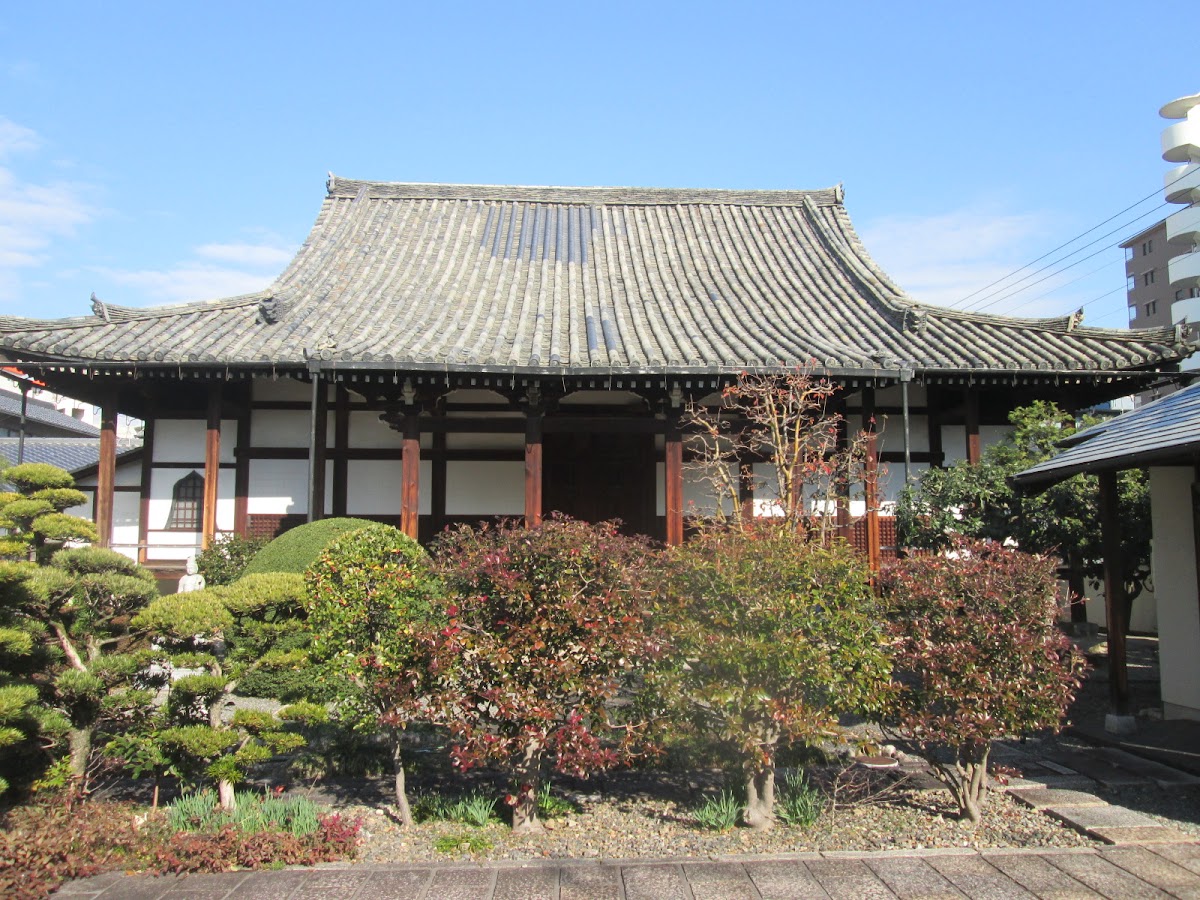
The main hall of Chōkyūji Temple embodies the beauty of traditional Japanese architecture. The warmth of the wooden structure and the texture of the aged wood leave a deep impression on visitors.
The architectural style reflects the characteristics of the era in which it was built, and paying attention to the details of the decorations and structure reveals the high level of craftsmanship of the time.
Natural Environment within the Temple Grounds
One of the greatest attractions of Chōkyūji Temple is its environment surrounded by abundant nature.
Spring Highlights
- During cherry blossom season, the temple grounds are dyed in a soft pink hue.
- The beauty of the fresh greenery is vividly apparent.
- Spring flowers adorn the approach to the temple.
Summer Highlights
- The temple grounds, enveloped in deep green, have a cool atmosphere.
- The sound of cicadas creates a summery feel.
- It’s a pleasant season to rest in the shade of the trees.
Autumn Highlights
- During the autumn foliage season, the temple grounds are dyed in red and yellow.
- The beauty of the approach covered with fallen leaves.
- Visiting the temple in the crisp autumn air is exceptional.
Winter Highlights
- The serene beauty of the snow-covered temple grounds.
- The vitality felt amidst the winter landscape.
- Visiting the temple in the cold invigorates both mind and body.
Buddhist Statues and Cultural Properties
Chokyu-ji Temple may house Buddhist statues and cultural properties of historical value. The Buddhist statues, including the principal image, are not only objects of worship but also works of high artistic value.
During your visit, you may have the opportunity to view these cultural artifacts. However, to maintain their condition, they may not be on public display under normal circumstances, so it is recommended to check for special viewing opportunities in advance.
Gardens and Landscape
The layout of the temple grounds, incorporating elements of a Japanese garden, offers a refreshing experience simply by walking through it. The harmonious blend of nature and artificial elements, such as the stonework, plantings, and flowing water, is a crystallization of Japanese aesthetics.
Goshuin (Temple Seal) Information
About the Issuance of Goshuin
Chōkyūji Temple may issue goshuin to visitors. Goshuin are cherished as proof of visiting the temple and as a memento of a connection with Buddhism.
Manners for Receiving a Goshuin (Temple Stamp)
- Always pray before receiving a Goshuin.
- Remember to bring your Goshuincho (stamp book).
- Prepare the Goshuin fee (usually around 300-500 yen).
- Request the stamp using polite language.
- Wait quietly while the stamp is being written.
About Goshuincho
If Chōkyūji Temple has its own original Goshuincho, it will feature a unique design specific to the temple and will be a valuable souvenir. For those starting to collect Goshuin for the first time, starting with such a temple-original Goshuincho is a good idea.
Issuance Hours and Precautions
Goshuin are generally issued during regular visiting hours, but may not be available during events or memorial services. If you want to be sure to receive a Goshuin, it is recommended to check by phone in advance.
Also, remember that a Goshuin is not a stamp rally, but a symbol of faith, and it is important to receive it with reverence.
Access Methods
Access by Public Transportation
Chōkyūji Temple in Kyoto Prefecture can be accessed using public transportation. However, if the temple is located in a mountainous area, you may need to walk from the nearest train station or bus stop.
General Access Method
- Take the train from Kyoto city center
- Transfer to a bus from the nearest station
- Walk to the temple from the bus stop
It is important to check the latest information on specific routes and timetables before your visit. Bus service may change, especially on holidays and during peak tourist seasons.
Access by Car
Access by car is possible, but caution is required when driving on mountain roads.
Points to Note When Driving
- Enter the temple name or address into your car navigation system
- Be careful of oncoming traffic in narrow areas
- Check in advance for parking availability (confirm if there is parking space on the temple grounds)
- In winter, studded tires are recommended due to the possibility of icy roads
Parking Information
It is necessary to check in advance whether Chōkyūji Temple has its own parking lot. Smaller temples may have limited parking space. During peak seasons, consider using nearby parking lots or public transportation.
Manners and Points for Visiting a Temple
Basic Manners for Visiting a Temple
When visiting a temple, please observe the following basic manners:
Manners at the Temple Gate (Entrance)
- Bow before passing through the temple gate.
- Be careful not to step on the threshold.
- Remove your hat and adjust your attire.
Manners at the Water Basin
- Take the ladle with your right hand and cleanse your left hand.
- Switch the ladle to your left hand and cleanse your right hand.
- Switch the ladle back to your right hand, receive water in your left hand, and rinse your mouth.
- Finally, stand the ladle upright and cleanse the handle.
Manners for Visiting the Main Hall
- Quietly place your offering in the offering box.
- If there is a bell, ring it.
- Join your hands in prayer and bow.
- Pray sincerely.
- Finally, bow and leave.
Regarding Photography
Photography is generally permitted on temple grounds, but please note the following:
- Photography is often prohibited inside the main hall.
- Please be considerate and avoid including other worshippers in your photos.
- Use of tripods requires prior confirmation.
- Please refrain from using flash photography to protect cultural properties.
- Commercial photography requires prior permission.
Clothing
There are no specific dress code requirements, but it is advisable to dress appropriately for a religious site:
- Avoid clothing that exposes too much skin.
- Comfortable walking shoes are recommended over sandals.
- If in a mountainous area, wear clothing that can adapt to temperature changes.
- It is convenient to bring a light jacket or cardigan even in summer.
Nearby Tourist Attractions
Nearby Temples and Shrines
There are likely many other historical temples and shrines scattered around Chōkyūji Temple. Kyoto Prefecture has a high density of temples, so visiting Chōkyūji Temple and also visiting nearby temples will make for a more fulfilling temple and shrine pilgrimage experience.
Natural Scenic Spots
If located in a mountainous area, beautiful natural scenery awaits you in the surrounding area. Hiking trails, observation decks, and valleys may be nearby, offering plenty of opportunities to enjoy nature.
Local Specialties and Cuisine
Kyoto Prefecture boasts unique local specialties and regional cuisine throughout the area. When visiting Chōkyūji Temple, enjoying the local food culture is one of the highlights.
- Dishes using local vegetables
- Traditional Kyoto sweets
- Local sake and craft beer
- Seasonal delicacies
Annual Events and Festivals
Main Annual Events
Chōkyūji Temple holds various Buddhist ceremonies throughout the year.
Spring Events
- Spring Equinox Ceremony (March)
- Flower Festival (Around April 8th)
Summer Events
- Obon Memorial Service (August)
- Segaki Ceremony
Autumn Events
- Autumn Equinox Ceremony (September)
- Special Autumn Foliage Viewing (Depending on the season)
Winter Events
- New Year’s Eve Bell Ringing (December 31st)
- Shusho-e Ceremony (January)
Special Viewings and Events
Cultural properties and gardens that are normally closed to the public are sometimes specially opened to the public at certain times. These opportunities offer a valuable experience that is not usually possible.
Information on special viewings can be found on the temple’s website, local tourist information, and tourist guides from Kyoto City and Kyoto Prefecture.
How to Enjoy Visiting Chokyu-ji Temple
Meditation in Silence
The greatest charm of Chokyu-ji Temple is its quiet environment, far removed from the hustle and bustle of the city. You can spend time relaxing on the benches and rest areas within the temple grounds, finding peace of mind.
Meditation and Zen practice may also be available; if you are interested, please inquire in advance.
Observing Nature Through the Seasons
The nature within the temple grounds, which shows different expressions with each season, offers new discoveries with every visit.
- Spring: Observing fresh greenery and flowers
- Summer: Seeking coolness amidst deep greenery
- Autumn: Enjoying autumn leaves and the season of harvest
- Winter: Silence and snowscapes
Sutra Copying and Buddha Image Copying Experience
Some temples offer experiences in sutra copying and Buddha image copying. The act of carefully copying each character with a brush has the effect of calming the mind and improving concentration.
Please inquire directly to confirm whether such experiences are available at Chōkyūji Temple.
Goshuin Stamp Collecting
For those who enjoy collecting Goshuin stamps, Chōkyūji Temple will be a destination on their pilgrimage. Visiting this temple along with other surrounding temples will make for a fulfilling pilgrimage to collect temple stamps.
Notes on Visiting
Weather Impact
If the temple is located in a mountainous area, the weather can change drastically.
- Be careful as the ground can be slippery in rainy weather.
- Refrain from visiting during typhoons or heavy rain.
- Snow and ice are possible in winter.
- Don’t forget to take precautions against heatstroke in summer.
Health and Safety Considerations
- Be careful on stairs and slopes if you are elderly or have limited physical strength.
- Bring insect repellent (in summer).
- Bring drinking water.
- Check your cell phone signal strength.
Check Closing Time
Many temples close before sunset, so especially in winter, try to visit early. It’s important to plan your visit with plenty of time to avoid being left behind on the temple grounds.
Summary of the Charms of Chokyu-ji Temple
Chokyu-ji Temple is a place of history and faith nestled amidst the rich natural beauty of Kyoto Prefecture. It offers the following attractions:
- Tranquil Environment: A peaceful space away from the hustle and bustle of the city
- Historical Value: Cultural significance as a temple with a long history
- Harmony with Nature: Beautiful scenery throughout the seasons
- Local Culture: Deep ties with the local community
- Spiritual Peace: Peace of mind through worship
Contact Information and Latest Information
Before visiting Chōkyūji Temple, we recommend checking the latest visiting information.
Information to Check
- Visiting Hours
- Admission Fee
- Events and Activities
- Changes in Access
- Temporary Closures
Inquiries can be made by phone or through the temple’s website (if available). Information is also available at Kyoto Prefecture’s tourist information centers.
Mindset for Worship
When visiting Chōkyūji Temple, it is important to approach it not merely as sightseeing, but with a sincere attitude of worship.
Mindset for Visiting the Temple
- Enter the temple grounds with a reverent heart
- Be quiet and do not disturb other visitors
- Treat nature and architecture with care
- Respect local culture and traditions
- Visit with gratitude
Temples are sacred places that have attracted the faith of people for hundreds of years. By respecting their history and traditions and visiting with a quiet heart, visitors themselves can find peace of mind.
After Visiting Chōkyūji Temple
The experience of visiting Chōkyūji Temple will be a precious memory that remains in your heart even after you return to your daily life.
How to Spend Your Time After Visiting
- Record your memories of the visit in a diary or blog
- Carefully preserve your temple stamp
- Organize the photos you took and reflect on your memories
- Apply the temple’s teachings to your daily life
- Revisit if you have the opportunity
In Conclusion
Chōkyūji Temple is a special place in the rich natural environment of Kyoto Prefecture that allows visitors to feel peace of mind and the weight of history. Taking time to quietly reflect on oneself, away from the hustle and bustle of the city, is an incredibly valuable experience in modern society.
The temple grounds, which display different expressions with each season, the architecture that tells a long history, and the temple’s activities supported by the faith of the local people—all of these contribute to the charm of Chōkyūji Temple.
We encourage you to visit Chōkyūji Temple and experience its tranquil atmosphere and the breath of history firsthand. A soul-cleansing experience awaits you.
When visiting, please observe the manners and precautions mentioned in this article and visit with a reverent heart to have a more fulfilling time. A wonderful experience at Chōkyūji Temple may bring about a small change in your life.