Complete Guide to Gionji Temple | A Thorough Explanation of the Ancient Temple in Sasu, Chofu City and the Famous Temple in Mito
There are several temples named “Gionji” in Japan, but the most well-known are the Gionji Temple in Sasu-cho, Chofu City, Tokyo, and the Gionji Temple in Mito City, Ibaraki Prefecture. This article comprehensively explains everything you need to know before visiting each Gionji Temple, including its history, blessings, highlights within the grounds, and access methods.
About the Gionji Temple in Sasu-cho, Chofu City
Overview of Torakomayama Nikkoin Gionji Temple
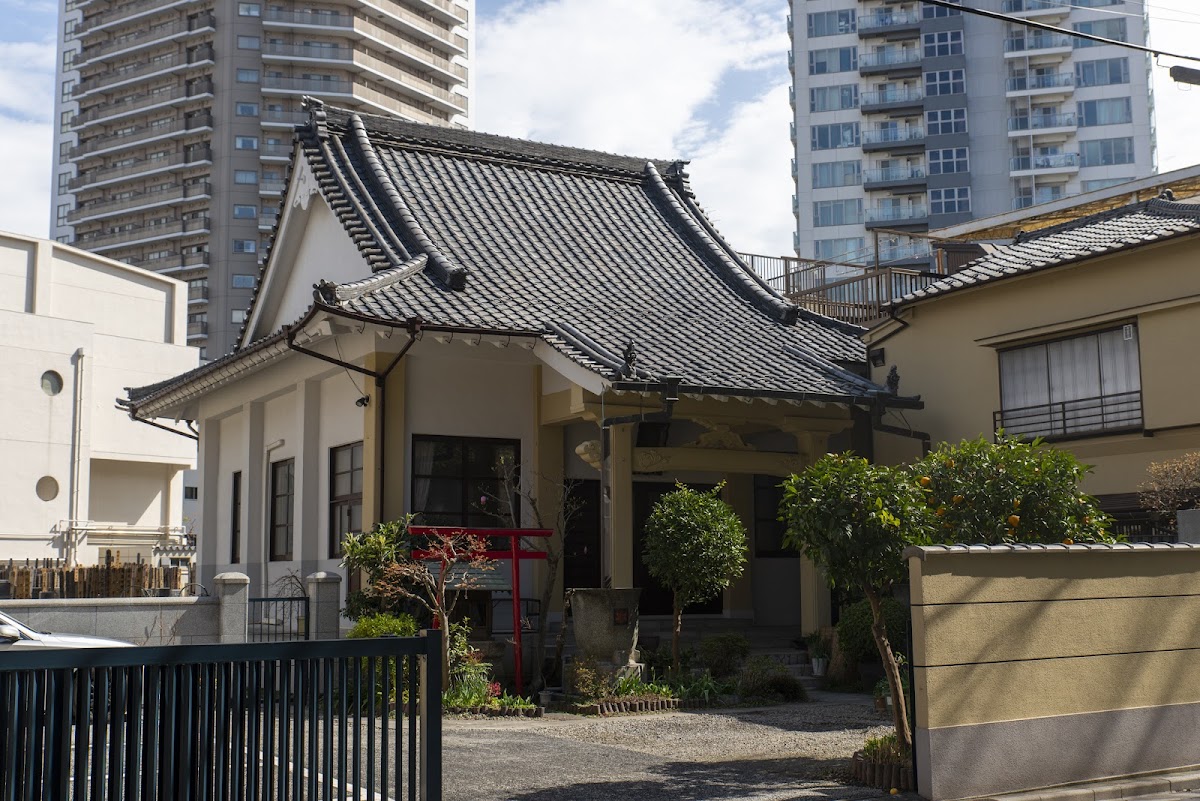
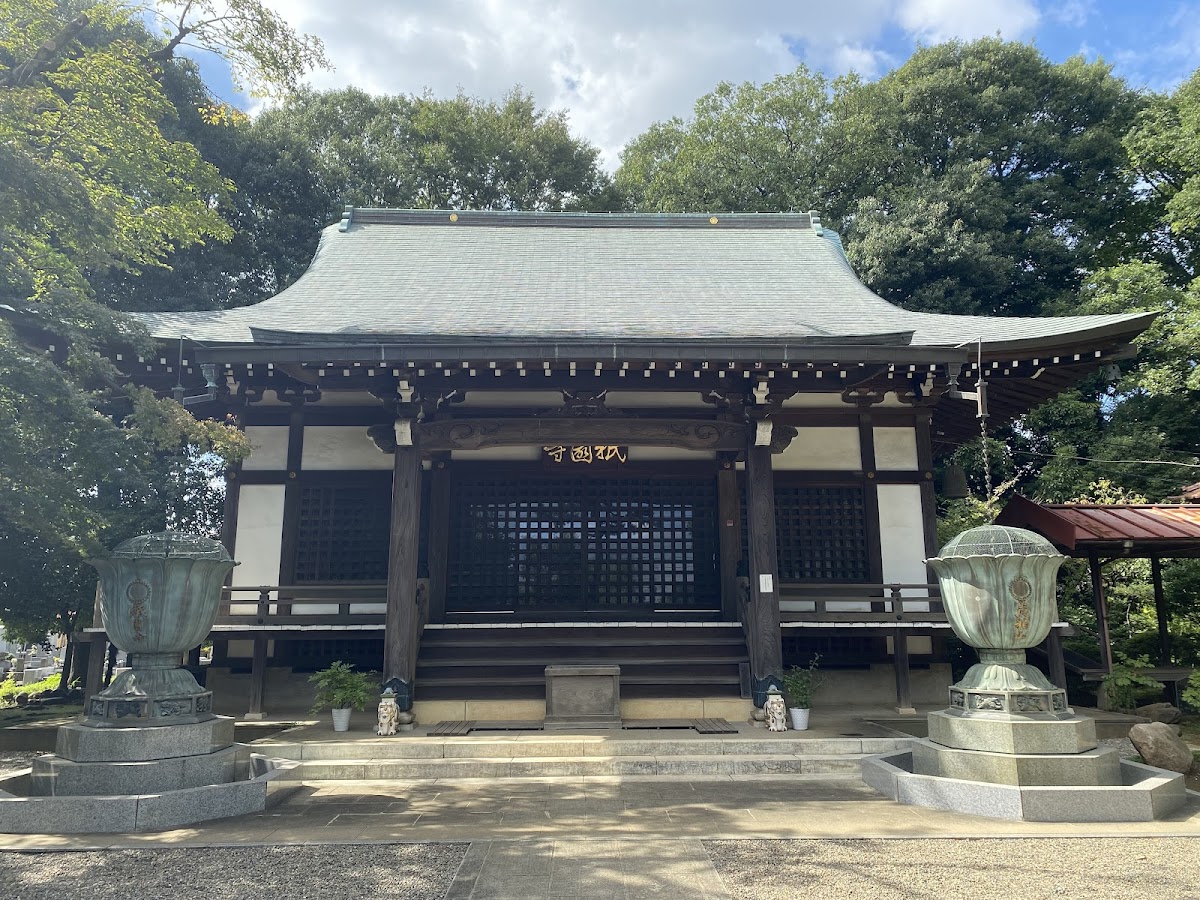
Located in Sasu-cho 2-chome, Chofu City, Tokyo, Gionji Temple is a Tendai sect temple officially called “Torakomayama Nikkoin Gionji Temple.” It is also commonly known as “Sasu Yakushi” and is known as the temple that enshrines Fukurokuju, one of the Seven Lucky Gods of Chofu. This ancient temple, founded by the monk Mankō, who had close ties to Jindaiji Temple, is one of Chofu City’s representative temples with a history of over 1200 years.
The main deity is the Amida Triad (Amida Buddha, Kannon Bodhisattva, and Seishi Bodhisattva), with a wooden statue of Amida Buddha, standing over two feet tall, at the center, flanked by Kannon Bodhisattva and Seishi Bodhisattva, each over one foot tall.
The History of Gionji Temple and the Legend of Monk Mankō
Gionji Temple is said to have been founded during the Tenpyō era (729-749 AD) or in the second year of Tenpyō-Shōhō (750 AD). Like Jindaiji Temple, this temple, founded by Monk Mankō, has a beautiful legend of matchmaking associated with it.
The Story of Monk Mankō’s Birth
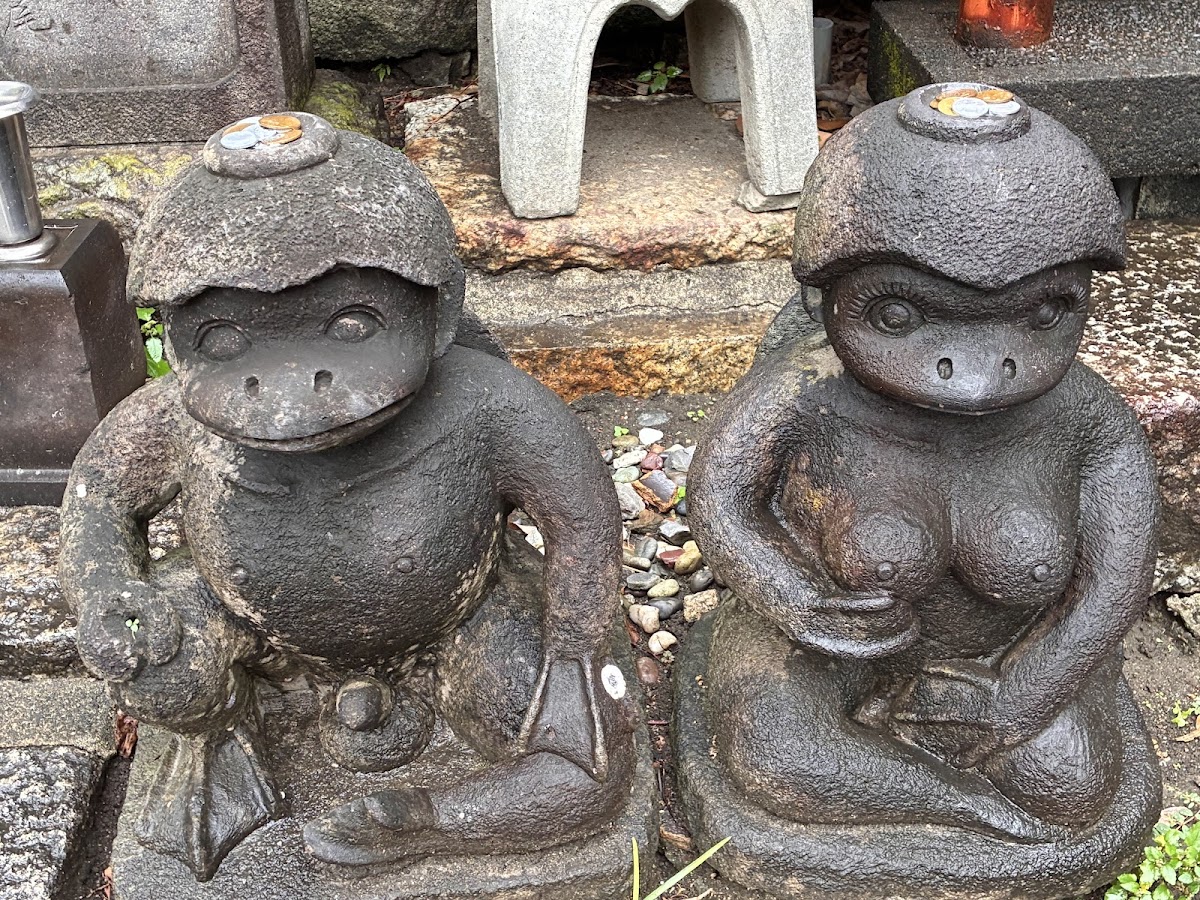
Long ago, there lived a powerful local family, Ukon no Chōja, and his wife, Torajo, who had a beautiful daughter. When the daughter came of age, a young man named Fukuman Doji appeared, and the two fell deeply in love.
However, the parents, unwilling to let their daughter marry a young man of unknown origin, confined her to a small island in a pond. Distressed, Fukuman prayed to the water god, Jinja Daio, and a large sacred turtle emerged from the pond, carrying him on its back to the island where the daughter lived.
Witnessing this miracle, the parents granted their blessing to the couple’s marriage, and they soon had a son. This child was named Manku, and as he grew older, he became deeply devoted to Buddhism, following his parents’ teachings. He traveled to Tang China to study the teachings of the Hosso school. It is said that he returned to Japan and built Gion-ji Temple on the site of this island.
Conversion from Hosso School to Tendai School
Gion-ji Temple was originally founded as a Hosso school temple, but during the Heian period, it converted to the Tendai school, and remains so to this day. During that time, various temples rose and fell, and there were long periods when the temple was uninhabited, so most of the historical records have been lost.
However, in the early modern period, it began to be frequently mentioned in works such as the “Musashi Meisho Zue” (Illustrated Guide to Famous Places in Musashi Province), the “Shinpen Musashi Fudoki Ko” (New Edition of the Topography of Musashi Province), and the “Edo Meisho Zue” (Illustrated Guide to Famous Places in Edo), indicating that it was recognized as an important temple in the region.
The Benefits and Faith of Gionji Temple
Gionji Temple in Chofu is believed to offer the following benefits, stemming from the legend of the birth of Mankō Shōnin:
- Matchmaking: From the story of the successful love between Fukuman Dōji and his daughter
- Fulfillment of Fertility: From the miracle of Mankō Shōnin’s birth
- Protection from Evil: A place of worship for protection from evil since ancient times
- Healing of Eye Diseases and Illnesses: Due to its connection with the worship of Yakushi Nyorai (Medicine Buddha)
- Longevity: As one of the Chofu Seven Lucky Gods, enshrining Fukurokuju
Many visitors come seeking blessings for matchmaking and fulfillment of fertility, and couples and married couples are frequently seen visiting.
Temple Grounds Guide and Highlights
The Pine Tree of Freedom
Within the grounds of Gionji Temple is the historically significant “Pine Tree of Freedom.” Planted by Itagaki Taisuke in 1908 (Meiji 41) during a memorial service for liberal rights activists, this pine tree is a valuable legacy that conveys the history of Japanese democracy.
Fukurokuju, one of the Chofu Seven Lucky Gods
Gionji Temple enshrines Fukurokuju, one of the seven lucky gods of Chofu. Fukurokuju is worshipped as the god who bestows happiness, wealth, and longevity, and the temple is bustling with many worshippers during the New Year’s pilgrimage.
Quiet Setting Along the Sasu Road
Gionji Temple is located south of the Sasu Road, on a slightly elevated area amidst rice paddies. Despite the increasing urbanization of Chofu City, the surrounding rural landscape remains, offering a quiet and peaceful atmosphere for worship.
The Four Seasons of Gionji Temple
Gionji Temple is a temple where you can enjoy the beauty of nature in each of the four seasons.
Spring: The cherry blossoms in the temple grounds are in full bloom, and the fresh greenery is beautiful. The Liberty Pine also sprouts new leaves.
Summer: The temple grounds, enveloped in deep green, are cool and refreshing, perfect for a quiet visit.
Autumn: The autumn leaves color the temple grounds, creating a tranquil autumn atmosphere.
Winter: The temple is bustling with visitors on the New Year’s Seven Lucky Gods pilgrimage, and visiting in the crisp, refreshing air is a cleansing experience for the soul.
Access Information (Chofu Gionji Temple)
Location: 2-chome, Sasu-cho, Chofu City, Tokyo
Access by Train/Bus:
- Approximately 10 minutes by bus from Chofu Station on the Keio Line
- Approximately 4 minutes on foot from the Sasu bus stop
- Turn left at the Sasu-cho traffic light, then proceed left down the road with the vending machine before Nishimatsuya, and you will see it on your left.
Access by Car:
- You will see it immediately when you head south on Sasu-kaido towards Kashiwano Elementary School.
- It is recommended to check in advance whether parking is available.
About Gionji Temple in Mito City
Overview of Jushōzan Gionji Temple
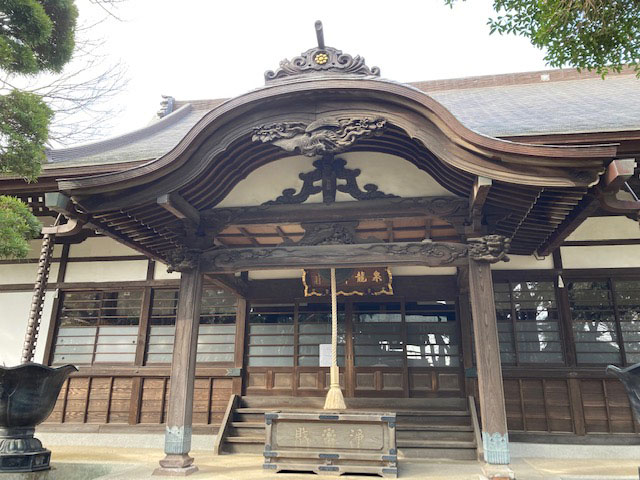
Gionji Temple, located in Mito City, Ibaraki Prefecture, is a Soto Zen Buddhist temple officially called “Jushōzan Gionji Temple.” This prestigious temple, founded by Zen Master Xinyue of the Ming Dynasty and patronized by Tokugawa Mitsukuni (known as Mito Kōmon), is the head temple of the Jushō branch of the Sōtō Zen sect.
Zen Master Xinyue and Tokugawa Mitsukuni
Zen Master Xinyue’s Arrival in Japan and Life in Mito
Zen Master Xinyue was a high-ranking monk who came to Japan from China in 1677 (Enpō 5). In 1681 (Tenna 1), he was invited by Tokugawa Mitsukuni to reside at Tentoku-ji Temple in Mito, where he lived until his death in 1695 (Genroku 8).
Zen Master Xinyue was not only a Zen monk but also a cultured man excelling in calligraphy, painting, and music. He was particularly skilled at playing the koto and is known for introducing the Chinese guqin to Japan. Through his interactions with Mitsukuni, he made a significant contribution to the cultural development of Mito.
Renaming from Tentoku-ji to Gion-ji
In 1712 (Shōtoku 2), during the time of the fourth abbot, Daijakukaisen, the former Taisōzan Tentoku-ji was moved to Kawada Village, and Jushōzan Gion-ji was founded in its place. With Zen Master Shin’etsu as its founding abbot, it became a prestigious temple under the patronage of the Tokugawa family, receiving a stipend of 100 koku as the head temple of the Jushō branch of the Sōtō sect.
The Charm of Gion-ji Gardens
Gion-ji in Mito boasts three dry landscape gardens designed by the renowned contemporary landscape architect, Shunmyo Masuno, and Kyoto’s Ueto Landscape Architecture.
Shunmei Masuno is an internationally active landscape architect and garden designer, highly acclaimed for his gardens that express the spirit of Zen in a modern context. The garden at Gionji Temple is a magnificent work of art, combining traditional dry landscape garden techniques with a modern sensibility.
The dry landscape garden, expressed through white sand and stone arrangements, calms the viewer’s mind and invites them into a state of Zen. The garden, which displays different expressions in each of the four seasons, offers new discoveries with every visit.
Access Information (Mito Gionji Temple)
Location: Mito City, Ibaraki Prefecture
For detailed access information, please check the Mito City Tourism Convention Association or the temple’s official information.
Comparison of Two Gion-ji Temples
Differences in Sect
- Chofu Gion-ji: Tendai sect (originally Hosso sect)
- Mito Gion-ji: Soto sect (head temple of the Jushō branch)
Differences in Founding and Founder
- Chofu Gion-ji: Founded by Mankō Shōnin (during the Tenpyō era)
- Mito Gion-ji: Founded by Shinketsu Zenji, publicly patronized by Tokugawa Mitsukuni (Shōtoku 2, 1712)
Differences in Characteristics
- Chofu Gion-ji: Legends of matchmaking and fertility, Chofu Seven Lucky Gods, Pine Tree of Freedom
- Mito Gion-ji: Associated with Tokugawa Mitsukuni, legacy of Shinketsu Zenji, dry landscape garden by a modern landscape architect
Guidelines for Visiting Gion-ji Temples
Temple Etiquette
When visiting a temple, please observe the following basic manners:
- Dress Code: Please wear clean, understated clothing.
- Photography: Please check if photography is permitted on the temple grounds and be considerate of other visitors.
- Quietness: Temples are places of training and prayer. Please refrain from loud conversations.
- Offerings: Please offer your offering quietly and sincerely.
- Praying and Bowing: Please put your hands together in prayer before the Buddha and offer your prayers sincerely.
About Prayers and Ancestor Memorial Services
Gionji Temple accepts various prayers and ancestor memorial services. Prayers are offered for various wishes, such as finding a partner, having children, protection from evil, and recovery from illness. For details, please contact the temple directly.
About Memorial Services
Various memorial services are held throughout the year. Opportunities for ancestor worship are also provided, such as memorial services during Obon and Higan, and annual memorial services. For event dates, it is recommended to check the latest news or blogs of each temple.
Nearby Attractions
Around Chofu Gionji Temple
Jindaiji Temple: Jindaiji Temple, which has close ties to Gionji Temple, is a representative tourist spot in Chofu City. Jindaiji soba noodles are also famous and can be enjoyed in conjunction with a visit to the temple.
Jindai Botanical Garden: A metropolitan park where you can enjoy plants of all seasons. Enjoy nature in conjunction with a visit to Gionji Temple.
Chofu Seven Lucky Gods Pilgrimage: The Seven Lucky Gods pilgrimage, which visits seven temples and shrines including Gionji Temple, is especially popular during the New Year.
Around Mito Gionji Temple
Kairakuen Garden: One of Japan’s three most famous gardens, known for its plum blossoms.
Kodokan: A domain school associated with Tokugawa Mitsukuni, where you can learn about the history of Mito.
Mito Castle Ruins: You can stroll through the ruins of the castle of the Mito Domain, one of the three main branches of the Tokugawa family.
Cultural Properties and Historical Value of Gionji Temple
Historical Value of Chofu Gionji Temple
Chofu Gionji Temple is said to have been founded during the Tenpyo era, a period in the Nara era, and is one of the oldest temples in Tokyo. The legend of the birth of Mankō Shōnin is deeply connected to the Jindaiji Temple Engi (Chronicle of Jindaiji Temple) and occupies an important position in the history of Buddhism in Musashi Province.
Its repeated mention in early modern geographical records indicates that it was already recognized as a prominent temple during the Edo period. Furthermore, its connection to the Meiji-era Freedom and People’s Rights Movement is an interesting historical fact not only from the perspective of religious history but also political history.
Historical Value of Mito Gion-ji Temple
Mito Gion-ji Temple is a temple that originated from the encounter between Tokugawa Mitsukuni, a key figure in Japanese history, and Shin’etsu Zenji, a high-ranking monk who came to Japan from China. It is a valuable witness to the cultural exchange between Japan and China during the Edo period and holds a religiously significant position as the head temple of the Soto Zen Jushō sect.
The garden, designed by a renowned contemporary landscape architect, adds new value as a cultural asset that blends tradition and modernity.
Notes on Visiting Gion-ji Temples
Visiting Hours and Admission Fees
It is recommended to check the visiting hours and admission fees for each Gion-ji temple in advance via their official website or by phone. In particular, there may be specific fees and times for garden viewing at Mito Gion-ji Temple.
Annual Events and Busy Seasons
- New Year’s: Expect crowds due to the Seven Lucky Gods pilgrimage (Chofu).
- Obon/Higan: May be crowded due to memorial services.
- Plum Blossom Season: Increased tourist numbers in Mito, including visits to Kairakuen Garden.
Contact Information
For detailed information regarding worship, applications for prayers and memorial services, and event schedules, please contact each temple directly. Checking their official websites and blogs for the latest information is also recommended.
Summary: Rediscovering the Charm of Gionji Temples
The two Gionji temples in Chofu City, Tokyo, and Mito City, Ibaraki Prefecture, each have distinct histories and characteristics, yet both have played a vital role as centers of local faith and culture.
Chofu’s Gionji Temple is known for its beautiful legend of the birth of Mankō Shōnin and its blessings for matchmaking and fertility, attracting many visitors as one of Chofu’s ancient temples, alongside Jindaiji Temple. The area boasts numerous historical and cultural attractions, including the Jiyu no Matsu (Pine Tree of Freedom) and Fukurokuju, one of the Seven Lucky Gods of Chofu.
Mito’s Gion-ji Temple, with its historical ties to Tokugawa Mitsukuni and Zen Master Shinketsu, is renowned for its prestige and history. Its dry landscape garden, created by a contemporary master landscape architect, adds a new charm, harmonizing tradition and modernity.
Both Gion-ji temples offer visitors tranquility and healing, and are precious places that allow them to feel the weight of history. When visiting Tokyo or Ibaraki, be sure to visit these Gion-ji temples and experience their unique charms.
The history of conversion from the Tendai, Soto, and Hosso sects, and the stories of Manko Shonin and Zen Master Shinketsu, each Gion-ji temple possesses its own distinct narrative, illustrating the diversity and richness of Japanese Buddhist history. Still beloved by local communities and welcoming new visitors, Gion-ji temples will undoubtedly continue to play an important role as places of faith that connect the past to the future.