Complete Guide to Senryuji Temple | History, Highlights, Access, and Goshuin Information
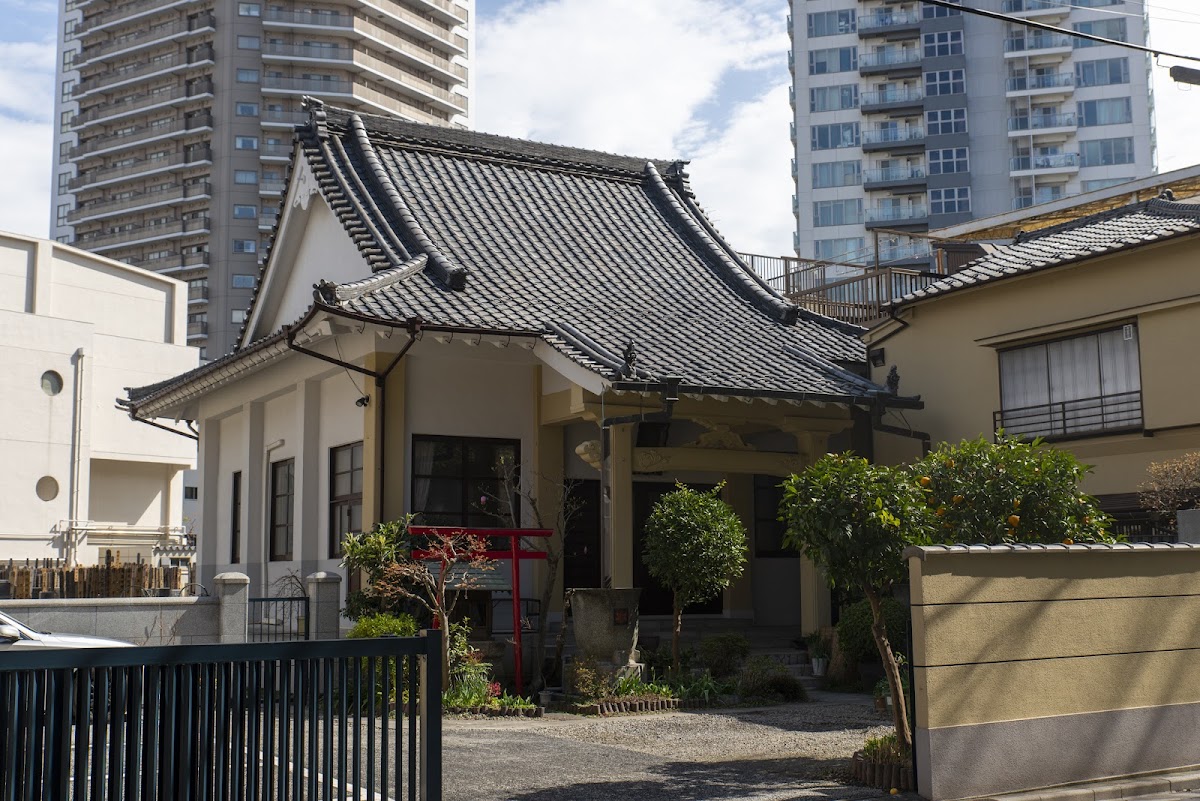
Located in Komae City, Tokyo, Unshozan Senryuji Temple is a historic Soto Zen temple said to have been founded in the first year of the Tenpyo-Jingo era (765 AD). Despite its convenient location just a one-minute walk from Komae Station on the Odakyu Line, its grounds, surrounded by lush greenery, offer a healing space where visitors can experience the changing seasons, making it a beloved destination for locals and many other worshippers alike.
This article comprehensively covers everything you need to know before visiting Senryuji Temple, including its history, highlights, access information, and Goshuin (temple stamp) information.
History and Origins of Senryuji Temple
Founding Legend by Abbot Ryoben
The founding of Senryuji Temple dates back to the first year of the Tenpyo-Jingo era (765 AD) during the Nara period. According to legend, the temple’s origins lie in a visit by Ryōben Shōnin, renowned as the founder of Tōdai-ji Temple in Nara and also the founder of Ōyama-dera Temple on Mount Amefuri in Isehara. He performed a prayer for rain, marking the beginning of the temple’s history.
Ryōben Shōnin initially founded Senryū-ji Temple as a temple encompassing both the Hossō and Kegon schools of Buddhism. The question of why Ryōben Shōnin, who held a high position as the head priest of Tōdai-ji Temple, established a temple in Musashi Province is thought to be deeply intertwined with the history of Buddhist missionary activities and regional development at the time.
Conversion to and Development of the Sōtō Zen School
Initially a temple of the Hossō and Kegon schools, its sect changed with the times. From the medieval period onward, Senryū-ji Temple converted to the Sōtō Zen school, which it remains to this day. The Sōtō Zen school is a branch of Zen Buddhism with Eihei-ji and Sōji-ji as its head temples, and is characterized by its emphasis on seated meditation (zazen).
The principal image is Shakyamuni Buddha, preserving the prestige of a Zen Buddhist temple. The mountain name, Unshozan, is thought to have been derived from the pine trees covering the grounds and the way the temple grounds spread out like clouds.
From the Edo Period to the Present
During the Edo period, it developed as a central temple in the region, and many of the buildings remaining on the grounds today were constructed during this period. The main hall, rebuilt in the mid-Edo period, and the founder’s hall, bell tower, and main gate, built or rebuilt in the late Edo period, preserve the architectural style of that time.
Having weathered the wave of anti-Buddhist movement after the Meiji Restoration, Senryuji Temple remains the largest temple in Komae City and continues to be a center of local faith. Located in the city center, it is an indispensable presence when discussing the history and culture of Komae City.
Guide to Senryuji Temple Grounds and Highlights
Main Gate and Approach
Exiting the north exit of Komae Station on the Odakyu Line, you will see a lush forest on your left. This is a corner of the Komae Benzaiten Pond Green Space Preservation Area, formerly the grounds of Senryuji Temple. As you proceed with this forest on your left, the bell tower of Senryuji Temple will come into view intermittently, and eventually, the magnificent temple gate will appear.
The temple gate was rebuilt during the late Edo period and displays a dignified structure befitting a Zen Buddhist temple. Passing through the gate, you enter a tranquil temple grounds, transporting you to a different world far removed from the hustle and bustle of the city.
Main Hall
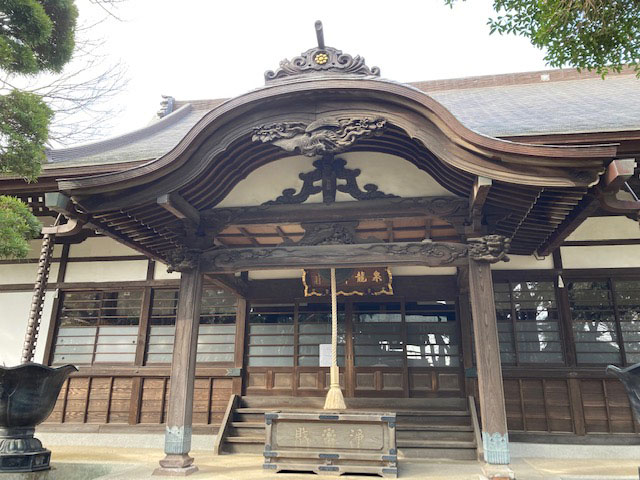
Located in the center of the temple grounds, the main hall is a building rebuilt in the mid-Edo period. It houses the principal image, Shakyamuni Buddha, and visitors can quietly offer their prayers. The architectural style of the main hall is characteristic of Soto Zen temples, and its simple yet dignified appearance is impressive.
Regular Buddhist services and Zen meditation sessions are held inside the hall, providing opportunities for the general public to participate. Those interested in learning about Zen teachings should inquire at the temple.
Bell Tower
The bell tower, standing in a corner of the temple grounds, was built during the late Edo period and is a symbolic landmark of Senryuji Temple. Visible from Komae Station, it is a beloved local landmark.
The temple bell still serves its purpose of telling time, and many worshippers visit for the New Year’s Eve bell ringing. The area around the bell tower is particularly lush with greenery, displaying different scenery with each season.
Founder’s Hall
The Founder’s Hall, dedicated to the monk Ryōben, is also an important building, built and rebuilt during the late Edo period. It is still carefully preserved as a place to express gratitude and respect for Ryōben, the founder of Senryuji Temple.
The architectural style of the Founder’s Hall retains many characteristics of the late Edo period and is highly valued as a historically significant building.
Benzaiten Pond and Green Space Preservation Area
Within the former grounds of Senryuji Temple, a green space preservation area centered around Benzaiten Pond extends. This pond has long played an important role as a water source for the region. Currently, it has been developed as the Komae Benzaiten Pond Green Space Preservation Area and serves as a place of relaxation for citizens.
The area surrounding the pond retains abundant nature and is known as a spot for birdwatching. When visiting Senryuji Temple, be sure to also visit this green space.
The Seasons and Nature of Senryuji Temple
Spring Cherry Blossoms
In spring, beautiful cherry blossoms bloom throughout the grounds of Senryuji Temple. The row of cherry trees along the approach from the temple gate to the main hall is particularly magnificent, attracting many visitors for cherry blossom viewing. Enjoying cherry blossoms in a tranquil atmosphere despite being close to the city center is a unique charm of Senryuji Temple.
The cherry blossom season is usually from late March to early April. While there are no illuminations, enjoying the cherry blossoms in natural daylight is also charming.
The Season of Fresh Greenery
The season of fresh greenery from May to June is also a beautiful time to visit Senryuji Temple. The trees covering the temple grounds sprout new leaves all at once, enveloping the area in vibrant green. The air is especially refreshing at this time of year, and simply strolling through the grounds feels like a cleansing experience for the soul.
The green spaces around Benzaiten Pond are also adorned with fresh greenery, and the sounds of birdsong fill the air.
Autumn Foliage
In autumn, the trees on the temple grounds change color, offering a beautiful display of autumn leaves. The best time to visit is from mid-November to early December, when the ginkgo and maple trees are particularly vibrant. The view of the autumn leaves against the backdrop of the temple gate and main hall is truly picturesque.
Many people visit during the autumn foliage season to take photographs, and the scenery often becomes a topic of discussion on social media.
Winter Serenity
Winter is the quietest time of year at Senryuji Temple. Winter sunlight filters through the bare trees, enveloping the grounds in a solemn atmosphere. On snowy days, the grounds, covered in white, present a fantastical beauty. From New Year’s Eve to New Year’s Day, the temple is bustling with visitors for their first shrine visit of the year, and you can see people welcoming the new year while listening to the temple bells.
Access Information
Access by Train
Access to Senryuji Temple is very convenient. The nearest station is Odakyu Line Komae Station, and it is conveniently located just a 1-minute walk from the north exit.
- From Shinjuku Station: Approximately 15 minutes by Odakyu Line express train, get off at Komae Station
- From Machida Station: Approximately 30 minutes by Odakyu Line, get off at Komae Station
- From Shimokitazawa Station: Approximately 10 minutes by Odakyu Line, get off at Komae Station
Komae Station is an express train stop, so access from the city center is very smooth. Because it is close to the station, even first-time visitors should be able to arrive without getting lost.
Access by Car
If you are visiting by car, the following route is convenient.
- Chuo Expressway: Approximately 15 minutes from Chofu IC
- Tomei Expressway: Approximately 20 minutes from Tokyo IC
However, many roads around Senryuji Temple are one-way, so caution is advised when using a car navigation system. Also, it is recommended to check with the temple in advance regarding the availability and operating hours of the dedicated parking lot.
Location and Contact Information
- Location: 1-chome, Motoizumi, Komae City, Tokyo
- Phone Number: Please check the official website
- Official Website: https://www.senryuji.or.jp/
Visiting Information
Visiting Hours and Admission Fee
Senryuji Temple is generally a temple that can be visited freely. Entry to the temple grounds is possible during the daytime, but it is considered good manners to refrain from visiting early in the morning or late at night.
- Visiting Hours: Daytime (Please check with the temple for specific times)
- Admission Fee: Free
- Closed Days: None (However, entry may be restricted during religious services, etc.)
About Goshuin (Temple Seals)
Goshuin are available at Senryuji Temple. Goshuin are popular as proof of temple visits and as a memento of worship.
When obtaining a Goshuin, please note the following:
- Bring your Goshuincho (stamp book) (If you do not have one, you may be able to purchase one at the temple)
- Obtain the Goshuin after completing your prayers
- Request using polite language
- Prepare the Goshuin fee (usually around 300-500 yen)
For details regarding Goshuin issuance times and other information, it is recommended to check with the temple before your visit.
Annual Events
Senryuji Temple holds various Buddhist events throughout the year.
- Hatsumode (January 1st-3rd): Many people visit for New Year’s prayers.
- Setsubun-e (around February 3rd): Events such as bean-throwing are held.
- Hanamatsuri (April 8th): Events celebrating Buddha’s birthday.
- Obon Memorial Service (August): Memorial service for ancestors.
- Higan-e (Spring and Autumn Equinox): Memorial service for the equinox.
- Joya no Kane (December 31st): Ringing the bell to signal the end of the year.
Many of these events are open to the public, so please inquire with the temple if you are interested.
Attractions around Senryuji Temple
Komae Benzaiten Pond Green Space Preservation Area
As mentioned above, this is a green space preservation area that spreads across the former grounds of Senryuji Temple. Despite being in an urban area, it retains abundant nature, and walking paths are also maintained. The area around the pond is a popular spot for nature lovers, offering opportunities to observe seasonal plants and wild birds.
Tourist Spots in and around Komae City
When visiting Senryuji Temple, why not extend your trip to other tourist spots in and around Komae City?
- Tama River Riverbed: Within walking distance, perfect for strolling or cycling.
- Temples and Shrines in Setagaya Ward: The neighboring Setagaya Ward boasts numerous historical temples and shrines.
- Jindaiji Temple in Chofu City: A famous ancient temple located about 15 minutes away by car.
Manners and Precautions for Visiting Temples
Basic Manners for Visiting Temples
When visiting temples, please observe the following basic manners.
- Bow at the temple gate: Bow before entering the temple grounds.
- Act quietly: Do not speak loudly or make noise.
- Photography etiquette: Refrain from taking photos inside the main hall or of other visitors.
- Attire is appropriate: Avoid overly revealing clothing.
- Do not enter areas other than designated areas: Do not enter areas where entry is prohibited.
How to pray in the main hall
The basic way to pray at a Soto Zen temple is as follows:
- Straighten your posture in front of the main hall.
- Bow slightly.
- Place your offering in the offering box (do not throw it).
- Clasp your hands together and pray quietly.
- Bow and leave.
Unlike Shinto shrines, you do not clap your hands (kashiwade).
Summary of the charms of Senryuji Temple
Senryuji Temple is a venerable temple with a history of over 1200 years, yet it is easily accessible from the city center, making it a valuable place to visit casually. Despite its location just a one-minute walk from the station, stepping onto the temple grounds reveals a world of tranquility and abundant nature.
Izumiryuji Temple is full of charm, from its history as a temple founded by Abbot Ryōben, to its Edo-period buildings, the beauty of nature that changes with the seasons, and its role as a place of faith deeply rooted in the community.
It’s a temple that can be visited for a variety of purposes, whether you’re interested in history, architecture, nature, or simply seeking peace and tranquility. If you have the opportunity to use the Odakyu Line, why not get off at Komae Station and visit Izumiryuji Temple?
Frequently Asked Questions (FAQ)
Q1. Is there an entrance fee to Izumiryuji Temple?
A1. Entry to the grounds of Izumiryuji Temple is free. You can freely visit, but entry may be restricted during religious services, so it is recommended to check in advance for large-scale events.
Q2. Can I get a Goshuin (temple stamp)?
A2. Yes, you can get a Goshuin at Senryuji Temple. Please bring your Goshuincho (stamp book) and request one at the temple office after completing your prayers. The fee for a Goshuin is usually around 300 to 500 yen. We recommend checking with the temple in advance regarding the hours for receiving Goshuin.
Q3. Is there parking available?
A3. Please contact the temple directly regarding parking availability and usage conditions. Many of the surrounding roads are one-way, so caution is advised if visiting by car. The temple is conveniently located a 1-minute walk from Komae Station, making public transportation the most convenient option.
Q4. Are Zen meditation sessions or similar events held?
A4. As a Soto Zen temple, there is a possibility that Zen meditation sessions and Dharma talks are held regularly. For events open to the public, please check the official website or contact the temple directly by phone.
Q5. How long does it take to visit Senryuji Temple?
A5. If you take your time strolling around the temple grounds and praying, it takes about 30 minutes to an hour. If you also want to explore the green space around Benzaiten Pond, you should allow another 30 minutes to an hour. We recommend visiting with plenty of time to spare, especially during pleasant seasons.
Q6. Is it possible to visit with a pet?
A6. Regulations regarding bringing pets to temples vary. For Senryuji Temple, we recommend checking with the temple in advance. Generally, pets are required to be kept in a cage or carried on the temple grounds.
Q7. Can I request wedding ceremonies or memorial services?
A7. Senryuji Temple performs Buddhist services such as funerals and memorial services. For information on accepting non-parishioners, please contact the temple directly. Wedding ceremonies are not generally performed at Soto Zen temples, but please check with the temple for details.
Q7. Can I request wedding ceremonies or memorial services?
A7. Senryuji Temple performs Buddhist services such as funerals and memorial services. ### Q8. When are the best times to see cherry blossoms and autumn leaves?
A8. The best time to see cherry blossoms is usually from late March to early April, and the best time to see autumn leaves is from mid-November to early December. However, this may vary depending on the weather each year, so we recommend checking the blooming status before visiting.
Summary
Izumiryuji Temple is an ancient Soto Zen temple located in Komae City, Tokyo. It is a venerable temple with a history of over 1200 years since its founding by the monk Ryōben. Despite its excellent accessibility—just a one-minute walk from Komae Station on the Odakyu Line—the temple grounds, surrounded by abundant nature, offer a tranquil space that allows you to forget the hustle and bustle of the city.
The buildings, including the main hall, temple gate, bell tower, and founder’s hall, which remain from the Edo period, are of high historical value, and the beauty of nature that changes with the seasons is also a major attraction. You can enjoy different expressions in each season: cherry blossoms in spring, fresh greenery in summer, autumn leaves in fall, and the tranquility of winter.
Admission is free, and you can also receive a Goshuin (temple stamp). Various Buddhist events are held throughout the year, and it continues to play an important role as a center of local faith.
For those seeking history, architecture, nature, and a quiet time for prayer, Senryuji Temple is a valuable place easily accessible from the city center. When you visit Komae, be sure to stop by Senryuji Temple and experience its charm.