What is Fudoin? A Thorough Explanation of the History, Cultural Assets, and Visiting Information of Fudoin Temples Nationwide
Overview of Fudoin Temples
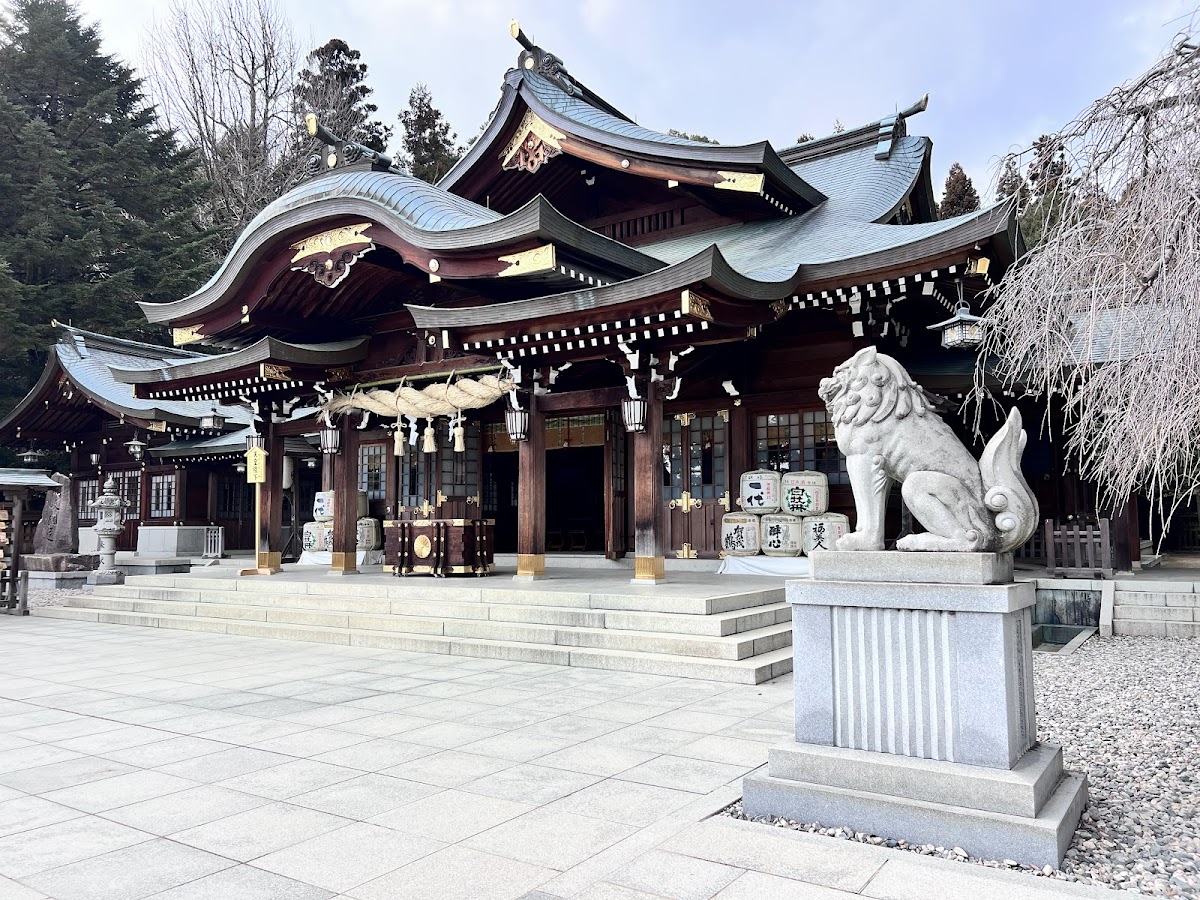
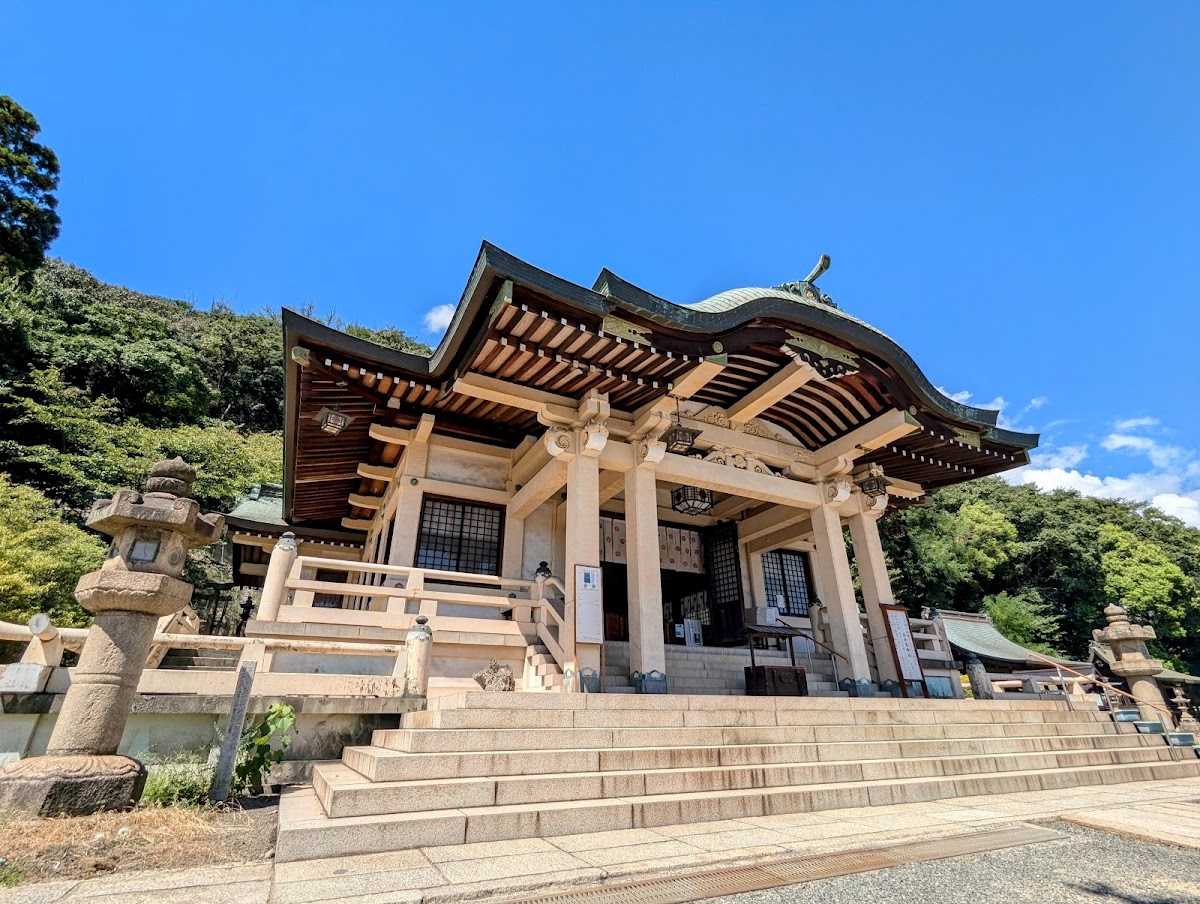
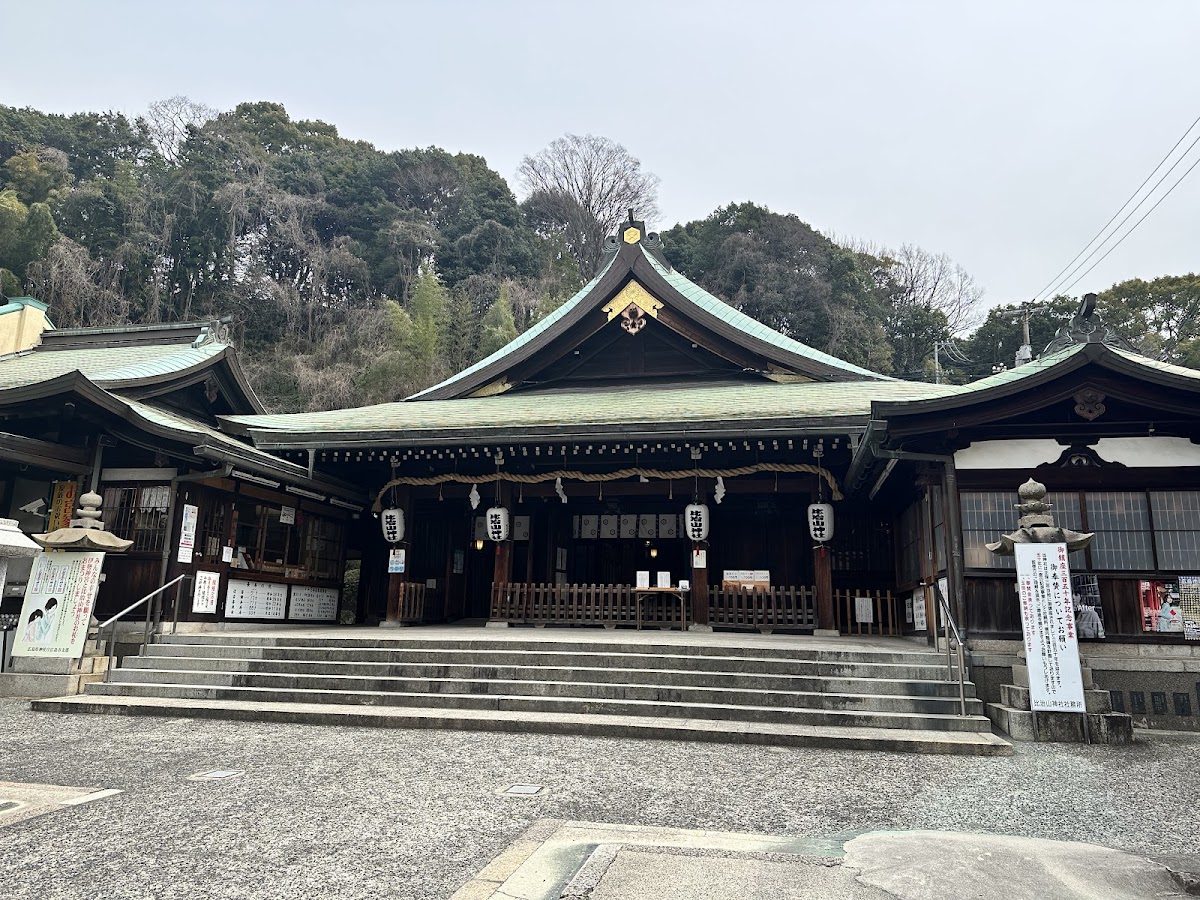
Fudoin (ふどいん) is the name of a group of Shingon Buddhist temples located throughout Japan. Many of these temples enshrine Fudo Myoo (Acala) as their principal deity and have long been revered as “Ofudo-san” in their local communities. Temples with the same name exist throughout the country, each possessing its own unique history and cultural assets.
As Shingon Buddhist temples, Fudoin have served as training grounds for esoteric Buddhist rituals such as incantations, prayers, and fire rituals. Fudo Myoo, the principal deity, has long been revered as a deity who severs worldly desires and saves all sentient beings.
Fudoin temples throughout Japan have played a vital role as centers of faith in their respective regions, from the Middle Ages to the present day. This article will provide a detailed explanation of the history, cultural assets, and visiting information for major Fudoin temples.
Introduction to Major Fudoin Temples
Fudoin Temple (Hiroshima City)
Located in Higashi-ku, Hiroshima City, Hiroshima Prefecture, Fudoin Temple is a Shingon sect temple (Hiroshima Prefecture Shingon Sect). Its mountain name is Shin-Nichizan, and its principal image is Yakushi Nyorai (Medicine Buddha).
History and Origins
Fudoin Temple is known as one of the Ankoku-ji Rishōtō (religious stupas) established in various provinces by the Ashikaga brothers, Takauji and Tadayoshi, and was founded as Ankoku-ji Temple in Aki Province. While the exact date of the temple’s construction on its current site is unclear, the presence of the seated Yakushi Nyorai statue in the main hall suggests that the temple already existed by the end of the Heian period.
Throughout the medieval period, it played a central role in Buddhist faith in this region, and during the Sengoku period, it received the devotion of warlords. Miraculously, its main buildings survived the atomic bombing, making it a valuable historical structure, one of the few remaining pre-bombing buildings in Hiroshima City.
Cultural Properties
Fudoin Temple in Hiroshima City houses numerous valuable cultural properties designated as National Treasures and Important Cultural Properties. The main hall and other buildings are important historical remains that convey the architectural style of the medieval period. The layout of the temple grounds also retains much of its original form, and its historical value is highly regarded.
The Buddhist statues, including the principal image of Yakushi Nyorai (Medicine Buddha), are known as outstanding examples of Buddhist sculpture from the Heian to Kamakura periods. These cultural properties can be viewed during regular public openings and special viewing opportunities.
Access
Fudoin Temple in Hiroshima City is accessible by bus from JR Hiroshima Station. It is approximately a 3-minute walk from the “Fudoin-mae” bus stop (Hiroshima Bus). For those arriving by car, there is ample parking for visitors on the temple grounds. Its convenient location, easily accessible from the city center, makes it a popular destination for Hiroshima sightseeing.
Fudoin Temple (Tsukuba Mirai City)
Located in Itabashi, Tsukuba Mirai City, Ibaraki Prefecture, Fudoin Temple belongs to the Buzan branch of the Shingon sect. Its mountain name is Seianzan, and its temple name is Ganshoji. It is affectionately known as “Itabashi Fudo-son” or “Itabashi no Ofudo-san.”
A History of Approximately 1200 Years
Fudoin Temple is a place of prayer and ritual practice with a long history of approximately 1200 years. It is said to have been founded in the early Heian period, and since then, it has developed as a central temple for Fudo worship in the Kanto region. It is also designated as the 36th temple of the 36 Fudo-son pilgrimage sites in northern Kanto, attracting many pilgrims.
In the Middle Ages, it received devotion from the local samurai class, including donations of temple land. During the Edo period, popular faith spread, and it flourished as a sacred site visited by pilgrims from all over the Kanto region. Even today, it is bustling with many worshippers during New Year’s and temple festivals. #### Nationally Designated Important Cultural Property: Fudo Myoo
The most distinctive feature of Fudoin Temple in Tsukuba Mirai City is its principal image, a statue of Fudo Myoo, designated as a Nationally Important Cultural Property. This statue is believed to have been created in the late Heian period and is known for its excellent sculptural technique and awe-inspiring atmosphere.
The statue is approximately 1 meter tall and was carved from a single piece of wood. Its wrathful expression and powerful posture beautifully express the essence of Fudo Myoo: the power to sever worldly desires. Many worshippers travel from afar to pay their respects to this statue.
Prayer and Annual Events
Traditional prayers and blessings are still performed at Fudoin Temple. They cater to a variety of prayers, from personal wishes to family safety, business prosperity, and recovery from illness. The Goma fire ritual, in particular, is popular as a solemn ceremony where one can feel the power of Fudo Myoo amidst the flames.
Various events are held throughout the year, and the temple is particularly lively with many visitors on January 28th (Hatsu-Fudo) and the 28th of each month (Ennichi). Setsubun (bean-throwing festival) and spring and autumn equinox memorial services are also held on a grand scale, making it a central place of faith for the community.
Access Information
Fudoin Temple in Tsukuba-Mirai City is accessible by car in about 15 minutes from Mirai-daira Station on the Tsukuba Express line, or by walking in about 20 minutes from Kokinu Station on the Kanto Railway Joso Line. It is also about 10 minutes by car from the Yawara Interchange on the Joban Expressway. A parking lot for visitors is available, making it convenient to access by car.
Fudoin Temple (Koyasan)
Located in Koyasan, Wakayama Prefecture, Fudoin Temple is a temple of the Shingon sect with the status of a semi-special head temple. It is one of the most historically significant temples in Koyasan, with a statue of Fudo Myoo (Acala) said to have been carved by Kobo Daishi Kukai himself as its principal image.
Founded in 906
Fudoin Temple is one of the twelve sub-temples founded in 906 by Saikō in the western valley of Mount Koya. Established during the period of development of Mount Koya after the death of Kobo Daishi, it has preserved and passed down the teachings of Shingon Esoteric Buddhism.
It holds the title of “Yamashina Betsuin” as the family temple of the Yamashina Imperial family, and is known for its deep ties to the Imperial family. Due to this history, it has held a special position within Mount Koya.
The Hidden Buddha Image and Temple Grounds
The principal image, a statue of Fudo Myoo, is strictly guarded as a hidden Buddha image and is not usually open to the public. This statue, said to have been created by Kobo Daishi himself, is a central figure in Fudo worship on Mount Koya, attracting fervent devotion from monks and worshippers alike.
The temple grounds are enveloped in a tranquil atmosphere, offering a peaceful space away from the hustle and bustle of Mount Koya. The architecture possesses an ancient and venerable charm, allowing visitors to experience a solemn yet peaceful atmosphere.
Position within Koyasan
While Koyasan has numerous temples, Fudoin holds a high status as a semi-special head temple. It also functions as a temple lodging, allowing visitors to stay overnight and experience the spiritual culture of Koyasan.
Programs are available that allow visitors to experience aspects of Shingon Esoteric Buddhism, such as morning prayers and sutra copying, providing a valuable opportunity for modern people to engage with Buddhist culture.
Visiting and Access
To reach Fudoin in Koyasan, take the Nankai Koyasan Line to Gokurakubashi Station, then take the cable car to Koyasan Station. From there, you can access various locations within Koyasan by bus. Fudoin is located in a quiet area slightly away from the center of Koyasan, and can also be visited on foot.
Kitamukiyama Fudoin Temple (Fushimi Ward, Kyoto City)
Located in Fushimi Ward, Kyoto City, Kitamukiyama Fudoin Temple is a Shingon Buddhist temple known as the 22nd temple on the Kinki Thirty-Six Fudo Pilgrimage. It is a temple with a special history in Kyoto, deeply connected to the Toba Imperial Villa.
The Origin of Emperor Toba and Kakuban Shonin
In 1130 (Daiji 5), when Emperor Toba fell ill with an incurable disease, Kakuban Shonin (Kogyo Daishi) performed incantations and prayers at the Toba Imperial Villa in this area. On the day of completion, Fudo Myoo appeared to Emperor Toba in a dream, releasing his right leg from the full lotus position and assuming a half-lotus position, showing himself rising from meditation to save him.
It is said that, due to this miraculous event, Emperor Toba’s illness was cured, and Fudoin Temple was built as a token of gratitude. This unique half-seated Fudo Myoo statue is a precious object of worship unlike any other.
Important Cultural Properties and Temple Buildings
Kitamukiyama Fudoin Temple preserves buildings and Buddhist statues designated as Important Cultural Properties. The temple buildings, including the main hall, are valuable relics that convey architectural styles from the medieval to early modern periods.
Some remains from the Toba Imperial Villa era also remain on the temple grounds, conveying the fusion of Heian period court culture and Buddhist faith. The gardens are also beautifully maintained, allowing visitors to enjoy the scenery of each season.
Visiting Information
Kitamukiyama Fudoin Temple in Fushimi Ward, Kyoto City, can be accessed by bus from Keihan Railway’s “Chushojima Station” or Kintetsu Railway’s “Takeda Station.” There are also bus services from Kyoto Station, making it easily accessible for tourists. As one of the 36 Fudo Myoo pilgrimage sites in the Kinki region, it attracts many pilgrims.
Other Fudoin Temples
Fudoin Temple (Iruma City)
Fudoin Temple in Iruma City, Saitama Prefecture, is called Genkozan Myooji Fudoin and belongs to the Buzan branch of the Shingon sect. Its main temple is Anrakuji Temple in Nariki, Ome City, Tokyo, and its principal image is a seated statue of Fudo Myoo.
Within the temple grounds is the “Thirteen Buddhas Sect Stone Monument,” created in 1470 (Bunmei 2), which is a designated cultural property of the city. This stone monument, erected by over 60 people who formed a sect and prayed for rebirth as a Bodhisattva, is a valuable historical document illustrating the popular faith of the medieval period.
Fudoin Temple (Ichikawa City)
Fudoin Temple in Ichikawa City, Chiba Prefecture, is a temple of the Buzan branch of the Shingon sect, with its head temple being Hase-dera Temple in Sakurai City, Nara Prefecture. It is located about an 8-minute walk from Keisei Yawata Station, and the temple gate is located north of the Yawata shopping street.
The origins of the principal deity, Fudo Myoo, date back to the Heian period, and the temple has attracted the faith of the local community. As a center of Shingon Esoteric Buddhism in Ichikawa City, various religious services and events are still held there today.
Fudoin Temple (Himeji City)
Fudoin Temple in Himeji City, Hyogo Prefecture, is a temple belonging to the Koyasan Shingon sect. It is the 88th temple of the Harima Shikoku pilgrimage and the 19th temple of the Himeji Saigoku pilgrimage, receiving pilgrims.
It also has a complete perpetual memorial grave, demonstrating its commitment to modern temple management. It has deep ties to Lord Ikeda Terumasa and Atago-san Daigongen, and is a temple closely intertwined with the history of the region.
Faith and Culture of Fudoin Temple
Fudo Myoo Faith
The central faith of Fudoin Temple is the faith in its principal deity, Fudo Myoo. Fudo Myoo is considered an incarnation of Dainichi Nyorai and is revered as a Myoo who cuts off worldly desires and saves all sentient beings. The wrathful expression, the flaming halo, the sword in his right hand, and the lasso in his left symbolize the power to subdue evil and protect good. Affectionately known as “Ofudo-san,” he remains a deeply ingrained object of worship in the lives of ordinary people, continuing to be a source of spiritual support for many.
Tradition of Incantations and Prayer
At Fudoin Temple, incantations and prayers based on the traditions of Shingon Esoteric Buddhism play a crucial role. The Goma ritual, a ceremony in which worldly desires are burned away by the power of fire and wishes are fulfilled, is experienced by many worshippers.
Prayers are offered for a variety of wishes, from personal requests to family safety, business prosperity, recovery from illness, and traffic safety. The solemn atmosphere created by the chanting of sutras by the monks and the flames of the Goma ritual deeply moves worshippers.
Annual Events and Festivals
Fudoin Temple holds various events throughout the year. The 28th of each month is especially auspicious for Fudo Myoo (Acala), attracting many worshippers. The first Fudo Myoo of the year on January 28th is one of the most important events.
Bean-throwing ceremonies are held during Setsubun (bean-throwing festival), and ancestral memorial services are held during the spring and autumn equinoxes. These events serve as opportunities to strengthen community ties and play an important role in the transmission of traditional culture.
Etiquette and Manners for Visiting Fudoin Temple
Basic Worship Etiquette
When visiting Fudoin Temple, first bow at the main gate before entering the grounds. Cleanse your hands and mouth at the water basin and proceed to the main hall. In front of the main hall, ring the bell, then clasp your hands together in prayer and offer your prayers with sincerity.
When making an offering, place it quietly in the offering box. When offering incense, be considerate of other worshippers. Please refrain from taking photographs in prohibited areas or of Buddhist statues, and only take photos within permitted areas.
Receiving a Goma Prayer Ceremony
If you wish to receive a Goma prayer ceremony, it is recommended that you contact the temple in advance and make a reservation. Prayer fees vary depending on the temple, so please check beforehand.
On the day of the prayer ceremony, please wear clean clothing. Turn off your mobile phone or set it to silent mode, and pray quietly with your hands clasped together during the ceremony. If writing your wish on a Goma stick, please write it carefully and sincerely.
Goshuin (Temple Seal) and Amulets
At Fudoin Temple, you can receive a Goshuin as a memento of your visit. Bring your Goshuincho (stamp book) and request one at the sutra copying office or temple office. The Goshuin fee is usually around 300 to 500 yen.
Amulets and talismans are also available, allowing you to take the protection of Fudo Myoo (Acala) into your daily life. Various types of amulets are available, including those for traffic safety, academic success, and recovery from illness.
Fudoin Temple and the Local Community
As a Center of Local Faith
Fudoin Temple has played a central role in faith within its respective communities. As a spiritual pillar for local residents, it has been a source of comfort during life’s milestones and difficult times.
Festivals and annual events serve as a place for community interaction, fostering bonds across generations. Even today, this tradition continues, contributing to the unity of the local community.
Preservation and Public Access to Cultural Properties
The cultural properties held by Fudoin Temple are valuable assets that convey Japan’s history and culture. Their preservation and appropriate public access are one of the temple’s important missions.
Regular restoration work and improvements to the preservation environment are continuously undertaken to ensure the transmission of these cultural properties to future generations. Special exhibitions and cultural property exhibitions provide opportunities for many people to experience this historical heritage.
Role in the Modern Era
In modern society, Fudoin Temple takes on new roles in addition to its traditional religious activities. As a haven for those seeking emotional healing and spiritual peace, the temple offers activities such as Zen meditation sessions and sutra copying sessions.
It also provides memorial services that cater to modern lifestyles, including perpetual memorial services and tree burials. Furthermore, it functions as a hub for local history education and cultural activities, continuing to develop as a temple open to society.
Summary
Fudoin temples, as Shingon Buddhist temples located throughout Japan, possess a long history and rich cultural assets. Fudoin temples in Hiroshima City, Tsukuba Mirai City, Koyasan, and Fushimi Ward in Kyoto City each have their own unique history and characteristics, attracting the faith of their respective communities.
Fudoin temples, with Fudo Myoo as their principal deity, have served as centers for prayer and ritual, fulfilling the diverse wishes of people. Their valuable cultural assets, including nationally designated important cultural properties, are an important legacy that conveys Japanese history and Buddhist culture to the present day.
Currently, while continuing traditional religious activities, they are also developing activities that meet the needs of modern society. Visitors can feel the weight of history and the power of faith at each Fudoin temple. Visiting a Fudoin temple offers a valuable opportunity to experience Japanese spiritual culture. Why not visit Fudoin temples throughout Japan and experience their history, culture, and the enduring faith they embody?