Complete Guide to Ikasuri Shrine | A Thorough Explanation of the History, Benefits, and Access to the Ichinomiya of Settsu Province
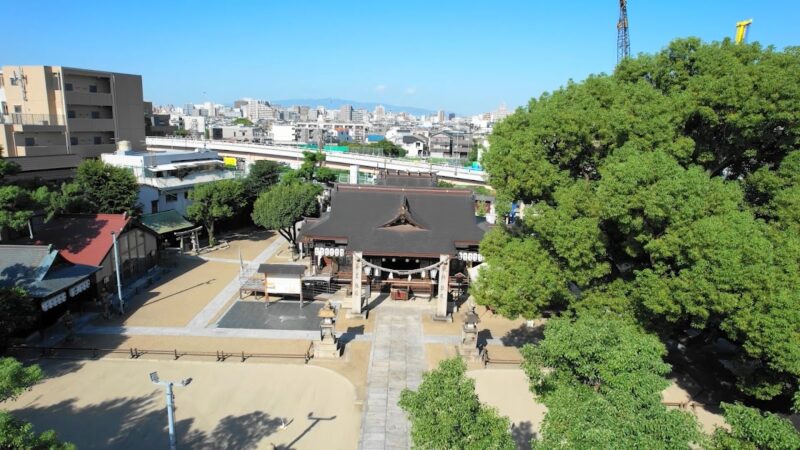
Nearly nestled in Honmachi, Osaka’s business district, is Ikasuri Shrine, the Ichinomiya (first-ranked shrine) of Settsu Province, boasting a history of approximately 1800 years. Affectionately known as “Zama-san” by locals, this shrine is renowned for its blessings of protection for homes, safe travel, and safe childbirth, attracting a constant stream of visitors before real estate contracts or moves. This article comprehensively covers everything you need to know before visiting Ikasuri Shrine, from its history and enshrined deities to its annual events and worship methods.
What is Ikasuri Shrine? | Overview of the Ichinomiya of Settsu Province
Ikasuri Shrine is located at 3 Watanabe, 4-chome, Kyutaro-cho, Chuo-ku, Osaka City. It is a Shikinaisha (Grand Shrine) and the Ichinomiya of Settsu Province, possessing a distinguished history. Its former shrine rank was Kanpei Chusha (Middle-ranked Imperial Shrine), and it is currently designated as a Beppyo Jinja (Special Shrine) by the Association of Shinto Shrines.
The shrine’s name, “Ikasuri,” has a unique pronunciation, which is difficult to guess from the characters “坐摩.” Locally, it is affectionately known as “Zama-san” or “Zama-jinja,” and is deeply revered as the tutelary deity of the Senba area.
The shrine’s crest is “Sagimaru,” a beautiful design featuring a white heron. This crest can be seen throughout the shrine grounds and is a beloved symbol of the shrine.
History and Origin of Ikasuri Shrine
Origin of Founding
There are various theories regarding the founding of Ikasuri Shrine, but according to the most plausible tradition, it began approximately 1800 years ago when Empress Jingu, on her return from Silla, enshrined the Ikasuri deity on Taminonoshima (present-day Ishimachi, west of Tenmabashi) on the south bank of the Yodo River.
Even older traditions suggest that during the reign of Emperor Jimmu, the shrine was enshrined in the imperial palace as a guardian deity of the palace grounds, indicating a deep connection with the imperial family.
From the Heian Period to the Edo Period
The Heian period’s “Engishiki Jinmyocho” (a list of shrines compiled in the Heian period) lists the shrine as the only major shrine in Nishinari District, Settsu Province, indicating its recognition as an important shrine from ancient times. At that time, the Ikusuri Shrine was the highest-ranking shrine in Settsu Province and received deep reverence from the imperial court.
From the medieval period onward, as the city of Osaka developed, the Ikusuri Shrine began to attract the faith of merchants in Senba. In particular, it served as the tutelary deity of samurai and merchants, especially the Watanabe clan, and has walked hand in hand with the prosperity of the region.
Relocation to the Current Location
Originally located in Watanabe (near present-day Tenmabashi), the Ikusuri Shrine was relocated to its current location in Kyutaro-cho around 1583 during the Tensho era, coinciding with Toyotomi Hideyoshi’s construction of Osaka Castle. This relocation brought the shrine to its central location in Semba, strengthening its role as the guardian deity of the commercial district.
The original location of the shrine, Watanabe, is also known as the birthplace of the surname “Watanabe,” making the Ikusuri Shrine an important shrine for tracing the roots of the Watanabe family.
Developments since the Modern Era
Under the Meiji era’s shrine ranking system, it was ranked as a Kanpei Chusha (a medium-ranking government-supported shrine), establishing its position as a representative shrine of Settsu Province. After the war, it became a Beppyo Jinja (a special shrine) of the Association of Shinto Shrines, and to this day, it continues to welcome many worshippers as one of Osaka’s representative ancient shrines.
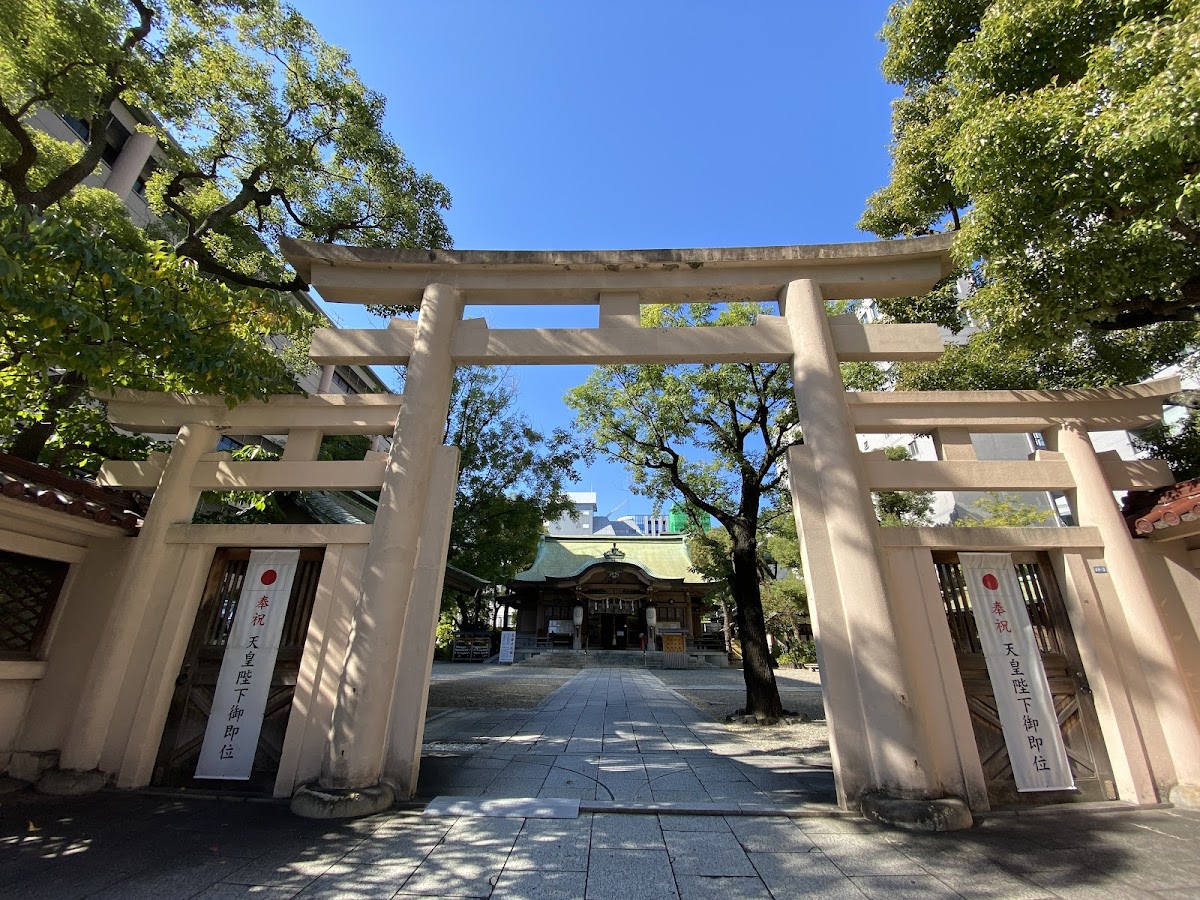
From 2020, as part of the “Reiwa Imperial Enthronement Commemorative Project,” the reconstruction of the main shrine and temporary shrine office was carried out and successfully completed with the cooperation of parishioners and worshippers. This reconstruction has created a more comfortable environment for worshippers.
Deities and Divine Virtues
Ikasuri no Okami
At Ikasuri Shrine, five deities are collectively enshrined as “Ikasuri no Okami.” These five deities are as follows:
- Ikui no Kami – The deity who presides over wells, the source of life
- Sakui no Kami – The deity who presides over wells that bring happiness
- Tsunagai no Kami – The deity who presides over longevity and prosperity
- Asuha no Kami – The deity who protects footing and land
- Hahiki no Kami – The deity who presides over sweeping, purification
These five deities all possess divine virtues related to living spaces and the foundations of life, and have been worshipped as deities who protect people’s daily lives.
Main Divine Virtues and Benefits
The main divine virtues of Ikusama-no-Okami stem from their role as the guardian deity of the shrine grounds. Specifically, the following benefits are believed to be offered:
Protection of Residence
The most famous benefit is protection of residence. Many people visit the shrine when building a new house, moving, or signing a real estate contract, praying for the safety of their home and the protection of their land and building. A significant number of visitors also come before and after purchasing an apartment or signing a mortgage.
Safe Travel
Known as a deity who protects travelers, visits before business trips or vacations are recommended. In Osaka, a historically important transportation hub, the deity has watched over the safety of travelers.
Protection for Safe Childbirth
The shrine also offers blessings for safe childbirth, attracting pregnant women and their families. Due to the deity’s virtue of protecting and nurturing life, it is believed to bestow blessings for safe childbirth and child-rearing.
Business Prosperity
As the guardian shrine of the commercial district of Senba, many business owners and merchants visit to pray for business prosperity and success.
Highlights of the Shrine Grounds
Main Hall and Worship Hall
The main hall of Ikusuri Shrine was newly renovated during the Reiwa era, but it was built using modern technology while preserving the style of traditional shrine architecture. In the worship hall, Shinto priests perform daily rituals and accept prayers from worshippers.
Origin of the “Sagimaru” Crest
The “Sagimaru” crest, seen throughout the shrine grounds, is a circular design of a white heron, symbolizing purity and elegance. There is a legend associated with this crest, making it an important symbol that tells the history of Ikusuri Shrine.
Subsidiary Shrine: Pottery Shrine
Several subsidiary shrines are enshrined within the grounds, but the Pottery Shrine is particularly noteworthy. Every summer, the “Setomono Festival” is held, attracting many visitors. The shrine is a place of worship for those involved in pottery and ceramics, and many ceramic artisans visit.
Nature within the Shrine Grounds
Despite being located in a bustling urban office district, the shrine grounds offer a chance to enjoy nature throughout the seasons. Especially in early summer, hydrangeas are in full bloom, and in summer, the delicate egret orchids (Sagisou) delight visitors. The egret orchid is carefully cultivated at the shrine, as it is associated with the white heron that is the shrine’s crest.
Annual Events and Festivals
The Ikusuri Shrine holds various Shinto rituals and festivals throughout the year.
Main Annual Events
Hatsumode (January 1st-3rd)
Many visitors come for Hatsumode to welcome the New Year. The shrine is bustling with people offering New Year’s greetings and praying for safety and prosperity throughout the year.
Setsubun Festival (around February 3rd)
Events such as bean-throwing are held, and prayers are offered for protection against evil and for good fortune.
Summer Purification Ceremony (June 30th)
A Shinto ritual to purify oneself of sins and impurities accumulated over the past six months, including the ritual of passing through a ring of reeds.
Ikusuri Shrine Summer Festival / Pottery Shrine Pottery Festival (July)
These festivals are beloved summer traditions, and the shrine grounds are bustling with many worshippers and stalls. The Pottery Shrine Pottery Festival, in particular, includes a pottery market.
Shichi-Go-San Pilgrimage (November)
Shichi-Go-San pilgrimages are held to celebrate the growth of children, attracting many families.
Year-End Purification Ceremony (December 31st)
A Shinto ritual to purify oneself of sins and impurities is held to conclude the year.
Soul-Calming Ceremony
This is a solemn Shinto ritual to comfort the spirits of ancestors and war dead.
Annual Festival
The annual festival of Ikusuri Shrine is considered the most important Shinto ritual of the year. A solemn ceremony is performed by Shinto priests, and parishioners and devotees attend to offer gratitude and prayers to the gods.
How to Worship and Prayers
Etiquette for Worship
Worship at Ikusuri Shrine follows the same etiquette as at any other shrine.
- Bow before passing through the torii gate
- Cleanse your hands and mouth at the water basin
- Offer your donation in front of the main hall
- Worship using the two bows, two claps, and one bow ritual
- Bow at the torii gate upon leaving
Application for Prayers
Various prayers are accepted at the shrine office. The main prayers include the following:
- Purification of the residence (new construction/moving)
- Prayer for safety (travel/traffic safety)
- Prayer for safe childbirth
- First shrine visit for a newborn
- Shichi-Go-San ceremony
- Prayer for protection against misfortune
- Prayer for business prosperity
- Shinto wedding ceremony
If you wish to have a prayer performed, we recommend contacting the shrine office in advance. Reservations are especially required for Shinto wedding ceremonies.
Items to be given
At the shrine office, you can receive items such as amulets and Goshuin (shrine stamps). The amulet for protecting your residence is particularly popular, and many people display it in their new homes.
Access and Basic Information
Location
Address: 3 Watanabe, 4-chome, Kyutaro-cho, Chuo-ku, Osaka City, Osaka Prefecture
Transportation Access
Access by Train
- Approximately 3 minutes on foot from Honmachi Station on the Osaka Metro Midosuji Line, Chuo Line, and Yotsubashi Line
- Approximately 5 minutes on foot from Sakaisuji-Honmachi Station on the Osaka Metro Sakaisuji Line
Both stations are within walking distance, and the shrine is located in the heart of Osaka’s business district, making access extremely convenient.
Access by Car
There are coin-operated parking lots nearby, but spaces are limited, so we recommend using public transportation.
Visiting Hours
While visiting the shrine grounds is generally free, there are set hours for the shrine office and prayer services. Please check the official website for details.
Inquiries
For inquiries regarding visits and prayer services, please contact the shrine office directly. Various information and the latest updates can also be found on the official website.
Deep Connection to the Watanabe Surname
Izumo Shrine is known as the birthplace of the Watanabe surname, one of the most common surnames in Japan. The original location of the shrine, Watanabe, was the base of the Watanabe clan, descendants of the Saga Minamoto clan, and Izumo Shrine has been revered as their tutelary deity.
The Watanabe clan was active as a samurai group from the Heian period, and their descendants spread throughout Japan. Even today, people with the Watanabe surname sometimes visit Izumo Shrine to trace their ancestral roots.
As the Guardian Deity of Semba
Izumo Shrine has walked hand in hand with the prosperity of the Semba area, the commercial center of Osaka, as its tutelary deity. Many business owners, from long-established shops dating back to the Edo period to modern corporations, visit to pray for business success.
Despite its location in a business district, the shrine grounds maintain a tranquil atmosphere, making it a popular place to find peace amidst busy daily life. It’s not uncommon to see business people visiting during their lunch break.
Izumo Shrine has walked alongside the prosperity of the Semba area, the commercial center of Osaka. ## Ikusuri Shrine in the Modern Era
Reconstruction Project in the Reiwa Era
The “Reiwa Imperial Enthronement Commemorative Project,” which began in 2020, involved the reconstruction of the main shrine building, temporary shrine building, and shrine office. This project was successfully completed with the cooperation of parishioners and worshippers, creating a better environment for worship. The reconstruction, which incorporated modern technology while preserving tradition, is an important initiative for passing on the shrine to future generations.
Information Dissemination on Social Media
In addition to its official website, Ikusuri Shrine also disseminates information on social media such as Instagram. Seasonal flowers, religious ceremonies, and announcements are regularly updated, allowing worshippers from afar to stay informed about the shrine’s activities.
Connection with the Community
Even today, the shrine remains a local guardian deity, closely intertwined with the lives of the local people. Many local residents participate in annual events, forming a community centered around the shrine. It is also attracting attention from tourists as a spot where they can experience Osaka’s history.
Points to Note and Etiquette When Visiting a Shrine
Attire
For regular visits, no special attire is required. However, if you are receiving a prayer, somewhat formal attire is desirable. Formal attire is required when attending ceremonies such as Shinto weddings.
Photography
Photography is generally permitted on the shrine grounds, but there may be restrictions, such as inside the main hall or during Shinto rituals. If unsure, please check with a Shinto priest.
Etiquette When Visiting a Shrine
Shrines are sacred places. Please refrain from speaking loudly or running around. Smoking is prohibited on the grounds. It is also recommended to check in advance regarding bringing pets.
Summary
Ikusuri Shrine, with its approximately 1800-year history, is the Ichinomiya (first-ranked shrine) of Settsu Province and a valuable shrine that conveys the history and culture of Osaka to the present day. Known for its divine blessings of protection for homes, safe travel, and safe childbirth, it attracts many visitors, especially when signing real estate contracts or moving.
Located in the convenient Honmachi business district of Osaka, the shrine grounds maintain a tranquil atmosphere, making it a beloved urban oasis. Its historical significance as the birthplace of the Watanabe surname, its strong connection to the local community as the guardian shrine of Semba, and its ongoing renovation project for the Reiwa era, demonstrate a shrine that thrives in the modern age while preserving tradition.
When you visit Osaka, be sure to stop by Ikusuri Shrine and experience the sacred atmosphere nurtured by its long history. You can pray for safety and prosperity in your daily life and gain insight into the profound depths of Japanese shrine culture.