Complete Guide to Juurinji Temple | History, Highlights, and Access Information for “Narihira-dera,” Associated with Ariwara no Narihira
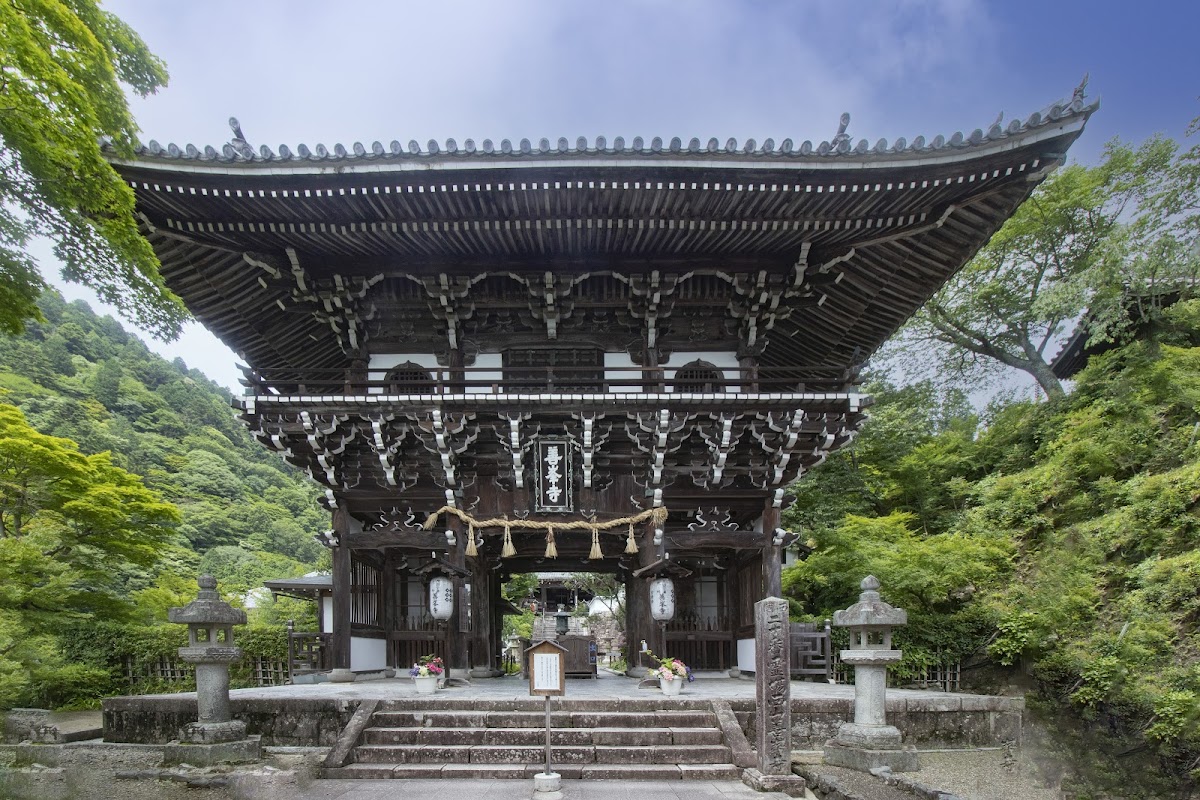
Located in Oharano Oshio-cho, Nishikyo-ku, Kyoto City, Juurinji Temple is an ancient Tendai sect temple where the Heian period poet Ariwara no Narihira is said to have spent his later years. Affectionately known as “Narihira-dera” or “Narihira-dera,” it’s a hidden gem of Kyoto, a tranquil space where the story of the love-struck poet harmonizes with beautiful nature. This article comprehensively introduces everything you need to know before visiting Juurinji Temple, from its history and highlights to its seasonal charms and access information.
What is Juurinji Temple? | Basic Information and Overview
Jurinji Temple is a Tendai sect temple nestled in the mountains of Oharano, Nishikyo-ku, Kyoto City. Its mountain name is Oshiozan, and its principal image is Enmei Jizo Bosatsu (Jizo Bodhisattva of Longevity). Known as the place where Ariwara no Narihira, one of the Six Poetic Geniuses of the early Heian period, spent his later years, it is also called “Narihira-dera.”
Basic Temple Data
- Official Name: Oshio-san Jūrin-ji Temple
- Sect: Tendai Buddhism
- Principal Image: Enmei Jizō Bosatsu (Jizo Bodhisattva of Longevity)
- Founded: 850 AD
- Founding Priest: Eiryo Oshō
- Address: 481 Oshio-cho, Ōharano, Nishikyō-ku, Kyoto City
- Other Names: Narihira-dera, Narihira-dera
The temple is located in a quiet mountainous area away from the center of Kyoto, giving visitors a sense of tranquility and historical weight.
History of Jūrin-ji Temple | From Founding to the Present
Origin of Founding and the Heian Period
There are several legends regarding the founding of Jūrin-ji Temple. According to the most widely accepted theory, the temple was founded in 850 (Kashō 3) by Empress Somedono (Fujiwara no Akiko), consort of Emperor Montoku, with Abbot Keiryō as its founding priest, for the purpose of praying for a safe delivery.
On the other hand, another tradition states that Kūkai, during his voyage to China, received a divine revelation of the appearance of Jizō Bodhisattva at sea, and upon his return in 815 (Kōnin 6), based on the teachings of the “Jizō Jūrin Kyō” (Jizō Ten-Wheel Sutra), he founded the temple by imperial decree as a place of prayer for the protection of the nation.
Deep Connection to Ariwara no Narihira
The reason Jūrin-ji Temple is also called “Narihira-dera” (Narihira Temple) is because Ariwara no Narihira, a representative poet of the Heian period, spent his later years in this area. Although Narihira was of noble lineage as a grandson of Emperor Heizei, he was politically disadvantaged and is considered the protagonist of “The Tales of Ise,” known for his many love affairs.
In his later years, Ariwara no Narihira secluded himself at this Jūrin-ji Temple, harboring feelings for Fujiwara no Takako (the mother of the later Emperor Seiwa). Within the temple grounds, the “Salt Kiln Site,” where Narihira is said to have burned salt and entrusted his feelings for Takako to the smoke, still remains, preserving the poignant story of his love.
The Ōnin War and the Edo Period Restoration
Jūrin-ji Temple, which had existed since the Heian period, suffered heavy losses during the Ōnin War, which began in 1467, with many of its buildings, including the main hall, being destroyed. After a long period of dilapidation, it was restored in the Edo period by Kazan’in Sadayoshi.
The current main hall and major buildings within the temple grounds were constructed after this Edo period restoration.
Connection to Honen Shōnin
Jūrin-ji Temple is also known as the third temple on the “Twenty-Five Sacred Sites of Honen Shōnin.” As a place associated with Honen Shonin, the founder of the Jodo sect, it is a sacred site visited by many pilgrims.
Highlights of Juurinji Temple | A Thorough Explanation of the Temple Grounds’ Charms
Main Hall and Enmei Jizo Bodhisattva
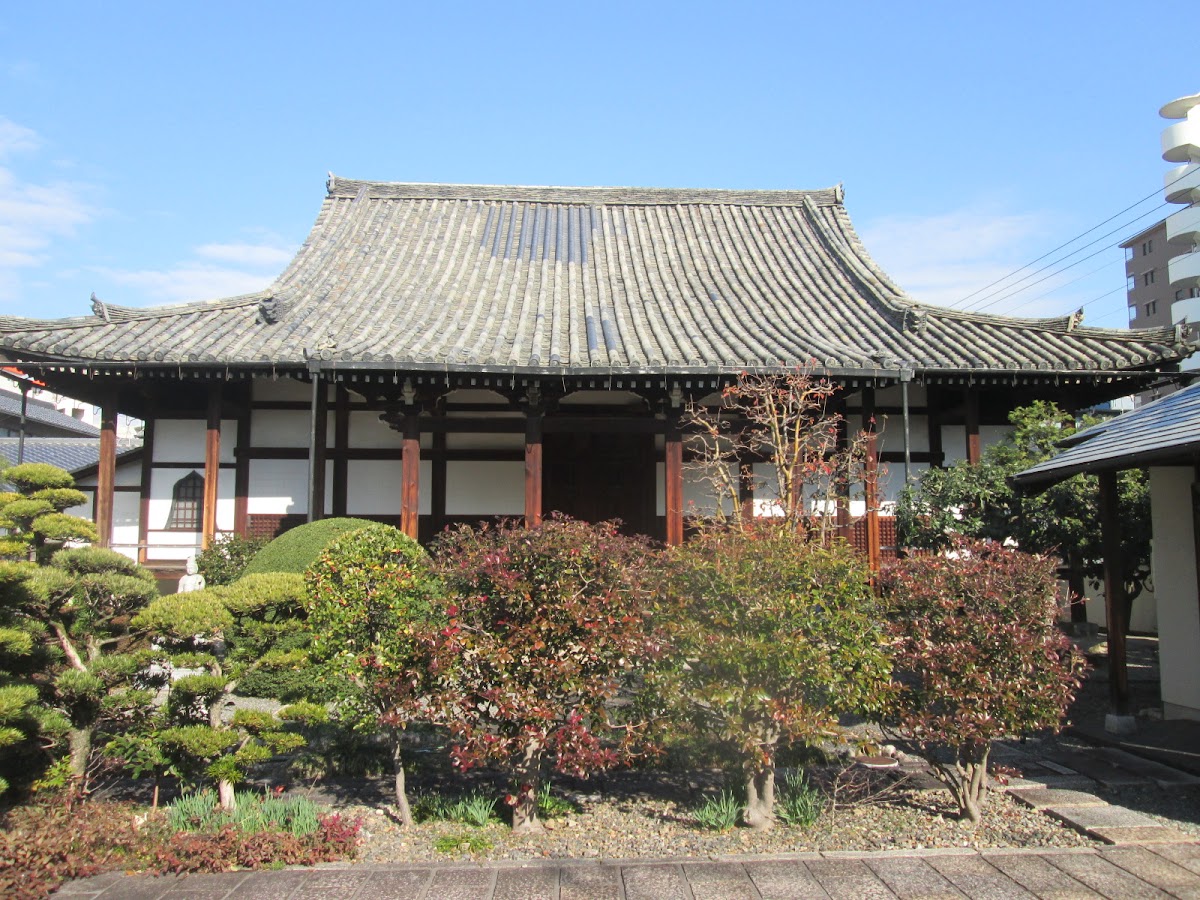
The main hall of Juurinji Temple houses the principal image, Enmei Jizo Bodhisattva. This Jizo Bodhisattva is believed to grant blessings for safe childbirth, child-rearing, and longevity, and many worshippers offer prayers here. The main hall was rebuilt during the Edo period and, while simple, exudes a solemn atmosphere.
Shiogama Ruins | The Love Story of Ariwara no Narihira
The most famous historical site on the temple grounds is the “Shiogama Ruins.” Legend says that Ariwara no Narihira, in order to convey his feelings for Fujiwara no Takako, tried to send the smoke from the salt-making fire to the imperial palace where Takako lived.
The 82nd section of the *Tales of Ise*, “The Palace on the Shore,” contains a poem by Ariwara no Narihira: “Perhaps I saw you because I slept thinking of you; if only I had known it was a dream, I would not have woken.” This poem is often associated with the scene of salt production. The remains of the salt kiln still exist today, allowing us to reflect on Narihira’s poignant love.
Grave of Ariwara no Narihira | Hōkyōintō Pagoda
Within the temple grounds is a Hōkyōintō pagoda believed to be the grave of Ariwara no Narihira. It is said that Narihira passed away in 880 (Genkei 4) at the age of 56 and was buried in this place. Although the Hōkyōintō pagoda was erected in later times, it remains a place where people who admire Narihira still visit to pay their respects.
Sanpō Fukan Garden | A Beautiful Borrowed Landscape Garden
The garden of Jūrin-ji Temple, “Sanpō Fukan Garden,” is a magnificent garden that uses the mountains of Higashiyama, Kitayama, and Nishiyama on three sides as borrowed scenery. “Fukan” means “to feel universally,” and by incorporating the scenery of the surrounding mountains into the garden, it expresses a sense of unity with nature.
Especially during the autumn foliage season, the trees in the garden change color, and combined with the borrowed scenery of the mountains, it presents a breathtaking beauty.
Tea Room “Hoshokaku”
Within the temple grounds is the tea room “Hoshokaku,” where you can experience the tea ceremony and listen to Buddhist sermons by reservation. Enjoying tea in this tranquil mountain temple is a luxurious moment that allows you to forget the hustle and bustle of everyday life.
Narihira Bamboo and the Nature of the Temple Grounds
Within the temple grounds is a bamboo grove called “Narihira Bamboo,” named after Ariwara no Narihira. The refreshing air of the bamboo grove and the sound of bamboo leaves rustling in the breeze soothe the hearts of visitors.
Jūrinji Temple in Every Season | Seasonal Charms
Spring | Cherry Blossoms and Fresh Greenery
Spring at Jūrinji Temple is a beautiful season with cherry blossoms and fresh greenery blooming throughout the temple grounds. The cherry blossoms, blooming in the quiet mountain environment, offer a tranquil atmosphere far removed from the hustle and bustle of the city. The best time to see them is from early to mid-April.
Summer | Green Maple Leaves and Cool Breezes
In summer, Jūrinji Temple creates a cool atmosphere with its lush green maple leaves and bamboo groves. It offers a coolness unique to a temple nestled in the mountains, making it a suitable place to visit to escape the hot Kyoto summer.
Autumn | A Stunning Spot for Autumn Foliage
Jūrinji Temple shines most beautifully during the autumn foliage season. From mid-November to early December, the maple leaves in the temple grounds turn a brilliant red, creating a breathtaking view in combination with the Sanpō Fukan Garden.
The autumn foliage, especially at dusk, is exceptional; the sight of the leaves glowing golden in the setting sun is truly breathtaking. It’s also appealing because it’s relatively less crowded than other famous autumn foliage spots in Kyoto, allowing you to enjoy the colors at your own pace.
Winter | Silence and Snowscapes
Winter at Jūrinji Temple is the quietest time of year. When it snows, the temple grounds are enveloped in a world of white, presenting a beauty reminiscent of an ink painting. Although the cold is severe, it’s a season to visit the temple in a calm and serene atmosphere unique to winter.
Annual Events and Activities
Jūrinji Temple holds various events throughout the year.
Main Annual Events
- Spring Special Viewing: Sometimes held to coincide with the cherry blossom season.
- Narihira Memorial Service: A memorial service is held around the anniversary of Ariwara no Narihira’s death (May 28th).
- Autumn Special Opening: Areas normally closed to the public may be opened to coincide with the autumn foliage season.
- New Year’s Eve Bell Ringing: Visitors can ring the temple bell on New Year’s Eve.
Please note that event details and dates may vary from year to year, so it is recommended to check official information before visiting.
Visiting Information | Visiting Hours, Fees, and Reservations
Visiting Hours
- Regular Season: 9:00 AM – 5:00 PM (Last entry 4:30 PM)
- Winter Season: Hours may change
Visiting Fees
- Adults: 400 yen
- Junior and Senior High School Students: 300 yen
- Elementary School Students: 200 yen
*Fees may change during special visiting periods
Reservations
Reservations are not required for regular visits, but are required in advance for the following:
- Tea ceremony experience in the tea room
- Attending a Dharma talk
- Group visits (10 or more people)
- Participation in special events
Reservations are accepted by phone or email.
Important Notes
- Photography is permitted within the temple grounds, but may be prohibited inside the main hall.
- Please refrain from loud conversations to maintain peace and quiet.
- Pets are not allowed.
- Smoking is permitted only in designated areas.
Access Information | How to get to Jūrinji Temple from Kyoto City
Jūrinji Temple is located in a mountainous area of Nishikyo Ward, Kyoto City. Therefore, the main mode of public transportation is the bus.
Access by Train and Bus
If using Hankyu Railway
- Get off at “Higashi-Muko Station” or “Rakusaiguchi Station” on the Hankyu Kyoto Line.
- Take a Hankyu Bus bound for “Minami-Kasugacho” or “Haigata”.
- Get off at the “Oshio” bus stop and walk for approximately 3 minutes.
If using JR
- Get off at “Mukomachi Station” on the JR Kyoto Line.
- Take a Hankyu Bus bound for “Minami-Kasugacho” or “Haigata”.
- Get off at the “Oshio” bus stop and walk for approximately 3 minutes.
Bus Frequency
Hankyu buses run infrequently, only about 1-2 times per hour, so it is recommended to check the timetable in advance. It is especially important to know the return bus schedule.
Access by Private Car
From Kyoto City
- From National Route 9, head west on Prefectural Route 79 (Oshioyama Line)
- Travel time: Approximately 40 minutes from Kyoto Station
From Osaka
- Approximately 30 minutes from the Meishin Expressway “Kyoto Minami IC”
- Or approximately 20 minutes from the Hanshin Expressway “Oyamazaki IC”
Parking Information
Jurinji Temple has a free parking lot for visitors (approximately 10 cars). However, it can become full during peak seasons such as autumn foliage season, so consider using public transportation.
Combining with Nearby Tourist Attractions
The following tourist attractions are located near Jūrinji Temple and are recommended for combined visits:
- Ōharano Shrine: Approximately 15 minutes on foot, an ancient shrine known as “Ōharano” in Kyoto
- Zenpōji Temple: Approximately 10 minutes by car, a famous spot for autumn foliage in Nishiyama
- Kōmyōji Temple: Approximately 15 minutes by car, famous for its autumn foliage
Connection to the Kyoto Loop Trail
Jūrinji Temple is close to the Nishiyama course of the “Kyoto Loop Trail,” making it a popular spot for hiking enthusiasts. You can combine a visit with a hike on the trail to fully enjoy nature.
Dining and Rest Spots near Jūrinji Temple
Due to the mountainous location around Jūrinji Temple, restaurants are limited. Please refer to the following options:
Nearby Restaurants
- Around Oharano: Several restaurants are within walking distance.
- Rakusai Area: Numerous restaurants are located around Rakusaiguchi Station, which you can reach by bus.
Recommended Ways to Spend Your Time
- Have lunch in Kyoto city before visiting.
- Bring a packed lunch and eat it in the surrounding nature (be sure to take your trash with you).
- Enjoy tea and sweets at the tea room (reservations required).
Recommended Model Course for Visiting Juurinji Temple
Half-Day Course (Afternoon)
13:00 Take a bus from Hankyu Higashi-Muko Station or Rakusaiguchi Station.
13:30 Arrive at Koshio bus stop, walk to Juurinji Temple.
13:40 Arrive at Juurinji Temple, visit the temple grounds (approx. 60 minutes).
14:40 Explore the surrounding area or visit Oharano Shrine.
16:00 Return to the bus stop. 16:30 Arrival at station
One-Day Course (Nishiyama Area Tour)
9:00 Departure from Kyoto Station
10:00 Visit to Zenpoji Temple (approx. 90 minutes)
12:00 Lunch
13:30 Visit to Juurinji Temple (approx. 60 minutes)
15:00 Visit to Oharano Shrine
16:30 Visit to Komyoji Temple (Autumn Foliage Season)
18:00 Return to Kyoto Station
Recommended for Autumn Foliage Season
During the autumn foliage season, the evening light is beautiful, so a late afternoon visit is recommended. Ideally, arrive around 3 PM and spend time leisurely until sunset.
Tips for Enjoying the Charms of Jūrinji Temple to the Fullest
Best Time to Visit
- For Enjoying Autumn Foliage: Mid-November to Early December
- For a Quiet Visit: Weekday mornings or during winter
- For Enjoying Fresh Greenery: Late April to May
Useful Items to Bring
- Comfortable walking shoes (the temple grounds have slopes and stone steps)
- Camera (especially during autumn foliage season)
- Warm clothing (colder in winter due to its mountainous location)
- Drinks (few vending machines nearby)
Photo Opportunities
- Salt Kiln Ruins: A historical spot evoking the story of Ariwara no Narihira
- Sanpō Fukan Garden: A combination of borrowed scenery and autumn foliage
- Main Hall and Autumn Foliage: Harmony between architecture and nature
- Bamboo Grove: A refreshing landscape of Narihira bamboo
Cultural Value of Jūrinji Temple and the Story of Ariwara no Narihira
Connection to *The Tales of Ise*
Ariwara no Narihira is considered the model for the protagonist “Otoko” (the man) in *The Tales of Ise*, and Jūrin-ji Temple is thought to be one of the settings in that story. Section 82 of *The Tales of Ise*, “Nagisa no In” (The Shore Palace), depicts the man burning salt, which is linked to the legend of the salt kiln at Jūrin-ji Temple.
Narihira as one of the Six Poetic Geniuses
Ariwara no Narihira is one of the “Six Poetic Geniuses” selected by Ki no Tsurayuki in the preface to the *Kokin Wakashū* (Collection of Ancient and Modern Japanese Poems). His poetic style, described as “overflowing with emotion but lacking in words,” is evident in his passionate and emotionally rich love poems.
One of his representative poems, “Even in the age of the gods, I have never heard of the Tatsuta River being dyed crimson,” is included in the *Kokin Wakashū* and later selected for the *Ogura Hyakunin Isshu* (One Hundred Poets, One Poem Each).
The Love Story of Fujiwara no Takako
The love story of Ariwara no Narihira and Fujiwara no Takako is one of the most representative love stories of the Heian period. Takako was a noblewoman who later became a consort of Emperor Seiwa and the mother of Emperor Yozei, but it is said that she and Narihira were lovers in their youth.
Their love, which could not be fulfilled due to their difference in social status, is passed down as a poignant legend: in his later years, Narihira tried to express his feelings for Takako by burning salt at Jūrin-ji Temple.
Jūrin-ji Temple and the History and Culture of Kyoto
Historical Background of the Ōharano Area
Ōharano, where Jūrin-ji Temple is located, was known as a villa area for aristocrats from the Heian period. Its quiet environment, far from the hustle and bustle of the capital, was ideal for seclusion and ascetic practice, and many temples and shrines were built there.
Connection to the Nishiyama Temple Group
Jūrinji Temple is one of the temples in the Nishiyama area, and together with Zenpōji Temple, Kōmyōji Temple, and Ōharano Shrine, it has shaped the religious culture of this region. Each temple and shrine possesses its own unique history and charm, while sharing the natural environment of Nishiyama.
As a Tendai Sect Temple
The Tendai sect is one of the major Buddhist sects in Japan, founded by Saichō. Jūrinji Temple, as a Tendai sect temple, has attracted the faith of local people, primarily through its devotion to Jizō Bodhisattva. The principal image, Enmei Jizō Bodhisattva, is believed to grant blessings for safe childbirth, child-rearing, and longevity, and many worshippers still visit the temple today.
Manners and Etiquette for Visiting Jūrinji Temple
Basic Manners for Visiting
- Bow before entering the temple gate.
- Pray quietly in the main hall.
- Maintain silence within the temple grounds.
- Be considerate of other visitors.
- Photography is permitted only in designated areas.
About Goshuin (Temple Seals)
You can receive Goshuin at Jūrinji Temple. Bring your Goshuincho (stamp book) and request one at the reception after praying in the main hall. Goshuin for the 25 sacred sites of Honen Shonin are also available.
Amulets and Souvenirs
Within the temple grounds, amulets related to Enmei Jizō Bodhisattva and souvenirs associated with Ariwara no Narihira are available. Amulets for safe childbirth and child-rearing are particularly popular.
The Charm of Jūrinji Temple | Summary
Jūrinji Temple is a hidden gem in Kyoto where the story of Ariwara no Narihira, a representative poet of the Heian period, harmonizes with beautiful nature. Located in a quiet mountain area away from the hustle and bustle of the city center, Jurinji Temple offers a chance to experience the beauty of the changing seasons and the weight of history.
The beauty of the autumn foliage is particularly exceptional, and the view from the Sanpo Fukan Garden will surely leave a lasting impression on visitors. While access is somewhat inconvenient, this very inconvenience contributes to the temple’s greatest charm: its tranquility and peaceful atmosphere.
When traveling to Kyoto, why not visit temples like this one, steeped in history and stories, in addition to the famous tourist spots? A leisurely stroll through the grounds, reflecting on the love of Ariwara no Narihira, will undoubtedly create an unforgettable memory.
Please visit Jurinji Temple to experience the profound charm of Kyoto.