Complete Guide to Kamibashira Shrine | 1000 Years of History, Benefits, and Access Information for Miyakonojo’s Guardian Shrine
What is Kamibashira Shrine?
Kamibashira Shrine is a prestigious shrine located in Maeda-cho, Miyakonojo City, Miyazaki Prefecture. Affectionately known locally as “O-Kamibashira-san” or “Kamibashira-san,” it boasts a nearly thousand-year history as a spiritual center for the people of Miyakonojo.
Formerly a prefectural shrine, it is currently designated as a special shrine by the Association of Shinto Shrines. A special shrine is a shrine of exceptional historical significance designated by the Association of Shinto Shrines, reflecting its importance as a religious and cultural center in Miyakonojo City.
A Symbol of Miyakonojo: A Large Torii Gate
The first thing visitors to Kamibashira Shrine see is its imposing torii gate. This gate is a landmark in Miyakonojo city and can be seen from afar. Stepping onto the shrine grounds, one is greeted by a tranquil space far removed from the hustle and bustle of the city, where the shrine buildings, imbued with a long history, welcome visitors.
History of Kamihashira Shrine
Origin of its Founding and Taira no Suemoto
The history of Kamihashira Shrine dates back to 1026 (Manju 3) in the mid-Heian period. It began when Taira no Suemoto, dispatched from Dazaifu to develop Shimazu Manor (the area of present-day Miyakonojo Basin), invited the Ise Grand Shrine to serve as the guardian deity of the area.
Taira no Suemoto held the official position of Dazaifu Daikan (Senior Administrator of Dazaifu) and was appointed as the development lord of Shimazu Manor. In governing Shimazu Manor as lord, he established a residence in Umekita Village (present-day Umekita-cho, Miyakonojo City) and founded Kamihashira Shrine as its guardian deity.
Legend of the Gateposts and the Origin of the Shrine’s Name
An interesting legend remains regarding the origin of the name Kamihashira Shrine. On January 20th, 1026 (Manju 3), Taira no Suemoto attempted to construct a gate for his residence and cut down gateposts from Mount Daikichi in Umekita Village. However, it is said that one of the pillars could not be moved even by 500 men, and it took 1000 men to finally pull it out.
Taira no Suemoto interpreted this miraculous event as a divine oracle from Amaterasu Omikami, and invited the divine spirit from Ise Grand Shrine, erecting a shrine in Masunuki, Umekita Village. It is believed that the shrine was named “Kamihashira-gu” (Divine Pillar Shrine) based on this anecdote surrounding the gateposts.
Role as the Guardian Shrine of Shimazu Manor
Since its founding, Kamihashira-gu has served as the guardian shrine of the entire Shimazu Manor, acting as a spiritual pillar for the region. Shimazu Manor later became known as the birthplace of the Shimazu clan of the Satsuma Domain, and Kamihashira-gu occupies an important position in its history.
From the medieval to the early modern period, it was revered by local lords and samurai, and worshipped as a shrine that watched over the development of agriculture and commerce.
Relocation in the Meiji Era
A major turning point in the history of Kamihashira Shrine was its relocation in 1873 (Meiji 6). Previously located in Masunuki, Umekita Village, Kamihashira Shrine was relocated to its current location in Maeda-cho, Miyakonojo City, as the principal guardian shrine of Miyakonojo Prefecture (the administrative division at the time).
This relocation placed Kamihashira Shrine in the heart of Miyakonojo, creating an environment where more people could easily visit and worship. For over 150 years since then, it has continued to attract the faith of local people at its current location.
Deities and Benefits
Main Deities
The main deities of Kamihashira Shrine are the following two:
Amaterasu Omikami
The supreme deity in Japanese mythology, and the sun goddess considered the ancestral deity of the Imperial family. Enshrined in the Inner Shrine of Ise Grand Shrine, she is revered as the tutelary deity of all Japanese people.
Toyouke-hime no Okami
A goddess who presides over food and grains, she is enshrined in the Outer Shrine of Ise Grand Shrine. She is worshipped as the guardian deity of industry and the god of clothing, food, and shelter.
Deities Enshrined in the Side Shrine
In addition to the main deity, the following five deities are enshrined in the side shrine:
- Amatsuhikohoninigi no Mikoto
The grandson of Amaterasu Omikami and the main character in the descent of the heavenly grandchild. As the first of the three generations of Hyuga, he is a deity with deep ties to Miyazaki Prefecture.
- Ame no Tajikarao no Mikoto
Known as a god of strength, he is the god who opened the rock door when Amaterasu Omikami hid in it.
- Amatsukoyane-no-Mikoto
A deity who presides over rituals and is considered the ancestral deity of the Nakatomi clan (Fujiwara clan).
- Yorozuhata-Toyoakitsuhime-no-Mikoto
Known as a deity who serves Amaterasu-Omikami.
- Ame-no-Futodama-no-Mikoto
A deity who presides over ritual implements and is considered the ancestral deity of the Imbe clan.
Benefits
Kamihashira Shrine is known for its diverse blessings, attracting worshippers with the following wishes:
- Family Safety: Protection of family health and peaceful living
- Good Fortune and Prosperity: Attracting good fortune and improving luck
- Business Prosperity: Success in business and business development
- Protection from Misfortune and Good Luck: Warding off disasters and leading to good fortune
- Healthy Living and Longevity: Protection for a long and healthy life
- Abundant Harvest: Prayers for a bountiful harvest
- Traffic Safety: Prayers for safe travels and accident-free journeys
Especially as a shrine established through the enshrinement of deities from Ise Grand Shrine, a wide range of blessings based on Ise faith can be expected.
Annual Events and Festivals
Kamihashira Shrine holds various festivals throughout the year. Local people deepen their connection with the gods through seasonal festivals.
Main Annual Festivals
Saitansai (January 1st)
The first festival held after the New Year. Prayers are offered for peace and prosperity throughout the year. The shrine grounds are bustling with worshippers making their first visit of the year.
Setsubunsai (around February 3rd)
Events such as bean-throwing are held, and prayers are offered for protection against evil and for good fortune.
Kinensai (February 17th)
An important festival held with the arrival of spring, praying for a bountiful harvest for the year.
Reitaisai (October)
The most important festival at Kamihashira Shrine, giving thanks for the autumn harvest and praying for the prosperity of the region. A portable shrine procession and offering ceremonies are held, attracting many worshippers.
Niinamesai (November 23rd)
A festival giving thanks for the harvest, where new grains are offered to the gods.
Great Purification Ceremony (June 30th & December 31st)
A Shinto ritual to cleanse away the sins and impurities accumulated over the past six months. The Great Purification Ceremony at the end of the year is particularly important for welcoming the new year with a refreshed spirit.
These ceremonies also play a role in preserving local traditions and strengthening community bonds.
Life Rituals and Prayers
Celebrating Life’s Milestones
At Kamihashira Shrine, various rituals are performed for important milestones in life:
First Shrine Visit
A baby’s first visit to the shrine is to pray for their healthy growth. This is typically done on the 31st day after birth for boys and the 33rd day for girls.
Seven-Five-Three Ceremony
This ceremony celebrates the growth of children at ages 3, 5, and 7, and prays for their future health and happiness. Many families visit around November 15th.
Prayer for Protection from Misfortune
We pray for protection from misfortune and good fortune for those entering their unlucky year. Kamihashira Shrine provides an unlucky year chart so you can check your own unlucky year.
Prayer for Safe Childbirth
On the Day of the Dog in the fifth month of pregnancy, we pray for the health of mother and child and a safe delivery.
Prayer for Success in Exams
We pray for academic success and passing of exams for students.
Wedding Ceremonies
Traditional Shinto wedding ceremonies are also held, celebrating the beginning of a new life in a solemn atmosphere.
On-site Ceremonies
Kamihashira Shrine accepts various on-site ceremonies, including construction-related ceremonies such as ground-breaking ceremonies, ridgepole-raising ceremonies, and completion ceremonies, as well as Shinto altar ceremonies and well-filling ceremonies. A Shinto priest will travel to the site to perform the ceremony according to the request of companies and individuals.
Services for Schools and Corporations
We also provide ceremonies such as safety prayer ceremonies and founding anniversary ceremonies for schools, companies, and other corporations. The involvement of Shinto priests from Kamihashira Shrine in local school events and corporate milestones deepens ties with the community.
Amulets and Fortune Slips
Good Fortune Amulets
Kamihashira Shrine offers various types of amulets:
- Traffic Safety Amulet: Protects the safety of cars and bicycles
- Academic Success Amulet: Prayers for academic improvement and passing exams
- Health Amulet: Prayers for recovery from illness and maintaining good health
- Exorcism Amulet: Protects against misfortune
- Business Prosperity Amulet: Prayers for business success
- Safe Childbirth Amulet: Prayers for the safety of mother and child and safe childbirth
- Matchmaking Amulet: Prayers for finding a good partner
Each amulet is imbued with the divine virtues of Kamihashira Shrine, and it is believed that wearing them in daily life will bring protection.
Good Fortune Slips
Kamihashira Shrine’s fortune slips not only predict good or bad fortune, but also contain words that serve as guidance for life. There are various fortunes, from great luck to bad luck, but regardless of the result, it is important to keep the lesson written on it in mind.
You can take the fortune slip home with you, or you can tie it to the designated place on the shrine grounds. There is a custom of leaving bad luck at the shrine by tying it, and taking good luck home to cherish.
Access Information
Basic Information
Address
1417-1 Maeda-cho, Miyakonojo City, Miyazaki Prefecture 885-0034
Phone Number
0986-23-2251
Visiting Hours
Prayer Reception: 9:00 AM – 4:30 PM
Shrine Grounds Visiting: Sunrise to Sunset (Sometimes open 24 hours, but nighttime visits are discouraged)
Access by Public Transportation
From JR Miyakonojo Station
- On Foot: Approximately 15 minutes
Exit the station and go straight northwest. After leaving the city center of Miyakonojo, you will see the large torii gate.
- By Taxi: Approximately 5 minutes
Take a taxi from the taxi stand in front of the station. The fare will be around the minimum fare.
- By Bus: Get off at the “Kamihashira-gu-mae” bus stop on the Miyazaki Kotsu bus line.
Access by Car
From the Miyazaki Expressway
- Approximately 15 minutes from the Miyakonojo IC
After exiting the IC, head towards National Route 10. Proceed towards the city center and follow the signs to reach Kamihashira-gu Shrine.
Parking
Kamihashira-gu Shrine has a parking lot for visitors. While it usually has ample space, it can become full during peak times such as the first three days of the New Year and the annual festival. In such cases, we recommend using nearby paid parking lots or public transportation.
Universal Tourism Information
Kamihashira-gu Shrine is committed to creating an environment that is easily accessible for the elderly and people with disabilities. The path from the parking lot to the shrine is relatively flat, making it accessible for wheelchair users. However, there are some steps, so assistance may be needed.
Detailed accessibility information can be found on Miyazaki Prefecture’s Accessibility Information Map. Contacting the shrine in advance will ensure a smoother visit.
Miyakonojo City and Kamihashira Shrine
Spiritual Pillar of the Region
Kamihashira Shrine has existed as a spiritual pillar of the Miyakonojo region for nearly 1000 years. Miyakonojo City is located in the southwestern part of Miyazaki Prefecture and is the second largest city in the prefecture with a population of approximately 160,000. Agriculture and livestock farming are thriving, and it boasts one of the top production rates in Japan for beef cattle.
Behind this regional development lies the history of Kamihashira Shrine always existing as the guardian deity of the region and a source of spiritual support for the people.
Connection to Local Events
Kamihashira Shrine is deeply involved in various local events. It also plays a role in conveying local history and culture to children as a destination for school field trips and social studies excursions. Furthermore, it is used as a place for local businesses to pray for safety and success, holding an important position in the business world.
Attractions as a Tourist Spot
In recent years, it has become a popular tourist destination as a historical shrine. More and more people are including a visit to Kamihashira Shrine in their sightseeing itinerary when visiting Miyakonojo City. Passing through the large torii gate and strolling through the tranquil grounds allows you to experience Miyakonojo’s history and culture firsthand.
Miyakonojo City has many other attractions, such as Sekinoo Falls and the Miyakonojo Shimazu Residence, and visiting them together with Kamihashira Shrine will allow you to enjoy a more fulfilling Miyakonojo sightseeing experience.
Manners and Etiquette for Visiting a Shrine
Basic Etiquette for Visiting a Shrine
There are basic manners to observe when visiting a shrine. When visiting Kamihashira Shrine, please observe the following manners:
How to Pass Through the Torii Gate
The torii gate is the entrance to the sacred area. Bow before passing through. The center of the path is considered the path of the gods, so it is polite to walk along the side.
Ritual for Washing Hands
- Take the ladle with your right hand and wash your left hand.
- Switch the ladle to your left hand and wash your right hand.
- Switch the ladle back to your right hand, receive water in your left hand, and rinse your mouth.
- Wash your left hand again.
- Hold the ladle upright, wash the handle, and return it to its original place.
Ritual for Worship (Two Bows, Two Claps, One Bow)
- Place your offering in the offering box.
- Ring the bell if there is one.
- Bow deeply twice.
- Clasp your hands twice at chest height.
- Pray with your hands clasped together.
- Finally, bow deeply once.
Regarding Attire
No special attire is required for a normal visit, but clean and subdued clothing is preferred. If you plan to receive prayers, please dress somewhat formally.
Highlights of Kamihashira Shrine
Shrine Architecture
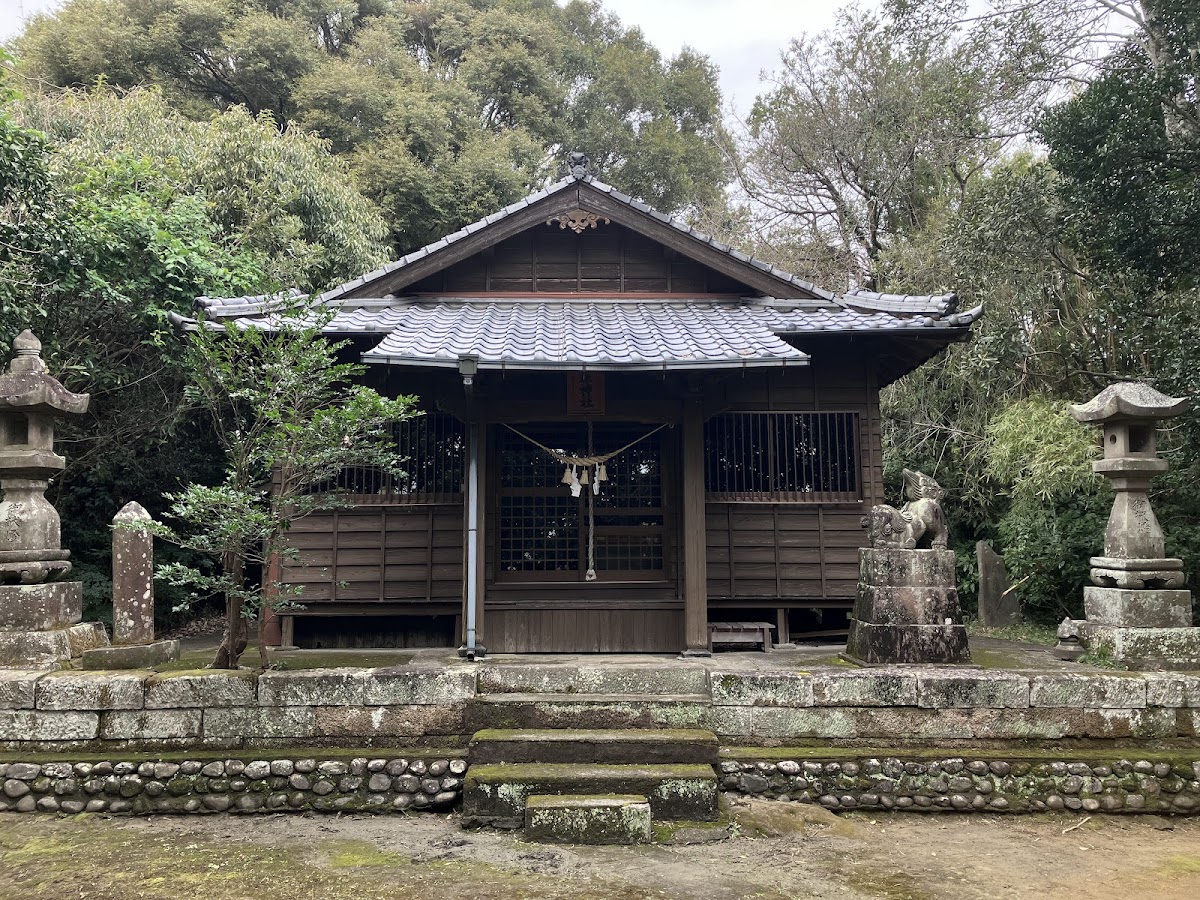
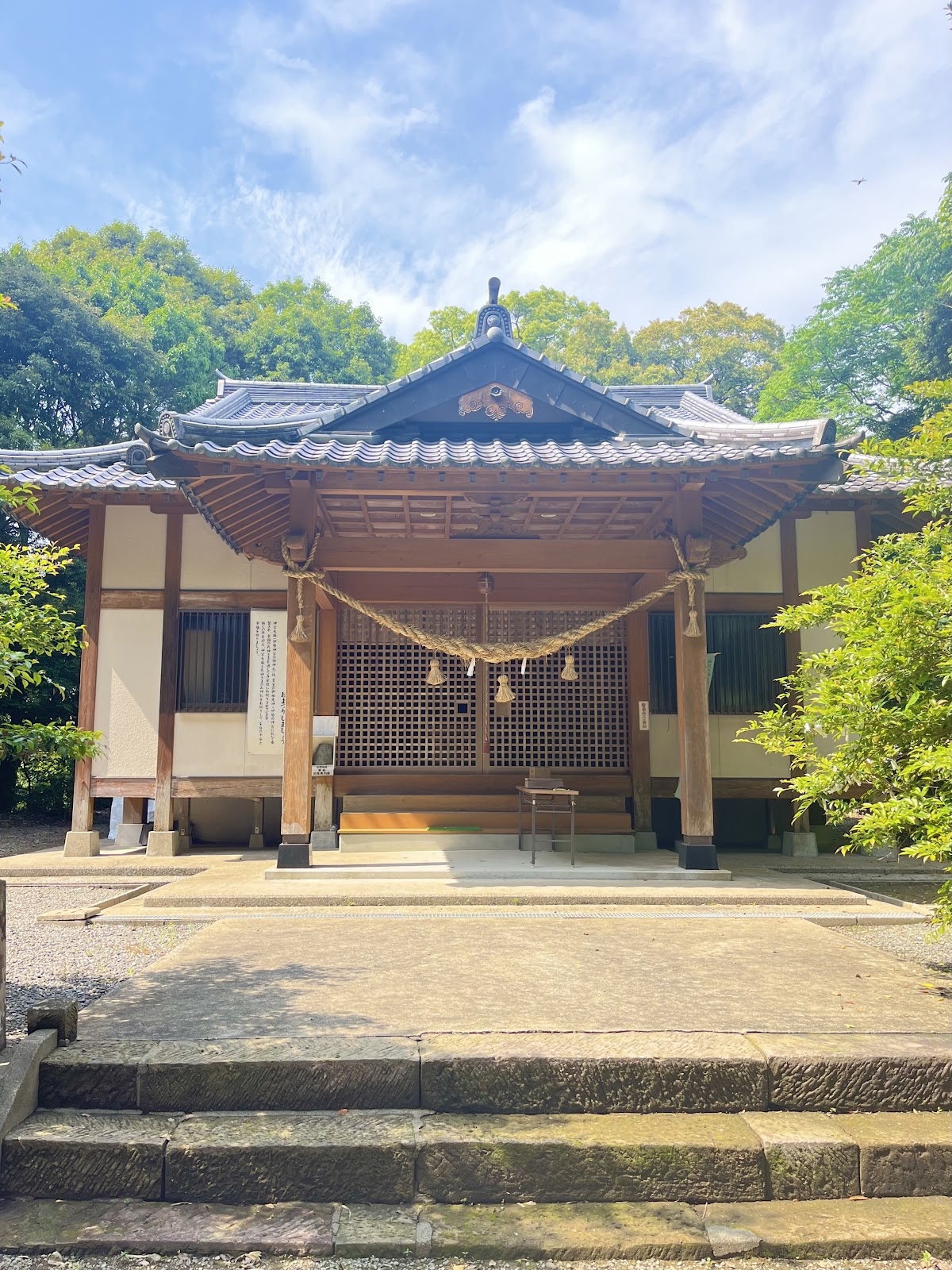
The shrine buildings of Kamihashira Shrine are beautiful structures that preserve traditional shrine architecture. Both the main hall and the worship hall are meticulously maintained, inspiring a sense of solemnity in visitors.
Atmosphere of the Shrine Grounds
Despite being located in the city center of Miyakonojo, the shrine grounds are enveloped in a tranquil and peaceful atmosphere. Surrounded by trees, the space offers a healing respite from the hustle and bustle of everyday life.
Seasonal Scenery
You can enjoy the beautiful scenery of each season: cherry blossoms in spring, fresh greenery in summer, autumn leaves in fall, and crisp winter air. Especially during the New Year’s visit period, the shrine is bustling with many worshippers, creating a lively atmosphere.
Summary
Kamihashira Shrine is a historical shrine that has attracted the faith of people as the guardian shrine of the Miyakonojo region for approximately 1000 years since its founding in 1026. Founded by Taira no Suemoto, its name is based on a legend of the gateposts, it has a rich history of being established through the invitation of deities from Ise Grand Shrine, and has undergone historical changes such as relocation during the Meiji era. Even today, it plays a vital role as a spiritual pillar of the community.
With Amaterasu Omikami and Toyouke-hime Omikami as its main deities, Kamihashira Shrine is known for its wide range of blessings, including family safety, business prosperity, and protection from evil and bringing good fortune. It is also a popular venue for various rituals at important life events. The festivals held throughout the year play a role in preserving local traditions and strengthening community bonds.
Located approximately 15 minutes on foot from JR Miyakonojo Station and about 15 minutes by car from the Miyakonojo Interchange, it is easily accessible for both locals and tourists visiting Miyakonojo. Why not visit Kamihashira Shrine, marked by its large torii gate, and experience Miyakonojo’s history and culture while offering a peaceful prayer?
As a place of faith deeply rooted in the community and a cultural asset that conveys history to the present day, Kamihashira Shrine will continue to walk alongside the people of Miyakonojo for many years to come.