Complete Guide to Kanasana Shrine | The History and Highlights of Musashi Province’s Second-Ranked Shrine Without a Main Hall
Kanasana Shrine, located in Kamikawa-machi, Kodama-gun, Saitama Prefecture, is a venerable shrine that has long been revered as the second-ranked shrine of Musashi Province. It retains a form of primitive worship, with Mount Omuro (Omurogatake) behind the shrine being worshipped as the sacred mountain, and is known for its extremely rare shrine structure without a main hall.
About Kanasana Shrine
Kanasana Shrine is an ancient shrine listed in the Engishiki Jinmyocho (a list of shrines compiled in the Heian period) as a Shikinaisha (a major shrine listed in the Engishiki), and has been counted among the fifth or second-ranked shrines of Musashi Province. Its former rank was Kanpei Chusha (a medium-ranked government-supported shrine), and it is currently designated as a Beppyo Jinja (a special shrine) by the Association of Shinto Shrines.
There are several theories regarding the origin of the shrine’s name, “Kanasana.” Some suggest it stems from ancient beliefs related to metals and minerals, while others propose it’s a corruption of “Kannabi,” meaning a sacred mountain.
Deities and Founding History
The deities enshrined at Kanasana Shrine are Amaterasu Omikami, Susanoo-no-Mikoto, and Yamato Takeru-no-Mikoto.
According to shrine tradition, it was founded in the second year of Emperor Kinmei’s reign (541 AD). There is also a legend that Yamato Takeru-no-Mikoto visited this area during his eastern expedition and founded the shrine after being moved by the spiritual power of Mount Omuro. It is a shrine with a history of being revered as a sacred site of mountain worship since ancient times.
A Primitive Form of Worship Without a Main Hall
The most distinctive feature of Kanasana Shrine is its structure, which lacks a main hall behind the worship hall. This is a form of sacred mountain worship, where Mount Omuro (Omurogatake) itself is worshipped as the deity, and it is a valuable example that conveys the form of Japan’s primitive faith to the present day.
What is Sacred Mountain Worship?
Sacred mountain worship is a form of faith that regards the mountain itself as sacred and worships it as a place where gods reside. In ancient Japan, before the construction of shrine buildings, it was common to directly worship natural objects such as mountains, rocks, and large trees.
Similar to Kanasana Shrine, Omiwa Shrine in Nara Prefecture is famous as a shrine without a main hall. Omiwa Shrine worships Mount Miwa as its deity, and Suwa Grand Shrine in Nagano Prefecture also worships Mount Moriya as its sacred mountain. Kanasana Shrine is one of the few shrines that has continued to preserve this form of ancient faith to the present day.
About Mount Omuro (Omurogatake)
Mount Omuro is a mountain with an elevation of approximately 343 meters, towering behind Kanasana Shrine. The entire mountain is considered sacred ground and has been a place of worship since ancient times. Near the summit are massive rocks called Iwakura, believed to be the descent of deities.
Even today, a pilgrimage path from the shrine grounds to Mount Omuro is maintained, allowing visitors to follow this pilgrimage route. The mountain is filled with pure air, making it a precious place to experience the atmosphere of a primeval forest.
National Important Cultural Property: Tahōtō Pagoda
The most striking structure within the grounds of Kanasana Shrine is the beautifully vermilion-painted Tahōtō pagoda. This pagoda is designated a National Important Cultural Property and is known as a rare example of a shrine building with a Buddhist architectural style.
History and Characteristics of the Tahōtō Pagoda
The Tahōtō pagoda was built in 1534 (Tenbun 3) by Abo Danjō Zenryū, a warrior of the Kodama clan, one of the seven clans of Musashi Province, to pray for the happiness of his descendants.
The architectural style is three bays by four bays, with a cypress bark roof, and a height of approximately 14 meters. Its striking appearance, entirely painted in vermilion, is a distinctive feature. As a valuable cultural asset that conveys the architectural techniques of the late Muromachi period, it was designated a National Important Cultural Property in 1953.
While a multi-storied pagoda (tahoto) is originally a pagoda built in Buddhist temples, during the Edo period, when Shinto and Buddhism were syncretized, it was not uncommon for Buddhist architecture to be built within shrine grounds. The multi-storied pagoda at Kanasana Shrine is a valuable relic that conveys the form of faith from that era.
The multi-storied pagoda, standing beside the approach to the shrine, is a particularly popular photo spot within the shrine grounds. The vermilion pagoda, contrasting beautifully with the green trees, creates a stunning landscape throughout the seasons.
Nationally Designated Special Natural Monument: Kagami-iwa (Mirror Rock)
On the slopes of Mount Ontake (Mount Omuro), there is a massive rock face called “Kagami-iwa” (Mirror Rock), which is designated a National Special Natural Monument.
Geological Value of Kagami-iwa Rock
Kagami-iwa Rock is a large outcrop of crystalline schist belonging to the Sanbagawa metamorphic belt, a massive rock face approximately 30 meters high and 100 meters wide. It was named “Kagami-iwa” (Mirror Rock) because its surface is smooth and lustrous like a mirror.
This rock face is a geological heritage site of great importance for understanding the formation process of the Japanese archipelago, as it was formed from rocks that underwent high-temperature and high-pressure metamorphism deep underground and emerged to the surface over a long period of time. It was designated a Special Natural Monument of Japan in 1957.
Kagami-iwa Rock as an Object of Worship
Beyond its geological value, Kagami-iwa Rock has also been revered as an object of worship since ancient times. Its mystical appearance has led to its reverence as a sacred rock where gods reside, forming the core of the sacred mountain worship at Kanasana Shrine.
Even today, a pilgrimage route to Kagami-iwa Rock is maintained, allowing visitors to combine a visit with a hike. However, some parts of the mountain path are steep, so appropriate equipment and physical fitness are necessary. ## Highlights of the Shrine Grounds
Besides the multi-storied pagoda and the mirror rock, there are many other points of interest within the grounds of Kanasana Shrine.
Worship Hall and Main Shrine
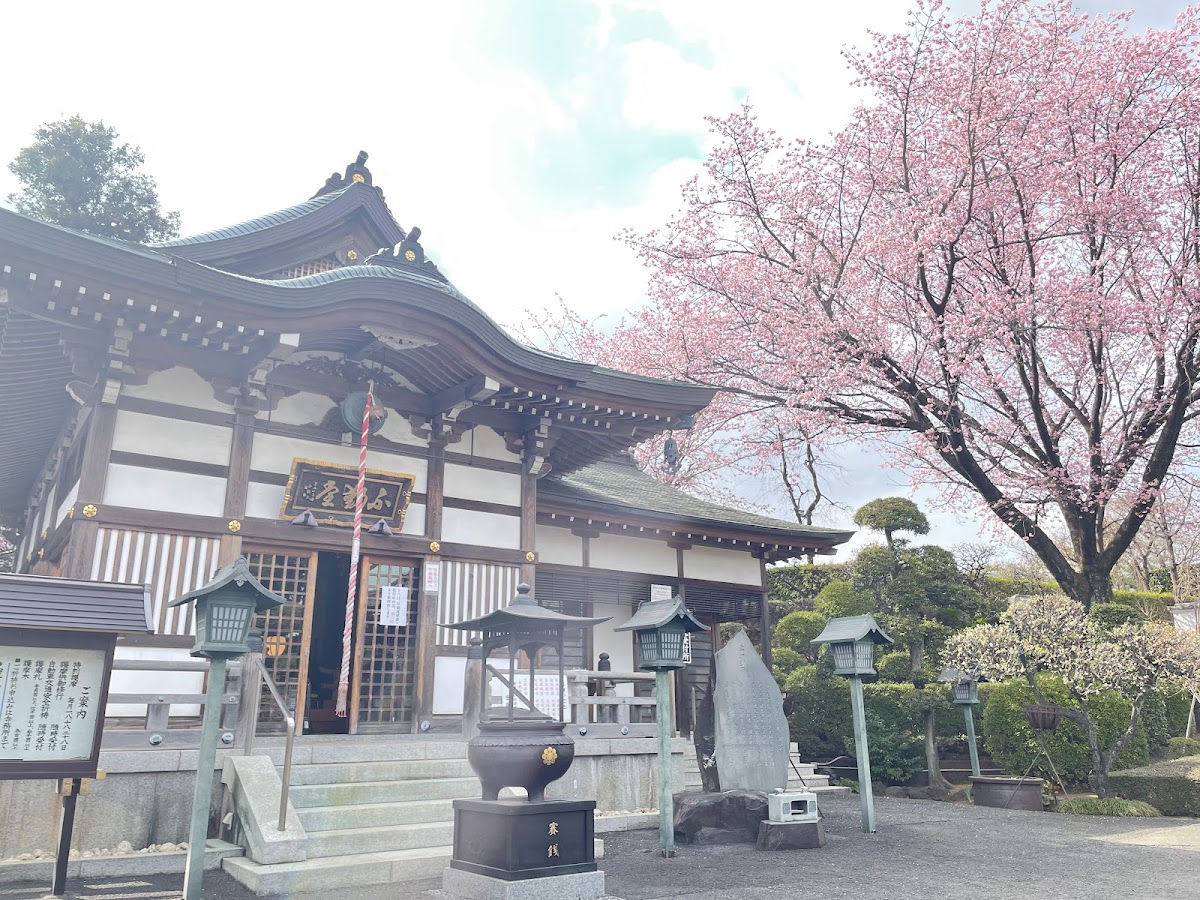
The current worship hall was rebuilt during the Edo period and has a unique structure without a main sanctuary. Looking beyond the worship hall, one can directly admire the shape of Mount Omuro, experiencing firsthand the form of sacred mountain worship.
The worship hall’s architectural style is a hip-and-gable roof, characterized by its imposing construction. The entire shrine is enveloped in a tranquil atmosphere, evoking a deep sense of spirituality in visitors.
Approach and Torii Gate
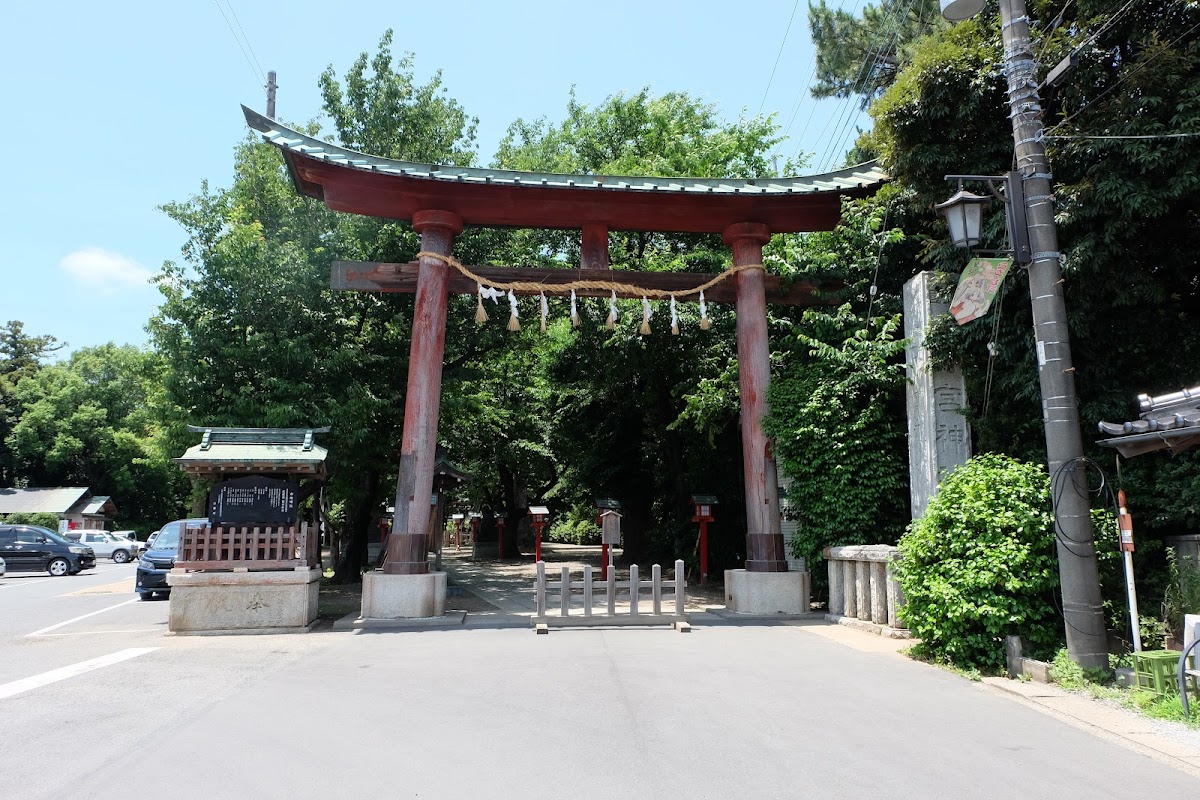
The approach to Kanasana Shrine is a charming path surrounded by abundant nature. Passing through the entrance torii gate, large cedar and cypress trees line both sides, inviting you into the sacred area.
As you proceed along the approach, stone steps continue, with a purification fountain and subsidiary shrines located along the way. The approach to the shrine, which shows a different face with each season, offers new discoveries with every visit.
Kagura Hall and Shrine Office
The shrine grounds also include a Kagura Hall, where Kagura (sacred dance and music) are performed during festivals. The shrine office handles the issuance of Goshuin (shrine stamps) and the acceptance of various prayer requests.
In addition to the regular Goshuin, seasonal special Goshuin are sometimes issued, making it popular among Goshuin collectors.
The Musashi Seven Clans and Kanasana Shrine
Kanasana Shrine, as the tutelary shrine of the Kodama clan, one of the Musashi Seven Clans, was particularly revered from the medieval period onward.
The Kodama clan and the Anbo clan
The Kodama clan was a samurai group based in Kodama County, Musashi Province, and was active from the late Heian period to the Sengoku period. The Anbo clan, a branch of the Kodama clan, revered Kanasana Shrine for generations and made significant contributions to the shrine’s development, including the construction of the aforementioned pagoda.
Reverence of the Honjo Castle Lords
From the medieval to the early modern period, successive lords of Honjo Castle held Kanasana Shrine in high esteem. During the Sengoku period (Warring States period), it was revered as the guardian shrine of the Honjo domain and became a place where warlords prayed for victory.
Thanks to this patronage of the samurai class, Kanasana Shrine underwent improvements to its buildings and enhanced festivals, laying the foundation for its present state.
Annual Events and Festivals
Kanasana Shrine holds various festivals and religious ceremonies throughout the year.
Grand Festival
The Grand Festival, held every October, is the most important festival at Kanasana Shrine. It features a procession of portable shrines, dedication of Kagura (sacred dance and music), and various events by parishioners, attracting many worshippers.
New Year’s Visit and Rituals
Many worshippers visit the shrine for their first shrine visit of the New Year. New Year’s rituals, including the New Year’s Day Festival, are solemnly performed to pray for peace throughout the year.
Other Annual Events
Seasonal rituals such as the Spring Prayer Festival, the Summer Purification Ceremony, and the Autumn Harvest Festival are also held. Monthly festivals are also regularly held, and the shrine functions as a center of local faith.
Access and Visiting Information
Location and Basic Information
Address: 751 Ninomiya, Kamikawa-machi, Kodama-gun, Saitama Prefecture
Phone: 0495-77-4537 (Shrine Office)
Visiting Hours: Grounds are freely accessible (Shrine Office: 9:00 AM – 4:00 PM)
Admission Fee: Free
Access by Train
From JR Takasaki Line “Honjo Station,” take the Asahi Bus bound for “Kamizumi General Branch Office,” get off at the “Kanasana Shrine Entrance” bus stop, and walk for approximately 15 minutes.
It is also about a 20-minute taxi ride from Chichibu Railway’s “Ohanabatake Station”.
Access by Car
Approximately 15 minutes from the Kan-Etsu Expressway’s “Honjo-Kodama IC”. There is a free parking lot on the shrine grounds, accommodating approximately 30 regular-sized cars.
For visits by large bus, prior contact with the shrine office is recommended.
Precautions During Visits
The shrine grounds are a sacred place, so please observe proper etiquette. Especially when taking photos near the pagoda and main shrine buildings, please be considerate of other visitors.
If you wish to climb Mount Omuro, please prepare appropriate clothing and equipment and take sufficient safety precautions. Especially during rainy weather and winter, the ground can be slippery, so avoid attempting a strenuous climb.
Nearby Tourist Attractions
There are many other attractive tourist spots scattered around Kanasana Shrine.
Nature and Historical Sites of Kamikawa Town
Kamikawa Town is blessed with abundant nature, allowing visitors to enjoy the scenery of each season. Especially during the autumn foliage season, the mountains surrounding Kanasana Shrine are beautifully colored.
The town also has other historical sites such as ancient burial mounds and castle ruins, making it a popular destination for historical exploration.
Nearby Hot Springs
After visiting the shrine, you can relax at nearby hot springs. There are several hot springs in and around Kamikawa Town that offer day-trip bathing, making it a great option to combine with sightseeing.
Local Specialties and Cuisine
Kamikawa Town is a thriving agricultural area, known for its fresh vegetables and fruits. There are also restaurants serving dishes made with local ingredients, allowing you to enjoy the flavors of the region.
Cultural Assets and Academic Value of Kanasana Shrine
Kanasana Shrine houses not only buildings and natural heritage sites, but also various cultural assets.
Ancient Documents and Records
The shrine preserves ancient documents and building plaques from the medieval to early modern periods, which are important historical materials for regional history research. These records provide insights into the shrine’s history and its relationship with the local community. ### Archaeological Discoveries
Ancient ritual artifacts and pottery fragments have been discovered within and around the shrine grounds, confirming that this area has been a place of worship since ancient times.
Folkloric Significance
The worship of a sacred mountain and the shrine’s architectural style without a main hall are considered important examples in the study of Japanese religious and cultural history and folklore. Kanasana Shrine is a valuable subject of study for understanding the Japanese view of nature and their beliefs.
The Present and Future of Kanasana Shrine
Kanasana Shrine continues to be a central place of worship in the region, currently designated as a special shrine by the Association of Shinto Shrines.
Cultural Property Protection Efforts
Continuous efforts are made to protect the cultural properties and natural environment within the shrine grounds, including the important cultural property, the Tahoto pagoda, and the special natural monument, Kagami-iwa (Mirror Rock). Regular repairs and environmental maintenance are carried out to pass on this valuable heritage to future generations.
Collaboration with the Local Community
Through collaboration with Kamikawa Town and local residents, the shrine is carrying out the continuation of festivals and maintaining its grounds. Preserving the region’s traditional culture and passing it on to future generations is an important role of the shrine.
Utilization as a Tourism Resource
In recent years, with the increase in tourists interested in history and culture, Kanasana Shrine has gained attention as an important tourist spot in northern Saitama Prefecture. However, balancing tourism with the tranquility of a place of worship remains a challenge, and efforts are being made to maintain an appropriate balance.
Summary
Kanasana Shrine is a valuable shrine that preserves the form of primitive worship without a main hall. It has long been revered as the second-ranked shrine of Musashi Province and is a historically significant shrine with high ranks, including being a Shikinaisha (Myojin Taisha) and a former Kanpei Chusha (a medium-ranking government-supported shrine).
There are many points of interest, including the Tahoto pagoda, designated as a National Important Cultural Property, the Kagami-iwa rock, a Special Natural Monument, and the sacred mountain, Omuro-yama (Omurogatake). Surrounded by abundant nature, the shrine grounds are filled with a tranquil and solemn atmosphere throughout the seasons, evoking a profound sense of spirituality in visitors.
As a sacred site of mountain worship that has continued since ancient times, and as a place that conveys the history and culture of the region to the present day, Kanasana Shrine remains a special place for many people. It is one shrine that you should definitely visit when you come to Saitama Prefecture.
Through worship, you can have a valuable experience of touching upon the form of Japan’s primitive beliefs and reflecting on the relationship between nature and humanity. Kanasana Shrine is a place that reminds us, living in the modern age, of the reverence for nature that the Japanese people have cherished since ancient times.