Washinomiya Shrine Complete Guide | History, Goshuin (Shrine Seals), and Access Information for Kanto’s Oldest Grand Shrine
Located in Kuki City, Saitama Prefecture, Washinomiya Shrine is known as “Kanto’s oldest grand shrine” and is a venerable shrine that has attracted the faith of samurai and common people since ancient times. It is also famous as the head shrine of the Otori-sama festival, and worshippers from all over Japan visit to pray for business prosperity and good fortune. This article comprehensively introduces information you should know before visiting Washinomiya Shrine, including its history, enshrined deities, cultural properties, annual events, and visiting information.
What is Washinomiya Shrine?
Washinomiya Shrine is a shrine located in Washinomiya 1-chome, Kuki City, Saitama Prefecture, and is considered one of the oldest grand shrines in the Kanto region. Its founding is said to date back to the age of the gods, and there is a legend that it was founded in conjunction with the eastward migration of the Izumo clan.
Currently, Washinomiya Shrine is not only the local guardian shrine but also a center of faith, attracting worshippers from all over the Kanto region. It is particularly known as the “head shrine of Otori-sama” and is renowned for its divine blessings of business prosperity, good fortune, and family safety.
Location and Basic Information
- Address: 1-6-1 Washinomiya, Kuki City, Saitama Prefecture 340-0217
- Phone: 0480-58-0434
- FAX: 0480-59-2021
- Visiting Hours: Grounds are freely accessible (Shrine office is generally open from 9:00 to 17:00)
- Parking: Available (Free)
History and Origins of Washinomiya Shrine
Founding Legends from the Age of the Gods
The origins of Washinomiya Shrine are extremely ancient, said to date back to the age of the gods. It is believed that when the Haji clan of the Izumo tribe migrated to this area to develop the eastern provinces, they enshrined Amenohohi-no-Mikoto here, marking the beginning of the shrine.
The Izumo clan was an ancient, powerful clan centered around Ōkuninushi-no-Mikoto (Ōnamuchi-no-Mikoto). A branch of this clan expanded into the Kanto region, making significant contributions to the development of the area and its culture. Washinomiya Shrine was founded as the center of faith for the Izumo clan and has been a place of worship for over two thousand years.
Reverence of Warlords in the Medieval Period
The historical chronicle “Azuma Kagami,” compiled during the Kamakura period, frequently mentions Washinomiya Shrine. This is important evidence that Washinomiya Shrine was deeply revered by the samurai class of the time.
Warlords of the Kamakura Shogunate, including Minamoto no Yoritomo, visited Washinomiya Shrine to pray for military success, donated land to the shrine, and constructed shrine buildings. The Hōjō clan, including Hōjō Tokiyori, also revered Washinomiya Shrine for generations and protected it as an important center of faith in the Kanto region.
From the Muromachi period to the Sengoku period, warlords of the Kanto region visited Washinomiya Shrine to pray for victory in battle, continuing to make offerings and donations. This reverence from the samurai class elevated the shrine’s status and contributed to its establishment as the oldest major shrine in the Kanto region.
Development after the Edo Period
During the Edo period, Washinomiya Shrine began to attract the faith of not only samurai but also commoners. In particular, it became widely known as “Otori-sama,” a deity of business prosperity, leading to an increase in visits from merchants and artisans.
The “Washinomiya Saibara Kagura,” considered to have formed the basis of Edo’s folk kagura, greatly developed during this period and influenced kagura throughout the Kanto region. Even today, this kagura is preserved as a nationally important intangible folk cultural property.
After the Meiji-era separation of Shinto and Buddhism, Washinomiya Shrine has continued to function as a center of local faith in the modern era. Currently, it attracts a large number of visitors for Hatsumode (first shrine visit of the New Year), making it one of the most popular shrines in Saitama Prefecture.
Deities Enshrined
Washinomiya Shrine enshrines three main deities, and also enshrines nine other deities.
Main Deities
Ame-no-hohi-no-mikoto
This deity is considered the second child of Amaterasu-ōmikami and is known as the ancestral deity of the Izumo no Kuni no Miyatsuko (provincial governor). He is revered as a god of sincerity and loyalty, and is believed to bestow divine virtues upon the development of the land and industry.
Take-hinatori-no-mikoto
This deity is a child of Ame-no-hohi-no-mikoto and is considered the god who led the Izumo clan’s development of the eastern provinces. He is said to have first descended to the land of Washinomiya and is enshrined as a god who contributed to the development and progress of this region.
Ōnamuchi-no-mikoto
Another name for Ōkuninushi-no-mikoto, he is widely known as the god of nation-building. This deity possesses a wide range of divine virtues, including matchmaking, business prosperity, and abundant harvests, and is also the principal deity of Izumo Taisha Shrine. This deity symbolizes Washinomiya Shrine’s connection to the Izumo clan.
Nine Deities Enshrined Together
In addition to the principal deity, the following nine deities are enshrined together at Washinomiya Shrine.
- Takeminakata-no-Kami: The deity enshrined at Suwa Grand Shrine, the god of martial prowess.
- Izanami-no-Kami: The goddess of creation.
- Ohoyamatsumi-no-Kami: The god of mountains.
- Ukanomitama-no-Kami: The Inari god, the god of abundant harvests.
- Ohoyamaguhi-no-Kami: Sanno Gongen, the deity enshrined at Hiyoshi Grand Shrine.
In addition, various deities are enshrined in the subsidiary shrines and smaller shrines within the grounds, allowing visitors to receive diverse divine blessings.
Main Divine Blessings
The main divine blessings that can be received at Washinomiya Shrine are as follows:
- Business Prosperity: Particularly famous as the main shrine of the Otori-sama festival
- Good Fortune and Prosperity: General improvement of luck
- Family Safety: Health and safety of family members
- Long-lasting Military Fortune: Luck in competitions and success in sports
- Abundant Harvest: Prosperity of agriculture
- Matchmaking: Success in finding a good partner
- Exorcism: Protection from misfortune
The shrine’s divine blessing for business prosperity is particularly well-known, and many business owners and those starting new businesses visit to pray.
Cultural Property
Washinomiya Saibara Kagura (Nationally Designated Important Intangible Folk Cultural Property)
The “Washinomiya Saibara Kagura,” passed down at Washinomiya Shrine, was designated a Nationally Designated Important Intangible Folk Cultural Property in 1976. This kagura is considered the origin of Kanto kagura and is said to have formed the foundation of Edo’s village kagura.
The Kagura dance is preserved as the “Haji-ryu Saibara Kagura,” performed annually from midnight on New Year’s Day, and consists of 12 performances. The elegant dances and traditional costumes are a valuable cultural heritage that conveys ancient traditions to the present day.
Main Shrine and Grounds Buildings
The current main shrine was built during the Edo period and retains many characteristics of shrine architecture in the Kanto region. It adopts the Gongen-zukuri style, with the worship hall, offering hall, and main shrine connected in a row, and boasts many points of interest in its carvings and decorations.
The Kagura hall is an important facility for Kagura performances and is used in annual festivals. Other buildings on the grounds include a purification fountain, shrine office, and ema hall, all historically significant structures.
Highlights of the Grounds
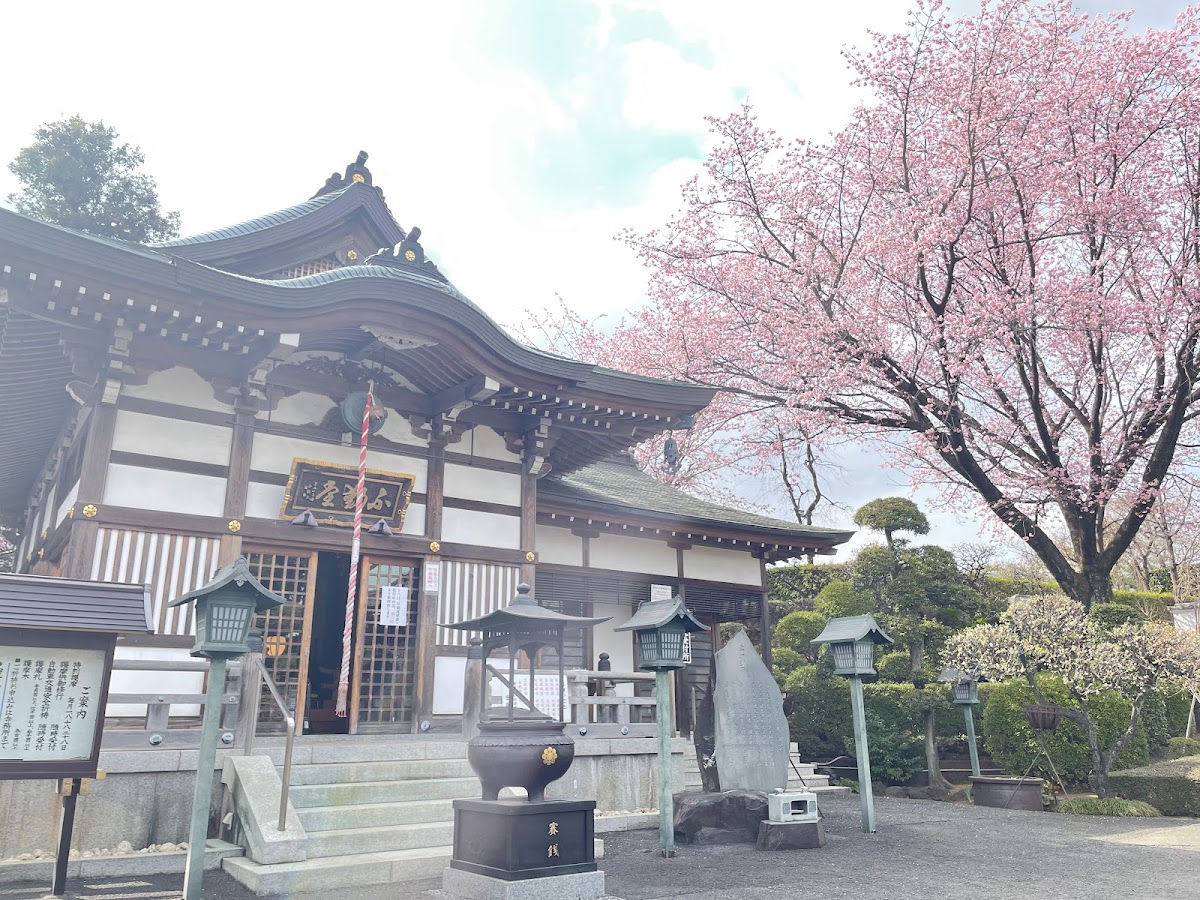
Main Shrine and Worship Hall
The majestic main shrine is the central building for worshippers. A magnificent shimenawa (sacred rope) is stretched in front of the worship hall, creating a sacred space. The shrine is especially bustling with many worshippers during New Year’s and festivals.
Kagura Hall
The Kagura Hall, where the Kagura (sacred dance and music), a nationally designated Important Intangible Folk Cultural Property, is performed, is a building that symbolizes the cultural value of Washinomiya Shrine. While usually standing quietly, it becomes a stage for traditional performing arts during festivals.
Subsidiary Shrines
Washinomiya Shrine has several subsidiary shrines within its grounds, each enshrining a different deity. These include Inari Shrine, Yasaka Shrine, and Tenjin Shrine, catering to diverse religious beliefs.
Sacred Tree
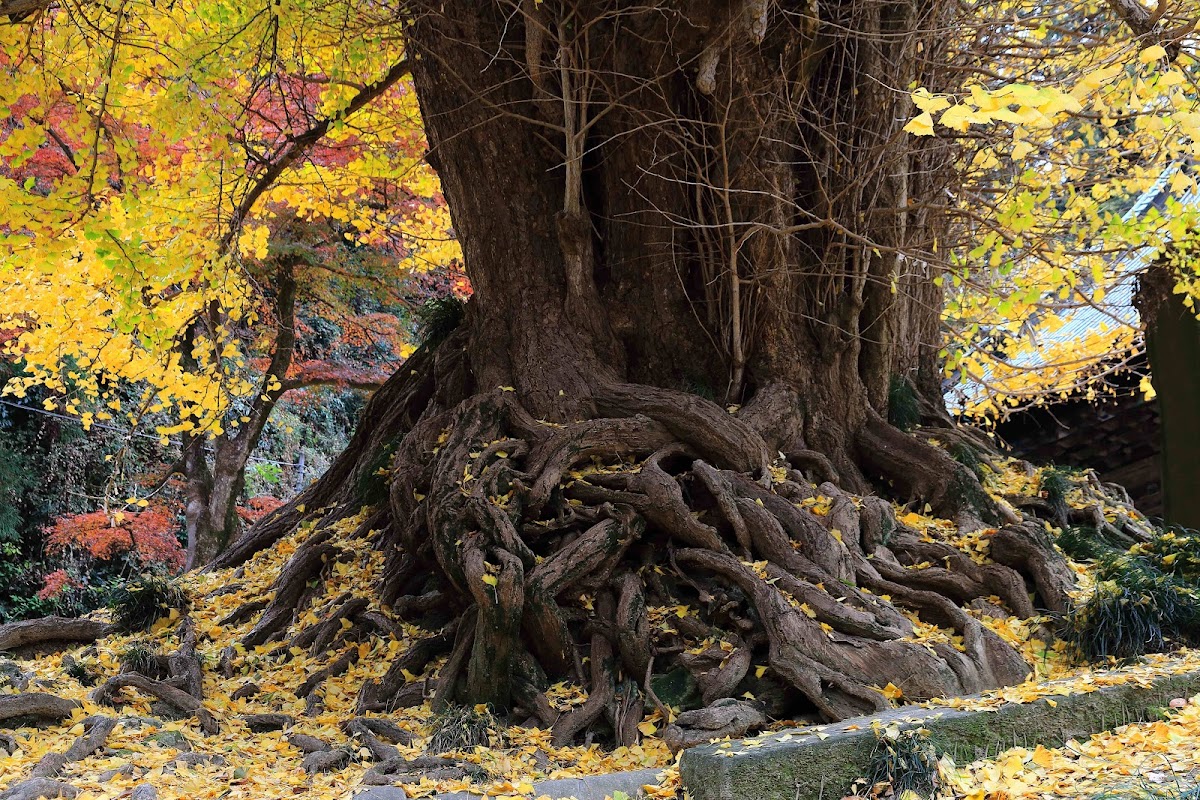
Within the shrine grounds stands a sacred tree said to be several hundred years old, cherished by worshippers as a power spot. Praying before the large tree allows one to feel the energy of nature.
Annual Festivals and Events
Washinomiya Shrine holds various festivals and events throughout the year.
Main Annual Events
New Year’s Day Festival (January 1st)
A festival celebrating the New Year, with the Washinomiya Saibara Kagura dance performed from midnight. The shrine grounds are bustling with worshippers for the first shrine visit of the year, making it one of the most popular New Year’s pilgrimage spots in Saitama Prefecture.
Setsubun Festival (February 3rd)
Beans are scattered, and prayers are offered for protection against evil. This is a traditional event with many local residents participating.
Spring Grand Festival
A festival celebrating the arrival of spring, with prayers offered for a bountiful harvest.
Summer Purification Ceremony (June 30th)
A Shinto ritual to purify and cleanse away the sins and impurities accumulated over the past six months. A ritual of passing through a ring of reeds is performed.
Haji Festival (September)
The largest festival at Washinomiya Shrine, featuring a portable shrine procession and Kagura performances. Many stalls are set up, and the entire area is enveloped in a festive atmosphere.
Tori-no-Ichi Market
As the main shrine of the Tori-sama deity, worshippers visit on the Day of the Rooster to pray for business prosperity. Lucky charms such as kumade (bamboo rakes) are given out.
Year-End Grand Purification Ceremony (December 31st)
This is a Shinto ritual to purify oneself of the sins and impurities of the past year and prepare for the New Year.
Goshuin (Shrine Seals) and Amulets
Goshuin (Shrine Seals)
At Washinomiya Shrine, in addition to regular goshuin, seasonal goshuin are also available. They are available at the shrine office, and the offering fee is usually around 300 to 500 yen. Both pre-printed and handwritten goshuin are available; during busy times, only pre-printed ones may be available.
Amulets and Items Offered
- Business Prosperity Amulet: An amulet unique to the main shrine of Tori-no-Ichi
- Good Fortune Amulet: For general good luck
- Traffic Safety Amulet: For safe driving and cycling
- Academic Success Amulet: For students and those taking exams
- Matchmaking Amulet: For those wishing for a good relationship
- Kumade (Rake): A lucky charm from the Tori-no-Ichi market
- Ema (Votive Tablet): For writing various wishes and offering them
Subsidiary Shrines and Related Temples
Subsidiary Shrines of Washinomiya Shrine
Washinomiya Shrine has a subsidiary shrine, Kanzaki Shrine. Kanzaki Shrine also has a long history and is closely related to Washinomiya Shrine. It is said that by visiting both shrines, one can receive deeper divine blessings.
Related Shrines in the Surrounding Area
There are several shrines in the Kuki City area that have historical ties to Washinomiya Shrine. Visiting these shrines is a popular “shrine pilgrimage.”
Access and Transportation
Access by Train
Nearest Station: Tobu Isesaki Line “Washinomiya Station”
- Approximately 8-10 minutes on foot from Washinomiya Station
- Exit the station and head towards the East Exit, then follow the signs to arrive.
Access from the City Center
- From Tokyo Station: Approximately 50 minutes to Kuki Station on the JR Utsunomiya Line, then approximately 5 minutes to Washinomiya Station on the Tobu Isesaki Line from Kuki Station
- From Asakusa Station: Approximately 60 minutes on the Tobu Isesaki Line (Skytree Line)
Access by Car
Using Expressways
- Approximately 15 minutes from Tohoku Expressway “Kuki IC”
- Approximately 20 minutes from Ken-O Expressway “Shiraoka-Shobu IC”
Using General Roads
- Accessible from National Route 122
- Car Navigation Setting: 1-6-1 Washinomiya, Kuki City, Saitama Prefecture 340-0217
Parking
There is free parking on the temple grounds. Normally, there is ample parking, but it gets crowded during New Year’s and festivals, so using public transportation is recommended. Temporary parking is also available during the New Year’s visit period.
Access by Bus
A community bus also operates from Kuki Station, but the number of buses is limited, so it is recommended to check the timetable in advance.
Manners and Points for Visiting the Shrine
Etiquette for Visiting the Shrine
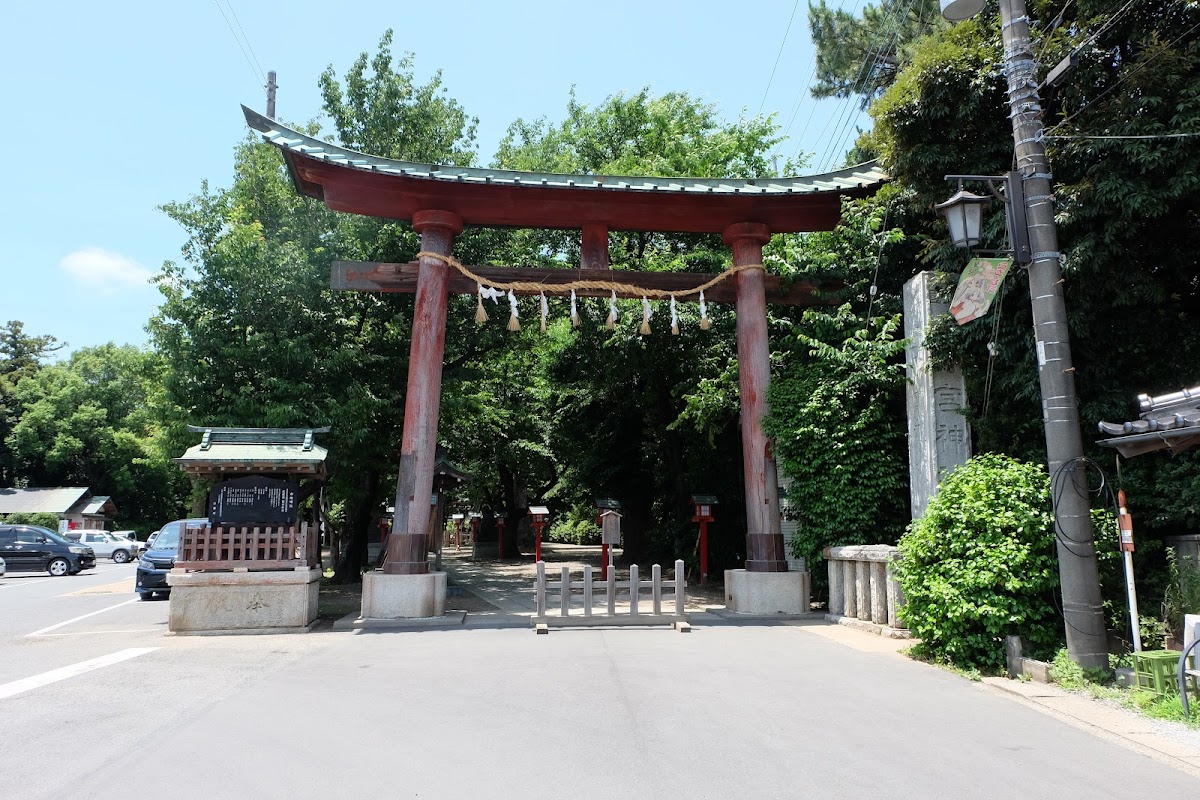
- Bow before passing through the torii gate: A courtesy before entering the sacred area.
- Purify yourself at the water basin: Purify your left hand, right hand, and mouth in that order.
- Walk along the edge of the path: The center is considered the path of the gods.
- Two bows, two claps, one bow: Follow the general etiquette for visiting a shrine.
Best Season for Visiting the Shrine
- New Year’s (January 1st-3rd): The busiest time for New Year’s visits. Kagura (sacred dance and music) is also performed.
- Haji Festival (September): The largest festival, filling the shrine grounds with energy.
- Day of the Rooster: A special day as the main shrine of the Rooster God.
- Weekdays: Weekdays are recommended for those who want to visit at a leisurely pace.
Estimated Time Required
If you only wish to visit the shrine grounds, it will take about 30 minutes. If you include receiving a Goshuin (shrine stamp) and strolling around the grounds, allow about an hour.
Washinomiya Shrine and Modern Culture
Aspect as an Anime Pilgrimage Site
Washinomiya Shrine became known as a pilgrimage site for anime fans after being featured in the popular anime “Lucky Star.” After the anime aired, many fans from all over the country visited, and the significant increase in the number of New Year’s visitors attracted attention as a social phenomenon.
Even today, while anime fans continue to visit, the shrine also fulfills its role as a traditional place of worship, possessing a unique atmosphere where old and new cultures coexist.
Connections to the Community
Washinomiya Shrine plays a central role in the local community as the tutelary shrine of the Washinomiya district in Kuki City. Local residents participate wholeheartedly in festivals, continuing activities to pass on traditions to future generations.
Nearby Tourist Attractions
Kuki City Local History Museum
Located within walking distance of Washinomiya Station, this museum exhibits materials related to the history of Kuki City and Washinomiya Shrine. Visiting before or after visiting Washinomiya Shrine will allow you to understand the history more deeply.
Washinomiya Shopping Street
A traditional shopping street surrounds the shrine, lined with local restaurants and Japanese confectionery shops. It’s perfect for a rest or meal after visiting the shrine.
Summary
Washinomiya Shrine boasts a history of over 2,000 years as the oldest grand shrine in the Kanto region, and is a venerable shrine whose origins date back to the eastward migration of the Izumo clan. Known as the head shrine of the Otori-sama festival, it is revered for its divine blessings of business prosperity and is also a culturally valuable shrine that preserves Kagura, a nationally designated important intangible folk cultural property. Washinomiya Shrine, with its multifaceted character—a history of being revered by warlords including Minamoto no Yoritomo, a faith centered on the three main deities Ame-no-hohi-no-mikoto, Takeitori-no-mikoto, and Ōkuninushi-no-mikoto, and now known as an anime pilgrimage site—offers a different kind of charm to each visitor.
Its convenient location, just a 10-minute walk from Washinomiya Station and easily accessible from central Tokyo, makes it a very accessible destination. Whether for New Year’s visits, festivals, collecting Goshuin (shrine stamps), or exploring power spots, Washinomiya Shrine is a place you can visit for a variety of purposes.
At this place of worship that has continued since ancient times, you can cleanse your soul and gain new vitality. Whether you pray for business prosperity, good fortune, are interested in history and culture, or simply want to find peace and tranquility, Washinomiya Shrine is open to everyone. As a prestigious and representative shrine of the Kanto region, it will undoubtedly continue to attract the faith of many people.