Complete Guide to Rengeji Temple | The Beauty of the Seasons and the Charm of the Garden Designed by Ishikawa Jozan
Rengeji Temple, located in Kamitakano Hachimancho, Sakyo-ku, Kyoto City, is a Tendai sect temple situated at the quiet foot of a mountain in northern Kyoto. Known for its pond garden, said to have been designed by Ishikawa Jozan, and its unique hexagonal stone lanterns, it attracts many visitors as a hidden gem of Kyoto, offering beauty throughout the seasons, from the green maple leaves of early summer to the vibrant autumn foliage.
History and Origins of Rengeji Temple
From Founding to the Present
Rengeji Temple’s mountain name is Kimyozan, and its history dates back to the early Edo period. Originally located in the heart of Kyoto, it was relocated and rebuilt in its current location in 1662 (Kanbun 2) by Imaeda Chikayoshi, a chief retainer of the Kaga Maeda family.
Imaeda Chikayoshi was a well-known retainer of the Kaga Domain, possessing deep cultural knowledge. He enlisted the cooperation of prominent cultural figures of the time in the temple’s reconstruction. These included Ishikawa Jozan, a poet and landscape architect; Kano Tan’yu, a leading painter of the Kano school; Kinoshita Jun’an, a Confucian scholar; and Ingen Zenji and Mokuan Zenji, founders of the Obaku school. These distinguished individuals are said to have been involved in the reconstruction of Rengeji Temple.
A Space of Beauty Created by Cultural Figures
Thanks to the cooperation of these cultural figures, Rengeji Temple was transformed not merely into a religious facility, but into an artistic space embodying the culture of the early Edo period. The garden, in particular, attributed to Ishikawa Jozan, is highly regarded as a culmination of the gardening techniques of the time.
The Pond Garden Attributed to Ishikawa Jozan
Garden Features and Composition
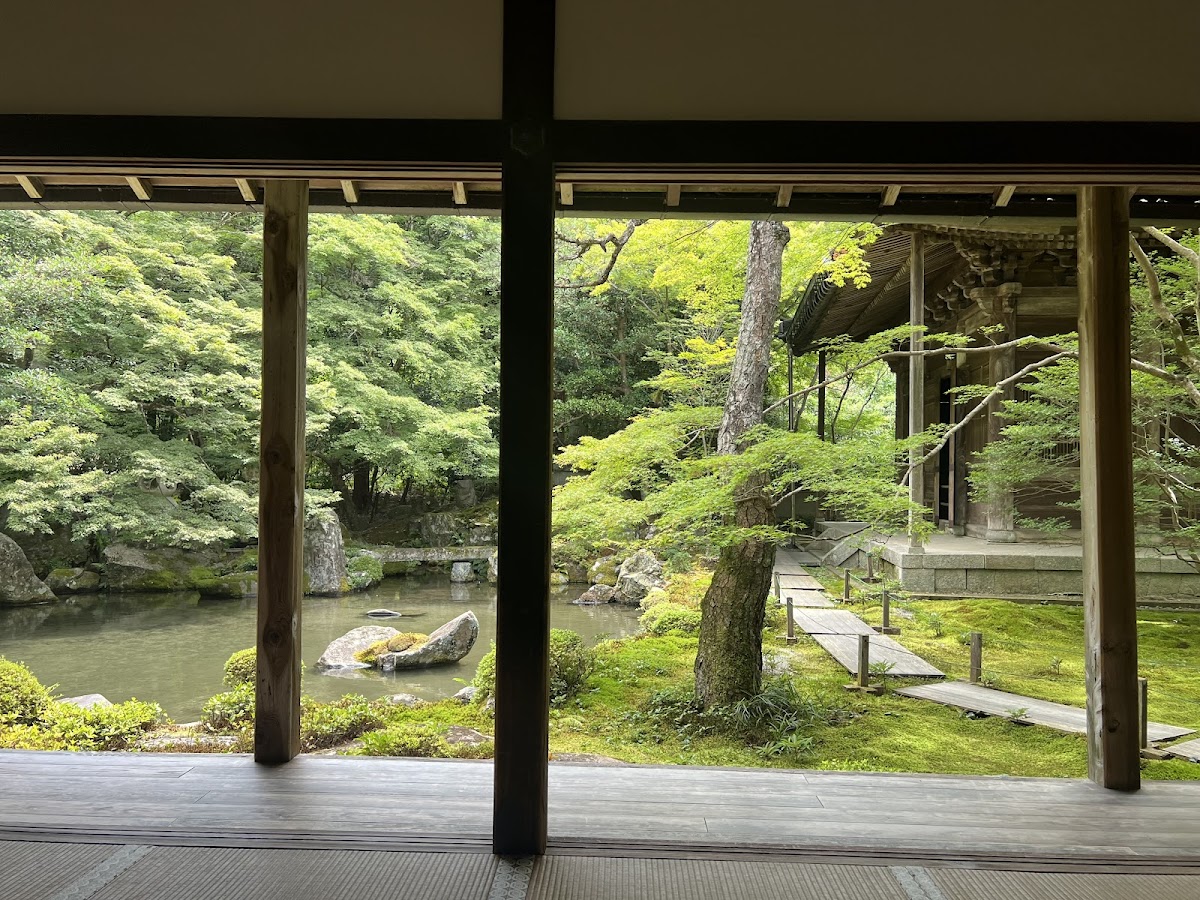
The greatest attraction of Rengeji Temple is the pond garden viewed from the study hall. This garden style was designed to be viewed from a tatami room, with a pond at its center. The garden at Rengeji Temple is known as a representative example of early Edo period garden design.
The garden features skillfully placed stone arrangements in the shapes of cranes and turtles, which have been incorporated into Japanese gardens since ancient times as auspicious motifs symbolizing longevity. Various trees are planted around the pond, with a particularly large number of maple trees, offering different appearances with each season.
Ishikawa Jozan’s Landscape Gardening Philosophy
Ishikawa Jozan was a literary figure of the early Edo period, known for constructing Shisendo Temple. Despite being from a samurai family, he displayed exceptional talent in Chinese poetry, calligraphy, and landscape gardening. His landscape gardening philosophy aimed to express the worldview of Chinese landscape painting within the natural environment of Japan, and this philosophy is strongly reflected in the garden of Rengeji Temple.
Sitting on the veranda of the shoin (study room) and gazing at the garden, one is enveloped in the feeling of viewing a beautiful landscape painting. This is due to the “framing effect” intended by Ishikawa Jozan, where the building’s pillars and lintels act as a frame, creating a composition that frames the garden as a single painting.
The Charm of the Rengeji-style Stone Lantern
Unique Shape with Hexagonal Cap
When visiting Rengeji Temple, one’s eyes are inevitably drawn to the unique stone lanterns placed throughout the grounds. These stone lanterns are called “Rengeji-style” or “Rengeji-type,” and their most distinctive feature is their steeply sloping hexagonal cap.
While most stone lanterns have square or round caps, the Rengeji-style lanterns employ an unusual hexagonal shape. Furthermore, the steep slope of the cap provides a practical design, allowing rainwater to quickly drain away.
The Atmosphere Created by the Stone Lantern
The Rengeji-style stone lanterns add a unique accent to the garden’s landscape. The texture of the moss-covered stones, in particular, and their harmony with the surrounding trees are magnificent, creating a tranquil atmosphere unique to a temple that has stood for many years.
This style of stone lantern is known to be unique to Rengeji Temple and is said to have influenced later landscape gardening and stone sculpture. When admiring the garden, be sure to pay attention to this stone lantern.
The Charms of Rengeji Temple in Every Season
The Arrival of Spring and the Season of Fresh Greenery
Spring at Rengeji Temple is a season when you can feel the breath of nature gradually awakening from the silence of winter. From late March to April, the cherry blossoms in the temple grounds bloom with pale pink flowers, creating a beautiful contrast with the newly budding maple leaves.
From late April to May, it is the season of fresh greenery. The young leaves grow day by day, and the entire temple grounds are enveloped in a vibrant green. During this time, Rengeji Temple displays a powerful beauty full of vitality.
The Breathtaking View of Green Maple Leaves in Early Summer
Early summer, from June to July, is one of the most beautiful seasons at Rengeji Temple. The maple leaves have fully grown, covering the garden in a deep green. The view of the green maple leaves from the study hall fills the field of vision like a green curtain, transporting visitors to another world.
The beauty of green maple leaves has a different charm than that of autumn leaves. The gradation of shades of green, the soft light filtering through the leaves, and the rustling of leaves in the wind—all of these combine to create a tranquil and refreshing space.
During the rainy season, the green maple leaves, wet with rain, become even more vibrant, and their harmony with the moss-covered garden is even more beautiful. Rengeji Temple on a rainy day also has a special charm.
Deep Green and Serenity of Summer
In the height of summer, from July to August, the green maple leaves become an even deeper green, creating cool shade within the temple grounds. Kyoto summers are known for their heat and humidity, but the grounds of Rengeji Temple, surrounded by trees, offer a relatively cool environment.
This time of year is also less crowded with tourists, making it a hidden gem for quietly appreciating the gardens. Spending time slowly while listening to the cicadas is a truly luxurious experience.
Autumn Foliage Season
Rengeji Temple is busiest from mid-November to early December, during the autumn foliage season. The maple trees, which were lush with green leaves from spring to summer, transform into vibrant reds, yellows, and oranges in autumn, enveloping the entire garden in a fiery beauty.
The view of the autumn leaves from the study hall is truly picturesque. You can enjoy the autumn foliage from various angles: the reflection of the leaves on the pond’s surface, the contrast between the green moss and the red leaves, and the natural carpet created by the fallen leaves.
While Rengeji Temple’s autumn foliage is considered relatively hidden compared to more famous tourist temples, it still attracts many photography enthusiasts and tourists during peak season. Visiting early in the morning will allow for a more relaxed viewing experience.
The Serene Beauty of Winter
Winter, from late December to February, is the quietest season at Rengeji Temple. The fallen maple branches create delicate silhouettes, and when snow falls, the garden transforms into a scene reminiscent of an ink painting.
Winter at Rengeji Temple possesses a solemn and dignified beauty unlike any other season. The snow-covered garden, in particular, is a special space where few visitors come, allowing for peaceful contemplation.
Highlights and Grounds Guide of Rengeji Temple
Main Hall and Principal Image
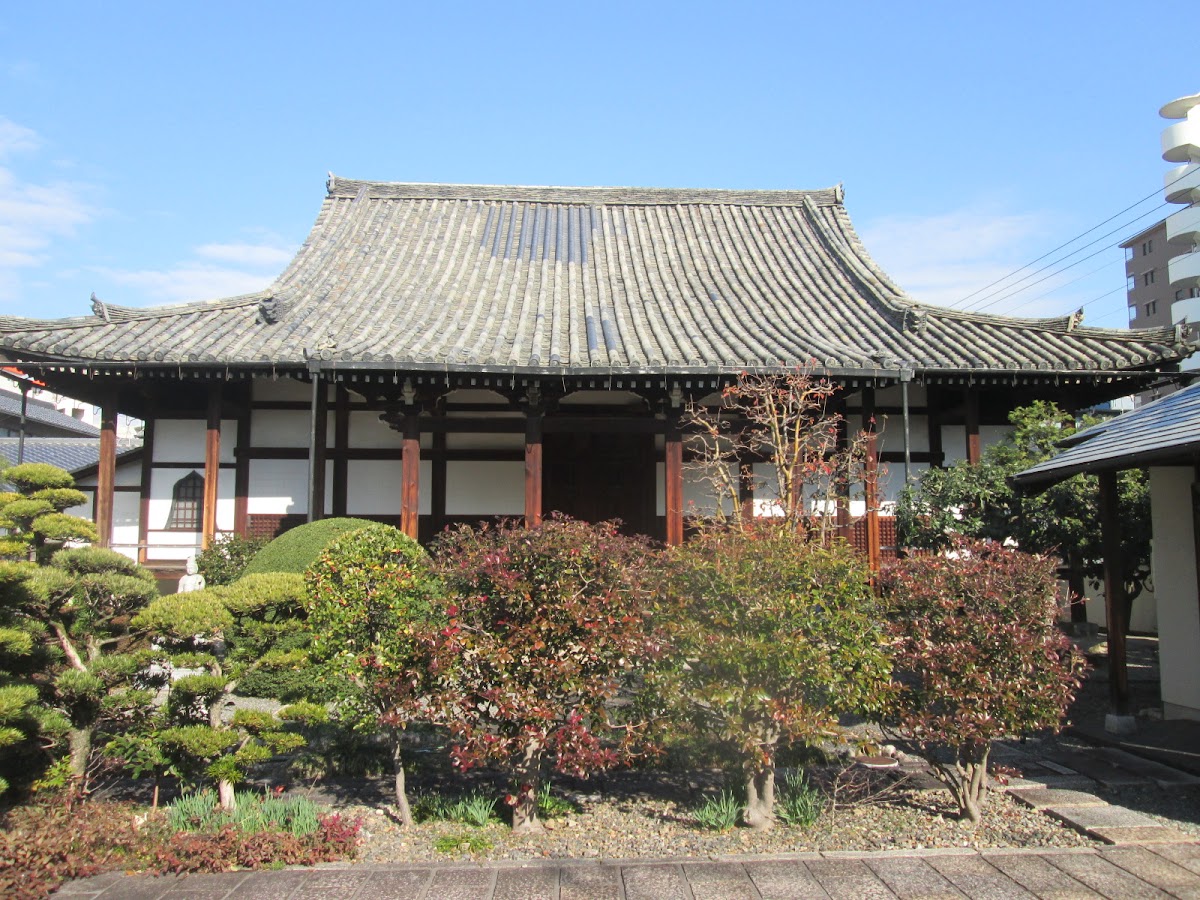
The main hall of Rengeji Temple houses a statue of Shakyamuni Buddha as its principal image. As befits a Tendai sect temple, visitors can worship in a solemn atmosphere. The architectural style of the main hall retains characteristics of the early Edo period, making it a historically valuable building. ### Viewing the Shoin (Study Hall) and Garden
When visiting Rengeji Temple, the Shoin (study hall) is a must-see. The view of the garden from here is arguably the temple’s greatest highlight. Sitting on the tatami mats and spending time leisurely allows you to fully appreciate the beauty of the garden.
Sitting on the veranda of the Shoin offers an excellent viewpoint overlooking the entire garden. The changing interplay of light and shadow, and the shifting colors of the trees, depending on the season and time of day, create a landscape that you could gaze at for hours without getting bored.
Walking Paths within the Temple Grounds
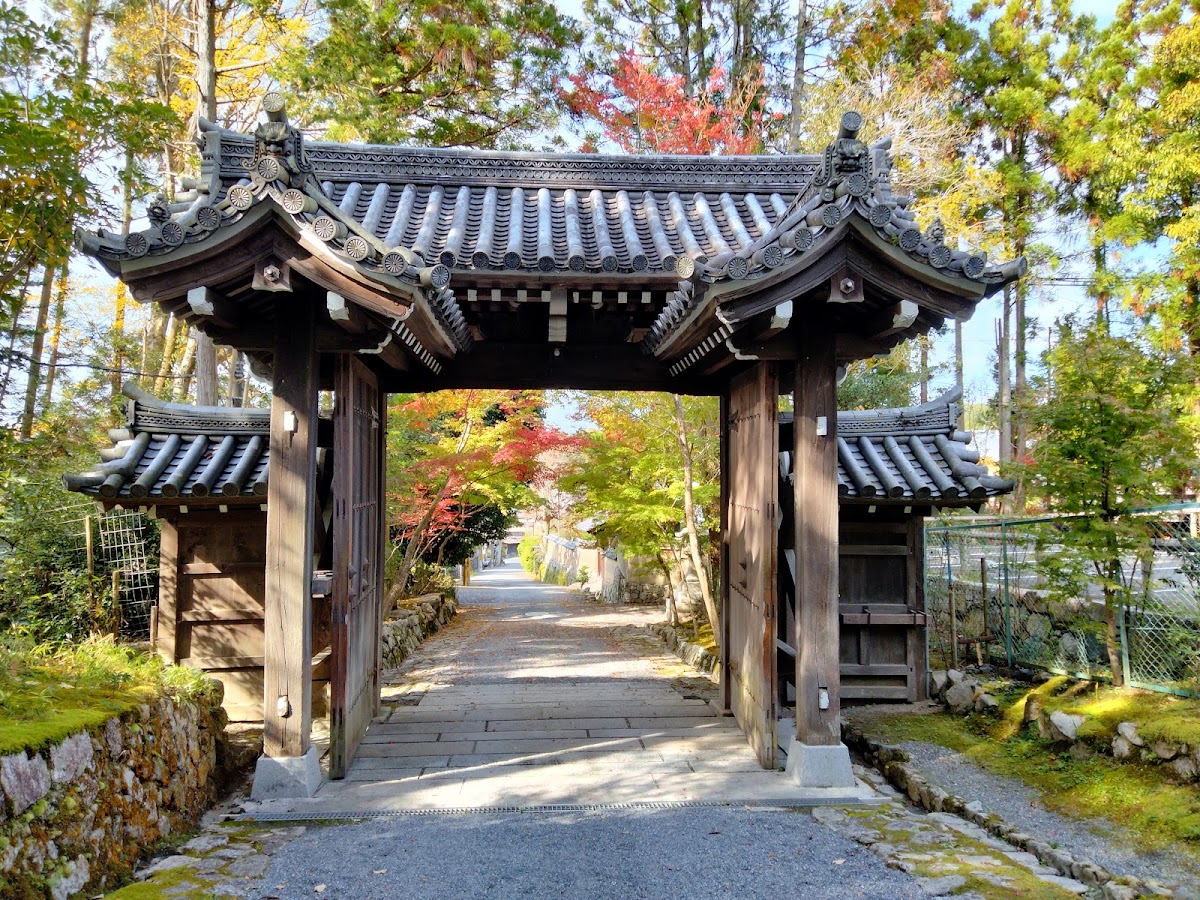
Beyond viewing the garden from the Shoin, you can also explore the temple grounds on foot. Built along the Ohara Road, Rengeji Temple is surrounded by nature, and simply walking around the grounds is incredibly calming.
Walking along the stone-paved path, climbing the moss-covered steps, and viewing the garden and temple buildings from various angles will allow you to gain a deeper understanding of Rengeji Temple’s charm.
Access and Visiting Information
Access by Train
The most convenient way to access Rengeji Temple is by using the Eizan Electric Railway. It’s approximately a 15-minute walk from Miyake Hachiman Station or a 10-minute walk from Hachimanmae Station on the Eizan Electric Railway.
The Eizan Electric Railway is a charming private railway running through the Rakuhoku area of Kyoto, with many tourist attractions along its line, including Kifune Shrine and Kurama-dera Temple. When visiting Rengeji Temple, it’s recommended to also visit other temples and shrines along the Eizan Electric Railway line.
From downtown Kyoto, first take the Keihan Railway or JR to Demachiyanagi Station, then transfer to the Eizan Electric Railway. The journey from Demachiyanagi Station to Miyake Hachiman Station takes approximately 15 minutes.
Access by Bus
If using Kyoto City Buses, get off at the Kamihashi bus stop and it’s approximately a 5-minute walk. While there are no direct buses from Kyoto Station or Shijo Kawaramachi, it is possible to reach the temple by taking several connecting bus routes.
However, since bus services are relatively infrequent, it is recommended to check the timetable in advance.
Access by Car and Parking
If you are visiting by private car, Rengeji Temple has its own parking lot. However, the number of parking spaces is limited, and it may be full during peak seasons such as autumn foliage season. In that case, please consider using nearby coin-operated parking lots or public transportation.
When searching with a car navigation system, entering the address “1 Kamitakano Hachimancho, Sakyo-ku, Kyoto City” will provide accurate directions.
Visiting Hours and Fees
Rengeji Temple’s visiting hours are usually from 9:00 AM to 5:00 PM. However, these hours may change depending on the season and events, so it is recommended to check before visiting.
The admission fee is approximately 400 yen for adults (information as of 2024). Fees are subject to change, so please check the official website or call for the latest information.
Notes for Visitors
Rengeji Temple values a peaceful environment. Please observe the following points during your visit:
- Please observe quietly within the study hall and refrain from loud conversations.
- Photography of the gardens and buildings is permitted, but the use of tripods may be restricted.
- Please refrain from eating or drinking on the temple grounds except in designated areas.
- Please take all your trash with you.
- Do not touch plants or stone structures.
Nearby Tourist Attractions
Hachidai Shrine
Located about a 10-minute walk from Rengeji Temple, Hachidai Shrine is near “Ichijoji Sagarimatsu,” the site of Miyamoto Musashi’s duel with the Yoshioka family. Known as a place associated with Musashi, it is revered as the god of martial arts.
Shisendo Temple
Shisendo Temple, where Ishikawa Jozan spent his later years, is also within walking distance of Rengeji Temple. It is a place where you can gain a deeper understanding of the aesthetic sensibilities of Ishikawa Jozan, who is said to have designed the gardens of Rengeji Temple.
Manshuin Monzeki
Manshuin Monzeki, a renowned temple in northern Kyoto, is also nearby. This temple, associated with the Imperial family, boasts a beautiful garden and valuable cultural artifacts.
Enkoji Temple
Enkoji Temple, known for its beautiful autumn foliage, is another temple worth visiting along with Rengeji Temple. You can enjoy both a dry landscape garden called the Ten Ox Garden and a pond garden.
Photography Tips at Rengeji Temple
Frame Composition from the Shoin (Study Hall)
The most popular photography spot at Rengeji Temple is the “frame composition” taken from the veranda of the Shoin (study hall). By using the building’s pillars and lintels as a frame, you can capture a picturesque photograph of the garden.
Especially during the seasons of green maple leaves and autumn leaves, the colorful garden fits beautifully within the frame, making for Instagram-worthy photos.
The Expressions of Light and Shadow
The garden of Rengeji Temple changes its appearance depending on the time of day, as the way the light falls on it changes completely. Visiting at different times of the day—the soft light of morning, the strong sunlight of midday, the slanted light of evening—will allow you to discover different charms.
The light after rain is especially beautiful. Wet leaves and moss reflect the light, creating a fantastical atmosphere.
The Balance Between Stone Lanterns and the Garden
A composition featuring the Rengeji-style stone lantern as the main subject is also appealing. By utilizing its unique hexagonal shape and placing the garden’s greenery and autumn leaves in the background, you can take photographs that are unique to Rengeji Temple.
Recommended Time to Visit Rengeji Temple
Enjoying the Tranquility of Early Morning
If you want to enjoy Rengeji Temple in the most peaceful way, early morning, right after opening, is recommended. Even during the autumn foliage season, there are relatively few people in the early morning, allowing you to appreciate the garden at your leisure. The garden viewed in the crisp morning air has an exceptional beauty.
Soft Morning Light
Between 10:00 AM and 11:00 AM, soft light streams into the garden, beautifully highlighting the green of the trees and the autumn foliage. This time is ideal for photography, attracting many photography enthusiasts.
Shadows Created by Evening Light
Evening, as closing time approaches, is also a recommended time to visit. The setting sun shines diagonally into the garden, casting long shadows on the trees and stonework. The dramatic scenery created by these shadows possesses a special beauty unique to this time of day.
Cultural Assets Telling the History of Rengeji Temple
Temple Treasures and Cultural Value
Rengeji Temple houses valuable cultural assets dating back to the early Edo period. Historically valuable items such as fusuma paintings by Kano Tan’yu and calligraphy and paintings left behind by cultural figures of the time are carefully preserved.
These cultural assets are usually not open to the public, but they may be viewable on special occasions. Checking the schedule for special openings before your visit will allow you to gain a deeper understanding of Rengeji Temple’s history and culture.
Architectural Features
The buildings of Rengeji Temple are valuable historical remains that preserve the architectural style of the early Edo period. The buildings, characterized by the Shoin-zukuri style, exhibit a simple yet dignified appearance.
In particular, the design of the Shoin (study hall) prioritizes garden appreciation, with everything from seating positions and eye level to the size of openings carefully calculated.
Finding Peace of Mind at Rengeji Temple
Meditation in Silence
Rengeji Temple is an ideal place to escape the hustle and bustle of everyday life and find peace of mind. Sitting in the Shoin and gazing at the garden, you can slowly regulate your breathing and calm your mind.
Visiting during less crowded times, such as weekday mornings, will allow you to have time to reflect on yourself in deeper silence.
Experiencing the Changing Seasons
The garden of Rengeji Temple is a space where you can experience the changing seasons with all your senses. The budding of spring, the deep green of summer, the vibrant foliage of autumn, the tranquility of winter. Through the beauty and transience of each season, one can experience the laws of nature and the cycle of life.
No matter how many times you visit, Rengeji Temple reveals different faces depending on the season, weather, and time of day, continuing to offer visitors new discoveries and inspiration.
Summary: Fully Enjoying the Charms of Rengeji Temple
Located in Kamitakano Hachiman-cho, Sakyo-ku, Kyoto City, Rengeji Temple continues to captivate visitors with its pond garden, said to have been designed by Ishikawa Jozan, its unique hexagonal Rengeji-style stone lanterns, and the ever-changing beauty of nature throughout the seasons.
From the green maple leaves of early summer to the vibrant autumn foliage, the garden displays different expressions with each season, offering new discoveries with every visit. The framed view from the study hall is like a painting, a beauty that makes you forget the passage of time.
One of its attractions is its excellent accessibility, being within walking distance of Miyake-Hachiman Station and Hachimanmae Station on the Eizan Electric Railway. Visiting it along with other temples and shrines in the Rakuhoku area will allow you to enjoy a more fulfilling Kyoto sightseeing experience.
Compared to famous tourist spots, Rengeji Temple is relatively quiet, allowing you to leisurely appreciate its gardens. For those who want to escape the hustle and bustle of Kyoto and quietly enjoy beauty, this hidden gem is highly recommended. Please visit Rengeji Temple, which boasts beauty in every season.