Senshuji Temple Complete Guide: A Thorough Explanation of the History, National Treasure Architecture, and Cultural Properties of the Head Temple and Main Temple Associated with Shinran Shonin
Senshuji Temple is the central temple of the Shinshu Takada sect, founded by Shinran Shonin, the founder of Jodo Shinshu Buddhism. The Shinshu Takada sect, which boasts over 600 branch temples nationwide, has two Senshuji temples: “Honzan Senshuji” in Tsu City, Mie Prefecture, and “Honji Senshuji” in Mooka City, Tochigi Prefecture. Each plays an important historical and religious role. This article provides a detailed explanation of everything about Senshuji Temple, from the history of both temples to cultural properties such as national treasures and important cultural properties, temple facilities, and access information.
What is Senshuji Temple?: The Head Temple of the Shinshu Takada Sect
Senshuji Temple is the head temple of the Shinshu Takada sect, one of the ten sects of Jodo Shinshu Buddhism. The name “Senshuji” originates from “Senshu Nembutsu” (exclusive recitation of the name of Amida Buddha), a fundamental practice of the Jodo (Pure Land) Buddhist sect.
The Shinshu Takada sect, with Shinbutsu Shonin, a direct disciple of Shinran Shonin, as its second head priest, faithfully inherits the teachings of Shinran Shonin. Currently, it boasts over 600 temples nationwide, spreading its faith primarily in the Tokai and Kanto regions.
Relationship between Honzan Senshuji and Honji Senshuji
There are two Senshuji temples: “Honzan Senshuji” (Isshinden-cho, Tsu City, Mie Prefecture) and “Honji Senshuji” (Takada, Mooka City, Tochigi Prefecture). The head priest of the Honzan also serves as the head priest of the Honji. Honji Senshuji, as the only temple directly established by Shinran Shonin, and Honzan Senshuji, as the central training ground of the Shinshu Takada sect, each have distinct roles and histories, yet they function as a unified entity.
Honji Senshuji Temple: The Only Temple Founded by Shinran Shonin
History and Founding Circumstances of Honji Senshuji Temple
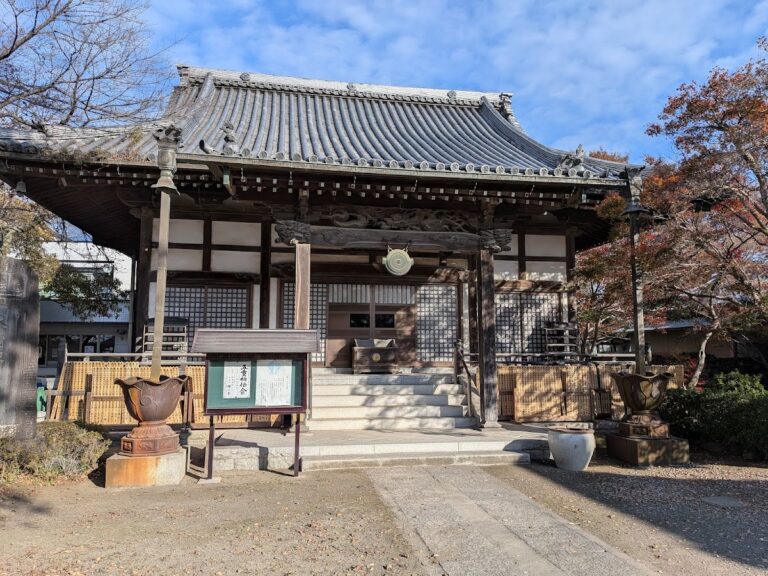
Honji Senshuji Temple, located in Takada, Mooka City, Tochigi Prefecture, holds special significance as the only temple directly founded by Shinran Shonin.
In 1225 (Gen’nin 2), at the age of 53, Shinran Shonin was camping in this area during his missionary work in the Kanto region. That night, he is said to have received a divine message in a dream from a young boy known as Myojo Tenji (Morning Star Heavenly Son), and decided to build a temple in this location. This mystical experience became the impetus for the founding of Honji Senshuji Temple.
Shinran Shonin himself built a hermitage in this area and developed it as a Pure Land Buddhist practice hall. This is the origin of Senshuji Temple, and it became one of the bases where Shinran Shonin dedicated his life to spreading Jodo Shinshu Buddhism.
The Development of Senshuji Temple and Shinbutsu Shonin
After the death of Shinran Shonin, Senshuji Temple greatly developed under Shinbutsu Shonin, a direct disciple of Shinran Shonin. Shinbutsu Shonin was considered the second of the 24 principal disciples of Shinran Shonin, faithfully inheriting Shinran Shonin’s teachings and conducting missionary activities mainly in the Kanto region.
Shinbutsu Shonin developed Senshuji Temple as the central training ground of the Shinshu Takada sect and trained many disciples. During this period, Senshuji Temple was established as the spiritual pillar of the “Takada followers,” laying the foundation for the later Shinshu Takada sect.
Cultural Assets and Highlights of Senshuji Temple
Senshuji Temple preserves many valuable cultural assets associated with Shinran Shonin.
The Miei-do Hall is the central building of Senshuji Temple and houses a wooden statue of Shinran Shonin. Within the temple, memorial services and ceremonies are held to commemorate Shinran Shonin and to learn his teachings.
The temple houses numerous important cultural properties, including a statue of Amida Buddha, other Buddhist statues, letters believed to be written by Shinran Shonin himself, and items associated with successive abbots, providing valuable historical materials that tell the story of the Shinshu Takada sect.
The temple grounds are enveloped in a tranquil atmosphere, allowing visitors to reflect on his teachings by visiting the places where Shinran Shonin walked.
Honzan Senshuji: The center of the Shinshu Takada sect, boasting national treasure architecture
History of Honzan Senshuji: Relocation to Tsu City and Development
Honzan Senshuji is located in Isshinden-cho, Tsu City, Mie Prefecture, and functions as the head temple of the Shinshu Takada sect. It has long been affectionately known as “Takada Honzan” and has attracted many worshippers.
The origins of Honzan Senshuji date back to the Middle Ages. Originally, Senshuji Temple was the center of the Shinshu Takada sect, but due to the turmoil of the Sengoku period and religious reasons, some of its functions were moved to Ise Province (present-day Mie Prefecture).
During the Eiroku era (1558-1570), under the 10th head priest, Shin’e Shonin, a full-fledged temple complex was built on the site of present-day Isshinden, Tsu City, and this became the head temple of the Shinshu Takada sect. Since then, Senshuji Temple has continued to develop as a center of Buddhist studies and religious services, and continues to do so to this day.
National Treasure Architecture: Miei-do and Nyoraido
The most distinctive feature of Senshuji Temple is its two magnificent wooden buildings, the Miei-do and Nyoraido, which were designated as National Treasures on November 28, 2017. These were the first National Treasure buildings in Mie Prefecture and are highly regarded as masterpieces of Edo period temple architecture.
Miei-do Hall
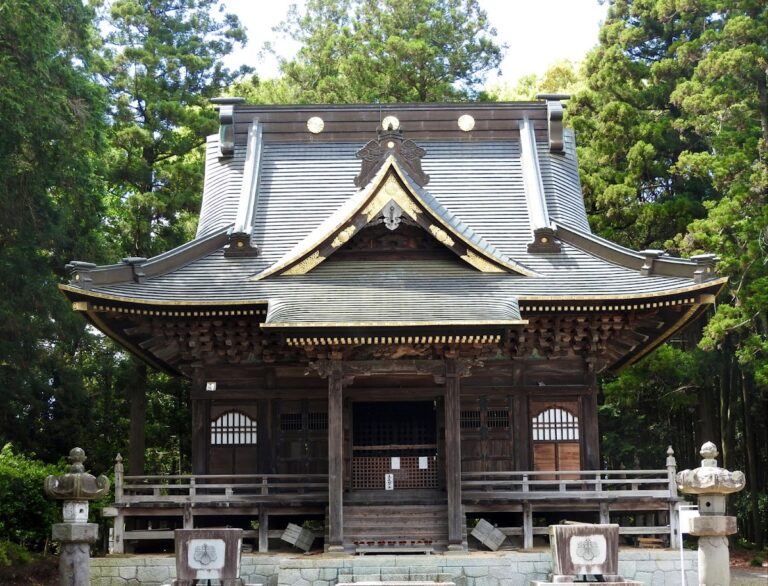
The Miei-do Hall, built in 1666, is the central building of Senshuji Temple. A wooden statue of Shinran Shonin, the temple’s founder, is enshrined on the central altar, with images of successive abbots respectfully placed on the side altars and in the side chambers.
The Miei-do Hall is impressive in scale, boasting a vast inner sanctuary with 725 tatami mats, making it the fifth largest among all national treasure wooden buildings in Japan. It ranks after the Great Buddha Hall of Todai-ji Temple, Sanjusangen-do Hall, the Miei-do Hall of Higashi Hongan-ji Temple, and the Miei-do Hall of Nishi Hongan-ji Temple, and its grandeur overwhelms visitors.
The architectural style is the “Shinshu style,” unique to Shinshu Buddhist temples, combining magnificent decoration with functionality. From the carvings, metalwork, and coloring within the hall, the finest Edo period craftsmanship is evident in every detail, making it a valuable historical artifact.
Nyoraido Hall
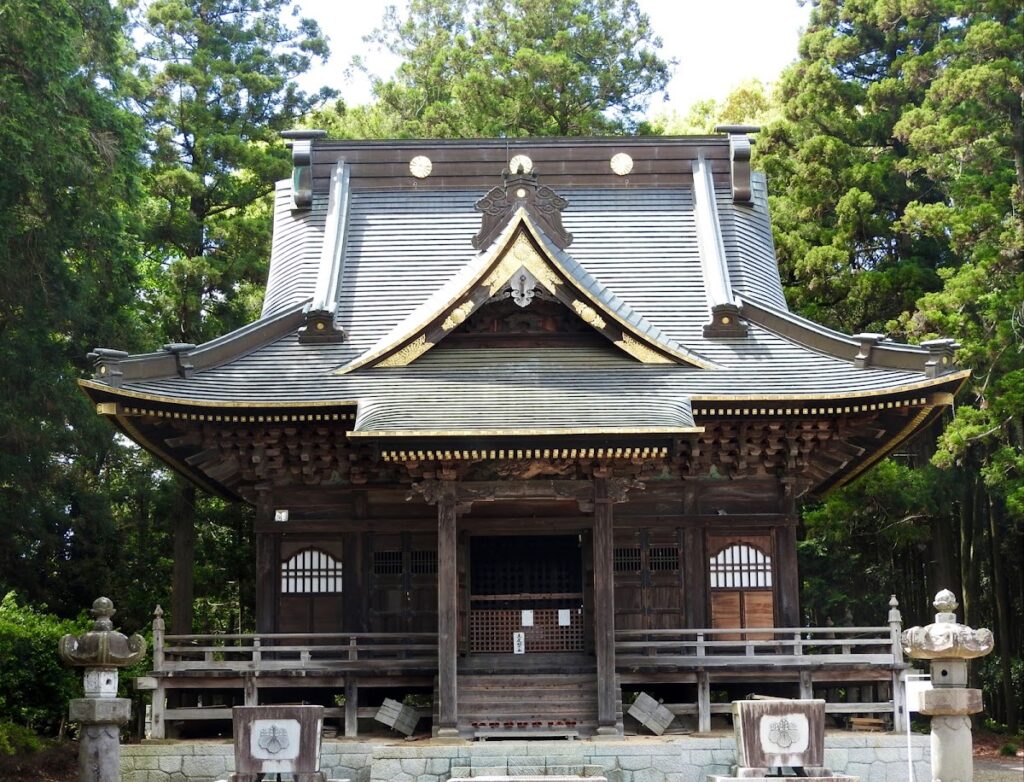
The Nyoraido Hall, built in 1679 (Enpo 7), is the main hall housing the principal image, Amida Buddha. Along with the Miei-do Hall, it is a central building of Senshuji Temple, a sacred space where daily services and religious ceremonies are held.
The Nyoraido Hall boasts a magnificent scale comparable to the Miei-do Hall, and is a masterpiece that embodies the finest of Edo period temple architecture, with its elegant roof curves, intricate wooden joinery, and solemn interior decorations. The splendor of the altar centered around Amida Buddha can be considered an artistic work that visually expresses the teachings of Jodo Shinshu Buddhism.
Both halls were designated National Treasures in 2017, officially recognizing their historical and artistic value and ensuring their preservation as part of Japan’s cultural heritage for future generations.
Important Cultural Properties and Temple Facilities
In addition to the two National Treasure halls, Senshuji Temple has many other important cultural properties and points of interest.
Tower Gate (Sanmon)
The tower gate, standing at the main entrance of Senshuji Temple, is a two-story gate with a dignified structure. As the first building welcoming visitors, it demonstrates the dignity of the head temple. Passing through the tower gate, a vast temple grounds unfolds, revealing the National Treasures, the Mikage-do Hall and Nyoraido Hall.
Taiko-mon Gate and Kara-mon Gate
Within the temple grounds are several historical gates built during the Edo period, including the Taiko-mon Gate and Kara-mon Gate, each preserved as an important architectural heritage. These gates play a crucial role in the spatial composition of the temple grounds, creating a magnificent atmosphere along the pilgrimage route.
Treasure Hall and Cultural Properties
Senshuji Temple houses numerous important cultural properties, including handwritten letters by Shinran Shonin, portraits of successive abbots, ancient documents, Buddhist implements, and crafts. These are stored and displayed in the Treasure Hall, serving as valuable materials that convey the history and culture of the Shinshu Takada sect.
In particular, letters written by Shinran Shonin himself are precious relics that allow us to touch the saint’s own handwriting, conveying his teachings and character to the present day.
Unyu-en Garden
Within the grounds of the head temple, Senshuji, lies a beautiful garden called Unyu-en. This Japanese garden, where one can enjoy the changing seasons, serves as a place of relaxation for visitors. Strolling through the tranquil garden allows one to calm their mind and reflect on Buddhist teachings.
Sect Administrative Office and Facilities
The Sect Administrative Office is the administrative body that oversees the affairs of the Shinshu Takada sect and is located within the grounds of the head temple, Senshuji. It plays a central role in the operation of the sect, including liaison and coordination with branch temples nationwide, research on Buddhist teachings, and planning missionary activities.
Furthermore, the temple grounds are equipped with training facilities, accommodation facilities, and a dining hall, providing a comfortable environment for visitors and training participants.
Annual Events and Ceremonies at Senshuji Temple
Senshuji Temple holds various ceremonies and events throughout the year.
Hoonko (Memorial Service)
The most important memorial service commemorating the death anniversary of Shinran Shonin is the Hoonko. It is solemnly held at the head temple, Senshuji, from January 9th to 16th each year, attracting many followers from all over the country. During the Hoonko, ceremonies are held daily to learn about Shinran Shonin’s teachings and express gratitude for his benevolence.
Spring and Autumn Equinox Ceremonies
Memorial services for ancestors are held during the spring and autumn equinoxes. Many worshippers visit to remember their deceased loved ones and pray for their rebirth in the Pure Land.
Gotan-e (Birthday Ceremony)
This ceremony celebrates Shinran Shonin’s birthday and is held around May 21st each year. We celebrate the life and teachings of the saint and commemorate his legacy.
Ango (Buddhist Retreat) and Buddhist Culture Lectures
At the head temple Senshuji, training for monks and Buddhist culture lectures for lay followers are held regularly. From March 13th to May 31st, 2026, “Ango – The Beginning of Buddhist Culture Lectures” is scheduled to be held, offering an opportunity to deeply study Buddhist teachings.
Access Information to Senshuji Temple
Access to Honzan Senshuji Temple (Tsu City, Mie Prefecture)
Location: 2819 Isshinden-cho, Tsu City, Mie Prefecture
Access by Train:
- Get off at Isshinden Station on the JR Kisei Main Line or Ise Railway, approximately 5 minutes on foot
- Get off at Tsu Station on the Kintetsu Nagoya Line, approximately 10 minutes by bus or taxi
Access by Car:
- Approximately 15 minutes from Tsu IC on the Ise Expressway
- Private parking available (free)
Access by Bus:
- Approximately 15 minutes by Mie Kotsu bus bound for Takada Honzan from Tsu Station, get off at the last stop
Access to Honji Senshuji Temple (Moka City, Tochigi Prefecture)
Location: 1482 Takada, Moka City, Tochigi Prefecture
Access by Train:
- Get off at Moka Station on the Moka Railway, approximately 10 minutes by taxi
- Approximately 20 minutes by taxi from JR Utsunomiya Line “Ishibashi Station”
Access by Car:
- Approximately 15 minutes from Kita-Kanto Expressway “Moka IC”
- Parking available
Etiquette and Manners for Visiting Senshuji Temple
When visiting Senshuji Temple, please keep the following points in mind.
Attire and Attitude
Temples are sacred places, so please dress appropriately. Avoid overly revealing or flashy clothing, and it is important to worship in silence.
Photography
Photography within the temple grounds is generally permitted, but photography inside the main hall may be prohibited. Always follow the instructions on the signs, and if you have any questions, please check with the temple office.
Participation in Buddhist Services
If you are participating in a Buddhist service, please arrive with plenty of time to spare to avoid being late. During the service, please refrain from talking, turn off your mobile phone, and strive to maintain a solemn atmosphere.
Offerings and Donations
When offering donations or gifts during your visit, please place them in the designated area. There are no set amounts, but please offer them with gratitude.
Religious Significance and Teachings of Senshuji Temple
The Teaching of Exclusive Nembutsu
“Exclusive Nembutsu,” the origin of the name of Senshuji Temple, is the fundamental doctrine of Jodo Shinshu Buddhism, stating that everyone can be saved equally by exclusively chanting the name of Amida Buddha, “Namu Amida Butsu.”
Shinran Shonin taught that all people, good or evil, learned or uneducated, can be saved by Amida Buddha’s original vow. This revolutionary teaching of “Akunin Shoki” (evil people are the objects of Amida Buddha’s salvation) had a great impact on the Buddhist world at the time.
Characteristics of the Shinshu Takada School
The Shinshu Takada School has faithfully inherited the teachings of Shinran Shonin while developing its own unique style. In particular, the Shinshu Takada sect emphasizes “fellowship” (the idea that all people are equal brothers and sisters before Amida Buddha) and has a history of being an open sect to the common people.
The Shinshu Takada sect prioritizes each individual deeply understanding the teachings of Shinran Shonin and practicing them in daily life, rather than focusing on rituals and formalities.
Tourist Spots Around Senshuji Temple
Around Honzan Senshuji Temple (Tsu City)
Isshinden Terauchi-machi: Around Honzan Senshuji Temple, a townscape that retains the atmosphere of an Edo-period temple town spreads out. It is a historical town that developed as a moated settlement, and you can feel the atmosphere of that time when you stroll around.
Tsu Castle Ruins: In the center of Tsu City are the ruins of Tsu Castle, built by Todo Takatora. It is now a park, and the stone walls and moats evoke the past.
Gotemba Coast: Beautiful sandy beaches stretch along the coastline of Tsu City, and are bustling with swimmers in the summer. You can visit this in conjunction with a visit to Senshuji Temple.
Around Senshuji Temple (Moka City)
Moka Cotton Hall: Moka City has been known as a cotton producing area since the Edo period, and this facility allows you to learn about the history and techniques of Moka cotton.
Moka Railway: The Moka Railway, famous for its steam locomotives, is a popular local line among railway enthusiasts. Steam locomotives operate mainly on weekends, allowing you to enjoy the nostalgic sound of the whistle.
Summary: The Charm and Value of Visiting Senshuji Temple
Senshuji Temple is a valuable temple with a history of nearly 800 years, serving as the head temple and main temple of the Shinshu Takada sect, founded by Shinran Shonin. The Mikage-do and Nyoraido halls, national treasure buildings of the head temple Senshuji, are masterpieces of Japanese wooden architecture and are a must-see. Senshuji Temple holds special significance as the only temple directly established by Shinran Shonin.
Stepping onto the temple grounds, one can feel the depth of faith cultivated over a long history and the enduring vitality of Shinran Shonin’s teachings. The cultural assets, including national treasures and important cultural properties, are not merely historical relics, but function as living places of faith—a major appeal of Senshuji Temple.
The Shinshu Takada sect’s teaching of exclusive recitation of the Buddha’s name offers profound insights for those of us living in the modern age. Shinran Shonin’s teaching that everyone is equally saved reminds us of the essential equality and dignity of humanity in our increasingly complex modern society.
Both the main temple, Senshuji, in Tsu City, Mie Prefecture, and the main temple, Senshuji, in Mooka City, Tochigi Prefecture, possess distinct charms and are well worth visiting. Whether you’re interested in history and architecture, seeking tranquility, or learning about Japanese religious culture, Senshuji Temple is an ideal destination.
We encourage you to visit Senshuji Temple, follow in the footsteps of Shinran Shonin, and experience his teachings. You will be overwhelmed by the grandeur of the national treasure architecture, cleanse your mind in the tranquil grounds, and experience the depth of Japanese spiritual culture.