Complete Guide to Sōtoku-ji Temples | A Comprehensive Explanation of Sōtoku-ji Temples Nationwide: History, Access, and Highlights
There are several temples named “Sōtoku-ji” throughout Japan, each with its own unique history and characteristics. This article provides a detailed explanation of Sōtoku-ji temples in various locations, including their historical background, highlights within the grounds, transportation access, and blessings. This comprehensive guide will be useful for those planning a temple tour or those interested in history.
What is Sōtoku-ji? | An Overview of Temples with the Same Name Scattered Across Japan
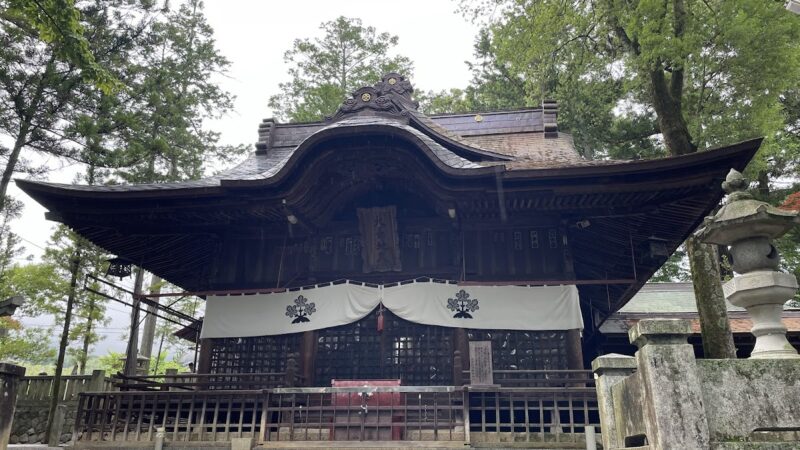
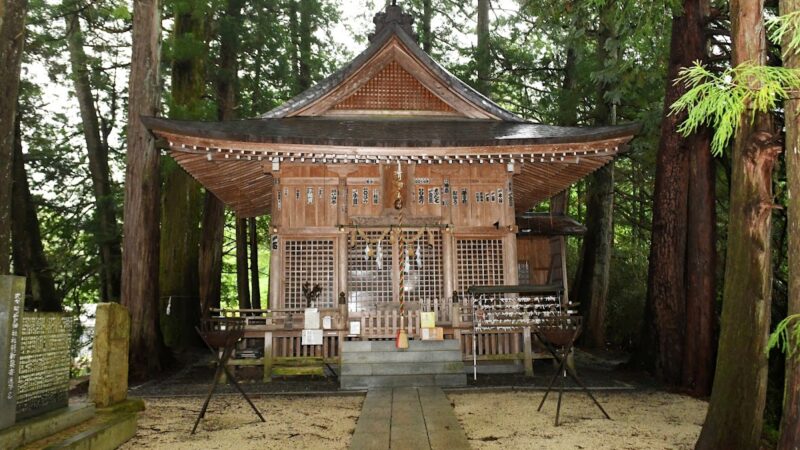
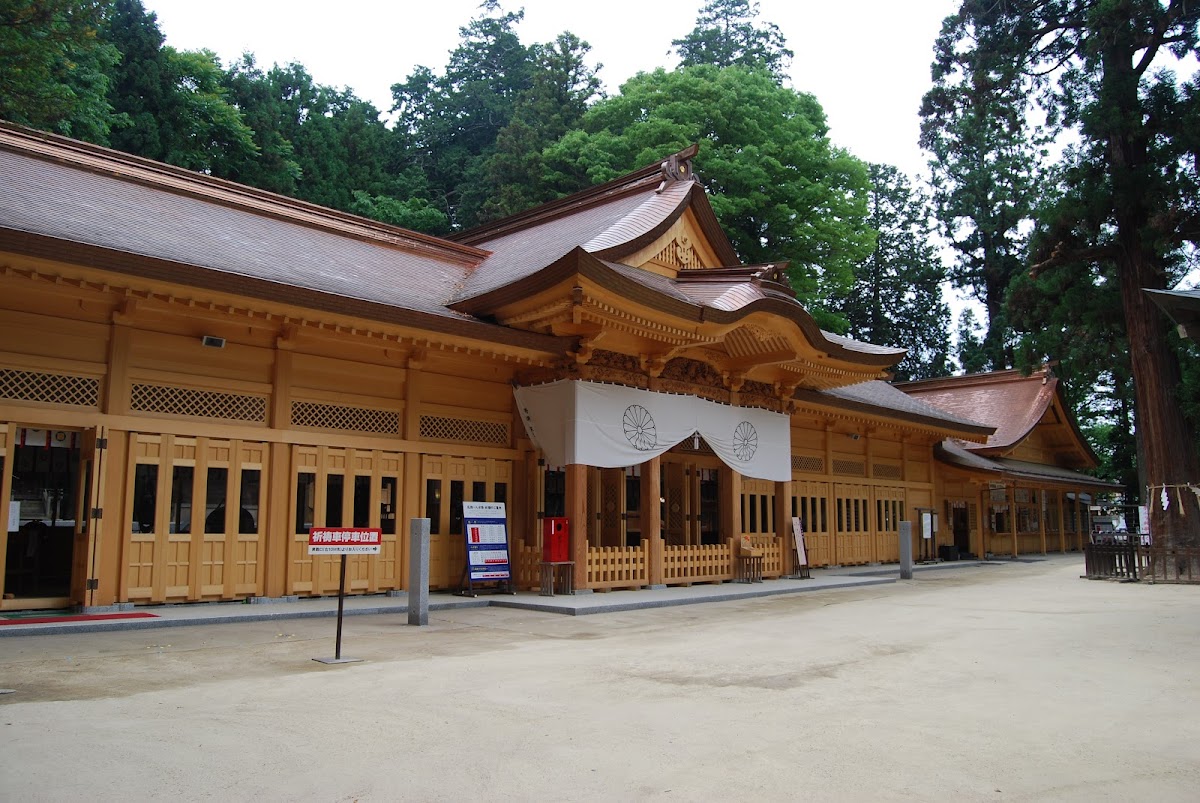
There are several temples named “Sōtoku-ji” throughout Japan. Each belongs to a different sect, and their founding circumstances and historical backgrounds are diverse. Notable Sōtoku-ji temples include a Jōdo-shū temple in Shimogyo-ku, Kyoto City, a Sōtō-shū temple in Hachioji City, Tokyo, a Sōtō-shū temple in Azumino City, Nagano Prefecture, and a Sōtō-shū temple in Hirosaki City, Aomori Prefecture.
Each temple is deeply connected to the history and culture of its region and has been cherished by people as a center of local faith for many years. The characteristics and objects of worship of each temple differ depending on their sect and location.
Sōtoku-ji Temple (Awashima-dō) in Shimogyo-ku, Kyoto City | An ancient temple known as a guardian deity for women
History and Founding Circumstances
Sōtoku-ji Temple, located in Shimogyo-ku, Kyoto City, belongs to the Seizan Jōdo sect. Its mountain name is Fukuchi-zan, and its principal image is Amida Buddha. It is said to have been founded by Gyōa Shōnin during the Ōei era (1394-1428).
During the Hōtoku era (1449-1452), Nankei Oshō invited Awashima Myōjin from Awashima Shrine in Kii Province (present-day Wakayama Prefecture) and built Awashima-dō within the temple grounds. According to temple tradition, when Nankei Oshō was carrying the sacred object to Kyoto, the object suddenly became heavy in this area, so he took this as a divine sign and enshrined it here.
The Faith and Blessings of Awashima-do Temple
Awashima-do Temple has long been widely revered as the “guardian deity of women’s lives.” Many worshippers visit to pray for healing from women’s diseases, safe childbirth, and fertility, and it is known as a deity that protects women’s health and happiness.
Within the temple grounds is a small torii gate, and it is believed that if one passes through this gate, their wish will be granted. This unique method of worship is one of the characteristics of Awashima-do Temple.
Highlights of the Temple Grounds
Despite its convenient location, approximately a 10-minute walk from Kyoto Station, the temple grounds maintain a quiet and peaceful atmosphere. The grounds, centered around Awashima-do Temple, feature historical buildings that convey the history of faith spanning approximately 600 years.
The main hall houses an Amida Buddha statue and serves as a center of Pure Land Buddhism as a temple of the Seizan Jodo sect. The coexistence of Awashima-do Temple and the main hall is a valuable example that tells the story of the history of Shinto-Buddhist syncretism. ### Access and Location
Location: Shimogyo-ku, Kyoto City, Kyoto Prefecture
Access:
- Approximately 10 minutes on foot from JR Kyoto Station
- A few minutes on foot from the nearest bus stop if using the city bus
Its convenient location near Kyoto Station makes it easy to visit while sightseeing. It’s also possible to combine a visit with other sightseeing spots in Kyoto City.
Columbarium and Cemetery Information
Sōtoku-ji Temple also operates a columbarium and offers cemetery plots. Its proximity to Kyoto Station makes it easily accessible for visitors. If you are considering using a cemetery or columbarium, we recommend contacting the temple directly.
Sōtoku-ji Temple in Hachioji City, Tokyo | A Sōtō Zen Temple Associated with Takeda Family Vassals
History and Relationship with Yagi-juku
Sōtoku-ji Temple, located in Takiyama-cho, Hachioji City, Tokyo, is a Sōtō Zen temple with the mountain name Banryūzan. It is said that the temple originated when Yagi Genzaemon, a retainer of the Takeda clan of Kai Province, opened a hermitage, which is also the origin of the place name “Yagi-shuku” in this area.
It was formally established as a temple in 1639 (Kanei 16) and has since developed as a center of faith in the region. Its historical connection to the Takeda clan is a significant characteristic of this temple.
Temple Grounds and Facilities
As a Soto Zen temple, it also functions as a place for Zen meditation and spiritual training. Traditional temple architecture, including the main hall, is arranged within the grounds, providing a tranquil environment for worship and spiritual practice.
The temple also houses historical documents and cultural artifacts that convey the history of the region, making it an important temple for understanding the history of Hachioji.
Access and Location
Location: Takiyama-cho, Hachioji City, Tokyo
Access:
- By bus from JR Hachioji Station or Keio Hachioji Station on the Keio Line
- By car, approximately 15 minutes from the Hachioji Interchange on the Chuo Expressway
It can be visited as part of a historical sightseeing route within Hachioji City.
Sōtoku-ji Temple in Ōme City, Tokyo | A Temple Also Used as a Cemetery
Overview and Features
Sōtoku-ji Temple, located in Nishibun-chō, Ōme City, Tokyo, is a temple that operates as a temple cemetery. Cemetery facilities such as a parking lot and water supply are provided, considering the convenience of visitors.
Use as a Cemetery/Graveyard
Sōtoku-ji Temple accepts burial plots from the general public as a temple cemetery. It is used by local residents as a place to remember their loved ones in a quiet environment.
If you are considering using a burial plot, it is necessary to check with the temple in advance regarding the religious sect, terms of use, and fees.
Access and Location
Location: 1-33 Nishibuncho, Ome City, Tokyo
Access:
- Accessible by foot or bus from Ome Station on the JR Ome Line
- Parking available
Accessible by car, with a well-maintained parking lot, making it convenient for visiting graves.
Sōtoku-ji Temple, Azumino City, Nagano Prefecture | A Sōtō Zen Temple nestled at the foot of Mt. Hotaka
History and Founding
Sōtoku-ji Temple, located in Azumino City, Nagano Prefecture, is a Sōtō Zen temple with the mountain name Mt. Hotaka. Its principal image is the Eleven-faced Thousand-armed Kannon Bodhisattva, and it is known as a temple of Kannon worship.
According to temple tradition, it was founded in 1574 (Tenshō 2) by Hotaka Morimune, a branch of the Nishina clan, with the 13th abbot of Reishō-ji Temple, Shigedo, as its founding priest. As a branch temple of Reishō-ji Temple, it has played a role in spreading the teachings of the Sōtō Zen sect in the region.
Principal Image and Faith
The principal image, the Eleven-Faced Thousand-Armed Kannon Bodhisattva, is a Buddhist statue embodying the compassion of Kannon Bodhisattva, who saves all sentient beings. It is believed to save people with its thousand hands and watch over them in all directions with its eleven faces, attracting many worshippers.
Temple Grounds and Surrounding Environment
The temple grounds, surrounded by the rich nature of Azumino, offer beautiful scenery throughout the seasons. Its location overlooking the Northern Alps provides peace of mind to visitors.
Access and Location
Location: Azumino City, Nagano Prefecture
Access:
- By car or bus from Hotaka Station on the JR Oito Line
- Approximately 15 minutes by car from the Azumino Interchange on the Nagano Expressway
It is conveniently located for a visit as part of Azumino sightseeing.
Sōtoku-ji Temple, Hirosaki City, Aomori Prefecture | A Sōtō Zen Temple Associated with Tsugaru Tamenobu
History and Relationship with the Tsugaru Family
Sōtoku-ji Temple, located in Nishishigemori 1-chome, Hirosaki City, Aomori Prefecture, is a Sōtō Zen temple with the mountain name Kōshunzan. It is said to have been founded by Tsugaru Tamenobu, the first lord of the Hirosaki Domain, to commemorate his father, Takeda Morinobu.
Its deep connection with the Tsugaru family enhances the historical value of this temple, making it an important temple for understanding the history of Hirosaki.
Temple Grounds and Cultural Properties
As a temple that conveys the history of the Hirosaki castle town, historical buildings and cultural properties are preserved on the temple grounds. Items and documents related to the Tsugaru family are also preserved, contributing to local historical research.
Access and Location
Location: 1-chome, Nishishigemori, Hirosaki City, Aomori Prefecture
Access:
- Take the Konan Bus from JR Hirosaki Station
- One of the temple and shrine pilgrimage routes around Hirosaki Castle
Visiting Hirosaki Castle and the surrounding temples and shrines will allow you to gain a deeper understanding of Hirosaki’s history.
Sōtoku-ji Temple, Annaka City, Gunma Prefecture | One of the Usui Yasaka Kannon Pilgrimage Sites
Sōtoku-ji Temple, located in Annaka City, Gunma Prefecture, is known as one of the pilgrimage sites of the Usui Yasaka Kannon Pilgrimage. It has served as a center of local faith, welcoming pilgrims and worshippers.
As a historical temple in the Usui Pass area, it preserves the history of local culture and faith.
Access and Location
Location: Annaka City, Gunma Prefecture
Access:
- By car or bus from Annaka Station on the JR Shin’etsu Main Line
- Approximately 20 minutes by car from Usui-Karuizawa IC on the Joshin’etsu Expressway
Sōtoku-ji Temple (Mikane Daikokuten) in Nishio City, Aichi Prefecture | Nichiren Buddhist Temple
Overview and Features
Sōtoku-ji Temple, located in Nishio City, Aichi Prefecture, is a Nichiren Buddhist temple. Its mountain name is Enmyōzan, and it is known as Mikane Daikokuten. Situated in a naturally rich environment surrounded by Mikane Mountain and Mikawa Bay, it offers healing and peace to visitors.
Daikokuten Worship
Mikane Daikokuten enshrines Daikokuten, who is worshipped as the god of good fortune and wealth. The worship of Daikokuten, one of the Seven Lucky Gods, attracts many visitors praying for business prosperity and family safety.
Access and Location
Location: Nishio City, Aichi Prefecture
Access:
- By car or bus from Meitetsu Nishio Station
- One of the sightseeing routes along Mikawa Bay
Etiquette and Manners for Visiting Sōtoku-ji Temple
Basic Manners for Visiting Temples
When visiting a temple, please observe the following basic manners:
- Attire: Please wear clean and understated clothing.
- Photography: Even if photography is permitted on the temple grounds, please refrain from photographing the interior of the main hall or Buddha statues.
- Quietness: Please be quiet on the temple grounds and avoid disturbing other visitors.
- Worship Etiquette: When in front of the main hall, please join your hands in prayer and offer your prayers with sincerity.
Visiting Hours and Admission Fees
Visiting hours and admission fees vary depending on the temple. It is recommended to check the website or call each temple in advance. It’s a good idea to check the dates and times of special viewings and events.
Differences and Characteristics by Sect
The Sotoku-ji temples throughout Japan mainly belong to the following sects:
Seizan Jodo Sect (Sotoku-ji Temple, Kyoto City)
A branch of the Jodo sect, it preaches faith centered on the recitation of the Buddha’s name, Amida Buddha. It seeks rebirth in the Pure Land through the recitation of “Namu Amida Butsu.”
Soto Zen Sect (Hachioji, Azumino, Hirosaki, etc.)
A branch of the Zen sect, it emphasizes seated meditation practice. It preaches “Shikan Taza,” simply and wholeheartedly sitting in meditation.
Nichiren Sect (Sotoku-ji Temple, Nishio City)
With Nichiren Shonin as its founder, it considers the Lotus Sutra as its fundamental scripture. It emphasizes the chanting of the title “Namu Myoho Renge Kyo.”
For Those Considering the Use of Cemeteries and Columbariums
Advantages of Temple Cemeteries
Temple cemeteries offer the following advantages:
- Perpetual Memorial Service: The temple will continue to provide memorial services responsibly.
- Religious Peace of Mind: Regular memorial services are performed by monks.
- Well-Managed: The entire temple grounds are properly maintained.
- History and Prestige: The peace of mind that comes from having memorial services at a temple with a long history.
Points to Check Before Use
When considering the use of a cemetery or columbarium, please check the following points:
- Religious Restrictions: Whether membership in the temple’s religious sect is required.
- Costs: Perpetual usage fees, management fees, memorial service fees, etc.
- Terms of Use: Conditions and rules for using the cemetery.
- Transportation Access: Ease of visiting the graves.
- Facilities: Availability of parking, water facilities, etc.
Comparison of Access to Sotoku-ji Temples in Various Locations
Urban Temples (Kyoto, Hachioji, Ome)
Sōtoku-ji Temples located in urban areas are easily accessible by public transportation. In particular, Sōtoku-ji Temple in Kyoto City is conveniently located within walking distance of Kyoto Station, making it easily accessible for tourists.
Rural Temples (Azumino, Hirosaki, Annaka, Nishio)
Sōtoku-ji Temples located in rural areas are often easily accessible by car, and their surrounding natural environment is one of their attractions. Visiting them in conjunction with sightseeing is recommended.
Annual Events and Special Viewings
Each Sōtoku-ji temple holds annual events according to the traditions of its sect and region:
Main Annual Events
- First three days of the New Year: Hatsumode (first shrine visit of the year), Shōshō-e (New Year’s ceremony)
- Spring and Autumn Equinoxes: Higan-e (equinox memorial service)
- Obon (Buddhist festival): Urabon-e (Obon festival), Segaki (feeding of hungry ghosts) ceremony
- Events specific to each sect: Memorial services for the founders of each sect, etc.
In particular, Awashima-dō in Kyoto sometimes holds special services to pray for women’s health.
Combinations with Nearby Tourist Attractions
Around Sotoku-ji Temple, Kyoto City
- Tourist attractions around Kyoto Station
- World Heritage Sites such as Toji Temple and Nishi Hongan-ji Temple
- Kyoto Tower, Kyoto Aquarium
Around Sotoku-ji Temple, Hachioji City
- Mount Takao
- Hachioji Castle Ruins
- Takiyama Castle Ruins
Around Sotoku-ji Temple, Azumino City
- Daio Wasabi Farm
- Azumino Chihiro Art Museum
- Hotaka Shrine
Around Sotoku-ji Temple, Hirosaki City
- Hirosaki Castle
- Fujita Memorial Garden
- Saishoin Five-Storied Pagoda
Historical Value and Cultural Significance of Sotoku-ji Temple
Sotoku-ji temples, scattered throughout Japan, are each deeply connected to the history and culture of their respective regions. They possess diverse historical values, including relationships with samurai families such as the Takeda and Tsugaru clans, their role as centers of women’s worship, and their function as regional family temples.
These temples play an important role not only as religious facilities but also as cultural assets that convey the history of the region. The buildings remaining on the temple grounds, the cultural artifacts preserved, and the legends and traditions passed down through generations are invaluable resources for understanding Japanese history and culture.
Summary | The Charm of Visiting Sōtoku-ji Temples
Sōtoku-ji temples throughout Japan each possess their own unique history and characteristics, offering diverse attractions to visitors. In Kyoto, Awashima-dō offers a glimpse into the worship of a female guardian deity; in Hachioji, a history connected to the Takeda family; in Azumino, the natural beauty of the Northern Alps and Kannon worship; and in Hirosaki, the history of the Tsugaru family.
Temple visits are not merely sightseeing; they are a valuable opportunity to learn about Japanese history, culture, and forms of faith. By visiting Sōtoku-ji temples in various regions, you can experience the unique characteristics of each area, the differences between sects, and the changes over time.
When visiting, please check the information of each temple beforehand and observe appropriate manners. The time spent calming your mind in the tranquil temple grounds and reflecting on history will be a precious moment away from the hustle and bustle of modern life.
If you are considering using a cemetery or columbarium, we recommend that you actually visit the temple to get a feel for the atmosphere and speak directly with temple staff. A memorial service held at a temple with a long history will likely be the best way to honor your loved one.