Engaku-ji Temple (Ukyo-ku, Kyoto Prefecture) Complete Guide | History and Highlights of Mizuo-san Temple, Associated with Emperor Seiwa
Nestled in the mountains of Saga Mizuo, Ukyo-ku, Kyoto City, on the banks of the clear Mizuo River, Engaku-ji Temple is an ancient Jodo sect temple known for its deep connection to Emperor Seiwa. Formerly known as “Mizuo-san Temple,” this temple continues to convey the weight of history in the now-declining Mizuo village. This article provides detailed information you should know before visiting Engaku-ji Temple, including its history, highlights, and access methods.
Basic Information about Engaku-ji Temple
Official Name: Engaku-ji Temple
Former Name: Mizuosan-ji Temple
Sect: Jodo Sect
Chief Priest: Yuya Ueda
Location: 58 Miyanowaki-cho, Saga Mizuo, Ukyo-ku, Kyoto City, Kyoto Prefecture
Founded: Heian period
Founder: Deeply connected to Emperor Seiwa
Cultural Property Designation: Part of a Japanese Heritage Site
Engaku-ji Temple is located in the Saga Mizuo district, away from the center of Kyoto City, and stands opposite Emperor Seiwa’s mausoleum across the Mizuo River valley. Though small in scale, it is a temple of high historical value and has attracted the faith of the local community.
History and Origins of Engaku-ji Temple
Origins as Mizuosan-ji Temple
Engaku-ji Temple’s predecessor was called “Mizuosan-ji Temple,” and it has a long history dating back to the Heian period. This area, Mizuo, has deep ties to Emperor Seiwa (850-881), the 56th emperor of Japan, and is known as the place where he lived in seclusion after abdicating.
Emperor Seiwa abdicated in 876 and became a monk, entering the Buddhist priesthood. It is said that he then settled in Mizuo and devoted himself to Buddhist practice. Engaku-ji Temple is believed to have been built to commemorate Emperor Seiwa, and its location facing the emperor’s mausoleum further demonstrates the depth of its connection.
Conversion to the Jodo Sect and Renaming to Engaku-ji Temple
While there are various theories regarding the temple’s original sect, it later converted to the Jodo sect, and its name was changed to “Engaku-ji Temple.” Although there are no clear records of the timing or circumstances of this renaming, it is believed that the current form was established along with the spread of the Jodo sect from the medieval period onward.
As a Jodo sect temple, Engaku-ji Temple has enshrined Amida Buddha as its principal deity and has continued to uphold the teachings of attaining rebirth in paradise through chanting the Buddha’s name. Due to its location in the mountains of Mizuo, it has historically been an important place for ascetic training.
Mizuo Village and Engaku-ji Temple
Mizuo village is located in a particularly mountainous area within Kyoto City and is currently a depopulated village. However, it was once known as a place associated with Emperor Seiwa and a production area for yuzu citrus, and many people lived there.
Engaku-ji Temple has served as a spiritual pillar for this village, attracting the faith of its residents. Even in modern times of increasing depopulation, it is maintained as an important presence that conveys the history and culture of the region.
Highlights of Engaku-ji Temple
Main Hall and Temple Grounds
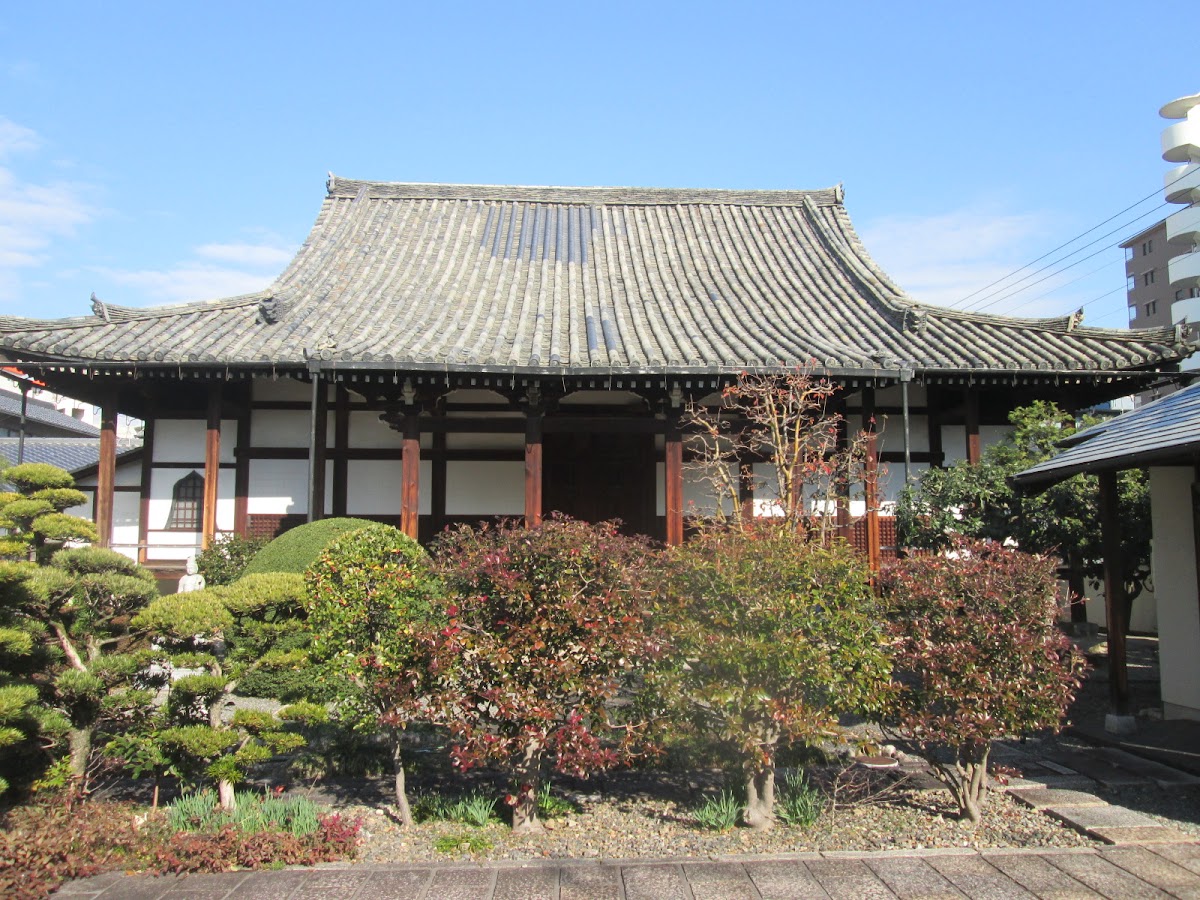
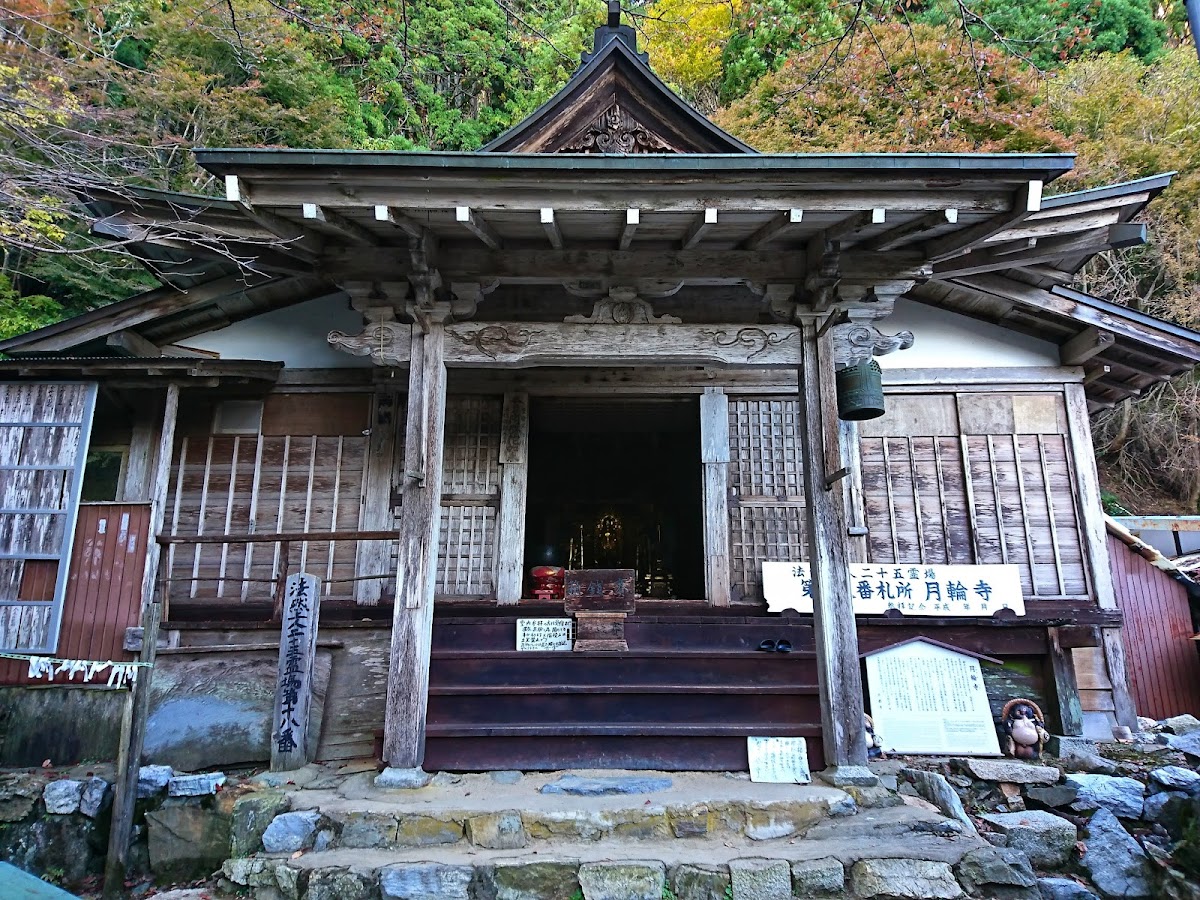
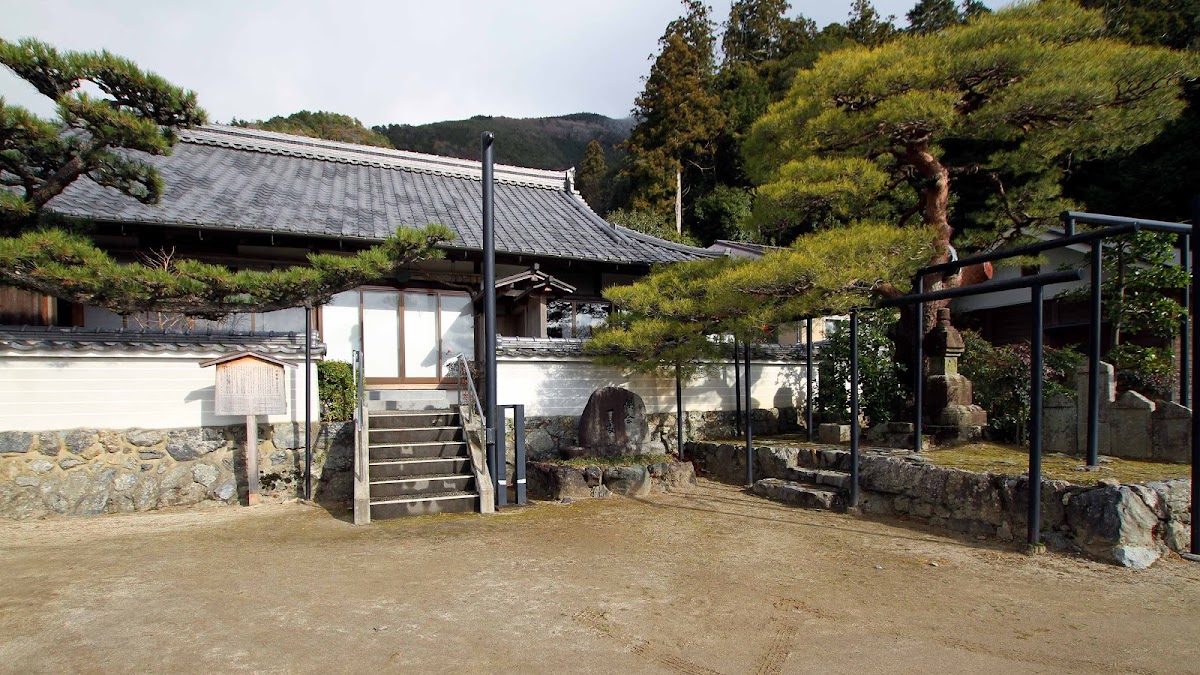
Engaku-ji Temple is a small temple, but its main hall, nestled in the tranquil environment of the mountains, exudes a simple yet solemn atmosphere. The wooden main hall exudes a sense of history, and inside, the principal image of Amida Buddha is enshrined.
The temple grounds are meticulously maintained, and visitors are greeted by the beauty of nature throughout the seasons. Especially during the fresh greenery of spring and the vibrant autumn foliage, one can enjoy the beautiful scenery harmonizing with the surrounding mountains.
Location relative to Emperor Seiwa’s mausoleum
A major characteristic of Engaku-ji Temple is its location directly across the Mizuo River from Emperor Seiwa’s mausoleum (Mizuoyama Mausoleum). This arrangement is not a coincidence, but symbolizes the temple’s role in commemorating the emperor.
When visiting Engaku-ji Temple, we highly recommend also visiting Emperor Seiwa’s mausoleum. Visiting both will allow you to gain a deeper understanding of the historical significance of this place.
Cultural property of a Japan Heritage site
Engaku-ji Temple is registered as a cultural property of a Japan Heritage site by the Agency for Cultural Affairs. This designation is not related to Japanese Heritage stories such as “Tanba Sasayama Dekansho-bushi – Memories of the Hometown Passed Down Through Folk Songs,” but rather because it is recognized as an important cultural property that conveys the history and culture of Kyoto.
With this designation, Engaku-ji Temple is positioned not merely as a temple, but as an important heritage site that tells the story of Japanese history and culture.
The Natural Environment of Mizuo
One of the attractions of visiting Engaku-ji Temple is its rich surrounding natural environment. The clear waters of the Mizuo River, the surrounding mountains, and the vegetation that changes with the seasons create a tranquil space far removed from the hustle and bustle of the city.
The Mizuo area, in particular, is known as a production area for yuzu citrus, and the scent of yuzu fills the air from autumn to winter. You can also enjoy Mizuo’s yuzu cuisine in conjunction with your visit to Engaku-ji Temple.
Access to Engaku-ji Temple
Access by Public Transportation
Because Engaku-ji Temple is located in a mountainous area, access by public transportation is somewhat difficult. The nearest transportation options are as follows:
If using JR:
- Get off at Hozukyo Station on the JR Sagano Line
- Approximately 2 hours on foot from the station (including the hiking trail)
If using the bus:
- Get off at the Kiyotaki bus stop on the Kyoto City Bus or Kyoto Bus
- Approximately 1 hour 30 minutes on foot from there
Most convenient access:
- Take the Kyoto Keihoku Line bus from JR Kyoto Station or Hankyu Katsura Station and get off at the Mizuo bus stop
- Approximately 15 minutes on foot from the bus stop
However, since the number of buses is limited, we strongly recommend checking the timetable in advance.
Access by car
Access by car is the most convenient.
- Approximately 40 minutes from central Kyoto via National Route 162 (Shuzan Kaido)
- Approximately 30 minutes from Arashiyama via Prefectural Route 50
Regarding parking, there are some parking spaces in the Mizuo settlement, but please drive carefully as the mountain roads are narrow. Especially during winter, there is a possibility of snow and ice, so please check road conditions in advance.
Points to Note When Visiting
- Due to the mountainous area, there are places where cell phone signals are weak.
- Facilities such as toilets and shops are limited.
- During winter, snow may accumulate, making access difficult.
- Insect repellent is recommended even in summer.
- We recommend visiting in comfortable shoes and clothing.
Engaku-ji Temple Visiting Information
Visiting Hours and Admission Fee
Engaku-ji Temple is a small temple, so there are no clearly defined visiting hours, but generally, daytime visits are possible. However, it is recommended to contact them in advance.
Admission Fee: Free (Donations welcome)
Visiting Hours: Daytime (Advance contact recommended)
Closed Days: None in particular (However, visits may be closed due to memorial services, etc.)
About Goshuin (Temple Seals)
Engaku-ji Temple may offer Goshuin, but since the head priest may not always be present, it is recommended to call ahead to confirm if you definitely want one.
Annual Events
Engaku-ji Temple holds annual events of the Jodo sect, but due to its small scale, the number of events open to the public is limited. It is recommended to inquire directly with the temple about major events.
Nearby Tourist Attractions
Emperor Seiwa’s Mausoleum (Mizuoyama Mausoleum)
This is the mausoleum of Emperor Seiwa, located across the Mizuo River from Engaku-ji Temple. It is a tranquil space managed by the Imperial Household Agency where you can pay your respects to Emperor Seiwa. A must-visit spot when visiting Engaku-ji Temple.
Mizuo Village
Mizuo is a depopulated village, but it is known as a production area for yuzu citrus fruit. From autumn to winter, private homes offer “yuzu baths” and “chicken hot pot.” You can enjoy Mizuo’s local cuisine in conjunction with a visit to Engaku-ji Temple.
Atago Shrine
There is a hiking trail from Mizuo to Mount Atago, leading to Atago Shrine on Mount Atago, one of Kyoto’s most sacred mountains. Those confident in their physical fitness can plan a climb to Atago Shrine after visiting Engaku-ji Temple.
Hozukyo Gorge
Hozukyo Gorge, located close to Mizuo, is a scenic spot famous for its Hozugawa River boat rides and trolley train. You can enjoy the beautiful gorge scenery of Hozukyo Gorge on your round trip to Engaku-ji Temple.
The Charm and Significance of Visiting Engaku-ji Temple
A Space Where You Can Feel Historical Romance
The greatest charm of Engaku-ji Temple is its connection to Emperor Seiwa, a historically important figure. As a temple built on the site where an emperor of the Heian period lived in seclusion, it evokes a sense of historical romance in visitors.
Silence Away from the Hustle and Bustle of the City
Although located within Kyoto city limits, Engaku-ji Temple is situated deep in the mountains, offering a tranquil space completely removed from the urban noise. It is a precious place where one can calm their mind and have time to reflect on oneself.
Preserving the Culture of a Declining Village
In the depopulated Mizuo village, Engaku-ji Temple plays a vital role in preserving the region’s history and culture. Visiting this temple provides an opportunity to learn about the challenges facing rural Japan and to consider the significance of cultural preservation.
Natural Beauty in Every Season
Engaku-ji Temple displays different expressions in each of the four seasons: the fresh greenery of spring, the deep green of summer, the vibrant autumn leaves, and the snowy landscapes of winter. The autumn foliage season, in particular, is breathtakingly beautiful as the surrounding mountains change color.
Differences Between Engaku-ji Temple and Other Temples with the Same Name
There are several temples named “Engaku-ji” throughout Japan. The most famous is Engaku-ji Temple in Kamakura City, Kanagawa Prefecture (the head temple of the Engaku-ji branch of the Rinzai school), but there are also several Engaku-ji temples in Kyoto Prefecture.
Engaku-ji Temple in Kamigyo Ward, Kyoto City
At 178 Yanagiburo-cho, Nashiki-cho-dori, Imadegawa-agaru, Kamigyo Ward, Kyoto City, there is an Engaku-ji temple of the Shinshu Otani sect. This is a completely different temple from the Engaku-ji in Ukyo Ward, so please check the address before visiting.
Engaku-ji Temple in Ukyo Ward: Jodo sect, 58 Miyanowaki-cho, Saga Mizuo, associated with Emperor Seiwa
Engaku-ji Temple in Kamigyo Ward: Shinshu Otani sect, 178 Yanagiburo-cho
When using search or map apps, specifying “Engaku-ji Mizuo” or “Engaku-ji Ukyo Ward” will allow you to accurately find the temple you are looking for.
Model Itinerary for Visiting Engaku-ji Temple
Half-Day Course (Approx. 4 Hours)
- Take a bus from Kyoto Station or Katsura Station to Mizuo (Approx. 1 hour)
- Visit Engaku-ji Temple (30 minutes to 1 hour)
- Visit Emperor Seiwa’s Mausoleum (30 minutes)
- Stroll through Mizuo Village (30 minutes)
- Lunch featuring Mizuo’s Yuzu Citrus Dishes (1 hour)
- Return Trip (Approx. 1 hour)
Full-Day Course (Approx. 8 Hours)
- Arashiyama Sightseeing (Morning)
- Take a car or taxi from Arashiyama to Mizuo (Approx. 30 minutes)
- Visit Engaku-ji Temple (30 minutes to 1 hour)
- Visit Emperor Seiwa’s Mausoleum (30 minutes)
- Lunch featuring Mizuo’s Yuzu Citrus Dishes (1 hour)
- A Stroll Through the Mizuo Village (1 hour)
- A Stroll to the Entrance of the Atago Shrine’s Main Approach (If you have the time and energy)
- The Return Trip
Summary
Engaku-ji Temple in Saga Mizuo, Ukyo-ku, Kyoto City, is a historically significant Jodo sect temple associated with Emperor Seiwa. Formerly known as Mizuo-san-dera, this ancient temple continues to attract local faith in the now-depopulated Mizuo village and serves as a component cultural property of a Japan Heritage site, preserving its historical and cultural heritage.
Access is somewhat difficult, but this is precisely why it maintains a tranquil space far removed from the hustle and bustle of the city. The experiences gained from visiting Engaku-ji Temple are diverse, encompassing its location relative to Emperor Seiwa’s tomb, the rich nature of Mizuo, and its culture as a yuzu-producing region.
Setting itself apart from Kyoto’s famous tourist spots, Engaku-ji Temple is a historical site known only to those in the know, and well worth a visit. It is especially recommended for history buffs, those seeking a peaceful retreat, and those looking to discover Kyoto’s hidden charms. Why not embark on a journey to trace the footsteps of Emperor Seiwa during the season when the yuzu citrus of Mizuo is in full bloom? Engaku-ji Temple is sure to offer you a truly special experience.