Gatsurinji Temple (Ukyo Ward, Kyoto Prefecture) Complete Guide: An Ancient Temple Associated with Honen, Nestled in the Hidden Depths of Mount Atago
Gatsurinji Temple (Tsukinowa-dera, Gatsurinji), located in Tsukinowa-cho, Saga Kiyotaki, Ukyo Ward, Kyoto City, is a Tendai sect mountain temple nestled deep in the mountains east of Mount Atago (924m). Situated on the slopes of Mount Atago, which rises west of the Kyoto Basin, at an altitude of approximately 600 meters, it is considered one of the most difficult temples and shrines to reach in Kyoto City. Despite this, its historical value and natural beauty continue to attract many worshippers and hikers.
History and Origin of Gatsurinji Temple
Circumstances of Founding and Origin of the Temple Name
Several legends remain regarding the founding of Gatsurinji Temple. According to the oldest legend, it was founded in 704 AD by Taicho Daishi. It is said that the temple was later restored in 781 (Ten’ō 1) by the monk Keishun, who received an imperial order from Emperor Kōnin.
The origin of the temple’s name, “Getsurinji,” is particularly interesting. It is said that when Keishun restored the temple, he unearthed a sacred mirror from the ground, and the inscription “Jinten Man Getsurin” (人天満月輪) was carved on its back, hence the name. This anecdote is an important story that speaks to the temple’s mystique and deep history, and has been passed down to this day.
Mountain Name and Sect
Getsurinji’s mountain name is “Kamakurayama (or Kensōzan).” It belongs to the Tendai sect, and its principal image is Amida Buddha. While based on the teachings of the Tendai sect, its deep connections with Honen Shonin and Shinran Shonin (discussed later) give it an important position in the history of Pure Land Buddhism.
Honen Shonin and Gachirinji Temple
Gachirinji Temple holds immense significance in the history of the Jodo sect as the 18th of the 25 sacred sites associated with Honen Shonin. It is said that Honen Shonin (1133-1212) climbed to Gachirinji Temple in his youth and practiced Zen meditation there.
After studying Tendai Buddhism at Mount Hiei, Honen Shonin founded the path of exclusive recitation of the Buddha’s name. It is believed that his training experience at Gachirinji Temple had a considerable influence on the formation of his philosophy. His training in the tranquil, deep mountain environment became a crucial spiritual foundation that led to the later founding of the Jodo sect.
Connection with Shinran Shonin
Gachirinji Temple is also known as the “birthplace of the Shinshu sect.” Shinran Shonin, a disciple of Honen Shonin, is also said to have visited this place, and a cherry tree, the “Shigurezakura,” said to have been planted by Shinran Shonin himself, still remains on the temple grounds. This cherry tree, a significant symbol of Gachirinji Temple’s history, continues to touch the hearts of many visitors.
Connection with Kūya Shōnin
It is said that Kūya Shōnin (903-972), a monk from the mid-Heian period, also climbed Gachirinji Temple and practiced asceticism there. Kūya Shōnin is known as the “Saint of the Marketplace” and was a figure who spread the Nembutsu (recitation of Amida Buddha’s name) among the common people. This is one episode that demonstrates the importance of Gachirinji Temple as a place for mountain asceticism.
Visit of Kujō Kanezane
Kujō Kanezane (1149-1207), a regent and chancellor in the early Kamakura period, is also recorded to have frequently visited Gachirinji Temple. Kanezane is known as a strong follower of Hōnen Shōnin, and his diary, “Gyokuyō,” is a valuable historical document of the time. The fact that a powerful figure climbed the steep mountain paths to make a pilgrimage speaks to the high religious authority of Gachirinji Temple.
Highlights of Gachirinji Temple
Main Hall and Principal Image
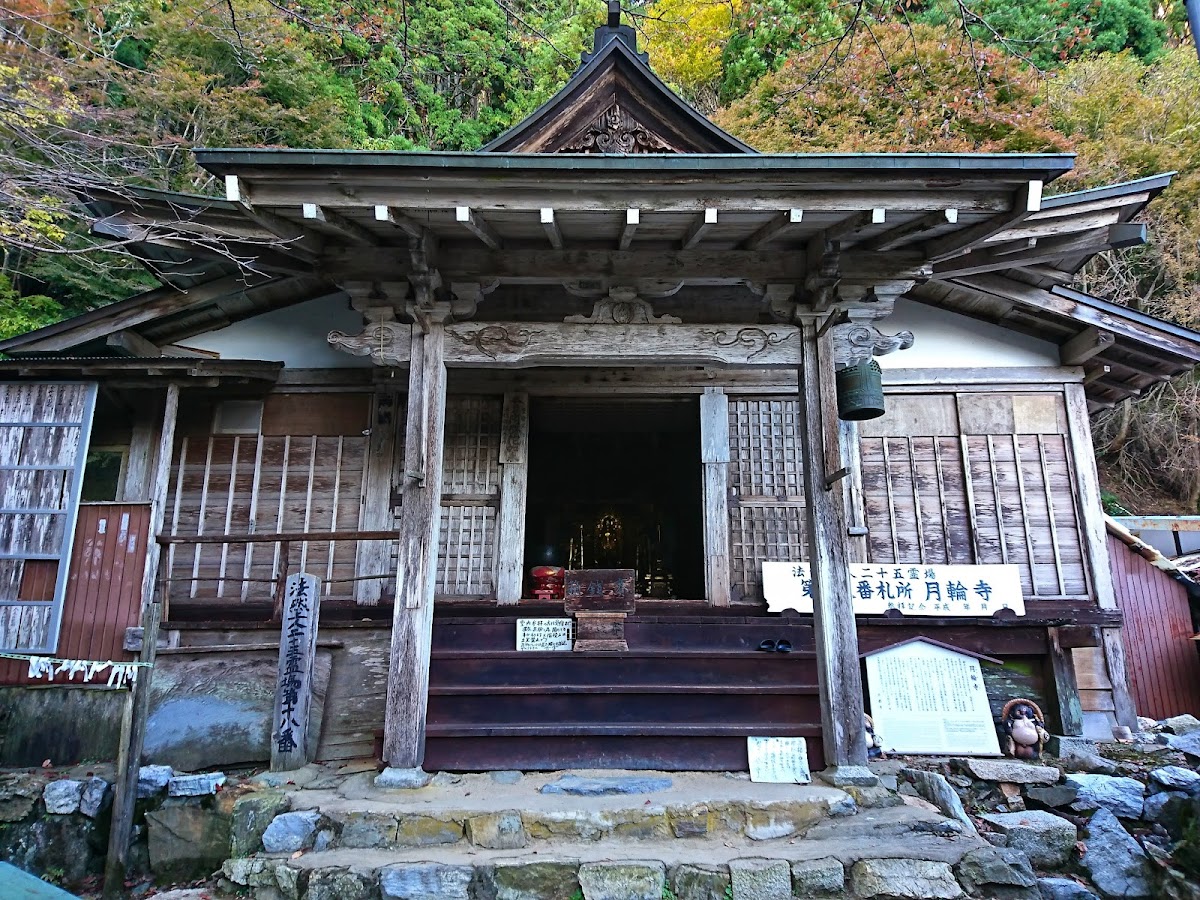
Gachirinji Temple’s main hall is built on a mountainside, harmonizing beautifully with the surrounding nature. The principal image, Amida Buddha, is enshrined as the central figure of Pure Land Buddhism, quietly welcoming visitors.
Treasure Hall
Gachirinji Temple houses numerous valuable cultural artifacts, which can be viewed in the Treasure Hall. Admission is 500 yen, and advance telephone reservations are required (075-871-1376). The Treasure Hall is open from 9:00 to 16:00 (or 9:30 to 15:30).
The Treasure Hall displays valuable materials that tell the story of the temple’s long history, including items related to Honen Shonin and Shinran Shonin. It is especially recommended for those interested in history and Buddhist art.
Shigurezakura Cherry Tree
The Shigurezakura cherry tree, said to have been planted by Shinran Shonin himself, is a representative and famous tree of Gachirinji Temple. This cherry tree, estimated to be over 800 years old, blooms magnificently in spring, captivating visitors. Its evocative name, “Shigurezakura” (meaning “autumn rain cherry tree”), perfectly suits the atmosphere of this place.
Rhododendron Spot
Gachirinji Temple is also widely known as a rhododendron spot. From May to June, the temple grounds and surrounding paths are covered in vibrantly colored rhododendrons, delighting visitors. The beauty of the rhododendrons blooming in the pure mountain air is exceptional, attracting many enthusiasts during the flowering season.
Magnificent Scenery
One of Gachirinji Temple’s greatest attractions is the magnificent scenery it offers. Situated on the slopes of Mount Atago, it boasts panoramic views of the surrounding mountains and the Kyoto Basin. Especially during the autumn foliage season, you can enjoy the breathtaking scenery of the mountains painted in vibrant colors.
Access and Visiting Information
Location
7 Tsukinowa-cho, Saga Kiyotaki, Ukyo-ku, Kyoto City, Kyoto Prefecture 616-8456
Phone Number
075-871-1376 (Used for reservations for viewing the Treasure Hall, etc.)
Access Method
Access to Tsukinowa-ji Temple is particularly difficult among temples and shrines in Kyoto City, and its high level of difficulty enhances its appeal as a “hidden temple.”
Using Public Transportation
- Take a Kyoto Bus to the “Kiyotaki” bus stop.
- From the Kiyotaki bus stop, head towards the Atagoyama Omote-toguchi (main trailhead).
- Walk several kilometers along the stream to reach the parking lot.
- From the parking lot, hike the mountain trail for approximately one hour.
Using a Private Car
You can drive from the Kiyotaki area along the stream to the Gachirinji Temple’s dedicated parking lot. However, the road is narrow, so driving requires extreme caution. From the parking lot, a hike of approximately one hour is required.
Notes on the Hiking Trail
The hiking trail from the parking lot to Gachirinji Temple is a proper mountain trail. Please note the following:
- Estimated Time: Approximately 1 hour one way (may vary depending on the individual)
- Equipment: Hiking boots or trekking shoes recommended
- Clothing: Comfortable clothing appropriate for the season
- Items to Bring: Drinking water, towel, rain gear, etc.
- Physical Fitness: A certain level of physical fitness is required
- Weather: Special care is needed in rainy weather or during winter
Visiting Hours and Admission Fee
- Temple Grounds Visiting: Generally free (however, consider the hiking time)
- Treasure Hall Visiting Hours: 9:00 AM – 4:00 PM (or 9:30 AM – 3:30 PM)
- Treasure Hall Admission Fee: 500 yen
- Treasure Hall Visiting: Telephone reservation required
Best Season to Visit
Spring (April – May)
Spring, when the Shigurezakura cherry blossoms bloom, is one of the most popular seasons to visit Gatsurinji Temple. The sight of cherry blossoms, associated with Shinran Shonin, in full bloom is truly moving.
Early Summer (May-June)
Early summer, when the rhododendrons are in full bloom, is also an ideal time to visit. The vibrant rhododendron blossoms adorn the mountain paths, providing a soothing respite from the climb. The fresh greenery is also beautiful, making a visit in the crisp, clean air a truly special experience.
Autumn (October-November)
During the autumn foliage season, the surrounding mountains of Gatsurinji Temple are ablaze with breathtaking beauty. Combined with the autumn colors of the Atago Mountain area, it becomes a highlight of Kyoto sightseeing. However, visitor numbers increase during this time, so visiting earlier in the day is recommended.
Summer/Winter Visits
While some people visit in summer seeking respite from the heat, the mountain trails can become hot and humid. In winter, there is a possibility of snow, and the trails can become dangerous, so it is not recommended for anyone without experience.
Nearby Tourist Attractions
Atago Shrine
It is possible to continue hiking from Gachirinji Temple to Atago Shrine at the summit of Mt. Atago. Atago Shrine is an important Kyoto shrine revered as the god of fire prevention and is known for events such as the “Sennichi Mairi” (Thousand-Day Pilgrimage).
Kiyotaki
Kiyotaki, the starting point for Gachirinji Temple, is a scenic spot with a beautiful stream. You can enjoy the babbling of the Kiyotaki River and the lush greenery, and it is bustling with people seeking respite from the heat in summer.
Sagano/Arashiyama Area
Ukyo Ward, where Gachirinji Temple is located, is adjacent to the Sagano/Arashiyama area. Many of Kyoto’s representative tourist spots, such as Tenryuji Temple, Togetsukyo Bridge, and the Bamboo Grove, are nearby, making it possible to combine a visit to Gachirinji Temple with sightseeing in this area.
Guidelines for Visiting Gachirinji Temple
Respect for a Mountain Temple
Gachirinji Temple is not merely a tourist destination; it is a place of long-standing spiritual training and faith. When visiting, it is important to do so quietly and with respect.
Consideration for Nature Conservation
At Gachirinji Temple, surrounded by abundant nature, be sure to take your trash with you and be careful not to damage the plants. Staying on the hiking trails is also important.
Safety First
The hiking trails are authentic mountain paths. Plan your trip carefully, and have the courage to refrain from visiting if you are feeling unwell or the weather is bad.
Cultural Assets of Gachirinji Temple
Gachirinji Temple houses buildings and Buddhist statues designated as Important Cultural Properties, protected as part of Kyoto’s cultural heritage. Including the items housed in the Treasure Hall, many valuable materials conveying Japanese Buddhist culture remain.
Pilgrimage to the 25 Sacred Sites of Honen Shonin
Gachirinji Temple is the 18th temple on the 25 sacred sites of Honen Shonin, forming part of the Jodo sect’s pilgrimage route. For those undertaking the pilgrimage, Gachirinji Temple is an important destination. Visiting it along with other sacred sites will provide a meaningful experience of tracing the footsteps of Honen Shonin.
Experiences at Gachirinji Temple
Meditation in Silence
At Gachirinji Temple, enveloped in the tranquility of the deep mountains, you can escape the hustle and bustle of everyday life and find peace of mind. Sitting quietly in the main hall or on the temple grounds and spending time in meditation or introspection will be a valuable experience for modern people.
Photography
Gachirinji Temple and the surrounding nature are excellent spots for photography. However, when taking pictures, please be considerate of other visitors and observe proper photography etiquette on the temple grounds.
The Four Seasons of Gachirinji Temple
Gachirinji Temple displays different expressions in each of the four seasons. Gatsurinji Temple is worth visiting in every season: cherry blossoms and rhododendrons in spring, lush greenery in summer, vibrant autumn leaves, and snowy winter landscapes. The charm of Gatsurinji Temple lies in the fact that you can discover something new with every visit.
Summary
Gatsurinji Temple is a mountain temple located on the slopes of Mt. Atago in Ukyo Ward, Kyoto City, making it difficult to reach. Since its founding in 781 AD, it has been associated with important figures in Japanese Buddhist history, such as Honen Shonin, Shinran Shonin, and Kuya Shonin, and continues to convey a deep history and faith.
Gatsurinji Temple boasts many attractions, including the legend of the sacred mirror inscribed with “Jinten Man Getsurin,” the Shigurezakura cherry tree planted by Shinran Shonin, the beauty of its rhododendrons, and the magnificent scenery of Mt. Atago.
Access is not easy, but that’s precisely why the feeling of awe upon visiting is all the more profound. Why not extend your Kyoto sightseeing a little and visit the secluded ancient temple, Gatsurinji Temple? Gachirinji Temple stands quietly in the mountains today, a sacred place open to all, not only pilgrims of the 25 sacred sites of Honen Shonin, but also nature lovers, history buffs, and those seeking tranquility.
When visiting, please check the weather beforehand and ensure you climb safely with appropriate equipment. If you wish to visit the treasure hall, please be sure to make a reservation by phone in advance. Spend a soul-cleansing time at Gachirinji Temple, where you can experience the profound charm of Kyoto.