Enjoji Temple (Ogaki City, Gifu Prefecture) Complete Guide | History, Access, and Visiting Information
Enjoji Temple, located in Arao-cho, Ogaki City, Gifu Prefecture, is a historic temple belonging to the Myoshinji branch of the Rinzai school of Zen Buddhism. This article provides detailed information useful for those considering visiting Enjoji Temple or those interested in local temples, covering everything from basic information and historical background to access methods and nearby attractions.
Basic Information about Enjoji Temple
Location and Contact Information
Enjoji Temple is located at 1284 Arao-cho, Ogaki City, Gifu Prefecture. The postal code is 〒503-0034. It is located slightly north of the city center of Ogaki City, in a quiet residential area.
Basic Data
- Temple Name: Enjoji Temple
- Address: 1284 Arao-cho, Ogaki City, Gifu Prefecture
- Postal Code: 〒503-0034
- Sect: Rinzai Zen Myoshinji School
- Corporate Number: 8200005004489
- Chief Priest: Nakamura Genshu
About the Sect: What is the Rinzai Zen Myoshinji School?
Enjoji Temple belongs to the Rinzai Zen Myoshinji School, a branch of Japanese Zen Buddhism and the largest sect within the Rinzai school. Its head temple is Myoshinji Temple in Kyoto, and it has approximately 3,400 temples nationwide.
The Rinzai school is a form of Zen Buddhism introduced from China during the Kamakura period, characterized by its practice of using koans (Zen dialogues). The Myoshinji school of Zen Buddhism was founded during the Muromachi period and spread widely among samurai and commoners. It emphasizes applying the spirit of Zen to daily life, and practices self-reflection through seated meditation.
History and Origins of Enjoji Temple
Origins of the Temple
While it is difficult to fully ascertain the founding date and detailed history of Enjoji Temple due to the limited existing historical materials, it has a history of being deeply rooted in the community as a temple of the Myoshinji school of Rinzai Zen Buddhism.
Ogaki City has long flourished as a transportation hub, and many temples and shrines were built there. Enjoji Temple is one of them, and has functioned as a center of faith for local residents. Especially after the Edo period, as Ogaki developed as a castle town of the Ogaki Domain, many temples were established, and it is believed that Enjoji Temple played a central role in the local community.
Meaning of the Temple Name “Enjo”
The word “Enjo” has a deep Buddhist meaning. “En” means completeness and perfection, while “Sei” represents achievement and completion. In Buddhism, there is an important concept in Yogacara thought called “Enjo Jissho,” which refers to the true and perfect state, the state of enlightenment.
By prefixing the temple name with “Enjo,” it can be interpreted that the temple expresses its philosophy of wishing for all people to complete their Buddha-nature and attain enlightenment.
The Position of Buddhist Temples in Ogaki City
Temple Situation in Ogaki City
Ogaki City in Gifu Prefecture has 246 Buddhist temples, making it a region with a high temple density relative to its population. This is deeply related to Ogaki’s historical prosperity as a castle town and its strategic location as a transportation hub connecting the Tokaido and Nakasendo roads.
The most common sect of temples in Ogaki City is Shinshu (Jodo Shinshu), followed by Rinzai, Soto, and Jodo sects. Temples of the Myoshinji branch of the Rinzai school, such as Enjoji Temple, exist in a certain number within the city and play an important role in spreading the teachings of Zen.
Characteristics of the Arao-cho Area
Arao-cho, where Enjoji Temple is located, is an area in the northern part of Ogaki City. While historically a rural area, it has recently developed as a residential area. It is characterized by its proximity to major rivers such as the Ibi River and Nagara River, and is blessed with an environment rich in water and greenery.
In addition to Enjoji Temple, several other temples are scattered throughout this area, serving as spiritual anchors for local residents. Various Buddhist events are held throughout the year, playing a role in strengthening community bonds.
How to Access Enjoji Temple
Access by Public Transportation
Using the JR Tokaido Main Line
The nearest station is Ogaki Station on the JR Tokaido Main Line. Ogaki Station is a transportation hub in western Gifu Prefecture, accessible from Nagoya Station in approximately 30 minutes by rapid train and from Gifu Station in approximately 15 minutes.
Enjoji Temple is approximately 4 kilometers from Ogaki Station. It can be reached by taxi in about 10 minutes or by local bus. Ogaki City also operates a community bus, which is used by local residents.
Using the Yoro Railway
Nishi-Ogaki Station on the Yoro Railway Yoro Line is also relatively close and accessible on foot or by taxi. The Yoro Railway is a local line connecting Ogaki Station and Kuwana Station, offering a pleasant ride through scenic rural landscapes.
Access by Car
Access from Expressways
It takes approximately 15 minutes from the Ogaki Interchange on the Meishin Expressway. The travel time is similar from the Ogaki-Nishi Interchange on the Tokai-Kanjo Expressway.
Car Navigation Settings
Entering “1284 Arao-cho, Ogaki City, Gifu Prefecture” or the phone number (if known) into your car navigation system is convenient. As the temple is located in a residential area, some roads are narrow, so please drive carefully.
Parking Information
Parking is generally available on the temple grounds or nearby, but it is recommended to confirm before visiting. Especially during memorial services and events, congestion is expected, so please consider using public transportation.
Enjo-ji Temple Grounds and Facilities
Main Hall and Buddhist Statues
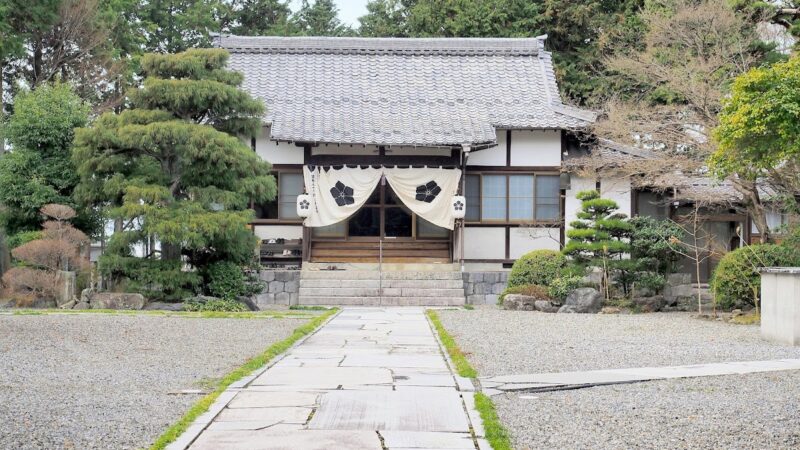
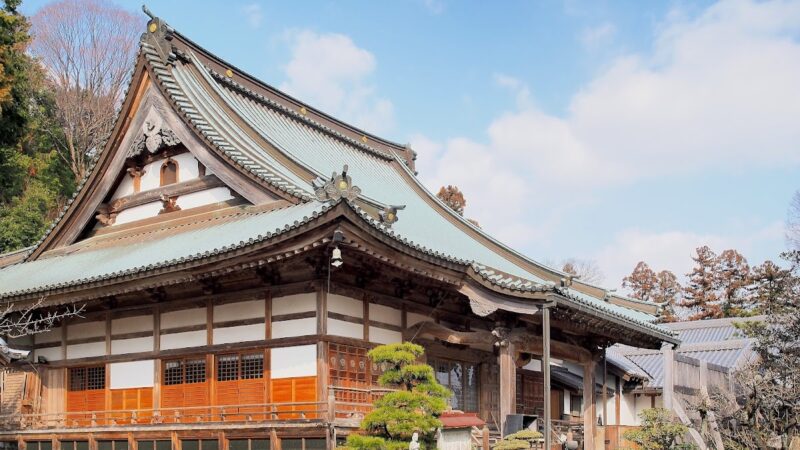
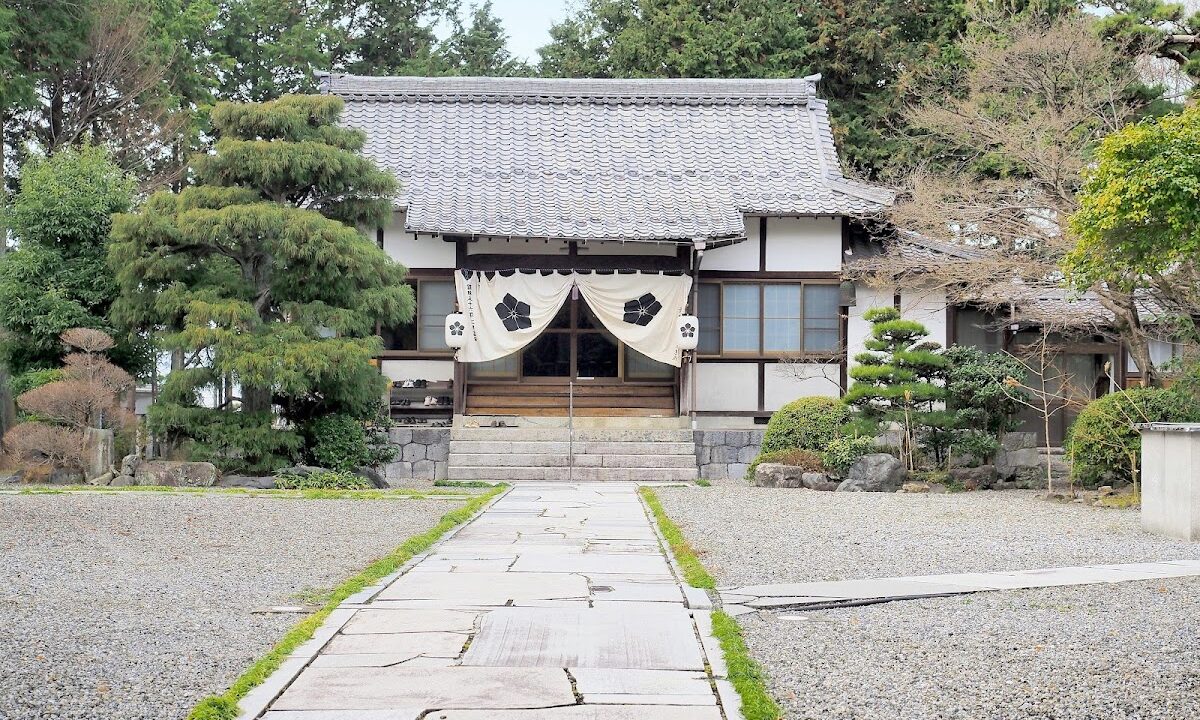
Enjo-ji Temple, a temple of the Myoshin-ji branch of the Rinzai school, typically houses a statue of Shakyamuni Buddha or Kannon Bodhisattva as its principal image in its main hall. The main hall of Zen temples often also serves as a meditation hall, characterized by its simple yet solemn atmosphere.
The interior of the main hall is usually prepared as a space where worshippers can quietly pray, embodying the spirit of Zen with its simple yet dignified design.
Atmosphere of the Temple Grounds
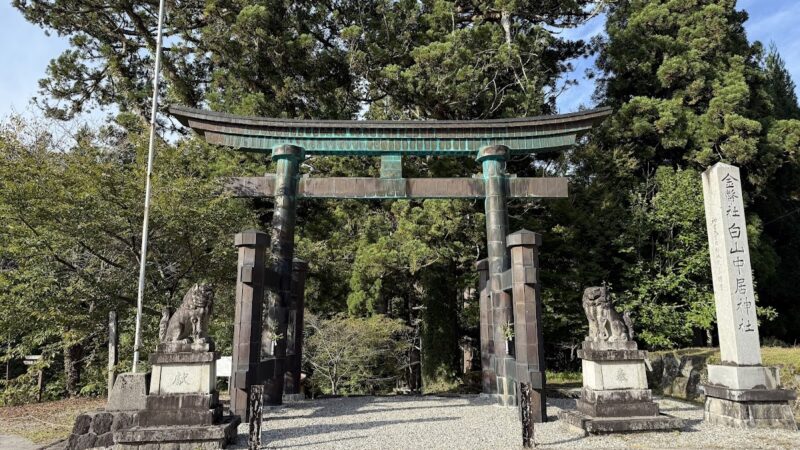
The grounds of Zen temples generally feature neatly maintained gardens and trees, providing visitors with tranquility and peace. Enjoji Temple, as a local temple, is believed to maintain an environment where visitors can experience the changing seasons.
The temple grounds are especially beautiful during the cherry blossom season in spring and the autumn foliage season. It is a place cherished by local residents as a place to escape the hustle and bustle of everyday life and find peace of mind.
Main Events Held at Enjoji Temple
Annual Events
At temples of the Rinzai sect, Myoshinji school, various Buddhist events are held throughout the year. Enjoji Temple may also hold the following events:
Spring Events
- Spring Equinox Memorial Service (March)
- Flower Festival (Buddha’s Birthday, April 8th)
Summer Events
- Obon Festival (August)
- Segaki Memorial Service
Autumn Events
- Autumn Equinox Memorial Service (September)
- Daruma Memorial Day (October 5th, anniversary of Bodhidharma’s death)
Winter Events
- Enlightenment Ceremony (December 8th, commemorating the Buddha’s enlightenment)
- New Year’s Eve Bell Ringing (December 31st)
Zen Meditation and Dharma Talks
Many Rinzai Zen temples regularly hold Zen meditation sessions and Dharma talks that are open to the public. It is possible that Enjoji Temple also holds such events.
Zen meditation is a fundamental practice in Zen Buddhism, and it is common for beginners to receive careful instruction. Many people participate in this event as an opportunity to escape the stresses of modern society and find peace of mind.
Attractions around Enjo-ji Temple
Tourist Spots in Ogaki City
When visiting Enjo-ji Temple, you can also visit other tourist spots in Ogaki City.
Ogaki Castle
Ogaki Castle, a symbol of Ogaki City, is a historically important castle that served as a base for the Western Army in the Battle of Sekigahara. Currently, a reconstructed castle tower stands there, serving as a place of relaxation for citizens. It is approximately a 15-minute drive from Enjo-ji Temple.
The Ending Place of the Oku no Hosomichi
Known as the place where Matsuo Basho ended his journey on the “Oku no Hosomichi,” a memorial hall and haiku monument have been established. It is a spot where you can feel the atmosphere of Ogaki, the “City of Water.”
Sunomata Ichiyajo Castle
This is a historical museum that recreates the legendary castle said to have been built overnight by Toyotomi Hideyoshi. It is about a 20-minute drive from Enjoji Temple.
Nearby Temples and Shrines
Ogaki City has many temples scattered throughout, making it enjoyable to visit them.
Entsuji Temple
Located in Aobaka-cho, Ogaki City, this is a Rinzai Zen temple of the Myoshinji school, known for its beautiful garden.
Myojorinji Temple
An ancient Shingon Buddhist temple, with Kokuzo Bosatsu as its principal deity, attracting worshippers seeking protection from misfortune and academic success.
Jodo Shinshu Temples
Ogaki City has many Jodo Shinshu temples, with magnificent temples of the Honganji and Otani schools scattered throughout the city.
Manners and Etiquette for Visiting Temples
Basic Manners for Visiting Temples
When visiting temples, please observe the following basic manners.
Clothing
No special clothing is required, but clean and understated attire is desirable. Avoid revealing clothing and flashy decorations. Upon Entering the Temple
When passing through the temple gate, bow before entering. Walk quietly within the temple grounds and refrain from loud conversations.
Worship at the Main Hall
- Bow slightly in front of the main hall.
- If there is an offering box, quietly place your offering in it.
- Join your hands in prayer and offer a sincere bow.
- Bow again before leaving.
Photography
Photography within the temple grounds is permitted unless prohibited, however, permission may be required to photograph the interior of the main hall or Buddha statues. Please check in advance if you have any questions.
Etiquette Unique to Zen Temples
At Rinzai Zen temples, please also pay attention to the following points:
Maintain Silence
Zen Buddhism values silence. Be especially quiet within the temple grounds and respect the meditative atmosphere.
When Participating in a Zen Meditation Session
When participating in a Zen meditation session, wear comfortable clothing and be punctual. If this is your first time, please let us know in advance so we can provide you with thorough guidance.
Funeral and Memorial Service Consultation
Funeral and Memorial Services at Enjo-ji Temple
Enjo-ji Temple conducts funerals and memorial services for its parishioners. Chief Priest Genshu Nakamura conducts respectful memorial services, remembering the deceased and offering comfort to the bereaved family.
Main Memorial Services
- Funeral and Farewell Ceremony
- First Seven Day and Forty-Ninth Day Memorial Services
- Annual Memorial Services (First Anniversary, Third Anniversary, etc.)
- Obon (Buddhist All Souls’ Day) Memorial Service
- Higan (Buddhist All Souls’ Day) Memorial Service
About the Parishioner System
The Parishioner system is a system where a family provides financial and spiritual support to a specific temple, and conducts ancestral memorial services and their own funeral at that temple. By becoming a parishioner of Enjo-ji Temple, you can receive the following support:
- Funeral and memorial service execution
- Provision of burial plot (if available)
- Consultation regarding Buddhist rituals
- Participation in temple events
Becoming a temple parishioner may require an interview with the head priest and an entrance fee. Please contact the temple directly for details.
Buddhist Culture and History of Ogaki City
Ogaki’s Relationship with Buddhism
Ogaki City is a region where Buddhist culture has flourished since ancient times. Temples were already established during the Nara period, and the number of Tendai and Shingon sect temples increased from the Heian period onward.
Zen Buddhism was introduced during the Kamakura period and spread mainly among the samurai class. From the Muromachi period to the Edo period, many temples were developed under the protection of the Ogaki domain lord. Jodo Shinshu Buddhism, in particular, became deeply ingrained among the common people and still has many followers today.
Ogaki Domain and Temple Policy
During the Edo period, the Ogaki domain positioned temples as part of its governance and managed residents through the temple registration system. Each temple was responsible for managing the household registers of its parishioners and performed a part of the administrative function. Furthermore, the feudal lord supported the construction and restoration of temples and encouraged cultural activities. As a result, Ogaki developed into a center of Buddhist culture in the western Mino region.
Teachings and Practices of the Myoshinji School of Rinzai Zen
Basic Philosophy of Zen
Rinzai Zen emphasizes directly attaining truth through seated meditation, without relying on written words or language. As expressed in the phrases “No dependence on written words” and “Transmission outside the scriptures,” it aims for enlightenment not only through the study of scriptures but also through practice.
Koan Zen
A characteristic practice method of Rinzai Zen is the koan. By tackling problems that are logically impossible to solve, such as “The sound of one hand clapping” or “The word ‘nothingness’,” the aim is to reach a state of enlightenment that transcends the limits of thought.
Application to Daily Life
The teachings of Zen are not only for special practitioners; they can be applied to daily life.
Focusing on the Present Moment
In Zen, “Nikon,” or “this very moment,” is highly valued. Emphasis is placed on a mindset of fully engaging with the task at hand, without being bound by the past or future.
The Spirit of Samu (Work Practice)
This concept views everyday tasks, such as cleaning and preparing meals, as part of spiritual practice. By focusing mindfully on seemingly insignificant daily actions, life itself becomes a form of spiritual training.
Enjoji Temple and the Local Community
The Role of Temples in the Community
In modern times, temples function not merely as religious institutions but also as centers of local communities. Enjoji Temple is believed to play the following roles in the Arao-cho area:
Spiritual Pillar
It provides a spiritual anchor for residents during life’s milestones and difficult times. It offers opportunities to reflect on life and death through funerals and memorial services.
Cultural Inheritance
Through Buddhist events and traditional rituals, it plays a role in passing on Japanese traditional culture to future generations.
A Place for Community Interaction
Through temple events and activities, interaction among local residents is fostered, strengthening community bonds.
Challenges and Initiatives of Temples in Modern Society
Due to the declining birthrate, aging population, and increasing urbanization, temples nationwide face challenges such as a decrease in parishioners and a lack of successors. In this context, many temples are beginning new initiatives.
- Holding Zen meditation and sutra copying sessions for the general public
- Implementing temple concerts and events
- Disseminating information through social media and websites
- Offering end-of-life planning consultations and mental health care services
Enjoji Temple, as a temple open to the community, may also be developing various activities.
Summary: For Those Considering a Visit to Enjoji Temple
Located in Arao-cho, Ogaki City, Gifu Prefecture, Enjoji Temple, a Rinzai Zen Myoshinji-ha temple, has long functioned as a center of faith and culture for local residents. Situated in a quiet residential area, it is an ideal place to escape the hustle and bustle of the city and find peace of mind.
Those considering a visit are advised to check the opening hours and event schedule in advance. For inquiries regarding funerals, memorial services, and temple membership, please contact the temple directly.
Besides Enjo-ji Temple, Ogaki City has many other historical temples and tourist attractions, so please explore the surrounding area during your visit. The scenery of Ogaki, blessed with water and greenery, and the rich Buddhist culture will surely refresh both your mind and body.
Please enjoy your peaceful time at Enjo-ji Temple, cherishing the Zen teaching of focusing on the “here and now.”