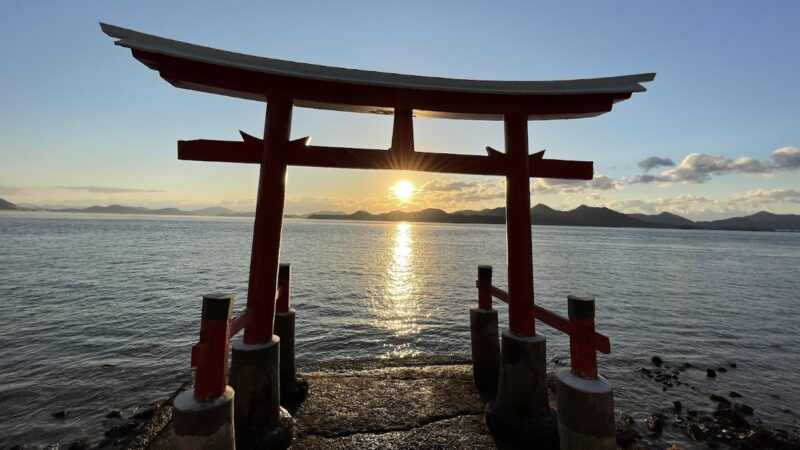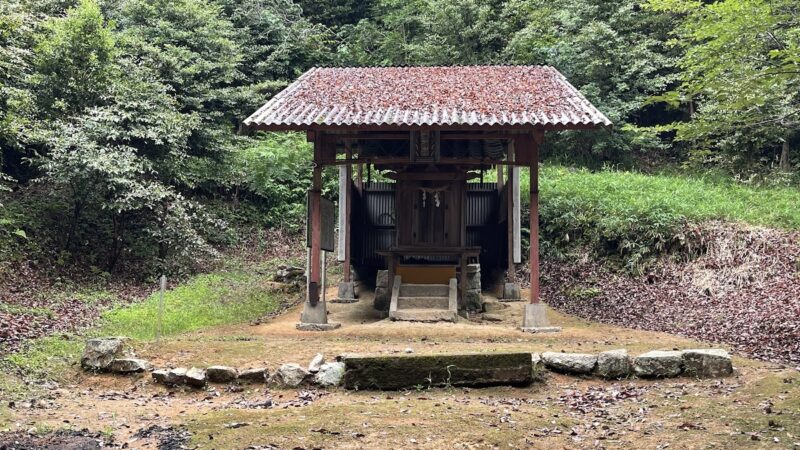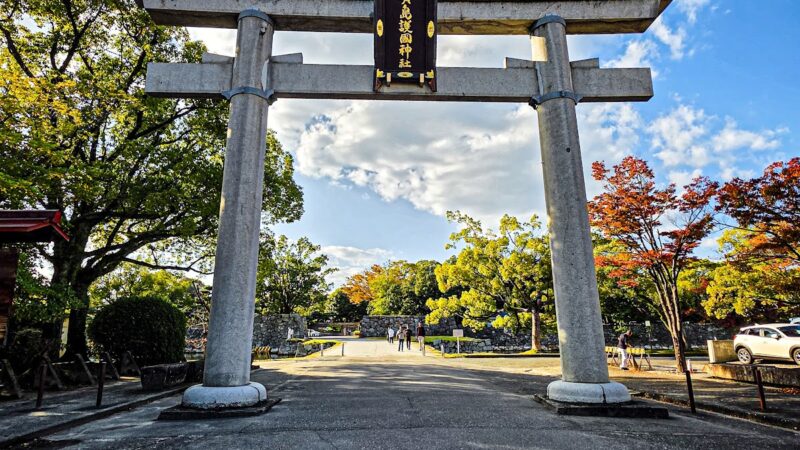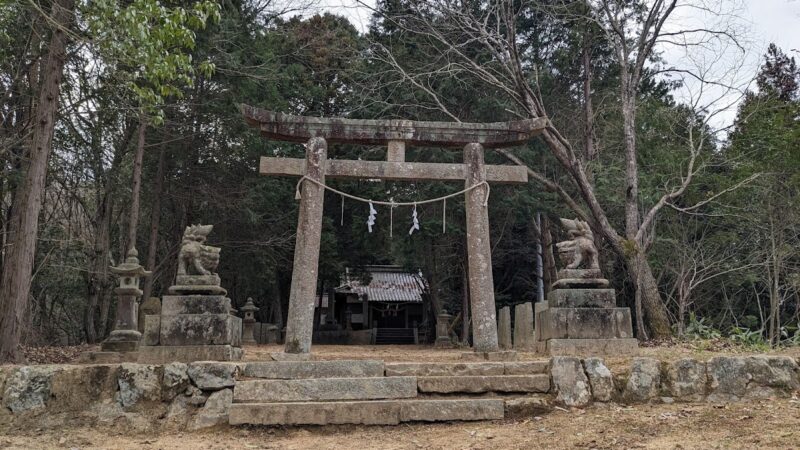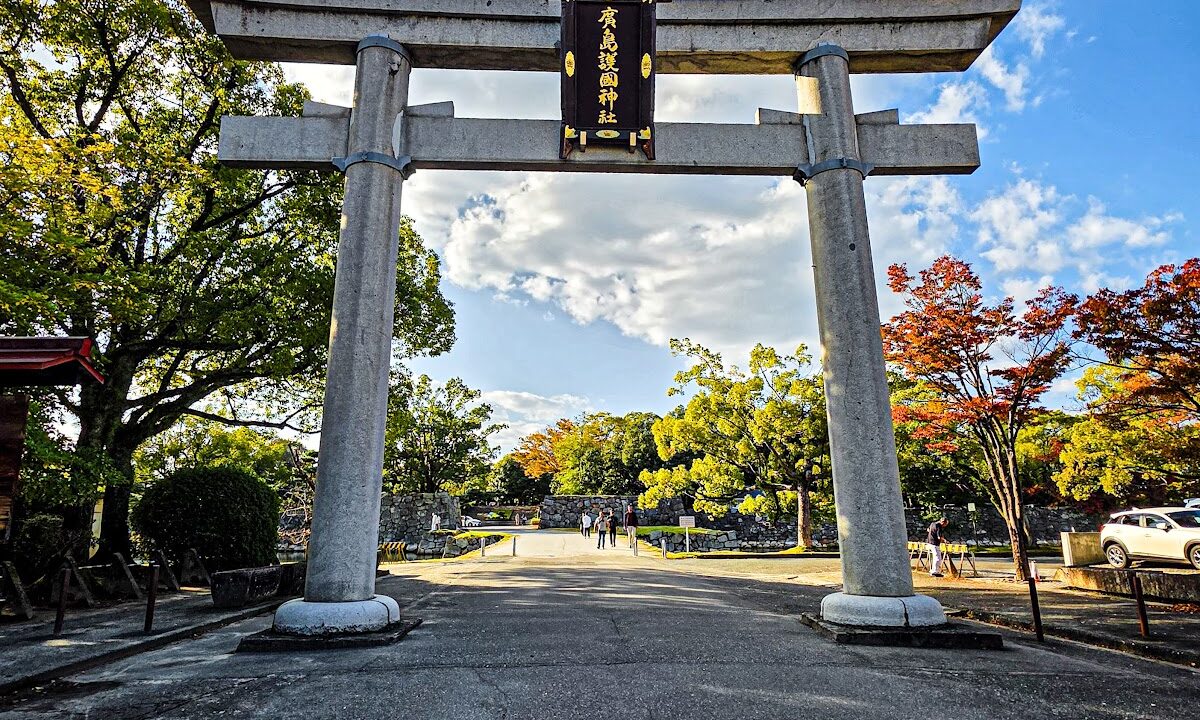
Era Shrine (Mihara City, Hiroshima Prefecture) Complete Guide: History, Benefits, and Access Information
Era Shrine, located in Hongō-chō, Mihara City, Hiroshima Prefecture, is a historically significant shrine deeply rooted in the community, and has long been revered by local residents. This article provides a comprehensive explanation of Era Shrine, including its detailed history, enshrined deities and benefits, highlights within the grounds, access methods, and its relationship to other shrines in Hiroshima Prefecture.
Basic Information on Era Shrine
Era Shrine is located at 2-22-1 Hongō-kita, Mihara City, Hiroshima Prefecture. It is approximately a 26-minute walk from Hongō Station on the JR Sanyo Main Line, and is situated slightly north of the center of Hongō-chō.
Location and Access
Address: 2-22-1 Hongōkita, Mihara City, Hiroshima Prefecture
Nearest Station: JR Sanyo Main Line, Hongō Station (Hiroshima Prefecture)
Access from Station: Approximately 26 minutes on foot from the Hongō Station exit
Access by Car: Approximately 10 minutes by car from the Sanyo Expressway Hongō Interchange
While there is parking available around the facility, it may become crowded depending on the time of year and events, so we recommend considering using public transportation.
History and Origins of Era Shrine
There are various theories regarding the founding date of Era Shrine, but according to local historical documents and oral traditions, it is believed to have been worshipped as the local tutelary deity since the medieval period. Hongō-chō in Mihara City has long been a thriving agricultural area, and Era Shrine developed as a center of faith for farmers praying for a bountiful harvest.
Deep Connections with the Community
Hongō-chō is located in the inland area of eastern Hiroshima Prefecture and has flourished since ancient times as a key transportation hub on the Sanyo Road. Era Shrine has grown alongside the development of this region and has been closely intertwined with the lives of its residents. The festivals held throughout the year play a vital role in strengthening community bonds.
During the Edo period, it was under the control of the Hiroshima Domain, and records of Era Shrine remain from that era. Even after the Meiji Restoration’s separation of Shinto and Buddhism, it has continued to attract unwavering devotion as the local guardian deity.
Deities and Benefits
The deities enshrined at Era Shrine are based on local traditions. Like many community-oriented shrines, the focus is on deities with agricultural and regional guardian characteristics.
Main Benefits
- Abundant Harvest: As a shrine located in an agricultural area, it is deeply revered for prayers for a bountiful harvest.
- Family Safety: As the local guardian deity, it protects the peace and safety of families.
- Protection from Misfortune and Disaster: Protects local residents from disaster.
- Business Prosperity: Prayers are offered for the development of the local economy.
- Traffic Safety: In modern times, prayers for traffic safety are also offered.
Highlights of the Shrine Grounds
The grounds of Era Shrine are enveloped in a tranquil atmosphere. Ancient trees stand tall, allowing visitors to feel the changing seasons.
Main Hall and Worship Hall
The main hall is built in the traditional style of shrine architecture and is a valuable structure that conveys the history of the region. Worshippers visit the worship hall daily to quietly offer their prayers.
Subsidiary Shrines
Several subsidiary shrines are located around the main hall. These reflect the diversity of local beliefs, attracting worshippers with a variety of wishes.
Sacred Trees and Natural Environment
The shrine grounds are home to magnificent, ancient trees, creating a sacred atmosphere. Especially during the seasons of fresh greenery in spring and vibrant autumn foliage, visitors can enjoy the beautiful natural scenery.
Annual Festivals and Events
Era Shrine holds various festivals and events throughout the year. These events play a vital role in preserving local traditions and passing them on to future generations.
Sacred Trees and Natural Environment
The shrine grounds are home to many magnificent, ancient trees, creating a sacred atmosphere. Especially during the seasons of fresh greenery in spring and vibrant autumn foliage, visitors can enjoy the beautiful natural scenery.
Annual Festivals and Events
Era Shrine holds various festivals and events throughout the year. These festivals play an important role in preserving local traditions and passing them on to future generations. ### Main Annual Events
New Year’s Day Festival (January 1st): A festival to pray for happiness and peace in the new year.
Spring Grand Festival: An important festival to pray for a bountiful harvest with the arrival of spring.
Summer Festival: Local residents gather to pray for good health and protection from illness during the summer.
Autumn Grand Festival: One of the most important festivals to express gratitude for the harvest.
Shichi-Go-San Pilgrimage: In November, many families visit to pray for the healthy growth of their children.
Year-End Purification Ceremony: A Shinto ritual to purify and cleanse away the impurities of the past year.
Relationship with Shrines in Hiroshima Prefecture
Era Shrine is one of the shrines belonging to the Hiroshima Prefectural Shrine Association. The Hiroshima Prefectural Shrine Association is a local branch of the Association of Shinto Shrines, a religious corporation that oversees 80,000 shrines nationwide, with Ise Grand Shrine as its head shrine. It has 24 branches in the prefecture and manages the affairs of over 2,400 shrines. ### Major Shrines in Hiroshima Prefecture
Hiroshima Prefecture boasts numerous nationally renowned shrines:
Itsukushima Shrine (Hatsukaichi City): A shrine associated with Taira no Kiyomori, located on Miyajima Island, one of Japan’s three most scenic spots and a UNESCO World Heritage Site.
Hiroshima Toshogu Shrine (Higashi Ward, Hiroshima City): A shrine dedicated to Tokugawa Ieyasu, built in 1648 by Asano Mitsuaki.
Shioya Shrine (Saeki Ward, Hiroshima City): A power spot famous for its blessings in matchmaking.
Kusasaya Inari Shrine (Naka Ward, Hiroshima City): A historical shrine located in the heart of Hiroshima City.
Kusatsu Hachimangu Shrine (Nishi Ward, Hiroshima City): A shrine revered as the local guardian deity.
These shrines, along with Era Shrine, are connected through the Hiroshima Prefectural Shrine Association and contribute to the development of Shinto within the prefecture.
History and Cultural Background of Mihara City
Mihara City is located in the southeastern part of Hiroshima Prefecture and has developed as a port town facing the Seto Inland Sea. During the Sengoku period (Warring States period), Kobayakawa Takakage built Mihara Castle, and the town flourished as a castle town.
Characteristics of Hongō-chō
Hongō-chō, where Era Shrine is located, is an inland town in the northern part of Mihara City. Agriculture has flourished there since ancient times, with rice cultivation being the central industry. Even today, it continues to develop as a region where traditional agriculture and new industries coexist.
Besides Era Shrine, several other shrines and temples are scattered throughout Hongō-chō, supporting the region’s spiritual culture. These religious facilities are an important element in forming the region’s identity.
Manners and Etiquette for Visiting Shrines
When visiting Era Shrine, it is important to observe basic shrine visiting manners.
Basic Etiquette for Visiting a Shrine
- Bow at the Torii Gate: Bow before entering the shrine grounds at the torii gate.
- Purification at the Water Basin: Purify your hands and mouth at the water basin.
- Walking Along the Path: Walk along the sides of the path, as the center is considered the path of the gods.
- Worship at the Main Hall: Worship using the two bows, two claps, and one bow ritual.
- Bow Upon Exiting: After leaving the torii gate, turn around and bow.
Attire for Visiting a Shrine
For a normal visit, clean and neat attire is acceptable. However, if you are receiving a formal prayer, more formal attire is preferable.
Nearby Tourist Attractions and Facilities
Around Era Shrine, there are various spots where you can experience the charm of Mihara City and Hongō Town.
Restaurants and Local Products
There are many restaurants using local ingredients scattered around Hongō Town. Mihara City is blessed with fresh seafood from the Seto Inland Sea and agricultural products from the inland area. When visiting the shrine, you can also enjoy local cuisine.
Nearby Historical Sites
Mihara City boasts numerous facilities where you can learn about the region’s history, such as the Mihara Castle Ruins and the History Museum. Visiting these in conjunction with a visit to Era Shrine will allow you to experience the local culture more deeply.
Shrine Pilgrimages in Hiroshima Prefecture and Era Shrine
For those planning a shrine pilgrimage in Hiroshima Prefecture, Era Shrine is a valuable spot to experience the charm of a community-oriented shrine.
About Goshuin (Shrine Seals)
Collecting Goshuin has become popular in recent years, but it is recommended to check the availability of Goshuin at Era Shrine in advance. Smaller shrines may not have resident priests, so it’s best to inquire before visiting.
Shrine Pilgrimage Route in Hiroshima Prefecture
Hiroshima Prefecture boasts a diverse array of shrines, from famous ones like Itsukushima Shrine to locally rooted ones like Era Shrine. Each shrine has its own unique history and characteristics, allowing visitors to experience Hiroshima Prefecture’s rich spiritual culture.
Shrines in Major Cities within the Prefecture:
- Hiroshima City: Hiroshima Toshogu Shrine, Sorasaya Inari Shrine, Shioya Shrine, Kusatsu Hachimangu Shrine, etc.
- Hatsukaichi City: Itsukushima Shrine, Daishoin Temple
- Mihara City: Era Shrine and other local guardian shrines
Local Communities and Era Shrine
Era Shrine is not merely a religious facility; it functions as a central hub for the local community.
Connection to Local Events
The festivals held throughout the year provide valuable opportunities for local residents to gather together. The autumn grand festival, in particular, sees the participation of many residents, fostering the continuation of tradition and strengthening community bonds.
Passing on Tradition to the Next Generation
In modern society, the transmission of traditional beliefs and festivals is a major challenge. At Era Shrine, the transmission of traditional culture to younger generations is a crucial theme, and efforts are underway throughout the community.
Precautions When Visiting
Please note the following points when visiting Era Shrine.
Visiting Hours
The shrine grounds are generally open all day, but the shrine office’s operating hours may be limited. If you wish to receive prayers or amulets, it is recommended to check in advance.
Parking and Transportation
There is parking space around the facility, but congestion is expected during major events. Please consider using public transportation. The distance of approximately 26 minutes on foot from Hongo Station may be burdensome depending on the weather and your physical condition, so taking a taxi is also an option.
Photography
Photography is generally permitted on the shrine grounds, but there are places and times where photography is restricted, such as inside the main hall or during Shinto rituals. Please observe proper etiquette when taking photographs.
Hiroshima Prefectural Shrine Association and Shrine Network
Era Shrine belongs to the Hiroshima Prefectural Shrine Association and operates as a member of the prefectural shrine network.
Role of the Hiroshima Prefectural Shrine Association
As the governing body for shrines in the prefecture, the Hiroshima Prefectural Shrine Association has the following roles:
- Support and guidance for shrine management
- Training and development of Shinto priests
- Transmission and inheritance of rituals
- Promotion of cooperation with local communities
- Protection and utilization of cultural properties
Working in cooperation with the National Association of Shinto Shrines, it contributes to the development of Shinto in Hiroshima Prefecture.
Information Updates from the Shrine Association
The latest information on shrines and event schedules can be found on the official website of the Hiroshima Prefectural Shrine Association. Since the information is updated regularly, it is recommended to check before visiting.
The Modern Significance of Era Shrine
In modern society, the significance of community-based shrines like Era Shrine extends beyond mere religious facilities.
A Place of Spiritual Support
Even in today’s increasingly urbanized world, community-based shrines play a vital role as a place of spiritual support for people. The time spent connecting with nature and quietly offering prayers in daily life brings spiritual peace.
Preservation of Cultural Value
Era Shrine also plays a role in preserving and passing on the history and traditional culture of the region. Through festivals and annual events, the culture cherished by our ancestors is passed down to future generations.
Contribution to Regional Revitalization
Community events and festivals centered around the shrine promote interaction among local residents and contribute to the revitalization of the community. They also serve as a tourist resource, contributing to the local economy.
Summary: Visiting Era Shrine
Era Shrine is a historic shrine located in Hongō-chō, Mihara City, Hiroshima Prefecture. For many years, it has been revered as the guardian deity of the region and has played an important role as a central presence in the local community.
Era Shrine is believed to offer various blessings, including abundant harvests, family safety, and protection from evil, attracting many worshippers throughout the year. Located approximately 26 minutes on foot from Hongō Station, it provides a quiet environment for worship, far removed from the hustle and bustle of the city.
While Hiroshima Prefecture boasts numerous nationally renowned shrines such as Itsukushima Shrine and Hiroshima Tōshōgū, local shrines like Era Shrine possess their own unique charm and value. As one of over 2,400 shrines belonging to the Hiroshima Prefectural Shrine Association, it holds an important position within the prefecture’s shrine network.
When visiting, please observe basic shrine etiquette and offer your prayers quietly. Strolling through the grounds while reflecting on the region’s history and culture will provide a deeper worship experience.
Era Shrine is a precious place that teaches us the importance of community bonds and traditional culture, which are gradually disappearing in modern society. If you ever have the opportunity to visit Mihara City or Hongō Town, be sure to stop by Era Shrine and experience its tranquil atmosphere and the deeply rooted faith of the community.