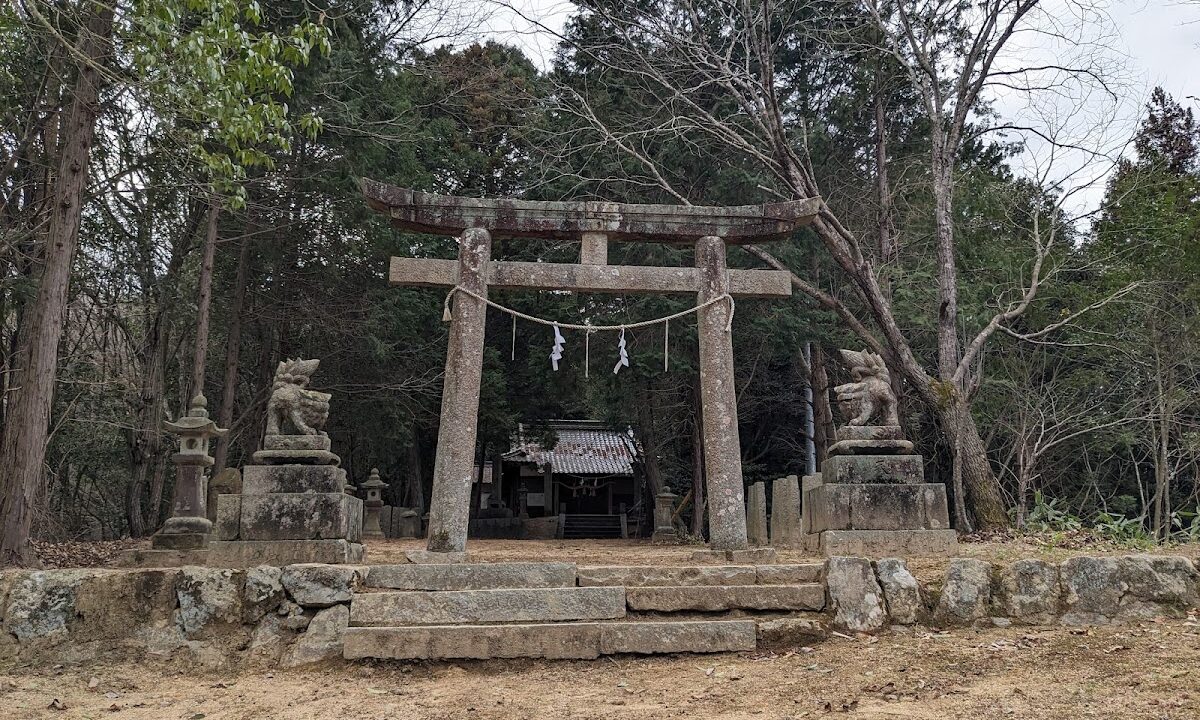
Complete Guide to Otara Shrine (Hiroshima Prefecture): History, Benefits, and Access Information
Otara Shrine, located in Hiroshima Prefecture, is a historically significant shrine deeply rooted in the community and cherished by many visitors. This article provides a detailed explanation of everything you need to know before visiting, including the shrine’s historical background, enshrined deities and their benefits, highlights within the grounds, how to worship, and access information.
What is Otara Shrine?
Otara Shrine is a shrine located in Hiroshima Prefecture and has long been revered as a center of local faith. The name “Otara” is thought to originate from the region’s history and topography, and it is a familiar and beloved presence for the local people.
While there are various theories regarding the shrine’s founding date, according to ancient documents and traditions, it is believed to have a history of several hundred years or more. As a guardian deity of the region and as a tutelary deity, it has been deeply intertwined with the lives of local residents for generations.
History of Otara Shrine
Origin of Founding
The founding of Otara Shrine is recorded based on local traditions and ancient documents. It is believed to have developed under the patronage of powerful families and lords who ruled the region from the medieval to the early modern period.
The name of the shrine, “Otara,” may originate from an ancient place name or clan name, reflecting the historical importance of this region. It has functioned as a center of faith for the people, alongside the development and cultivation of the region.
Historical Changes
During the Edo period, it was revered as the local tutelary deity, and regular festivals were held. Despite the impact of the Meiji-era separation of Shinto and Buddhism and the shrine consolidation policy, it was preserved through the fervent faith of the local residents.
Even after the Showa period, it has remained a central presence in the local community, playing a role in deepening community bonds through festivals and annual events. Even today, worshippers continue to visit the shrine for important life events such as New Year’s prayers, Shichi-Go-San (a traditional rite of passage for children), and exorcisms.
Deities and Benefits
Main Deity
The deity enshrined at Otara Shrine is a god who has been revered since ancient times as a guardian deity of the region. Some shrines enshrine multiple deities, and various benefits are expected depending on the divine virtues of each deity.
Generally, local shrines often enshrine deities related to national development, agriculture, industrial development, or deities that protect the peace of the region. Otara Shrine is believed to have inherited this tradition.
Benefits
The benefits you can expect at Otara Shrine include the following:
Family Safety and Regional Peace
As a guardian deity of the region, it is believed to provide benefits such as protecting the health and safety of family members and ensuring peace throughout the community.
Abundant Harvest and Business Prosperity
Many worshippers pray for the development of agriculture and commerce, and the shrine is revered as a place to pray for business prosperity and a bountiful harvest.
Protection from Misfortune and Disaster
Prayers are offered for warding off misfortune during unlucky years and for protection from various disasters.
Matchmaking and Family Harmony
People seeking good relationships and those wishing to deepen family bonds also visit the shrine.
Highlights of the Shrine Grounds
Main Hall and Worship Hall
The main hall of Otara Shrine is a valuable structure that preserves the traditional style of shrine architecture. In the worship hall, worshippers can offer prayers to the gods, allowing for a solemn and peaceful experience.
The architectural style and decorations reflect the technology and aesthetic sensibilities of the era, and are considered to have high historical and cultural value.
Subsidiary Shrines
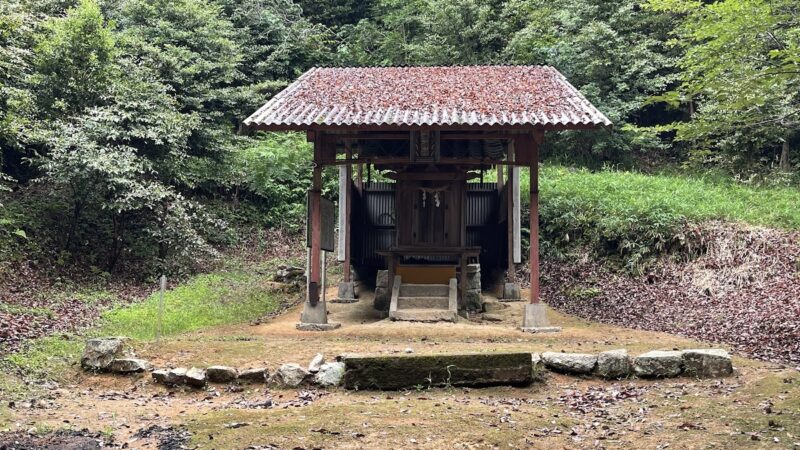
Several subsidiary shrines (auxiliary shrines and minor shrines) may be located around the main hall. Each of these small shrines enshrines a different deity, catering to worshippers seeking diverse blessings.
Sacred Trees and Nature
Within the shrine grounds, visitors are greeted by sacred trees, some hundreds of years old, and the beauty of nature throughout the seasons. The ancient trees, in particular, serve as living witnesses to the shrine’s history, creating a sacred atmosphere.
The shrine grounds, displaying different expressions with each season—cherry blossoms in spring, fresh greenery in summer, autumn leaves in fall, and the tranquil beauty of winter—provide solace to visitors.
Stone Monuments and Memorials
Within the shrine grounds, there are sometimes stone monuments and memorials commemorating the shrine’s history and local events. These are valuable resources for understanding the region’s history.
Annual Events and Festivals
Grand Festival
At Otara Shrine, the Grand Festival is held once or several times a year. The Grand Festival is the most important festival for the shrine and a traditional event in which all local residents participate.
On festival days, the entire community is enveloped in a festive atmosphere with processions of portable shrines, offerings, and Kagura (sacred dance) performances. This occasion brings vibrancy to the usually quiet shrine, strengthening the bonds of the local community.
New Year’s Visit
The New Year’s visit to the shrine is a time when many worshippers visit. From January 1st to the third day of the year, the shrine is bustling with local residents and visitors from neighboring areas, all praying for safety and prosperity throughout the year.
Shichi-Go-San and厄除け (Exorcism/Protection from Evil)
Rituals marking life’s milestones, such as Shichi-Go-San (a traditional rite of passage for children) and exorcisms for those in their unlucky years, are also performed. These events become cherished memories for families and deepen their connection with the shrine.
Monthly Festivals and Special Festivals
There are also monthly festivals held on fixed days each month, as well as special festivals held at seasonal turning points. These events maintain the connection between the shrine and the community.
How to Visit a Shrine and Etiquette
Basic Etiquette for Visiting a Shrine
When visiting a shrine, it is important to observe the following basic etiquette:
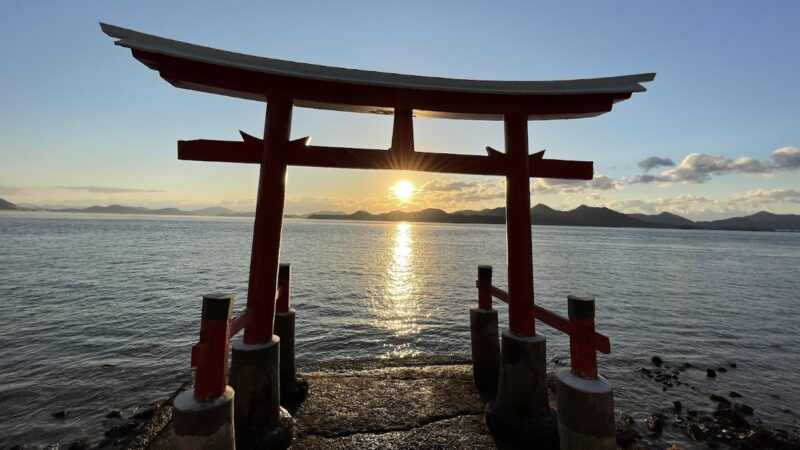
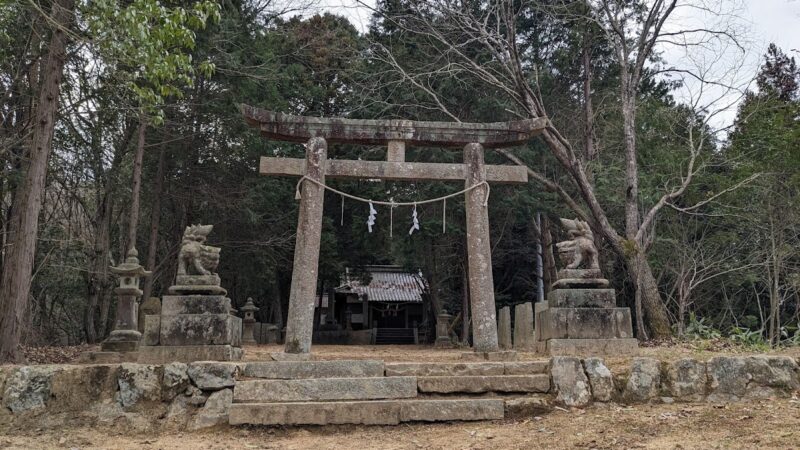
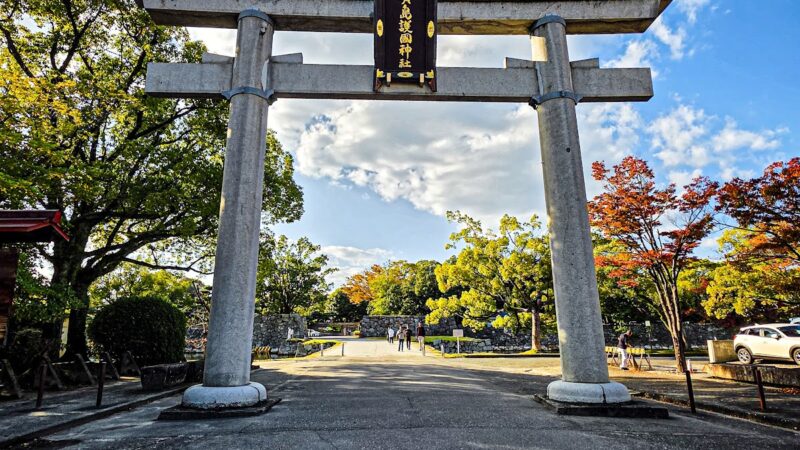
How to Pass Through the Torii Gate
The torii gate is the entrance to the sacred area. Bow before passing through, and walk along the sides of the path, as the center of the path is considered the path of the gods.
How to Purify Yourself at the Water Basin
- Take the ladle with your right hand and purify your left hand.
- Switch the ladle to your left hand and purify your right hand.
- Switch the ladle back to your right hand, receive water in your left hand, and rinse your mouth.
- Purify your left hand once more.
- Hold the ladle upright, purify the handle, and return it to its original position.
How to Worship at the Main Hall
- Place your offering in the offering box.
- If there is a bell, ring it.
- Perform the two bows, two claps, and one bow (bow deeply twice, clap twice, and finally bow deeply once).
- Pray with sincerity.
Attire for Worship
Casual clothing is acceptable, but clean and neat attire is preferred. For formal prayers, more formal attire is appropriate.
Photography
Photography is generally permitted on the temple grounds, but it may be prohibited inside the main hall or in certain sacred areas. Please follow the signs and instructions of the Shinto priests.
Goshuin (Shrine Seals) and Other Items
Goshuin
At Otara Shrine, you can receive a goshuin as proof of your visit (only during the shrine office’s opening hours). Bring your goshuincho (seal book) and make your request respectfully.
A goshuin is not merely a stamp; it is proof of a connection with the deity. It is important to treat it with respect.
Amulets and Talismans
The shrine offers various types of amulets and talismans:
- Traffic Safety Amulet: For the safety of cars and motorcycles
- Health Amulet: For recovery from illness and maintaining good health
- Academic Success Amulet: For passing exams and achieving academic success
- Exorcism Amulet: For protection from misfortune during unlucky years
- Family Safety Talisman: For peace and prosperity in the home
It is common practice to replace amulets with new ones approximately once a year and return old amulets to the shrine.
Ema (Votive Tablets)
Ema are available for you to write your wishes on and offer them to the gods. It is believed that writing a specific wish and offering it to the gods will help your wish come true.
Access Information
Location
Ootara Shrine is located in Hiroshima Prefecture. It is recommended to check the detailed address in advance.
Access by Public Transportation
It is common to take a bus or taxi from the nearest station. In some areas, community buses may also operate.
If using trains and buses:
- Travel on foot or by bus from the nearest station
- Travel time varies depending on the location
- Temporary buses may operate during festivals
Access by Car
It is also possible to visit by private car. Checking access routes from major roads in advance will ensure a smoother experience.
Parking:
- Parking is often available within the shrine grounds or nearby.
- During festivals, congestion is expected, so the use of public transportation is recommended.
- Parking is limited, so early arrival is advisable.
Visiting Hours
Entry to the shrine grounds is generally free, but the opening hours of the shrine office and gift shop are limited. If you wish to purchase a goshuin (shrine stamp) or amulet, please check the opening hours in advance.
General Opening Hours:
- Approximately 9:00 AM to 4:00 PM (may vary depending on the season and day of the week)
- Special hours apply during New Year’s and festivals.
Nearby Tourist Attractions
Historical Sites
The area surrounding Otara Shrine is dotted with historical sites unique to Hiroshima Prefecture. Visiting these sites provides an opportunity to experience local history and culture in conjunction with your shrine visit.
Nature Spots
There are also spots nearby where you can enjoy the rich natural beauty of Hiroshima Prefecture. You can refresh your mind and body while enjoying the seasonal scenery.
Food & Souvenirs
There are shops selling local specialties and restaurants where you can enjoy local cuisine. Enjoying local flavors before or after your visit is highly recommended.
Visitor Feedback & Reviews
Visitors to Otara Shrine have shared the following comments:
“I was able to pray peacefully in a quiet and calm atmosphere.”
“It’s a warm, community-based shrine, and the priests were very kind.”
“The nature changes beautifully with the seasons, and I feel refreshed every time I visit.”
“I was moved by the sense of community during the festival.”
These comments demonstrate that Otara Shrine is loved by the community and resonates with the hearts of its visitors.
The Charm of Otara Shrine
Deep Ties with the Community
The greatest charm of Otara Shrine lies in its deep ties with the local community. It’s not merely a tourist spot, but a place of worship deeply rooted in the lives of local residents, passed down through generations.
Through festivals and annual events, the bonds of the local community are strengthened, and traditional culture is passed down. Because it is such a community-oriented shrine, visitors are warmly welcomed and can find true peace of mind.
Inheritance of History and Tradition
Ootara Shrine, with its long history, has watched over the changing times while continuously preserving its traditions. Many cultural elements, such as architectural style, festival forms, and ways of worship, have been passed down to the present day.
These historical values are an important element in forming the region’s identity, and visitors can feel the weight and dignity of history.
A Place of Spiritual Support
In modern society, shrines play a role as a place of spiritual support. Time spent away from the hustle and bustle of daily life, reflecting on oneself in the quiet grounds, leads to mental refreshment.
Ootara Shrine, too, continues to be an important place for worshippers to find peace of mind.
Points to Note When Visiting
Observe Manners
Shrines are sacred places. Please visit the shrine with respect, refraining from shouting or running around. Remember to be considerate of other visitors.
Protection of the Natural Environment
Please take all your trash with you and cherish the natural environment of the shrine grounds. Avoid damaging plants or capturing animals.
Considerations During Festivals
During festivals and special events, more visitors than usual will come. To avoid congestion, please allow ample time and be careful not to disrupt the religious ceremonies.
Weather and Seasonal Considerations
The conditions of the shrine grounds change depending on the season and weather. The ground can become slippery in rainy weather, so please choose appropriate footwear. Remember to take precautions against the heat in summer and the cold in winter.
Summary: Visiting Ootara Shrine
Ootara Shrine is a historical shrine deeply rooted in the Hiroshima region and cherished by many people. Its long history, cultivated traditions, and deep ties to the local community are its greatest attractions.
Through visiting the shrine, you can not only find peace of mind but also connect with the history and culture of the region. Praying in the solemn atmosphere will allow you to forget the hustle and bustle of everyday life and give you renewed energy.
It’s perfect not only for important life events such as New Year’s visits, Shichi-Go-San (a traditional rite of passage for children), and exorcisms, but also for everyday visits and strolls. Why not enjoy the beauty of nature in every season while quietly offering your prayers?
We hope that your visit to Otara Shrine will be a truly enriching experience. As the guardian deity of the region, it will continue to be loved by many people.
When visiting, please observe basic manners and show respect to the deities. And please visit the shrine with a heart that cherishes the history and traditions of the region. We pray that Otara Shrine will bring happiness and peace to your life.