Gokuraku-ji Temple (Gose City, Nara Prefecture) Complete Guide | History, Goshuin (Temple Seal), and Access Information
Gokuraku-ji Temple, located in Gose City, Nara Prefecture, is an ancient Jodo sect temple nestled at the eastern foot of Mount Kongo. Founded in 951 AD (Tenryaku 5), this temple boasts a history of over 1000 years and is an important pilgrimage site for those walking the Katsuragi Road. This article provides a detailed explanation of everything you need to know before visiting Gokuraku-ji Temple, including its history, highlights, access methods, and goshuin information.
History and Origins of Gokuraku-ji Temple
The Story of its Founding and Ichiwa Shonin
The founding of Gokuraku-ji Temple dates back approximately 1050 years to 951 AD (Tenryaku 5). It was founded by a high-ranking priest named Ichiwa Sozu (Ichiwa Shonin), who served as the head priest of Kofuku-ji Temple. Ichiwa Shonin was widely known as a monk of outstanding learning and virtue, highly respected by various Buddhist sects. However, he disliked fame and fortune and sought a place where he could dedicate himself to ascetic practice and study in tranquility.
Ichiwa Shonin was based at the Saitoin in Nara, but in search of a place for deeper ascetic practice, he visited the eastern foot of Mount Kongo. It is said that there, he witnessed a mysterious phenomenon of light emitting every night, and upon investigating the source of this strange light, he discovered a Buddha head. Realizing from this miraculous event that this place was suitable for ascetic practice, he founded Gokuraku-ji Temple.
Deep Connection with Kofuku-ji Temple
Gokuraku-ji Temple has a deep connection with Kofuku-ji Temple. Because its founder, Ichiwa Shonin, was the head priest of Kofuku-ji Temple, it was initially under Kofuku-ji’s influence. Ichiwa Shonin was a highly regarded monk, serving as a lecturer at the Vimalakirti Assembly by imperial command during the Tenryaku era of Emperor Murakami, the 62nd emperor of Japan. He was a leading figure in Buddhist scholarship, serving as a lecturer at the Vimalakirti Sutra Study Group.
Masuri Sozu, a disciple of Ichiwa Shonin, also inherited his master’s teachings and dedicated himself to the development of Gokuraku-ji Temple. Thus, Gokuraku-ji Temple inherited the academic tradition of Kofuku-ji Temple while developing uniquely as a center of Pure Land Buddhism.
Conversion to and Development of the Pure Land Sect
Initially, it was a temple affiliated with Kofuku-ji Temple, but later converted to the Pure Land sect, which it remains to this day. As a Pure Land sect temple, Gokuraku-ji Temple enshrines Amida Buddha as its principal deity and has attracted the faith of local people as a center of Pure Land Buddhism, preaching rebirth through chanting the Buddha’s name.
There are 292 temples named Gokuraku-ji throughout Japan, making it the 7th most common temple name in the country. However, the Gokuraku-ji Temple in Gose City is particularly historically significant and known as a temple with a distinguished history.
Highlights and Cultural Assets of Gokuraku-ji Temple
Main Hall and Principal Image
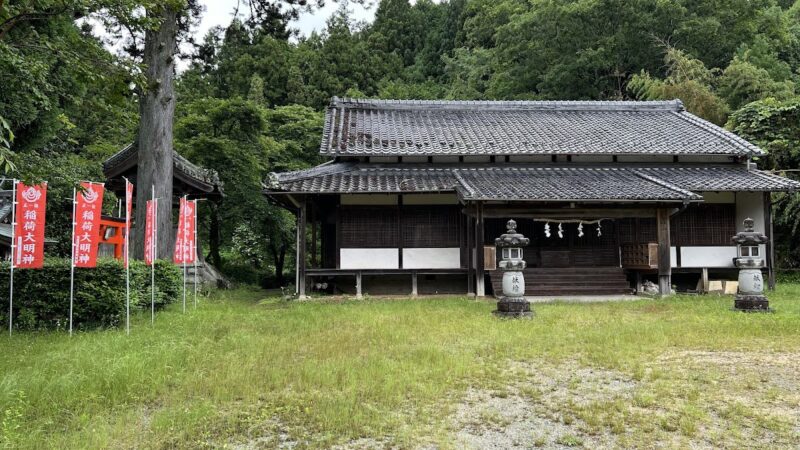
The main hall of Gokuraku-ji Temple houses Amida Buddha as its principal image. As befits a Jodo sect temple, it is the center of faith for those wishing to attain rebirth in the Western Pure Land. The architectural style of the main hall and its interior splendor convey the form of faith that has been passed down through a long history.
Atmosphere of the Temple Grounds
Located at the eastern foot of Mount Kongo, the grounds of Gokuraku-ji Temple are enveloped in tranquility. This place, chosen by the founder, Ichiwa Shonin, as a place for “tranquility,” maintains an environment suitable for ascetic practice and meditation even today. It is a valuable place for pilgrims walking the Katsuragi Road to find peace of mind.
The temple grounds also have a parking lot and restrooms, demonstrating consideration for the convenience of visitors.
Connection with the Southern Court
Interestingly, there is a legend that Gokuraku-ji Temple was used as a password by the Southern Court during the Nanboku-cho period (Northern and Southern Courts period). It is said that the samurai of the Southern Court used the name “Gokurakuji” to identify themselves, suggesting that this temple was not merely a religious facility but also played an important role as a stage in history.
Goshuin Information
Gokurakuji Temple offers Goshuin (temple stamps). As a Jodo sect temple, the Goshuin is a valuable item for pilgrims and Goshuin enthusiasts. Those wishing to receive a Goshuin should speak to the temple office staff upon arrival.
The Goshuin typically includes the temple name, the name of the principal deity, and the date of visit, along with the temple’s seal. Gokurakuji Temple’s Goshuin holds special value as proof of its history as an ancient temple with over 1000 years of history.
Annual Events and Festivals
Gokurakuji Temple, as a Jodo sect temple, holds various annual events. Major events include:
Spring Events
In spring, the Higan-e (equinox service) is held, and many parishioners visit to pay respects to their ancestors. Springtime on the Katsuragi Road is beautiful with fresh greenery, making it the perfect season for a visit combining worship and a stroll.
Summer Events
During Obon, the Urabon-e ceremony is held to honor the spirits of ancestors. The foothills of Mount Kongo are cool in summer, making it an enjoyable time for worship while escaping the heat.
Autumn Events
In autumn, the Higan-e ceremony is held again. The Katsuragi Road is beautiful with autumn foliage, and it is bustling with many worshippers.
Winter Events
During the New Year period, events such as the ringing of the temple bell on New Year’s Eve and the first shrine visit of the year are held.
For specific event dates and details, please contact the temple directly or check the official website.
How to Access Gokurakuji Temple
Basic Information
Address: 1639 Nango, Gose City, Nara Prefecture 639-2331 (Also sometimes listed as Gokurakuji 108)
Phone: 0745-66-0145
Parking: Available
Restrooms: Available
Access by Train and Bus
From Kintetsu Gose Station
- By Bus
- Take the bus (bound for Gojo Bus Center) from Kintetsu Gose Station
- Get off at the “Toriido” bus stop (approx. 11 minutes)
- Approximately 25 minutes on foot from the bus stop
- By Taxi
- Approximately 15 minutes by taxi from Kintetsu Gose Station
- Estimated fare: 2,000 to 3,000 yen
- On Foot
- Approximately 90 minutes on foot from Kintetsu Gose Station
- A walking route along the Katsuragi Road, suitable for those with strong legs.
From JR Gose Station
- Access from JR Gose Station is the same as from Kintetsu Gose Station.
- Approximately 15 minutes by taxi, approximately 90 minutes on foot.
Access by Car
Using the Keina-Wa Expressway
- Approximately 15 minutes by car from the Keina-Wa Expressway “Gose IC”.
- Set your car navigation system to “1639 Nango, Gose City, Nara Prefecture” or “Gokurakuji Temple”.
About Parking
There is a parking lot on the temple grounds, making it convenient to visit by private car. However, it may be crowded during events and festivals, so please allow ample time for your visit.
Notes on Access
Gokurakuji Temple is located at the eastern foot of Mt. Kongo, along the Katsuragi Road, so access by public transportation is somewhat inconvenient. If using the bus, it takes 25 minutes on foot from the bus stop, so please wear comfortable shoes. Also, the number of buses may be limited, so it is recommended to check the timetable in advance. While access by private car or taxi is the most convenient, walking along the Katsuragi Road to the temple is also a charming experience, offering a special opportunity to enjoy the scenery along the way.
Tourist Attractions Around Gokuraku-ji Temple
Katsuragi Road
Gokuraku-ji Temple is located along an ancient road called “Katsuragi Road.” This road has a long history dating back to ancient times and is known as a pilgrimage route dotted with many temples and shrines. You can enjoy a beautiful landscape where tranquil rural scenery and historical buildings harmonize.
Mount Kongo
Mount Kongo, towering behind Gokuraku-ji Temple, is a 1,125-meter-high mountain located on the border of Nara and Osaka prefectures. It is a popular spot for mountain climbing and hiking, where you can enjoy nature in all four seasons.
Takakamo Shrine
Takakamo Shrine, considered the head shrine of all Kamo (or Kamo) shrines nationwide, is also located along the Katsuragi Road. It is within walking distance of Gokuraku-ji Temple, and visiting both is recommended.
Hitokotonushi Shrine
Nearby is Hitokotonushi Shrine, believed to grant even a single wish. It’s a must-visit spot when touring the Katsuragi Road.
Kyuhonji Temple
Kyuhonji Temple, known for its connection to Kusunoki Masashige, is another highlight in Gose City. It’s especially recommended for those interested in the history of the Nanboku-cho period.
Manners and Precautions for Visiting a Temple
Basic Manners for Visiting a Temple
- Bow at the Temple Gate: Bow at the temple gate before entering the grounds.
- Be Quiet: The temple grounds are a place of spiritual training. Visit quietly.
- Photography: Limit photography inside the main hall. If unsure, check with the temple office.
- Offering a Coin: Offer your coin quietly and respectfully clasp your hands together in prayer.
Regarding Attire
While there are no strict dress code regulations, please avoid revealing clothing and dress modestly when visiting the temple. If walking along the Katsuragi path, comfortable shoes and clothing are recommended.
Seasonal Precautions
- Spring/Autumn: The weather is pleasant and ideal for visiting, but it may be crowded during peak seasons.
- Summer: Bring a hat and drinks to protect yourself from the heat. Insect repellent is also useful.
- Winter: It gets cold at the foot of the mountain. Take thorough precautions against the cold.
The Charm and Significance of Visiting Gokuraku-ji Temple
Historical Value
Founded in 951 (Tenryaku 5), Gokuraku-ji Temple boasts a history of over 1000 years and occupies an important position in the history of Buddhism in Nara. Its history, having been founded by Ichiwa Shonin, the head priest of Kofuku-ji Temple, speaks to the high status of this temple.
Spiritual Value
Founded by the monk Ichiwa, who disliked fame and fortune and sought solace in quiet spiritual practice, Gokuraku-ji Temple remains a precious place for those seeking peace of mind even today. Located at the eastern foot of Mount Kongo, in a naturally rich environment, it offers a chance to escape the hustle and bustle of everyday life and find inner peace.
Cultural Value
As a Jodo sect temple, Gokuraku-ji Temple has supported the faith of the local people as a center of Nembutsu (recitation of Amida Buddha’s name). Furthermore, the legend that its name was used as a password by the Southern Court indicates that this temple was not merely a religious facility but also a witness to history.
Tourism Value
Located along the ancient Katsuragi Road, Gokuraku-ji Temple is an important point of interest for historical walks and pilgrimages. Visiting it in conjunction with surrounding temples and shrines and Mount Kongo allows for a deeper experience of Nara’s charm.
Contact Information
For inquiries regarding visits to Gokuraku-ji Temple or its events, please contact the following:
Phone: 0745-66-0145
Official Website: Gokurakuji Temple Official Website (For details, please search “Gokurakuji Gose City” on a search engine.)
We recommend contacting us by phone in advance regarding visiting hours, event schedules, and the hours for receiving Goshuin (temple stamps).
Summary
Gokurakuji Temple in Gose City, Nara Prefecture, is an ancient Jodo sect temple with a history of over 1000 years, founded in 951 (Tenryaku 5) by the head priest of Kofukuji Temple, Ichiwa Shonin. Located in a tranquil environment at the eastern foot of Mount Kongo, it has continued to uphold its faith and traditions since its founding.
Founded guided by the miraculous discovery of a Buddha head, this temple has served as a place for Ichiwa Shonin’s pursuit of “tranquility” and as a center of Jodo faith, providing spiritual support to many people. The historical anecdote that its name was used as a password by the Southern Court also speaks to the importance of this temple.
For pilgrims walking the Katsuragi Road, Gokuraku-ji Temple is an essential stop. Visiting it along with nearby Takakamo Shrine, Hitokotonushi Shrine, and Kyuhon-ji Temple allows for a deeper understanding of the rich history and culture of Gose City.
While public transportation access is somewhat inconvenient, this allows for a peaceful visit. Access is more comfortable by private car or taxi. For those with strong legs, walking the Katsuragi Road from Kintetsu Gose Station is also a recommended and scenic way to visit.
Gokuraku-ji Temple possesses charm in every season: the fresh greenery of spring, the coolness of summer, the vibrant autumn leaves, and the tranquility of winter. It is a temple that warmly welcomes all visitors: history buffs, pilgrims, nature lovers, and those seeking peace of mind.
When visiting Nara, be sure to visit Gokuraku-ji Temple in Gose City and spend some time calming your mind in a tranquil space steeped in over 1000 years of history. This sacred place, discovered by the abbot Ichiwa Shonin of Kofuku-ji Temple, may offer new insights to us living in the modern age.