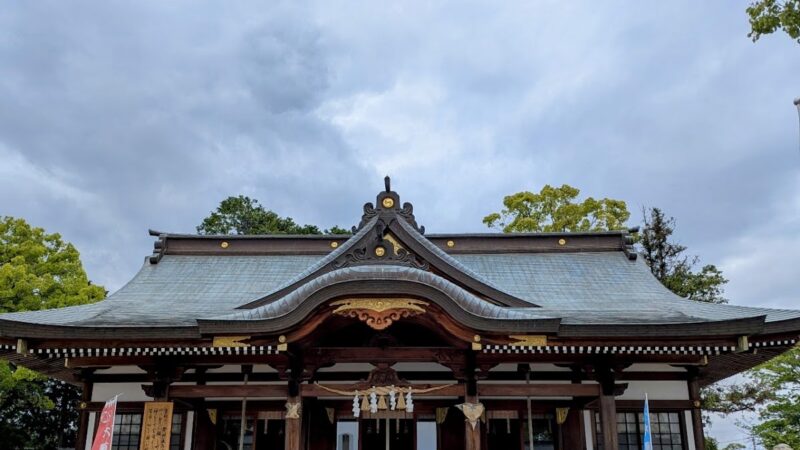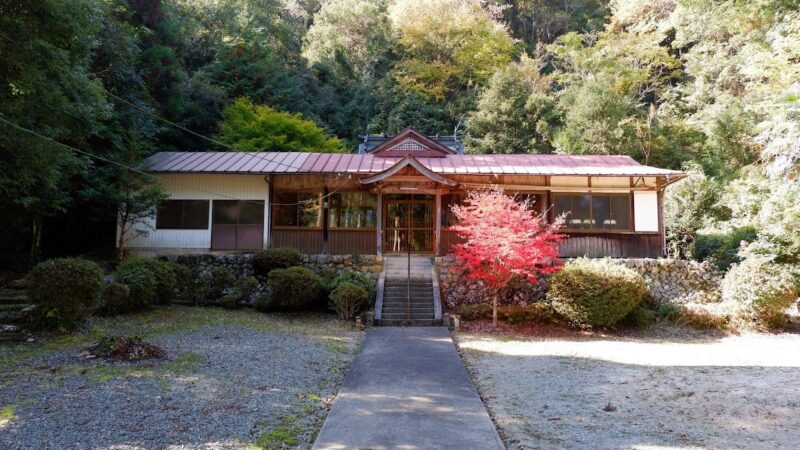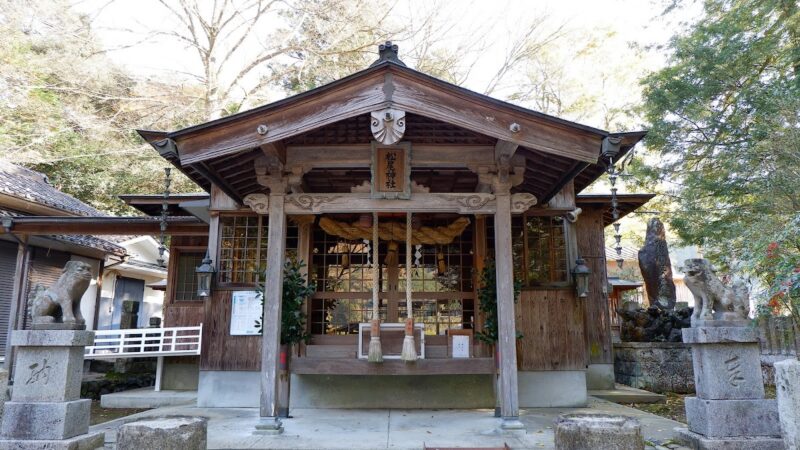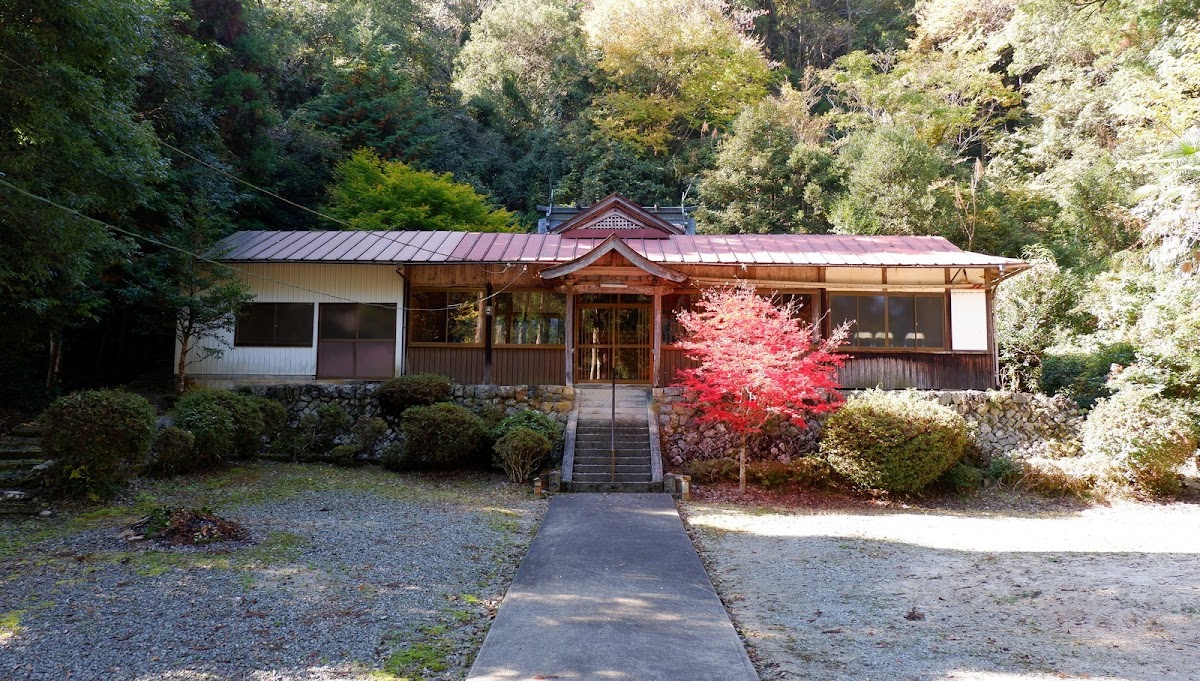
Goshajinja Shrine (936 Osawa, Yamazaki-cho, Shiso City, Hyogo Prefecture) Complete Guide
Goshajinja Shrine, located at 936 Osawa, Yamazaki-cho, Shiso City, Hyogo Prefecture, is a historical shrine that attracts the faith of the local community. This article provides a detailed introduction to Goshajinja Shrine, from its basic information and historical background to information on surrounding shrines.
Basic Information about Goshajinja Shrine
Location and Access Information
Official Address: 936 Osawa, Yamazaki-cho, Shiso City, Hyogo Prefecture
Postal Code: 671-2562
Corporate Number: 5140005006998
Goshajinja Shrine is located in the Osawa district of Yamazaki-cho, Shiso City, Hyogo Prefecture. Shiso City is located in the central-western part of Hyogo Prefecture and is blessed with a rich natural environment.
About Goshajinja Shrines
The name “Goshajinja Shrine” is a name used for several shrines throughout Japan. “Gosha” means “five deities,” and the name is given to shrines that have merged five shrines for some reason, or to shrines that originally enshrined five deities.
There are 94 Goshajinja Shrines nationwide, ranking 77th in the nation for the number of shrines with the same name. The Goshajinja Shrine in Shiso City, Hyogo Prefecture, is one of the shrines that inherits this historical name.
Shrine Culture in Shiso City, Hyogo Prefecture
Overview of Shrines in Shiso City
Shiso City, Hyogo Prefecture, has 127 shrines. This represents approximately 3.31% of the total number of shrines in Hyogo Prefecture (3,837). Shiso City ranks 138th in the national ranking of the number of shrines by municipality, indicating a relatively large number of shrines relative to its population size.
Regional Characteristics of Shiso City
Shiso City was formed in 2005 (Heisei 17) through the merger of four towns: Yamazaki, Ichinomiya, Haga, and Chigusa. The Osawa district of Yamazaki Town belonged to the former Yamazaki Town, and its shrines have long been cherished as the center of local faith.
Even in the Reiwa era, these shrines continue to play an important role as spiritual pillars of the local community.
Historical Background of Goshajinja Shrines
Origin of Goshajinja Shrines
Shrines named Goshajinja Shrines have different histories in various locations. Generally, Goshajinja shrines are established through the following processes:
- Integrated Multiple Shrines: A form where five local shrines are integrated and worshipped as a single shrine.
- Five-Deity Worship Type: A shrine whose purpose from its founding was to worship five deities.
- Five Generations of Earthly Deities Type: A shrine that worships the five generations of earthly deities in Japanese mythology.
The origins of the Goshajinja shrine in Osawa, Yamazaki-cho, Shiso City, Hyogo Prefecture, are passed down through local historical documents and oral traditions.
History of the Osawa District, Yamazaki-cho
Yamazaki-cho has long flourished as a transportation hub in the inland part of Harima Province. The Osawa district is located in a mountainous area, and a community centered on agriculture and forestry has been formed. The shrine has been closely intertwined with the lives of the residents as a place to pray for abundant harvests, family safety, and peace in the community.
Guide to Visiting Goshajinja Shrine
Access Methods
Access by Car
- Approximately 15 minutes by car from Yamazaki IC on the Chugoku Expressway
- Approximately 20 minutes by car from Harima Shingu IC on the Harima Expressway
- It is recommended to check in advance whether parking is available.
Access by Public Transportation
- The nearest station is Yamazaki Station on the JR Kishin Line
- You will need to take a taxi or local bus from the station
- Due to the mountainous location, the number of public transportation services may be limited.
Precautions When Visiting
- As it is located in a mountainous area, be aware of weather changes depending on the season.
- In winter, there is a possibility of snowfall, so please check the road conditions.
- As it is a rich natural environment, it is recommended to take precautions against insects.
- Please respect the quiet environment of the area and be considerate of noise.
Major Shrines in Shiso City, Hyogo Prefecture
Representative Shrines in Shiso City
Shiso City has 127 shrines, each attracting the faith of the local community. In addition to Goshajinja Shrine, there are the following other shrines:
Shrines in the Yamazaki-cho Area
- Numerous shrines are scattered throughout Yamazaki-cho, each revered as a local guardian deity.
- Each shrine holds seasonal festivals such as spring and autumn festivals.
Shrines in the Ichinomiya-cho Area
- Iwa Shrine (Harima Province’s Ichinomiya) is particularly famous, attracting many worshippers from within and outside the prefecture.
- The place name Ichinomiya also originates from Iwa Shrine.
Shrines in the Haga-cho/Chikusa-cho Area
- Located in more mountainous areas, many shrines are found in harmony with nature.
- A shrine culture closely linked to local traditional events remains.
Shrine Culture in Hyogo Prefecture
Distribution of Shrines in Hyogo Prefecture
Hyogo Prefecture has 3,837 shrines, making it one of the prefectures with the most shrines in Japan. It also ranks highly in the prefecture-by-prefecture shrine count rankings.
Regional Characteristics:
- Harima Region: Many shrines with a long history dating back to ancient times, including numerous Shikinaisha (shrines listed in the Engishiki, an ancient Japanese legal text) such as Iwa Shrine.
- Settsu Region: Urban shrines and local shrines integrated into residential areas coexist.
- Tajima Region: Numerous historically important shrines, such as Izushi Shrine.
- Tamba Region: Shrines linked to nature worship unique to mountainous areas.
- Awaji Region: Shrines associated with Japanese mythology, such as Izanagi Shrine.
Number of Shrines by Municipality in Hyogo Prefecture
The number of shrines by municipality in Hyogo Prefecture varies greatly depending on area, population, and historical background. Shiso City’s 127 shrines are relatively high both per capita and per area, considering the city’s area (658.54 km²) and population (approximately 35,000).
Nearby Tourist and Cultural Facilities
Tourist Spots in Shiso City
Natural Scenery
- Onzui Valley: Home to the Hara Fudo Falls, selected as one of “Japan’s Top 100 Waterfalls”
- Akanishi Valley: Known as a famous spot for autumn foliage
- Hyonoyama: The highest peak in Hyogo Prefecture, offering opportunities for hiking and skiing
Historical and Cultural Facilities
- Yamazaki Historical and Local History Museum: A facility where you can learn about the region’s history
- Shiso Disaster Prevention Center: A hub for disaster prevention education and local information dissemination
Hot Spring Facilities
- Chikusa Kogen Onsen
- Kokumin Shukusha Shinguso
Visiting Nearby Temples and Shrines
Shiso City has many temples as well as shrines. You can enjoy historical walks visiting temples and shrines. In particular, the Yamazaki-cho area has several temples and shrines scattered within walking or cycling distance.
Etiquette and Manners for Visiting a Shrine
Basic Etiquette for Visiting a Shrine
How to Pass Through the Torii Gate
- Bow before passing through the torii gate.
- Walk along the edge of the path, as the center is considered the path of the gods.
How to Wash Your Hands at the Water Basin
- Take the ladle with your right hand and wash your left hand.
- Switch the ladle to your left hand and wash your right hand.
- Switch the ladle back to your right hand, receive water in your left hand, and rinse your mouth.
- Finally, stand the ladle upright and wash the handle.
Etiquette at the Main Hall
- Quietly place your offering in the offering box.
- If there is a bell, ring it.
- Bow twice, clap twice, and bow once (this may vary depending on the shrine).
- Convey your wishes and gratitude silently.
Manners During Shrine Visits
- Dress in clean and modest attire.
- Refrain from loud conversations and making noise.
- Photography will only be permitted in designated areas.
- Please take all your trash with you.
- Please do not harm the plants or animals in the sacred area.
Annual Events and Festivals of Shiso City
Local Traditional Events
Shiso City holds various traditional events throughout the year. Many shrines hold the following annual events:
Spring (March-May)
- Spring Festival: A festival to pray for a bountiful harvest
- Grand Festival: The timing varies depending on the shrine
Summer (June-August)
- Summer Purification Ceremony: A Shinto ritual to purify oneself of the impurities accumulated over the past six months
- Summer Festival: In some regions, Bon Odori (traditional Japanese dance) is also performed
Autumn (September-November)
- Autumn Festival: One of the most important festivals to give thanks for the harvest
- In some regions, a procession of portable shrines and lion dances are held
Winter (December-February)
- Niiname-sai (Harvest Festival): A festival to offer the new harvest to the gods
- Hatsumode (First Shrine Visit of the New Year): A visit to a shrine for the New Year
Local Communities and Shrines
Even in the modern Reiwa era, shrines in Shiso City play a central role in the local community. Through the preparation and execution of festivals, intergenerational exchanges are fostered, and community bonds are strengthened.
The Significance of Visiting Goshajinja Shrine
The Inheritance of Local Faith
Goshajinja Shrine, located at 936 Osawa, Yamazaki-cho, Shiso City, Hyogo Prefecture, is an important place that attracts the faith of the local people. Even in today’s increasingly urbanized world, visiting such local shrines offers the following significance:
- Spiritual Peace: A tranquil space away from daily life for mental rest
- Dialogue with History: Experiencing a place of faith preserved by our ancestors
- Understanding the Region: An opportunity to learn about the culture and history of the land
- Harmony with Nature: Time to feel nature in the shrine’s forest and grounds
These are the significances it holds.
The Role of Shrines in Modern Times
Shrines are not merely tourist facilities; they are living cultural assets that convey the history and culture of the region. Goshajinja Shrine and the other 127 shrines in Shiso City each continue to preserve the memories and traditions of their respective regions.
Points to Consider When Visiting Shrines in Shiso City
Efficient Shrine Visiting
When visiting multiple shrines in Shiso City, keep the following points in mind:
- Plan by Area: Divide your visit into areas such as Yamazaki-cho, Ichinomiya-cho, Haga-cho, and Chigusa-cho.
- Consider the Season: Enjoy the beauty of each season, such as cherry blossoms in spring and autumn leaves in fall.
- Gather Local Information: Obtain information from the city’s tourism association and local history museum.
- Allow Ample Time: Allow extra time for travel due to the mountainous terrain.
Interacting with Local People
When visiting shrines, you may encounter local people. Exchanging greetings and asking about the history of the shrine and the region can lead to a deeper understanding. Experiencing the warmth of the local people will also be a valuable part of your visit.
Hyogo Prefecture Shrine Database
Connection to the National Shrine List
Goshajinja Shrine (936 Osawa, Yamazaki-cho, Shiso City, Hyogo Prefecture) is listed in the National Shrine List and identified by corporate number 5140005006998. This corporate number system ensures accurate information management for shrines nationwide.
Shrine Search and Information Access
In modern times, information on shrines nationwide can be accessed through online shrine search systems. Goshajinja Shrine in Shiso City, Hyogo Prefecture, is also registered in such databases, and the following information is searchable:
- Exact location and postal code
- Corporate number
- Position in shrine lists by municipality and prefecture
- Comparative data with shrines with the same name
Shrine Culture in Neighboring Prefectures
Comparison with Surrounding Regions
Shiso City, Hyogo Prefecture, is located near the border with Okayama and Tottori Prefectures. In comparison to the shrine cultures of these regions:
Okayama Prefecture
- Characterized by shrines with a history dating back to the ancient Kibi Province, such as Kibitsu Shrine
- Distinctive shrine cultures for each of the former provinces of Bizen, Bitchu, and Mimasaka
Tottori Prefecture
- Strong influence of mountain worship, such as the worship of Mt. Daisen
- Shrine culture of Inaba and Hoki
Kyoto Prefecture/Osaka Prefecture (Settsu Region)
- Contrast with urban shrine culture
- High-status shrines, including ancient government-supported shrines
Hyogo Prefecture has developed its own unique shrine culture while being influenced by these regions.
Summary of Visiting Goshajinja Shrine
Pre-Visit Checklist
Things to check before visiting Goshajinja Shrine (936 Osawa, Yamazaki-cho, Shiso City, Hyogo Prefecture):
□ Check access methods and travel time
□ Weather and road conditions (especially in winter)
□ Prepare appropriate clothing for worship
□ Charge your camera or smartphone
□ Gather information on nearby tourist spots
□ Local festival dates (if you want to visit on a special day)
Using Smartphone Information
In modern worship, using a smartphone can make the experience more fulfilling:
- Map App: Accurate location information and navigation
- Shrine Search Site: Check detailed information
- Photography: Record your visit (while observing proper etiquette)
- SNS: Share your experience (be discreet in sacred areas)
However, it is also important to remain quiet and calm during your visit.
Regional Development and the Future of Shrines
Depopulation and the Maintenance of Shrines
In the mountainous areas of Hyogo Prefecture, including Shiso City, population decline and aging are progressing. Maintaining the 127 shrines requires not only the efforts of the local community but also understanding and support from outside.
Value as Cultural Assets
The shrines of the region, including Goshajinja, possess the following multifaceted values:
- Historical Value: Valuable historical materials that convey the history of the region
- Cultural Value: A place for the transmission of traditional events and festivals
- Environmental Value: Nature conservation function as a guardian forest
- Social Value: A core of community unity
These shrines possess these multifaceted values.
Potential as Tourism Resources
The shrines of Shiso City are also attracting attention as regional tourism resources. For people interested in history and culture, and those seeking nature, visiting shrines is an attractive experience. Sustainable tourism promotion is expected to lead to the maintenance of shrines and regional revitalization.
In Conclusion
The Goshajinja Shrine, located at 936 Osawa, Yamazaki-cho, Shiso City, Hyogo Prefecture, is a precious place that conveys the history and faith of the region to the present day. In Shiso City, where 127 shrines are scattered throughout, each shrine serves as a spiritual anchor for the local people.
Even in the Reiwa era, visiting these local shrines and experiencing their history and culture brings us many insights and lessons. We encourage you to visit and experience firsthand the harmony with nature and the weight of history that can only be felt at a quiet mountain shrine far from urban areas.
We hope that your visit to the Goshajinja Shrine will be a memorable experience for you.