
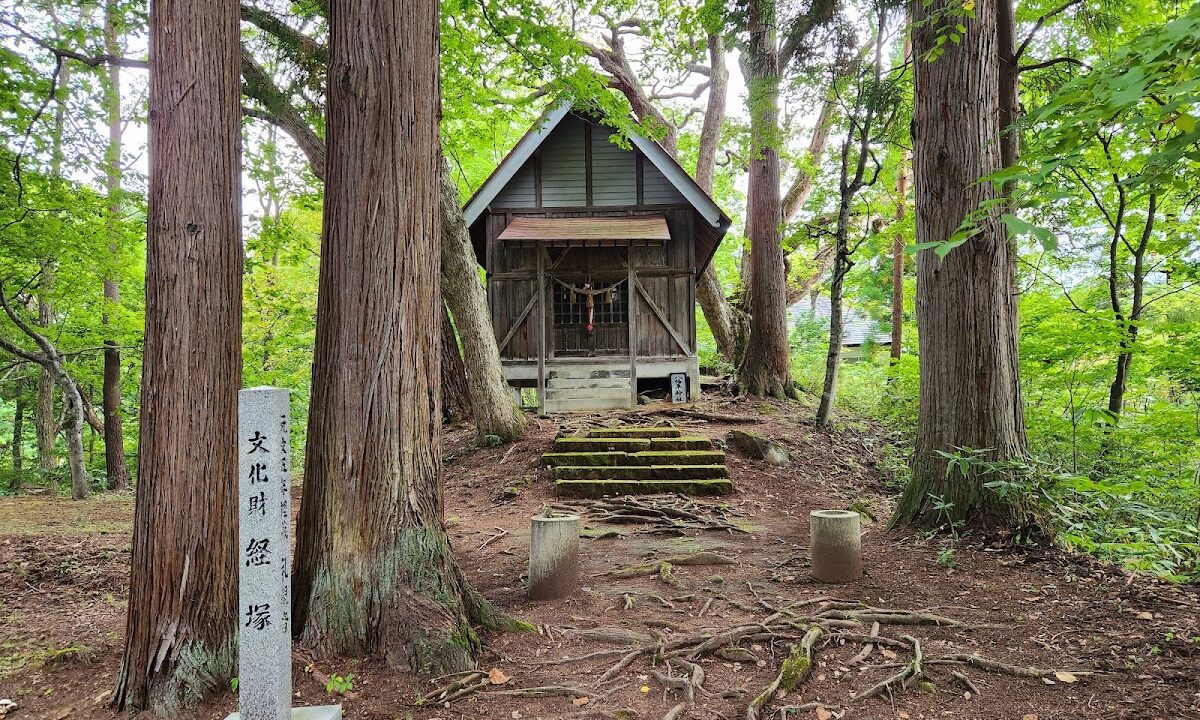
Complete Guide to Hachiman Shrine (Hanawa Kodaira Hachimantai, Kazuno City, Akita Prefecture)
Hachiman Shrine, located in Kodaira Hachimantai, Hanawa, Kazuno City, Akita Prefecture, is a shrine beloved by local residents and boasts a long history. This article provides detailed information useful for those considering a visit, including the shrine’s history, enshrined deities, blessings, highlights of the grounds, annual events, and access methods.
Basic Information on Hachiman Shrine
Location: Kodaira Hachimantai, Hanawa, Kazuno City, Akita Prefecture
Enshrined Deity: Hachiman Okami, with Emperor Ojin (Homudawake no Mikoto) as the main deity
Shrine Rank: Local guardian shrine
Visiting Hours: Generally open for worship (please check the shrine office hours)
Hachiman Shrine is one of tens of thousands of Hachiman worship shrines throughout Japan, and has been located in the Kodaira settlement of the Hanawa district of Kazuno City since ancient times. As a spiritual pillar of the region, it has attracted the faith of its residents.
History and Origins of Hachiman Shrine
Origins of Hachiman Faith
Hachiman faith, with Emperor Ojin as its principal deity, has been revered by samurai families since ancient times as a god of war and military prowess. It also possesses characteristics as a god of agriculture and industry, and is widely worshipped among common people.
Historical Background of the Hanawa District, Kazuno City
The Hanawa district of Kazuno City has flourished since ancient times as a transportation hub. During the Edo period, it was under the control of the Morioka Domain, and was a political and economic center, with the Hanawa Castle (Hanawa-kan) located there. It is believed that Hachiman Shrine played an important role as a guardian shrine of the region along with its development.
Relationship between the Kodaira District and Hachiman Shrine
The Kodaira settlement is a quiet area slightly away from the center of Hanawa, where life has centered on agriculture. Hachiman Shrine has served as the tutelary shrine of this village, functioning as a place to pray for abundant harvests, family safety, and peace in the community. It also plays a central role in local festivals and annual events, strengthening the bonds among residents.
Deities and Benefits
Main Deity: Emperor Ōjin (Homudawake no Mikoto)
The main deity of Hachiman Shrine is Emperor Ōjin, the 15th Emperor of Japan. Also known as Homudawake no Mikoto, he is widely revered as Hachiman Ōkami.
According to the Kojiki and Nihon Shoki, Emperor Ōjin was born during his mother Empress Jingū’s conquest of the Three Kingdoms of Korea, and is known as an emperor of great military prowess. Therefore, his character as a god of war and military service is emphasized, but at the same time, as an emperor who brought prosperity to the nation, he is also worshipped as a god of industrial development, education, and culture.
Benefits Expected at Hachiman Shrine
The following benefits are said to be offered at Hachiman Shrine.
- Prayer for Victory and Success: Due to its nature as a god of war, prayers are offered for success in competitions and passing exams.
- Family Safety: Protection of family health and peaceful living.
- Abundant Harvest: Success in agriculture and a bountiful harvest.
- Exorcism and Good Fortune: Warding off evil and inviting good fortune.
- Prosperity of Descendants: Prayers for fertility, safe childbirth, and the healthy growth of children.
- Traffic Safety: Prayers for safe travels and accident-free daily life.
- Business Prosperity: Success in business and economic prosperity.
Highlights of the Shrine Grounds
Shrine Architecture
The shrine buildings of Hachiman Shrine preserve the traditional style of shrine architecture in the region. Although small in scale, it is carefully maintained by local residents, preserving a clean and tranquil atmosphere.
Torii Gate and Approach
A torii gate stands at the entrance to the shrine, and from there, an approach leads to the shrine buildings. Walking along the approach to the shrine allows one’s mind to shift from everyday life to a sacred space, preparing one for worship.
Natural Environment of the Shrine Grounds
Located in the naturally rich environment of the Kodaira district, Hachiman Shrine displays beauty throughout the seasons. You can enjoy different expressions with each season: fresh greenery in spring, deep green in summer, autumn leaves in fall, and snowscapes in winter.
Komainu (Guardian Dogs) and Stone Monuments
Stone structures such as guardian dogs and monuments are sometimes placed within the shrine grounds. These are valuable cultural assets that tell the story of the region’s history and the faith of its people.
Annual Festivals and Events
Grand Festival
Hachiman Shrine holds its annual Grand Festival. While the timing varies by region, it is often held to coincide with the autumn harvest season, expressing gratitude for a bountiful harvest and praying for the prosperity of the region.
After the Shinto rituals at the Grand Festival, a celebratory feast (naorai) is held, providing an opportunity for local residents to gather and deepen their relationships.
First Shrine Visit of the Year
At the start of the new year, local people visit the shrine for their first shrine visit of the year, praying for safety and happiness throughout the year. Although it is a small shrine, it is an important New Year’s event for the community.
Other Annual Events
- Spring Festival: Celebrating the arrival of spring and praying for safety in agricultural work and a bountiful harvest.
- Summer Purification Ceremony: Cleansing away the impurities of the past six months and praying for good health for the remaining half of the year.
- Autumn Festival: Expressing gratitude for the harvest and praying for the peace and prosperity of the community.
Etiquette and Manners for Visiting a Shrine
Basic Etiquette for Visiting a Shrine
There are basic etiquette rules for visiting a shrine. When visiting Hachiman Shrine, please follow the steps below.
- Bow before passing through the torii gate: This is a courtesy before entering the sacred area.
- Walk along the edge of the path: The center is considered the path of the gods.
- Purify yourself at the water basin: Cleanse your hands and mouth to purify your mind and body.
- Take the ladle with your right hand and purify your left hand.
- Switch the ladle to your left hand and purify your right hand.
- Switch the ladle back to your right hand, receive water in your left hand, and rinse your mouth.
- Finally, stand the ladle upright to purify the handle.
- Worship in front of the main hall: The basic procedure is two bows, two claps, and one bow.
- Bow deeply twice.
- Clap your hands twice.
- Pray with all your heart.
- Finally, bow deeply once.
Attire and Mindset for Worship
No special attire is required, but clean clothing that reflects the sacred nature of the place is desirable. Also, worship quietly and calmly, and remember to be considerate of other worshippers.
Access Information
Location Details
Address: Kodaira Hachimantai, Hanawa, Kazuno City, Akita Prefecture
Access by Car
Access to Hachiman Shrine by car is convenient.
- From Tohoku Expressway Kazuno Hachimantai IC: Approximately 10-15 minutes
- From JR Hanawa Line Kazuno Hanawa Station: Approximately 10 minutes by car
The Kodaira area is located a little distance from the Hanawa city center, so it is recommended to search for “Akita Prefecture Kazuno City Hanawa Kodaira Hachimantai” or “Hachiman Shrine Kazuno City Kodaira” on your car navigation system or smartphone map app.
Access by Public Transportation
The nearest station for public transportation is JR Hanawa Line Kazuno Hanawa Station, but the shrine is some distance from the station, so using a taxi or rental car is more practical.
Parking
As it is a small shrine, there may not be a large dedicated parking lot. When visiting the shrine, please park in an appropriate location to avoid causing inconvenience to the surrounding area. Temporary parking may be provided during festivals.
Nearby Tourist Attractions
Besides Hachiman Shrine, there are many other sights to see in the Hanawa district of Kazuno City. Why not visit them along with your shrine visit?
Hanawa Bayashi (Hanawa Festival Float Procession)
Held annually on August 19th and 20th, the “Hanawa Bayashi” is one of Japan’s three major festival music traditions, registered as a UNESCO Intangible Cultural Heritage. The sight of the magnificent floats and spirited music parading through the town is truly breathtaking.
Kazuno Tourism and Hometown Museum Antoraa
This facility comprehensively introduces the history, culture, and tourist information of Kazuno City. Local specialties can also be purchased, making it a convenient base for sightseeing.
Oyu Stone Circle
A large-scale archaeological site from the late Jomon period, designated as a National Special Historic Site. These are important cultural properties that allow you to feel the depth of Kazuno City’s history.
Goshogake Onsen and Mushinoyu Onsen
Nearby at the foot of Mount Hachimantai, there are numerous hot spring resorts with beneficial properties. Relaxing in a hot spring after visiting the temple is highly recommended.
Lake Towada
Located about 30 minutes by car from Kazuno City, Lake Towada is one of Tohoku’s most representative scenic spots. You can enjoy beautiful scenery throughout the four seasons.
History and Culture of Kazuno City
History from the Jomon Period
Kazuno City has numerous Jomon period archaeological sites, including the Oyu Stone Circles, leaving traces of people living there since ancient times. Blessed with abundant nature and resources, this region has flourished culturally since ancient times.
The Rule of the Nanbu Clan and the Development of Hanawa
From the medieval to the early modern period, the Kazuno region was under the rule of the Nanbu clan, and the Hanawa-kan (Hanawa Manor) was built in Hanawa. As an important base of the Morioka Domain, it developed as a center of politics, economy, and culture.
Mining and Industry
Kazuno City has a long history of mining, and the Osarizawa Mine, in particular, was one of Japan’s leading mines with a history of over 1300 years. Mining was an important industry that supported the local economy.
Modern Kazuno City
Currently, Kazuno City’s main industries are agriculture (especially rice cultivation), tourism, and livestock farming. The city is focusing on promoting tourism that leverages its rich natural environment and historical and cultural heritage.
The Significance of Visiting Hachiman Shrine
Center of the Local Community
Small local shrines like Hachiman Shrine are not merely religious facilities, but function as spiritual pillars of the local community. Through festivals and cleaning activities, bonds between residents deepen, and a sense of community is fostered.
Preservation of Traditional Japanese Culture
Shrine visits are a traditional form of Japanese faith, embodying fundamental values of Japanese culture, such as reverence for nature, gratitude to ancestors, and a sense of belonging to the community.
Peace of Mind and Spirituality
Resting oneself from the stress and hustle and bustle of modern society and finding peace of mind in the quiet grounds of a shrine is important for mental health. Visiting Hachiman Shrine provides an opportunity to reflect on daily life and renew one’s gratitude.
Summary
Hachiman Shrine, located in Kodaira Hachimantai, Hanawa, Kazuno City, Akita Prefecture, is a historical shrine deeply rooted in the community. It enshrines Emperor Ojin as its main deity and is believed to offer various blessings, including good fortune, family safety, and abundant harvests.
Although not large in scale, it attracts the faith of local residents and plays an important role as a community center. When visiting Kazuno City, be sure to visit Hachiman Shrine and experience the history and culture of the region.
The time spent finding peace of mind in the quiet grounds, forgetting the hustle and bustle of daily life, and offering prayers will surely be a memorable experience. Furthermore, visiting it in conjunction with other tourist spots in the Hanawa area will allow you to appreciate the charm of Kazuno City even more deeply.
May your visit to Hachiman Shrine be a meaningful experience for everyone.


