Hachiman Shrine (Higashidate, Hachimantai, Kazuno City, Akita Prefecture) | An Ancient Shrine of the 42 Kazuno Castles, Inheriting History and Tradition
Hachiman Shrine, located in Higashidate, Hachimantai, Kazuno City, Akita Prefecture, is a venerable shrine said to have been founded before the Kamakura period. Built in Higashidate, one of the “42 Kazuno Castles” that flourished in the history of the Kazuno region, it has attracted the faith of the local people. This article provides a detailed introduction to the history, enshrined deities, cultural assets, and current appearance of Hachiman Shrine.
History and Origins of Hachiman Shrine
Founded Before the Kamakura Period
According to ancient traditions, the founding of Hachiman Shrine dates back to before the Kamakura period. The Kazuno region developed as an important base in the Tohoku region from the late Heian period to the Kamakura period. Forty castles known as the “42 Kazuno Castles” were built in this region, and shrines were erected at each castle as guardian deities.
The Higashikan (East Residence) is one such example, and it is believed that the Hachiman Shrine was founded to pray for the protection of the residence and the peace and security of the local residents. Hachiman was widely worshipped as a god of war, and was particularly revered by the samurai class, making him an ideal deity to protect the residence.
Reconstruction in Bunroku 2
Records indicate that the Hachiman Shrine was rebuilt in Bunroku 2 (1593). This period was immediately after Toyotomi Hideyoshi’s unification of Japan, and a new order was being established in the Tohoku region.
The reconstruction is presumed to have been due to the dilapidation of the shrine buildings during wartime and changes in local rulers. The reconstruction during the Bunroku period ensured that the Hachiman Shrine remained a central place of worship in the region even in the new era.
Ranked as a Village Shrine in the Meiji Era
In Meiji 6 (1873), the Hachiman Shrine was ranked as a village shrine. This signifies that its importance in the region was recognized within the Meiji government’s system of shrine reform. Village shrines were one of the shrine ranks at the time, positioned as the central shrine of the village community.
This ranking led to the recognition of Hachiman Shrine as an official shrine, and its role in the local community became clearer.
Historical Background of the 42 Kazuno Castles and Higashi Castle
What are the 42 Kazuno Castles?
The 42 Kazuno Castles are a collective term for medieval castles built in the Kazuno region. In reality, the number 42 is symbolic, and it is said that the actual number was even higher. These castles served as residences and defensive bases for powerful clans who ruled this region from the late Heian period to the Sengoku period.
The Kazuno region was close to the border between the sphere of influence of the Oshu Fujiwara clan and Dewa Province, and was also a region where the forces of the Nanbu clan and the Ando clan (later the Akita clan) intersected. Therefore, many castles were built, each maintaining its own independent power.
The Position of Higashi Castle
Higashi Castle is considered one of the most important castles among the 42 Kazuno Castles. Located in the Hachimantai area, it was a strategically important location controlling a key transportation hub. While historical records are limited regarding the details of the fort’s owner, it is believed to have been the residence of a powerful local clan.
Each fort always had a shrine dedicated to its guardian deity, and in the case of Higashi-kan, this was the Hachiman Shrine. Hachiman, also known as the tutelary deity of the Minamoto clan, was worshipped nationwide as the guardian deity of samurai, making him an ideal guardian deity for the fort.
Deities and Divine Virtues
Main Deity: Homudawake-no-Mikoto (Emperor Ojin)
The main deity of Hachiman Shrine is Homudawake-no-Mikoto, also known as the 15th Emperor Ojin. Emperor Ojin is one of the oldest emperors whose existence is considered certain and was deified as Hachiman.
Hachiman possesses characteristics of a god of war and military prowess, while also being worshipped as a god of agriculture and industrial development. Furthermore, as the tutelary deity of the Minamoto clan, Hachiman Shrines were widely revered in samurai society, and Hachiman-gu and Hachiman Jinja shrines were built throughout the country.
Divine Virtues
The divine virtues of Hachiman Shrines are diverse:
- Long-lasting military fortune and good fortune in competitions: Due to its nature as a god of war, prayers are offered for success in competitions and contests.
- Protection from evil and disaster: As a guardian deity of the region, it protects people from disaster.
- Family safety and prosperity: It watches over the safety and prosperity of families.
- Abundant harvests and business prosperity: It supports the development of agriculture and commerce.
- Prosperity of descendants: Because Emperor Ojin fathered many princes, it is also worshipped as a god of fertility.
Shrine Grounds and Highlights
Shrine Architecture
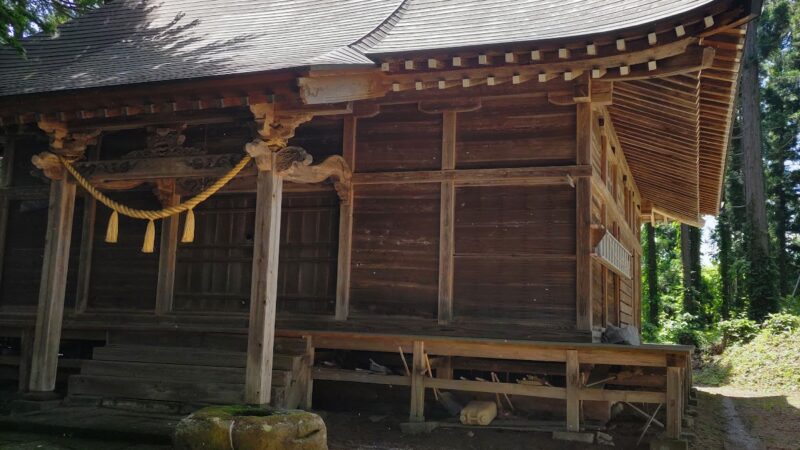
The shrine buildings of Hachiman Shrines exhibit characteristics of traditional shrine architecture in the Tohoku region. The main shrine is protected by a protective structure, shielding the sacred space from the harsh snow and wind of Akita’s winters.
The worship hall has long been a cherished place for worshippers to offer prayers. While it has undergone several repairs since its reconstruction in 1593 (Bunroku 2), its basic structure is believed to have been maintained.
Atmosphere of the Shrine Grounds
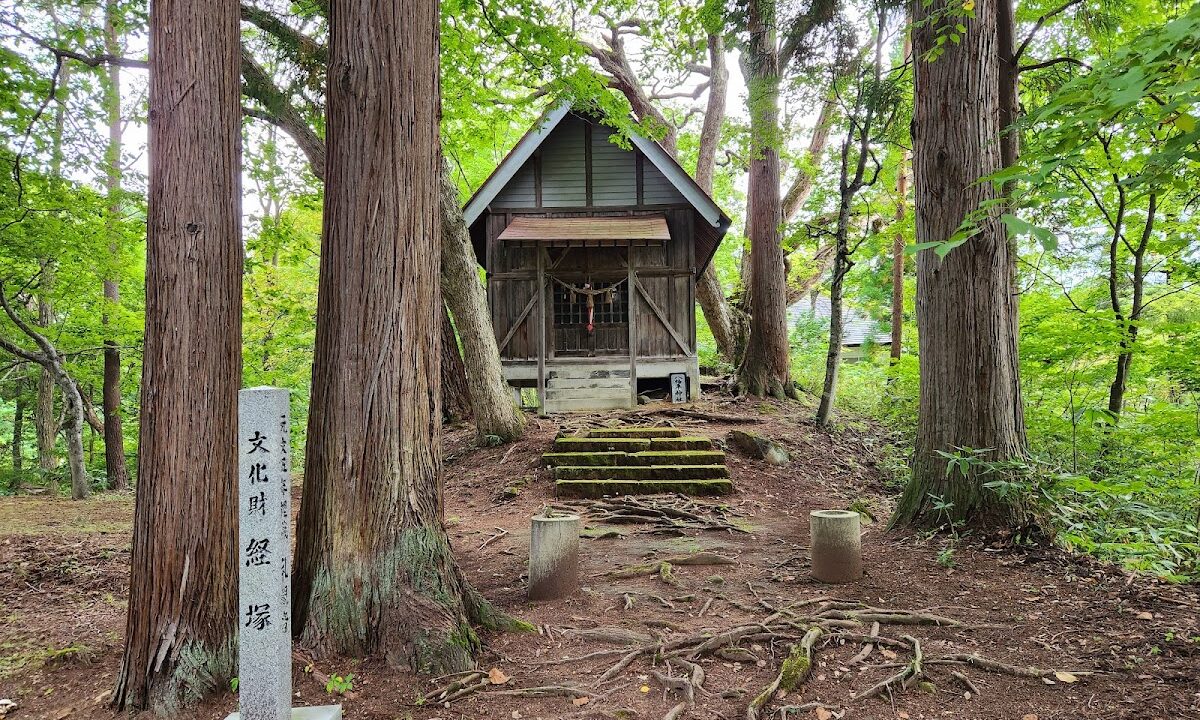
Surrounded by the natural beauty of Hachimantai, the shrine grounds are enveloped in a tranquil and sacred atmosphere. Trees such as cedar and pine flourish around the grounds, displaying different expressions throughout the seasons.
Especially the fresh green of spring, the deep green of summer, the autumn foliage, and the snowy landscape of winter offer a unique beauty to enjoy in each season. For the local people, it is a place of spiritual solace they visit regularly.
Stone Monuments and Memorials
Within the shrine grounds, there are stone monuments and memorials that tell the history of the shrine and local events. These are evidence of Hachiman Shrine’s deep connection with the local community and are valuable resources for understanding local history.
Annual Events and Festivals
Grand Festival
The Hachiman Shrine holds its annual grand festival every year. It is an important event where local people gather to express gratitude to the shrine’s deities and pray for the peace and prosperity of the community.
During the grand festival, solemn Shinto rituals are performed, and sometimes traditional local performing arts are offered. On the day of the festival, stalls line the shrine grounds, and it is bustling with many people, from children to adults.
New Year’s Visit
As the new year begins, the shrine becomes lively with worshippers visiting for their first shrine visit of the year. Local people visit the Hachiman Shrine to pray for safety and happiness in the new year.
From New Year’s Day to the third day of the new year, special Shinto rituals are performed at the shrine, and sacred sake is sometimes offered to worshippers.
Other Annual Events
- Spring Festival: Celebrating the arrival of spring and praying for a bountiful harvest.
- Autumn Festival: Giving thanks for the harvest and offerings to the gods.
- Monthly Festival: Regular monthly festivals.
Through these events, Hachiman Shrine plays a role in strengthening the bonds of the local community.
Characteristics of the Hachimantai Area in Kazuno City
Natural Environment of Hachimantai
The Hachimantai area of Kazuno City is located on the Akita Prefecture side of Hachimantai, which lies on the border between Akita and Iwate Prefectures. Hachimantai is a volcanic plateau at an altitude of 1,613 meters and is blessed with a rich natural environment.
It is an area where primeval forests spread and many alpine plants can be seen, allowing visitors to enjoy beautiful scenery throughout the four seasons. It is also known as a tourist destination due to its abundant hot spring resources.
Historical Background
As mentioned above, the Hachimantai area is the site of the Higashikan, one of the 42 Kazuno inns. In the Middle Ages, it flourished as one of the region’s centers and a vital transportation hub.
Even today, historical remains and legends remain in the area, making it a subject of local history research. Hachiman Shrine also occupies an important position as part of this history.
Center of the Local Community
Hachiman Shrine is not merely a religious facility; it is a central presence in the local community. Through festivals and events, it serves as a place for residents to interact and plays a role in passing on the region’s traditional culture to future generations.
In rural areas facing declining birth rates and an aging population, the importance of community hubs like shrines is increasing. Hachiman Shrine is also a cornerstone of identity for the people of the region.
Information for Visitors
Basic Information
Shrine Name: Hachiman Shrine
Location: Higashidate, Hachimantai, Kazuno City, Akita Prefecture
Shrine Rank: Former Village Shrine
Deity Enshrined: Homudawake-no-Mikoto (Emperor Ojin)
Founded: Before the Kamakura period (according to tradition)
Rebuilt: Bunroku 2 (1593)
Village Shrine Rank: Meiji 6 (1873)
Access Methods
Access by Car:
- Approximately 15 minutes from the Tohoku Expressway “Kazuno Hachimantai IC”
- Accessible from National Route 282
- Parking: Parking available on the shrine grounds or nearby
Public Transportation:
- Take a bus or taxi from JR Hanawa Line “Kazuno Hanawa Station”
- Bus service is limited, so advance confirmation is necessary.
Precautions for Visitors
- The shrine grounds are a sacred place, so please worship in silence.
- Please take all your trash with you and cooperate in environmental conservation.
- Please be careful of your footing during the winter months due to snow.
- Please refrain from taking photos inside the shrine buildings and only photograph the exterior.
Regarding Goshuin (Shrine Seals) and Souvenirs
Regarding Goshuin and souvenirs at Hachiman Shrine, there may not always be a resident Shinto priest, so we recommend contacting the Akita Prefectural Shrine Association or the local parishioners’ representative in advance.
Relationship with the Akita Prefectural Shrine Association
Hachiman Shrine is one of the shrines belonging to the Akita Prefectural Shrine Association. The Akita Prefectural Shrine Association is an organization that encompasses shrines throughout Akita Prefecture, providing support for shrine management, training of Shinto priests, and promoting Shinto culture.
The Akita Prefectural Shrine Association website contains information on shrines throughout the prefecture, and you can find basic information about Hachiman Shrine there. When planning a visit to the shrine, it would be a good idea to refer to the information from the Akita Prefectural Shrine Association.
Nearby Attractions
Hachimantai Onsenkyo (Hachimantai Hot Spring Village)
The Hachimantai area of Kazuno City boasts several hot springs, collectively known as Hachimantai Onsenkyo. Relaxing in the hot springs after visiting the shrine is highly recommended.
Lake Towada
Lake Towada, one of Japan’s most representative scenic spots, is approximately a 30-minute drive away. The deep blue waters characteristic of caldera lakes and the surrounding natural beauty captivate visitors.
Oyu Stone Circles
A large-scale stone circle from the late Jomon period, designated as a National Special Historic Site. An important historical site that allows visitors to feel the depth of Kazuno City’s history.
Kazuno City Local History Museum
A facility where you can learn about the history of the region, including the Kazuno 42 Museums. It helps in understanding the historical context behind Hachiman Shrine.
The Historical Value Conveyed by Hachiman Shrine
Hachiman Shrine (Higashidate, Hachimantai, Kazuno City, Akita Prefecture) is more than just a single shrine. With a long history dating back to before the Kamakura period, this shrine is a valuable cultural heritage site situated within the important historical context of the 42 forts of Kazuno in medieval Tohoku.
Having survived historical milestones such as its reconstruction in 1593 (Bunroku 2) and its designation as a village shrine in 1873 (Meiji 6), it has remained a center of local faith, demonstrating its importance to the community.
Even today, Hachiman Shrine continues to be a spiritual anchor for the people of the region. In rural areas facing depopulation and an aging population, the importance of preserving such historical shrines and passing them on to future generations is increasing.
Summary: The Significance of Visiting Hachiman Shrine
Hachiman Shrine, located in Higashidate, Hachimantai, Kazuno City, Akita Prefecture, is a venerable shrine said to have been founded before the Kamakura period. Established as the guardian deity of Higashidate, one of the 42 forts of Kazuno, it has continued to attract local faith from its reconstruction in 1593 (Bunroku 2) to its designation as a village shrine in 1873 (Meiji 6).
Visiting Hachiman Shrine is not simply about paying respects to a deity; it’s also about experiencing the rich history and culture of the Kazuno region. The shrine holds the memories of the region, dating back to the Middle Ages.
Why not quietly pray in the tranquil grounds surrounded by the beautiful nature of Hachimantai, feeling the weight of history and the faith of the local people? Hachiman Shrine will surely provide visitors with a deep sense of spiritual fulfillment.
If you are visiting Akita Prefecture, or if you are interested in the history of the Kazuno region, please consider adding a visit to Hachiman Shrine to your itinerary. This shrine, steeped in history and tradition, will undoubtedly add special meaning to your journey.