Complete Guide to Hachioji Shrine | A Thorough Explanation from History and Origin to Famous Shrines Nationwide
Table of Contents
- What is Hachioji Shrine?
- History and Origin of Hachioji Shrine
- Characteristics of Deities and Beliefs
- Famous Hachioji Shrines Nationwide
- The Origin of the Place Name Hachioji City and its Relationship to Shrines
- Benefits of Worship and Festivals/Events
- Frequently Asked Questions
What is Hachioji Shrine?
Hachioji Shrine (Hachioji Jinja) is a general term for shrines that enshrine the eight divine children of Susanoo-no-Mikoto, also known as “Hachioji Gongen.” Many exist throughout Japan and are also called “Hachioji-gu” or “Yahashira-jinja.”
What is Hachioji Gongen?
Hachioji Gongen refers to the eight divine children born between Susanoo-no-Mikoto and Kushinada-hime. These eight deities are also known as the “Five Male and Three Female Deities” and have been revered as important gods in Japanese mythology.
During the era of syncretism of Shinto and Buddhism, Susanoo-no-Mikoto was identified with Gozu Tenno, a guardian deity of Buddhism, and his son, Hachioji Gongen, also became an object of worship that blended Buddhism and Shinto. Even today, many Hachioji shrines continue this historical form of worship.
History and Origins of Hachioji Shrine
Genealogy of Ancient Beliefs
The origins of Hachioji shrines are deeply intertwined with the development of syncretism of Shinto and Buddhism in Japan. From the Heian period onward, the worship of Hachioji Gongen spread throughout the country, and many shrines were founded.
Especially in the Middle Ages, there were strong ties to Shugendo and mountain worship, and Hachioji Gongen was often enshrined as the guardian deity of sacred mountains. This is because Susanoo-no-Mikoto’s fierce yet powerful divine nature led to his worship as a being that calms the fury of nature and protects people.
Regional Development
Hachioji Shrines are distributed throughout Japan, but each region has developed uniquely. These Hachioji Shrines have become deeply rooted in people’s lives, serving as local tutelary deities and centers of faith for praying for bountiful harvests and family safety.
Characteristics of the Deities and Beliefs
Main Deities
The main deities of Hachioji Shrine are basically the following eight divine children:
- Masakatsu Akatsu Kachihayahi Ame no Oshihomimi no Mikoto
- Ame no Hohi no Mikoto
- Amatsuhikone no Mikoto
- Ikutsuhikone no Mikoto
- Kumano Kusubi no Mikoto
- Takiribime no Mikoto
- Ichikishima Hime no Mikoto
- Takitsuhime-no-Mikoto
These deities were born from the oath (ukei) between Susanoo-no-Mikoto and Amaterasu-Omikami, and play an important role in Japanese mythology.
Characteristics and Benefits of the Faith
The following benefits are believed to be associated with the worship of Hachioji Shrine:
- Abundant Harvest: Prayers for a bountiful harvest as the guardian deity of agriculture
- Family Safety: Protection of family health and safety
- Exorcism: Warding off calamities and warding off evil spirits
- Matchmaking: Divine virtue for finding good partners
- Safe Childbirth: Prayers for the health of mother and child and safe childbirth
- Business Prosperity: Development and prosperity of businesses
These benefits stem from the diverse divine attributes of Hachioji Gongen and the powerful divine authority of Susanoo-no-Mikoto.
Famous Hachioji Shrines Nationwide
Hachioji Shrine, Kasai City, Hyogo Prefecture
The Hachioji Shrine, located in Kagami-yama, Taya-cho and Aburaya-cho, Kasai City, Hyogo Prefecture, was founded in 1037 (Choryaku 1) by inviting Hachioji Okami from Hiyoshi Taisha Shrine in Shiga Prefecture.
Basic Information:
- Deity Enshrined: Hachioji Okami
- Founded: 1037 (Choryaku 1)
- Main Benefits: Abundant harvests, safe childbirth, matchmaking, protection from evil
- Features: Revered locally as the “Shrine of Unjun no Sato,” this ancient shrine boasts a history of nearly a thousand years.
Hachioji Shrine, Yamanashi Prefecture
The Hachioji Shrine in Yamanashi Prefecture originated in 954 (Tenryaku 8) with the enshrinement of Susanoo-no-Mikoto.
Basic Information:
- Founding: Tenryaku 8 (954 AD)
- History: In Bunmei 8 (1476 AD), the shrine building was constructed at its current location and named Hachioji Gongen.
- Development: In Eiroku 8 (1565 AD), eight child deities were enshrined together, and it became the tutelary deity of the Ofunatsu district.
- Purpose of Founding: Prayers for peace throughout the land, abundant harvests, and good health for the villagers.
Hachioji Shrine, Funabashi City, Chiba Prefecture
According to ancient traditions, this is a historical shrine that was already founded as a shrine in the Heian period, in Daido 2 (807 AD).
Basic Information:
- Founded: 807 AD
- Former Name: Hachioji-sama
- Historical Role: Until the early Showa period, an agricultural tools market was held on the shrine grounds. During the Meiji and Taisho periods, it functioned as a base for the Fuji-ko (Fuji pilgrimage) movement.
- Current Status: A central local shrine where Shichi-Go-San (children’s festival), exorcism, and prayers are performed.
Hachioji Shrine, Higashinari Ward, Osaka City
Hachioji Shrine, located in Osaka City, is an extremely old shrine, said to have been founded in the 3rd year of Emperor Ojin’s reign.
Basic Information:
- Deities Enshrined: Hachioji Okami and four other deities
- Founding Legend: 3rd year of Emperor Ojin’s reign
- History: It is said that Emperor Kotoku presented a pair of Goryeo dogs (Komainu) as a donation.
- Other Names: Hachioji Inari Shrine, “Tsubaki no Miya”
- Character: The tutelary deity of the former Honjo Village
Shrines in Hachioji City, Tokyo
Hachioji City, Tokyo, has several shrines related to the Hachioji faith, which gave the city its name.
Hachiman Yakumo Shrine
This shrine is revered as the tutelary deity of the central urban area of Hachioji City. It is a distinctive shrine where Hachiman Shrine and Yakumo Shrine are enshrined together.
Features:
- An important shrine connected to the origin of the name Hachioji
- A magnificent red torii gate and spacious grounds
- A central place of worship in the region
Other Major Shrines
The following shrines are also located within Hachioji City:
- Koyasu Shrine: Guardian deity of safe childbirth and child-rearing
- Taga Shrine: God of longevity
- Sanchiyo Inari Shrine: God of business prosperity
- Hie Shrine: Shrine of Sanno faith
- Imakuma Shrine: Center of mountain worship
- Tenman Shrine: God of learning
- Hiyoshi Hachioji Shrine: Fusion of Hiyoshi faith and Hachioji faith
These shrines form the rich religious culture of Hachioji City.
The Origin of the Place Name of Hachioji City and its Relationship to Shrines
Origin of the Place Name “Hachioji”
The place name of Hachioji City, Tokyo, is deeply connected to the faith in Hachioji Gongen. In the Middle Ages, a belief in Hachioji Gongen took root in this region, and it is believed that this is the origin of the place name.
Mount Takao and Hachioji Faith
Mount Takao, a sacred mountain representative of Hachioji City, has long been known as a sacred site of Shugendo (mountain asceticism) and was a center of mountain worship. Within the sphere of influence centered around Takao-san Yakuo-in Temple, reverence for Hachioji Gongen also held an important position.
Japan Heritage Site “Mount Takao, a Mountain Full of Spiritual Energy”:
Hachioji is also known as a textile town called “Soto” (Mulberry City), and has fostered a rich culture alongside its faith in Mount Takao. This historical and cultural value is registered as a Japan Heritage site, and religious facilities, including Hachioji Shrine, are important components in weaving this story.
Regional Development and Shrines
In the development of Hachioji City, each shrine has functioned not merely as a place of worship, but as a center of the local community. They continue to play an important role today as places where people gather and deepen their bonds through festivals and events.
Benefits of Visiting and Festivals/Events
Etiquette for Visiting
Visiting Hachioji Shrine follows the general etiquette for visiting shrines:
- Bow at the Torii Gate: Bow before entering the sacred area.
- Purification at the Water Basin: Purify your left hand, right hand, and mouth in that order.
- Worship at the Main Hall: Bow twice, clap twice, and bow once.
- Express Gratitude: Express your gratitude for the day’s blessings.
Main Festivals and Events
Various festivals and events are held throughout the year at each Hachioji Shrine:
Spring Grand Festival:
- Timing: Spring (around March to May, varies by shrine)
- Content: An important festival praying for a bountiful harvest.
Autumn Grand Festival:
- Timing: Autumn (around September to November)
- Content: A festival offering thanks for the harvest.
- Characteristics: A portable shrine procession and devotional performances are sometimes held.
Monthly Festival:
- Frequency: Every month
- Content: Regular religious ceremonies
Special Prayers:
- Shichi-Go-San (November)
- First Shrine Visit (As needed)
- Exorcism Prayers (Beginning of the year to around Setsubun)
- Safe Childbirth Prayers (As needed)
The Role of Hachioji Shrine in Modern Times
Even in modern times, Hachioji Shrine plays an important role in the local community:
Community Center:
- Promoting interaction among residents through local festivals
- A place for the transmission and education of traditional culture
- Forming bonds across generations
Spiritual Sanctuary:
- A place for prayer at life’s milestones
- A place to find peace of mind
- Transmission of traditional Japanese values
Tourism and Cultural Resources:
- Cultural assets that convey the history of the region
- Value as a tourism resource
- Symbol of regional identity
Highlights of Hachioji Shrine
Architectural Style
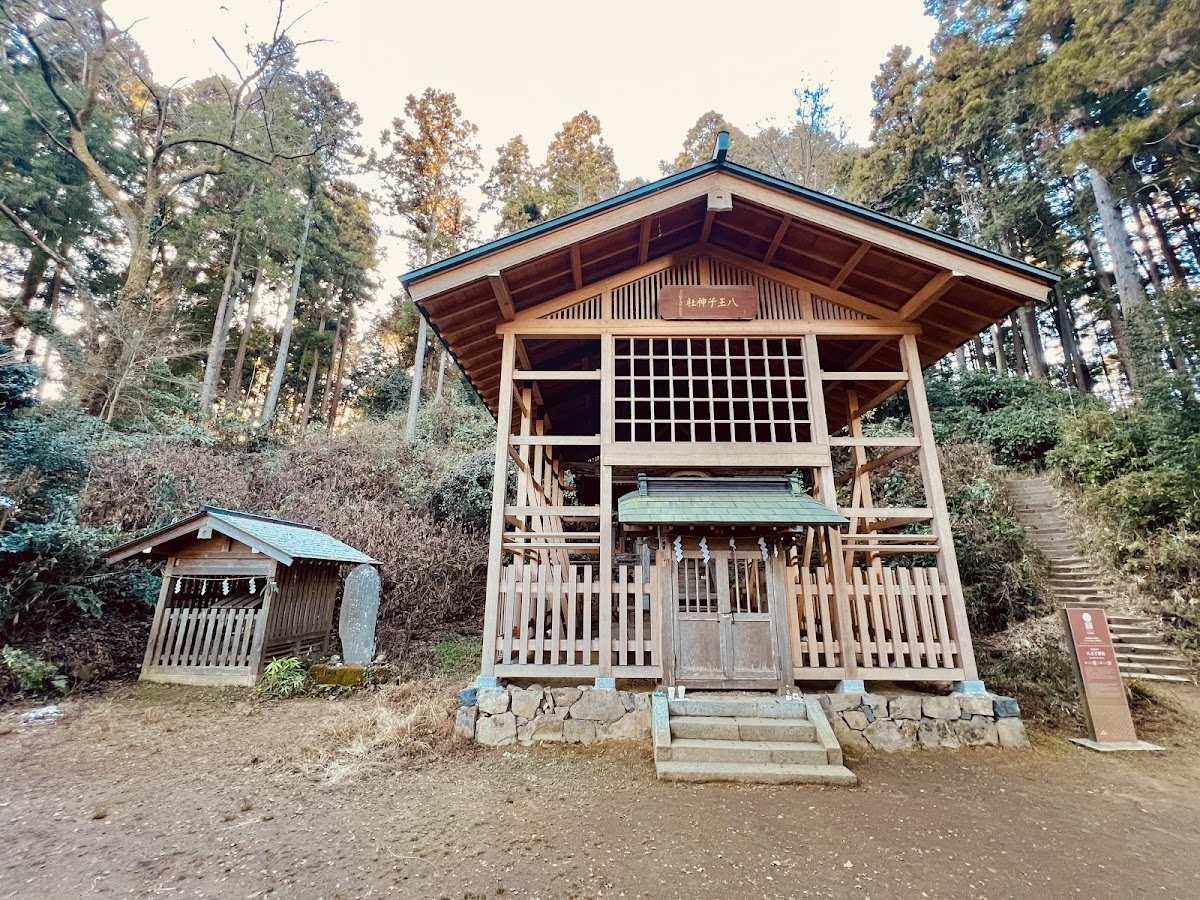
Many Hachioji shrines showcase the beauty of traditional shrine architecture. The main hall, worship hall, torii gate, and other structures reflect the architectural techniques and aesthetic sensibilities of their respective eras, and many are of high cultural value.
Nature within the Shrine Grounds
Many Hachioji shrines are surrounded by abundant nature. You can enjoy the beauty of nature throughout the seasons, including ancient trees, sacred trees, and seasonal flowers. In particular:
- Sacred Tree: Giant trees hundreds of years old tell the story of the shrine’s history.
- Shrine Grounds Forest: Precious natural area protected as a guardian forest.
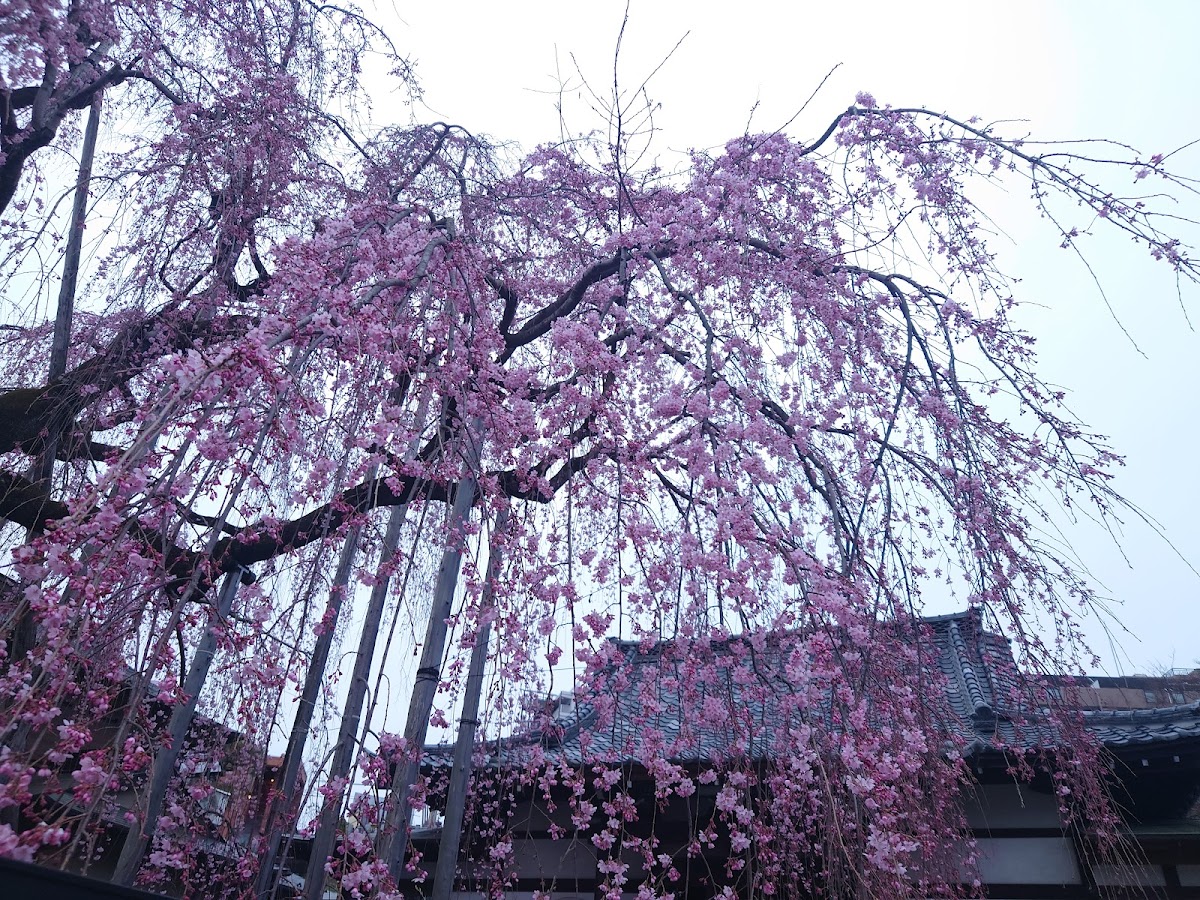
- Seasonal Flowers: Cherry blossoms, autumn leaves, camellias, and other seasonal beauty.
Cultural Properties and Treasures
Each Hachioji Shrine houses valuable cultural properties and treasures that have been preserved and passed down through a long history:
- Ancient documents and ridgepole inscriptions
- Shinto and Buddhist statues (remnants of the Shinto-Buddhist syncretism era)
- Votive offerings and votive tablets
- Festival implements
These are important resources for understanding the history of the region and the changes in beliefs.
Transportation Access and Visiting Information
Access to Hachioji Shrines in Various Locations
Since Hachioji Shrines exist throughout Japan, it is important to check the location of the shrine you wish to visit in advance. Many shrines provide detailed transportation information on their official websites or in local tourist guides.
Points to Note When Visiting a Shrine
- Visiting Hours: Many shrines recommend visiting during the daytime (please check with each shrine for specific times).
- Parking: Larger shrines often have parking facilities.
- Prayers: If you wish to request a special prayer, it is advisable to contact the shrine in advance.
- Photography: Please observe proper photography etiquette within the shrine grounds.
- Attire: Please dress appropriately for visiting a shrine.
Inquiries
Inquiries to each Hachioji Shrine can be made through the shrine’s office or official website. It is recommended to directly contact the shrine regarding festival dates, prayer reservations, and information about Goshuin (shrine stamps).
Summary
Hachioji Shrine is a general term for shrines throughout Japan that enshrine the eight children of Susanoo-no-Mikoto. With a long history dating back to the Heian period, they have developed uniquely in each region, influenced by the syncretism of Shinto and Buddhism.
Hachioji shrines are believed to offer a variety of blessings, including bountiful harvests, family safety, protection from evil, matchmaking, and safe childbirth, and are still revered by many people today. Hachioji shrines throughout Japan, including those in Kasai City (Hyogo Prefecture), Yamanashi Prefecture, Funabashi City (Chiba Prefecture), Osaka City, and Hachioji City (Tokyo), function as important centers of faith in their respective regions.
In particular, in Hachioji City, Tokyo, the Hachioji faith, from which the city derives its name, has intertwined with mountain worship of Mount Takao and the development of the textile industry, forming a rich regional culture. This history and culture have been recognized as a Japan Heritage site and are being passed down to future generations.
Visiting a Hachioji shrine is more than just sightseeing or making a wish; it’s a valuable opportunity to experience traditional Japanese faith and culture and learn about local history. By visiting Hachioji shrines throughout Japan, you can discover the diverse faith cultures of Japan and the unique characteristics of each region.
Even in modern society, Hachioji shrines continue to play an important role as centers of local communities and as spiritual havens. The way Hachioji Shrine preserves its history and traditions while developing activities that are adapted to the new era is a prime example of the sustainability of Japanese traditional culture.