Hakusan Shrine (Kurayoshi City, Tottori Prefecture) Complete Guide: History, Benefits, and Access Information
Kurayoshi City, Tottori Prefecture, is home to several Hakusan Shrines, which have long been revered by local residents. Hakusan worship is a form of mountain worship widespread throughout Japan, with Hakusan in Ishikawa Prefecture serving as the head shrine, and numerous shrines dedicated to it being established in various locations. The Hakusan Shrines in Kurayoshi City are also important shrines that convey the region’s history and culture to the present day.
This article provides a detailed and comprehensive explanation of the Hakusan Shrines in Kurayoshi City, covering their historical background, enshrined deities and benefits, highlights within the grounds, annual events, and access methods. Please use this as a guide for your visit to Kurayoshi City.
Basic Information on Hakusan Shrines
Location and Overview
While Kurayoshi City has several Hakusan Shrines, the main ones are scattered throughout the city’s various districts. Each shrine functions as a center of its local community and has been carefully preserved by its parishioners and devotees.
Hakusan Shrine is a shrine based on the Hakusan faith, with Hakusan Hime Shrine, located in Kaga Province (present-day Ishikawa Prefecture), as its head shrine. As one of approximately 3,000 Hakusan Shrines nationwide, it is an important object of worship in Kurayoshi City.
Affiliation with the Tottori Prefectural Shrine Association
Shrines in Kurayoshi City belong to the Tottori Prefectural Shrine Association, deepening their ties with the local community while preserving Shinto traditions. The Tottori Prefectural Shrine Association oversees shrines within the prefecture, providing support for priest training and shrine events.
History and Origins of Hakusan Shrine
Origins of Hakusan Faith
Hakusan faith is a mountain worship that reveres the sacred Mount Hakusan (2,702m above sea level) as a divine mountain. It is believed to have been founded in 717 AD (Yoro 1) by Taicho Daishi, and since then, it has developed as a sacred site for Shugendo (mountain asceticism).
The deity of Mount Hakusan is generally Kukurihime-no-kami, with Izanagi-no-mikoto and Izanami-no-mikoto enshrined as secondary deities. This belief spread throughout Japan from the Heian period to the Kamakura period, and Hakusan shrines were established in various locations.
Establishment of Hakusan Shrines in Kurayoshi City
The founding dates of Hakusan shrines in Kurayoshi City vary depending on the individual shrine, but most are believed to have been established during the medieval to early modern periods as guardian deities of the region. Kurayoshi City has long flourished as the center of Hoki Province and developed as a jinya town during the Edo period.
Within this historical context, Hakusan shrines have played an important role as places to pray for the safety and prosperity of local residents. In a lifestyle centered on agriculture, there was also strong reverence for the deity as a god of water and agriculture, and rituals for bountiful harvests and rainmaking were performed.
Developments Since the Modern Era
The Meiji-era decree separating Shinto and Buddhism brought about significant changes to shrines throughout Japan. Hakusan Shrine was no exception; in the process of establishing its independence as a Shinto shrine, its ranks were reorganized and its ritual practices changed.
During the Showa period, the shrine was affected by war, but thanks to the efforts of local residents, the shrine buildings and grounds were maintained, leading to its present state. From the Heisei to the Reiwa era, while facing challenges such as depopulation and an aging population, the parishioners’ organization and local community have worked together to protect the shrine.
Deities and Benefits
Main Deity: Kukurihime-no-kami
The main deity of Hakusan Shrine is Kukurihime-no-kami. This deity appears in the myths of the *Nihon Shoki* (Chronicles of Japan) and is said to have mediated between Izanagi-no-Mikoto and Izanami-no-Mikoto, hence the name “kukuru” (to tie/bind).
Kukurihime-no-kami is worshipped as the goddess of matchmaking and harmony, and is believed to bring blessings for marital harmony and successful relationships. She is also revered as the goddess of Mount Hakusan, presiding over the blessings of water, and as the guardian deity of agriculture and fishing.
Enshrined Deities
Many Hakusan shrines enshrine the following deities alongside Kukurihime-no-kami:
- Izanagi-no-Mikoto: A male deity appearing in the creation myth of Japan, the creator god who gave birth to the land of Japan and many gods.
- Izanami-no-Mikoto: The wife of Izanagi-no-Mikoto, the goddess who together gave birth to the land of Japan and many gods.
These deities are fundamental gods in Japanese mythology, symbolizing the creation, prosperity, and protection of life.
Main Blessings
The following blessings can be expected from visiting a Hakusan shrine:
- Matchmaking and Fulfillment of Good Relationships: Through the harmonious power of Kukurihime-no-Kami, good relationships are forged.
- Marital Harmony and Family Safety: Protection of peace and harmony in the home.
- Abundant Harvest and Business Prosperity: Prayers for the prosperity of agriculture and businesses.
- Protection from Misfortune and Good Fortune: Warding off disasters and improving luck.
- Protection from Water Disasters: Protection as the god of water.
- Fertility and Safe Childbirth: Power as the creator god of life.
Highlights of the Shrine Grounds
Shrine Architecture
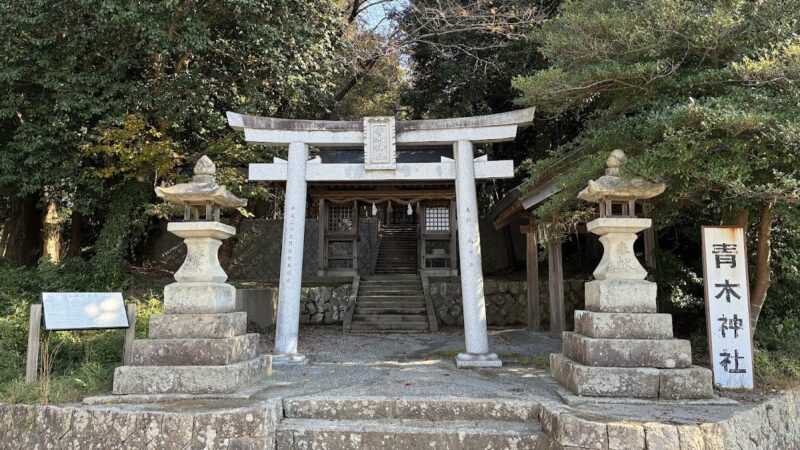
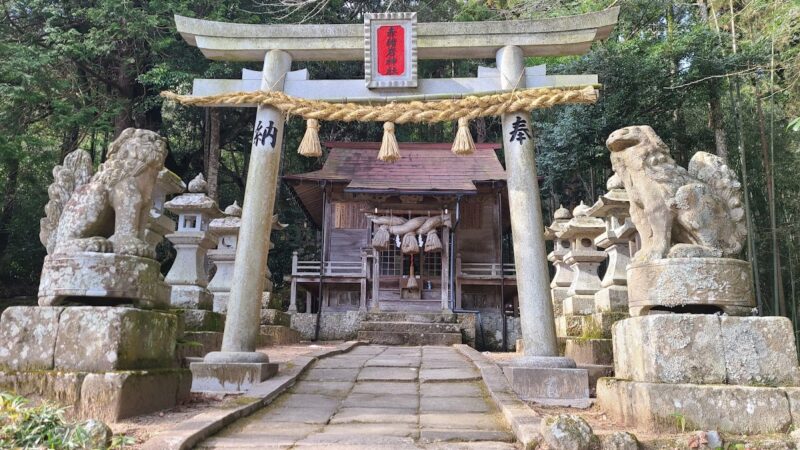
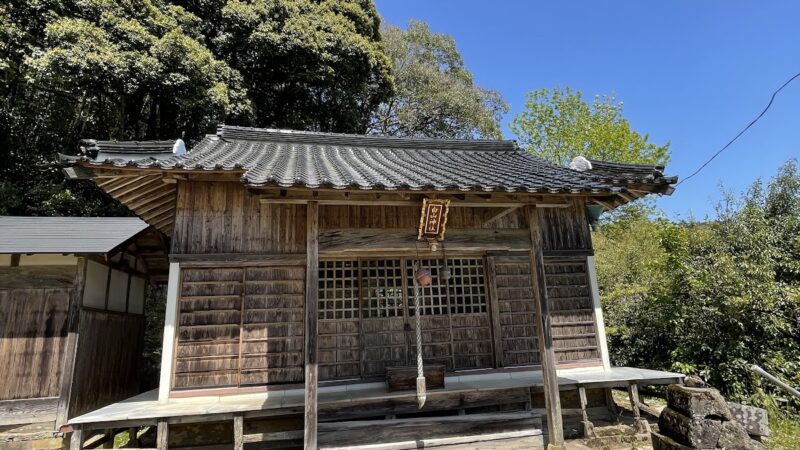
The shrine buildings of Hakusan Shrine are constructed in an architectural style suited to the local climate and environment. In most cases, they have a basic configuration of a main hall, worship hall, and torii gate, creating a simple yet solemn atmosphere.
The architectural style of the shrine buildings follows traditional forms of shrine architecture, such as Shinmei-zukuri and Nagare-zukuri, forming a beautiful landscape where the texture of the wood harmonizes with the surrounding nature.
Natural Environment of the Shrine Grounds
The grounds of Hakusan Shrine often retain ancient sacred forests, where large and old trees create a sacred atmosphere. Cedar, pine, and chinquapin trees flourish, allowing visitors to experience the changing seasons.
Especially during the fresh green of spring and the vibrant autumn foliage, the grounds are enveloped in beautiful colors, soothing the hearts of worshippers.
Stone Monuments and Memorials
Within the shrine grounds, there are often stone monuments that tell the history of the shrine, as well as memorials that record important local events. These inscriptions reveal the deep connection between the shrine and the local community, and the way the faith has been passed down through generations.
Annual Events and Festivals
Grand Festival
Hakusan Shrine holds various Shinto rituals throughout the year, but the most important is the Grand Festival. The Grand Festival is held on a special day related to the shrine’s founding and the enshrined deity, and is celebrated grandly by parishioners and devotees.
During the annual festival, Shinto rituals such as the recitation of prayers by Shinto priests and the offering of sacred branches are solemnly performed, praying for the peace and prosperity of the community. Traditional performing arts such as the portable shrine procession and lion dances may also be offered.
New Year’s Festival and First Shrine Visit
As the new year approaches, many worshippers visit Hakusan Shrine from New Year’s Day. During the New Year’s Festival, Shinto rituals are performed with the participation of the parishioners’ representatives and other related parties, praying for peace and prosperity in the new year.
During the first shrine visit period, lucky charms such as amulets, protective arrows, and rakes are given out, and many people visit the shrine with their wishes for the new year.
Spring and Autumn Festivals
In spring and autumn, festivals are sometimes held to coincide with milestones in the agricultural work. The spring festival prays for a bountiful harvest, and the autumn festival expresses gratitude for the harvest. These festivals are important events that convey the traditions of the community, which has been based on agriculture.
Other Annual Events
- Setsubun Festival: Around February 3rd, events such as bean-throwing
- Summer Purification Ceremony: June 30th, a Shinto ritual to purify sins and impurities accumulated over the past six months
- Shichi-Go-San Festival: November, a visit to celebrate the growth of children
- Year-End Purification Ceremony: December 31st, a Shinto ritual to purify sins and impurities accumulated over the past year
Shrine Culture of Kurayoshi City and Hakusan Shrine
Distribution of Shrines in Kurayoshi City
Besides Hakusan Shrine, many other shrines are located in Kurayoshi City. Representative examples include Kamo Shrine, Omiya Shrine, and Kogamo Shrine, each deeply connected to the history of the region.
The shrines in Kurayoshi City, under the jurisdiction of the Tottori Prefectural Shrine Association, cooperate with each other to preserve and pass on the region’s Shinto culture. While each shrine has its own unique deities and history, they all share a common role as spiritual pillars of the local community.
Relationship with the White-Walled Storehouse District
Kurayoshi City is a tourist city known for its white-walled storehouse district. The townscape from the Edo to Meiji periods has been preserved and designated as a National Important Preservation District for Groups of Traditional Buildings.
The shrines in the city, including Hakusan Shrine, have existed as the spiritual center of the region since the formation of this historical townscape. For tourists visiting the white-walled storehouse district, visiting the shrines provides an opportunity to gain a deeper understanding of Kurayoshi’s history and culture.
Connection with the Local Community
Even today, Hakusan Shrine remains an important hub for the local community. The shrine’s maintenance, festival management, and cleaning activities are regularly carried out by the parishioners’ organization, strengthening the bonds among local residents.
Especially in areas experiencing depopulation, shrines play an invaluable role as places for intergenerational exchange and as symbols of regional identity.
Access Information
Access by Public Transportation
Access to Kurayoshi City begins at Kurayoshi Station on the JR San’in Main Line.
By Train:
- Get off at JR Kurayoshi Station
- From the station, take a bus or taxi.
By Bus:
- Take a Nihon Kotsu bus or Hinomaru bus from Kurayoshi Station.
- Bus routes operate to various parts of the city.
- For the Shirakabe Dozo (White-Walled Storehouse District), the “Akagawara/Shirakabe Dozo” bus stop is convenient.
Specific access to Hakusan Shrine varies depending on the shrine’s location, so it is recommended to check in advance.
Access by Car
Using the Expressway:
- From the San’in Expressway, take the “Kurayoshi West IC” or “Kurayoshi East IC” to the city center.
- Travel time: Approximately 10-15 minutes from the IC to the city center.
Using General Roads:
- National Route 9, National Route 313, etc., pass through the city.
- From Tottori City: Approximately 40 minutes via National Route 9.
- From Yonago City: Approximately 50 minutes via National Route 9.
Parking:
The availability and capacity of parking vary depending on the size of the shrine. Smaller shrines may not have dedicated parking, so please consider using nearby public parking lots. There are several tourist parking lots around the Shirakabe Dozo District.
Nearby Tourist Spots
In addition to visiting Hakusan Shrine, we recommend visiting the following tourist spots in Kurayoshi City.
Shirakabe Dozo District:
A historical townscape lined with buildings from the Edo and Meiji periods. The landscape of white walls and red tiled roofs along the Tamagawa River is a representative sight of Kurayoshi.
Red Tile Area:
A group of tourist facilities located within the white-walled storehouse district. It features a concentration of craft shops, cafes, and galleries.
Utsubuki Park:
A city park known for its cherry blossoms and camellias. Approximately 4,000 cherry trees bloom here in spring.
Kurayoshi Museum/Kurayoshi Historical and Folk Museum:
A facility where you can learn about the history and culture of Kurayoshi. It exhibits local historical materials and works of art.
Kurayoshi Figure Museum (Circular Theater):
A museum utilizing a circular school building. It features a rich collection of figures and toys.
Etiquette and Manners for Visiting Shrines
Basic Etiquette for Visiting Shrines
There are traditional customs for visiting shrines that have been passed down since ancient times. Please follow the steps below.
1. How to Pass Through the Torii Gate
- Bow before passing through the torii gate.
- Walk along the edge of the path, as the center is considered the path of the gods.
2. Purification at the Water Basin
- Hold the ladle in your right hand and purify your left hand.
- Switch the ladle to your left hand and purify your right hand.
- Hold the ladle again in your right hand, receive water in your left hand, and rinse your mouth.
- Finally, stand the ladle upright and purify the handle.
3. Worship at the Main Hall
- Stand in front of the offering box and bow slightly.
- Gently place your offering in the box.
- Ring the bell if there is one.
- Bow twice, clap twice, and bow once (bowing deeply twice, clapping twice, bowing deeply once).
4. Departure
- Turn around and bow before leaving the torii gate.
Clothing and Items to Bring When Visiting
There are no specific dress code requirements, but it is desirable to wear clothing that reflects the sacred nature of the place.
- Clean and presentable attire
- Avoid revealing clothing
- Even in summer, clothing that covers your shoulders and knees is preferable
- Remove your hat in front of the main hall
Items to bring:
- Offering money (auspicious coins such as 5-yen or 50-yen coins)
- Wallet if receiving amulets or talismans
- Goshuincho (stamp book) if receiving a Goshuin (stamp)
Photography
Photography is generally permitted on the shrine grounds, but please note the following:
- Photography inside the main hall or during Shinto rituals is generally prohibited
- Be considerate of other worshippers
- Refrain from using flash photography
- Always obey any signs prohibiting photography
- When posting on social media, remember to be mindful of the location and respect for the sacredness of the place
Goshuin and Amulets
About Goshuin
Goshuin may be available at Hakusan Shrine. Goshuin are given by the shrine as proof of worship, and collecting them has become a popular hobby in recent years.
Points to Note When Receiving a Goshuin (Shrine Stamp):
- Always pray before receiving a Goshuin.
- Bring a Goshuincho (stamp book) (avoid notebooks or colored paper).
- Prepare a donation (usually around 300-500 yen).
- You may not be able to receive a Goshuin if the priest or shrine maiden is absent.
- Be mindful of polite language and demeanor.
Small shrines may not have a resident priest, so it is recommended to check in advance.
Amulets and Souvenirs
Hakusan Shrine may offer a variety of amulets and souvenirs.
Main Types of Amulets:
- Matchmaking Amulet
- Family Safety Amulet
- Traffic Safety Amulet
- Academic Success Amulet
- Protection from Evil Amulet
- Safe Childbirth Amulet
Amulets are sacred objects believed to contain the power of the gods. It is customary to treat them with care and return them to the shrine after about a year to receive a new one.
Other Major Shrines in Kurayoshi City
Here are some major shrines in Kurayoshi City that you might want to visit along with Hakusan Shrine. ### Kamo Shrine
Located in Fukutomi, Kurayoshi City, Kamo Shrine is one of Kurayoshi City’s representative shrines. The enshrined deity is Kamo Wakeikazuchi no Kami, who was invited from Kamigamo Shrine in Kyoto.
The shrine grounds, surrounded by a protected forest, have a solemn atmosphere, and many worshippers visit during New Year’s and the annual festival. Because it enshrines the god of thunder, it is believed to bring blessings of abundant harvests and protection from evil.
Kogamo Shrine
Located in the southern part of Kurayoshi City, Kogamo Shrine is a shrine with a long history. It is worshipped as the local tutelary deity, and traditional Shinto rituals are performed during the autumn festival.
Omiya Shrine
Omiya Shrine, located near the city center, is also a shrine that attracts the faith of local residents. The shrine grounds have a magnificent main hall, and various Shinto rituals are performed throughout the year.
Shrine Culture of Tottori Prefecture
Major Shrines of Tottori Prefecture
Besides Hakusan Shrine, Tottori Prefecture has many other historically significant shrines.
Eastern Area (Around Tottori City):
- Ube Shrine: The Ichinomiya (first-ranked shrine) of Inaba Province, known as the god of business prosperity.
- Hakuto Shrine: The setting of the legend of the White Rabbit of Inaba, a shrine for matchmaking.
- Karo Shrine: Dedicated to the god of the sea, deeply revered by those involved in the fishing industry.
Central Area (Around Kurayoshi City):
- Representative shrines include Hakusan Shrine and Kamo Shrine.
- Numerous shrines are also located in towns such as Misasa, Yurihama, and Kotoura.
Western Area (Around Yonago City):
- Ogamiyama Shrine: The Ichinomiya of Hoki Province, one of the oldest shrines in the Chugoku region.
- Kanemochi Shrine: Popular as a shrine for financial luck due to its auspicious name.
Role of the Tottori Prefectural Shrine Association
The Tottori Prefectural Shrine Association, as the organization that oversees shrines within the prefecture, carries out the following activities:
- Support and guidance for shrine management
- Training and education of Shinto priests
- Consultation services regarding shrines
- Promotion and awareness of Shinto culture
- Promotion of cooperation with local communities
Shrines within the prefecture cooperate with each other through the Association of Shinto Shrines, striving to preserve traditional culture and contribute to local communities.
The Modern Significance of Hakusan Shrine
The Core of Regional Identity
In modern society, Hakusan Shrine holds more significance than merely a religious facility. As a symbol of regional identity, it serves as a spiritual anchor for residents.
Through festivals and annual events, intergenerational exchanges are fostered, strengthening community bonds. Especially for younger generations, experiences at the shrine provide a valuable opportunity to cultivate affection for their hometown.
Value as a Tourism Resource
For tourists visiting Kurayoshi City, shrines, including Hakusan Shrine, are important spots where they can experience the region’s history and culture. Visiting them in conjunction with other tourist attractions such as the White-Walled Storehouse District allows for a deeper understanding of Kurayoshi’s charm.
Shrine architecture, the natural surroundings, and traditional events are invaluable resources that convey the essence of Japanese culture. In the context of inbound tourism, shrines are attracting attention as places where visitors can experience authentic Japanese culture.
A Place of Peace of Mind
Many modern people lead stressful lives. The tranquil space of a shrine functions as a place to escape from such daily stress and find peace of mind.
The abundant nature within the grounds, the majestic shrine buildings, and the pure air provide visitors with peace and vitality. The act of worship itself becomes an opportunity to reflect on oneself and cultivate a sense of gratitude.
Points to Note When Visiting Hakusan Shrine
Seasonal Attractions
Spring (March-May):
This is a season when the fresh greenery is beautiful and the shrine grounds are full of vitality. At shrines with cherry trees, you can also enjoy cherry blossom viewing. Many spring festivals are held, making it an excellent opportunity to witness traditional events.
Summer (June-August):
The shrine grounds, covered in lush greenery, exude a refreshing atmosphere. Summer-specific rituals, such as the Natsukoshi no Oharae (Summer Purification Ceremony), are held. Early morning or evening visits are recommended.
Autumn (September-November):
This is a beautiful season when the autumn leaves color the shrine grounds. The Autumn Festival offers thanks for the harvest and provides an opportunity to experience local traditional culture.
Winter (December-February):
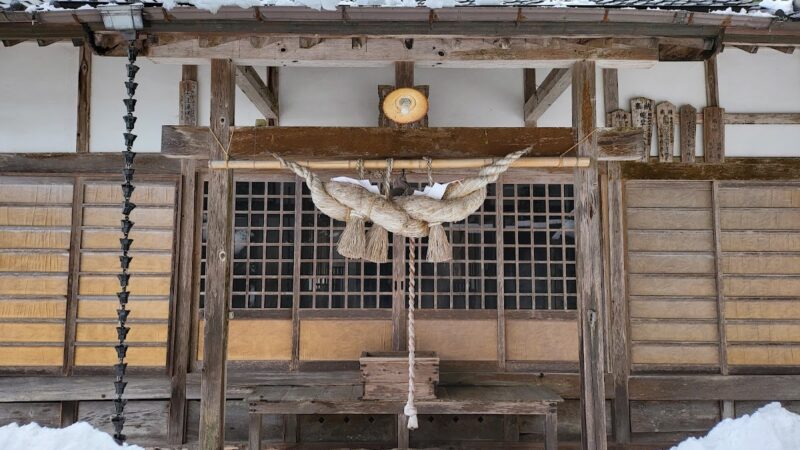
The shrine grounds, enveloped in silence, possess a solemn atmosphere. New Year’s events, such as Hatsumode (first shrine visit of the year) and Setsubun Festival, are held. The shrine in a snowy landscape also has a unique charm.
Estimated Time Required
The time required for a visit to Hakusan Shrine varies depending on the size and purpose of the shrine, but the general estimate is as follows:
- Visiting only: 15-30 minutes
- Including a stroll around the grounds: 30-60 minutes
- If receiving a Goshuin (temple/shrine stamp): Add 10-20 minutes
- Visiting other nearby shrines: Half a day to a full day
If visiting multiple shrines in Kurayoshi City, it is recommended to plan an efficient route in advance.
Precautions when visiting
- Shrines are sacred places: Please visit quietly and without making noise.
- Smoking is prohibited on the shrine grounds: Smoking is only permitted in designated areas.
- Bringing pets: Regulations vary by shrine, so please check in advance.
- Take your trash home: Please cooperate in keeping the shrine grounds clean.
- Consideration during religious ceremonies: When religious ceremonies are being held, please observe quietly so as not to disturb them.
Summary: Through a visit to Hakusan Shrine
Hakusan Shrine in Kurayoshi City, Tottori Prefecture, is a historical shrine that has attracted the faith of local residents since ancient times. The deities enshrined at Hakusan Shrine, including Kukurihime-no-kami, based on the Hakusan faith, are believed to bestow various blessings, such as matchmaking, family safety, and abundant harvests.
The tranquil atmosphere of the shrine grounds, the changing seasons, and traditional festivals convey the essence of Japanese spiritual culture to visitors. Visiting the shrine in conjunction with other tourist attractions in Kurayoshi City, such as the white-walled storehouse district, will allow for a deeper understanding of the region’s history and culture.
In modern society, shrines are not merely religious institutions; they play multifaceted roles as the core of local communities, places of peace, and centers for cultural transmission. We hope that a visit to Hakusan Shrine will provide an opportunity to connect with traditional Japanese culture and reflect on oneself.
When visiting Kurayoshi City, please be sure to stop by Hakusan Shrine. The time spent in the shrine’s quiet grounds, away from the hustle and bustle of everyday life, offering peaceful prayers, will surely be a memorable experience.