Complete Guide to Hamacho Shrine | History, Goshuin (Shrine Seals), and Access Information for the Inari Shrine and Toei Shrine Associated with the Shimazu Family
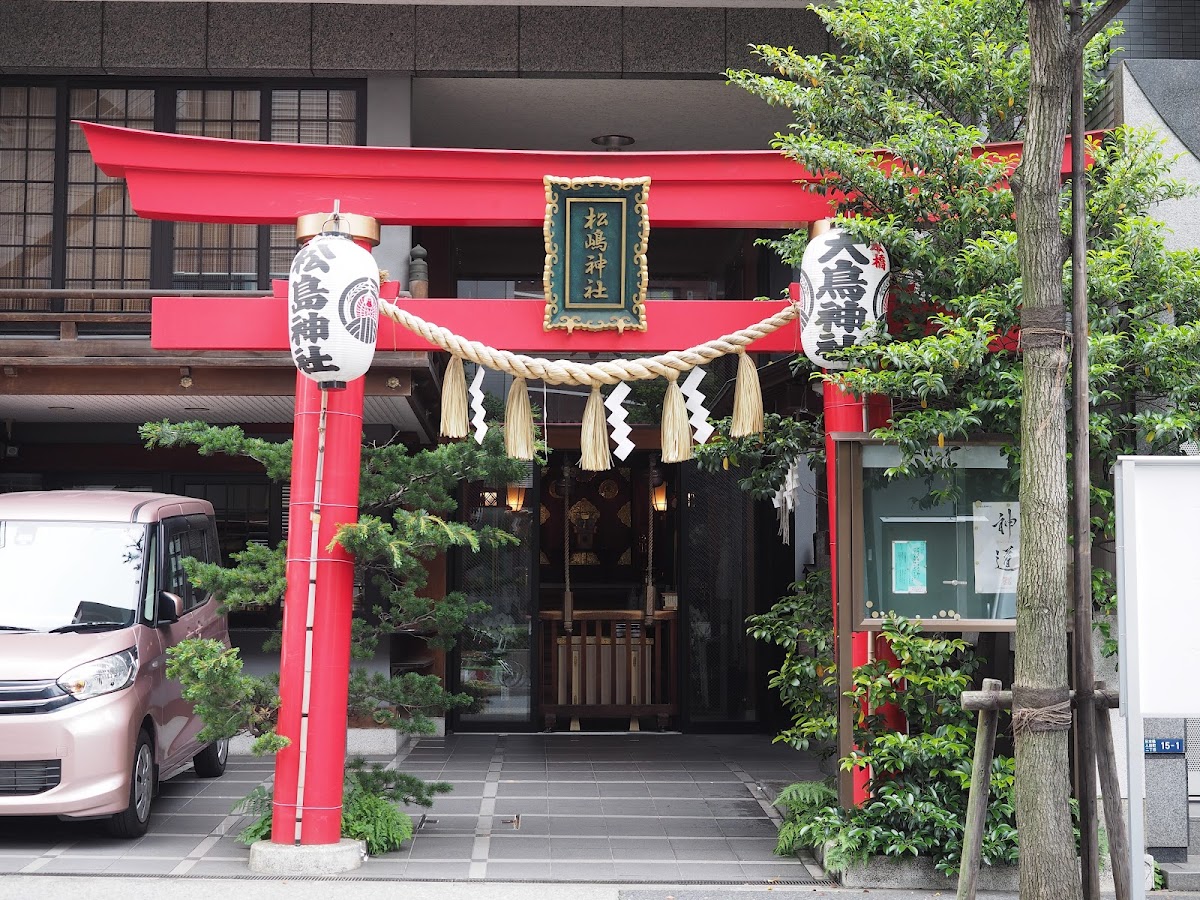
Hamacho Shrine, nestled in a corner of Tornare Nihonbashi Hamacho, a redevelopment area in Nihonbashi Hamacho, Chuo Ward, Tokyo, is an Inari shrine with a history dating back to the Edo period. This shrine, quietly situated amidst buildings, originated from the Shimazu Inari Okami enshrined at the Shimazu family’s secondary residence and continues to be revered as the guardian deity of the area.
This article comprehensively introduces all the information you need to know before visiting Hamacho Shrine, including its detailed history, enshrined deities, highlights within the grounds, the particularly noteworthy Toei Shrine, goshuin information, and access methods.
History of Hamacho Shrine | From Shimazu Family’s Secondary Residence to Town Guardian Deity
Founding in the Tenmei Era and Shimazu Inari Okami
The history of Hamacho Shrine dates back to the Tenmei era (1781-1789). During this period, the site where Hamamachi Shrine currently stands was the Shimazu family’s secondary residence. The Shimazu family was a daimyo family that ruled the Satsuma Domain (present-day Kagoshima Prefecture) and maintained several residences in Edo.
The origin of Hamamachi Shrine is believed to be the enshrinement of Inari Okami within the garden of the secondary residence. Initially, it was revered by the Shimazu family as “Shimazu Inari Okami.” According to the Chuo Ward History, this Inari shrine is recorded as having been founded during the Tenmei era.
Land Transfer and Circumstances during the Ansei Era
During the Ansei era (1854-1860), the Tokugawa Shogunate formally transferred land to the Shimazu family. During this time, the Shimazu family continued to revere the Inari shrine, which had been established during the Tenmei era and was already enshrined on the land, as Shimazu Inari.
Subdivision and Succession to the Town in Meiji 20
In Meiji 20 (1887), a major turning point occurred. The land where the Shimazu family’s secondary residence once stood was sold to the public as residential land. The land left the Shimazu family’s hands, and the area was given the name “Hamacho 3-chome.”
However, the shrine dedicated to Shimazu Inari Okami remained in the same location. The town took over the shrine, continuing to worship it as the guardian deity of Hamacho. This is the origin of the current name “Hamacho Shrine.”
Redevelopment and New Shrine Building in 2005
In 2005 (Heisei 17), a large-scale redevelopment project was carried out in the Hamacho area. As part of the construction of the Tornare Nihonbashi Hamacho complex, Hamacho Shrine was also redeveloped.
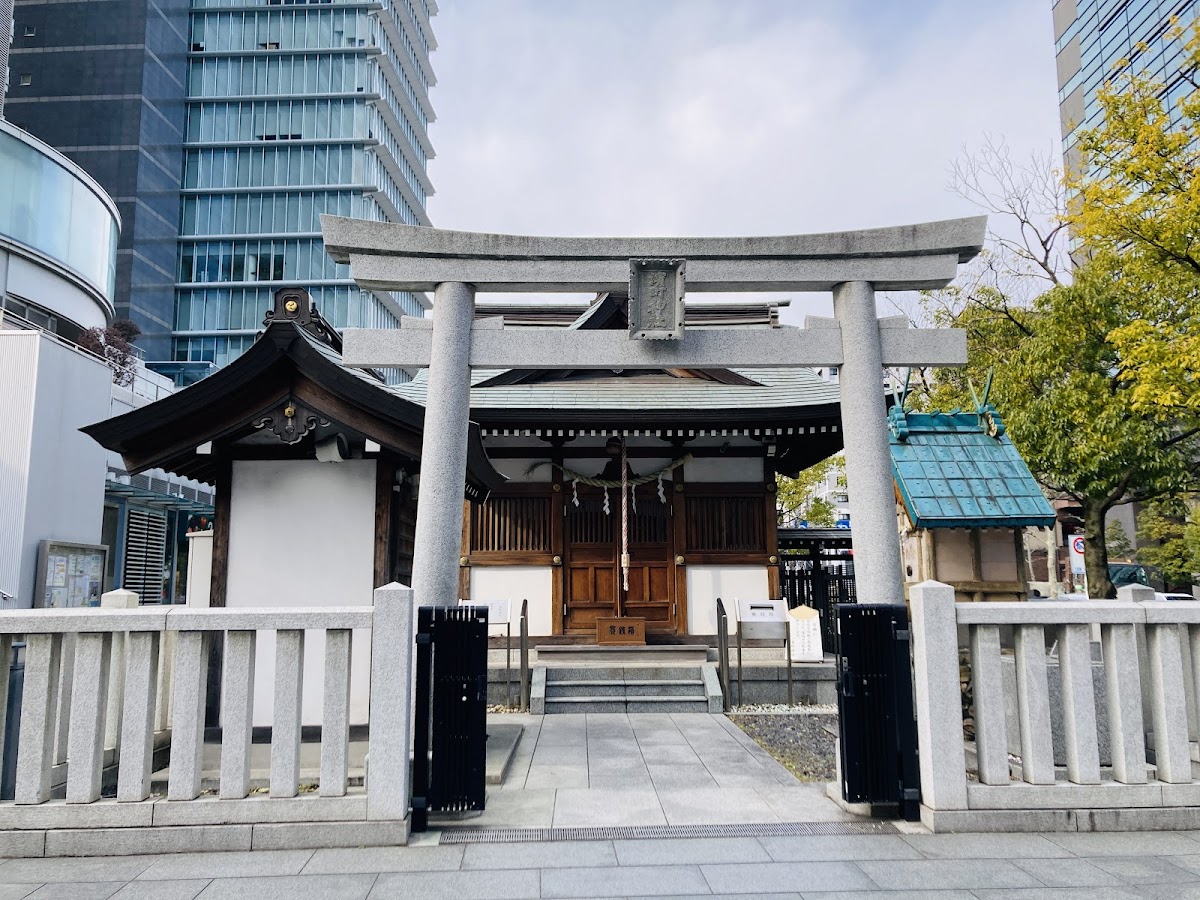
The current shrine building was newly constructed as part of this redevelopment. It is a compact yet dignified structure, built entirely of cypress wood with a copper-plated roof. This reconstruction reflects the commitment to preserving the region’s history and faith even amidst urban development.
Deities and Divine Virtues
Inari Okami (Shimazu Inari Okami)
The deity enshrined at Hamacho Shrine is Inari Okami. In particular, it is worshipped as “Shimazu Inari Okami,” associated with the Shimazu family.
Inari Okami is widely worshipped as the god of abundant harvests, business prosperity, and industrial development. In the Nihonbashi area, a commercial center since the Edo period, it has attracted the deep faith of merchants.
Even today, Hamacho Shrine, located in the business district, is constantly visited by people working nearby and those running businesses in the area, praying for business prosperity and success.
Highlights of the Shrine Grounds
Shrine Building Constructed Entirely from Cypress Wood
The shrine building, newly constructed during the 2005 redevelopment, is built using the traditional method of constructing the entire building from cypress wood. The scent of cypress and the warm texture of the wood create a sacred atmosphere despite its urban location. The roof is covered with copper plates, and one of its highlights is how it changes to a unique verdigris color over time. Despite its compact size, the meticulously crafted shrine building speaks to the respect the local people have for the shrine.
Toei Shrine | A Shrine Preserving the Memory of a Ceramics Wholesale District
Of particular note within the grounds of Hamamachi Shrine is the Toei Shrine. This small shrine holds a fascinating history of the area.
The History of Hamamachi as a Ceramics Wholesale District
The area around Hamamachi once flourished as a ceramics wholesale district. From the Edo period through the Meiji, Taisho, and Showa eras, many ceramics merchants lined the streets, and ceramics collected from all over Japan were traded here.
Toei Shrine was built to pray for the prosperity of the ceramics industry and the safety of those working in it.
A Pedestal Made from Fragments of Ancient Pottery
The most distinctive feature of Toei Shrine lies in its pedestal. The pedestal is made from fragments of ancient pottery dating from the Heian period to the early Edo period.
These pottery fragments are part of valuable ceramics that were handled in the wholesale district, and are historically significant items. One can feel the evolution of Japanese ceramic culture, which has continued since the Heian period, from this pedestal.
The original idea of using ceramic fragments for the shrine’s pedestal can be seen as a sign of respect for the ceramics industry and a desire to pass on the history of this region to future generations.
The Significance of Toei Shrine in the Modern Age
Although the function of the Hamacho area as a ceramics wholesale district is gradually disappearing, Toei Shrine remains on its grounds as a witness to that history. Nestled quietly amidst the buildings, Toei Shrine is a precious relic that preserves the memory of the industry that once flourished in this area.
Annual Festival and Regular Events
The annual festival of Hamamachi Shrine is held every year on May 15th.
The annual festival is the most important annual event for the shrine, where gratitude is offered to the enshrined deity and prayers are made for the peace and prosperity of the community. At the Hamamachi Shrine festival, local worshippers and members of the town association gather, and traditional Shinto rituals are performed.
Around the time of the festival, the shrine grounds are purified, and lanterns and other decorations are sometimes put up. The festival also plays an important role as an opportunity to reaffirm the bonds of the local community.
Goshuin (Shrine Seal) Information
Because Hamamachi Shrine is a small shrine, there may not be a permanent shrine office or priest. Those wishing to receive a goshuin are advised to check in advance.
Generally, small shrines like this may offer goshuin on special days such as the annual festival. Also, priests may be concurrently serving at nearby shrines, so those wishing to receive a goshuin should check with the Hamamachi Shrine Supporters’ Association or local information.
Access and Basic Information
Location
3-3-3 Nihonbashi Hamacho, Chuo-ku, Tokyo 103-0007
Located within the grounds of Tornare Nihonbashi Hamacho.
Nearest Station and Access Methods
Hamacho Shrine is accessible from multiple train lines.
From Hamacho Station on the Toei Shinjuku Line
- Approximately 6 minutes on foot south from Hamacho Station Exit A2
- The closest station and an easy route to follow.
From Suitengumae Station on the Tokyo Metro Hanzomon Line
- Approximately 6 minutes on foot east from Suitengumae Station
- This route involves walking from the direction of Suitengu Shrine towards Hamacho.
From Ningyocho Station on the Tokyo Metro Hibiya Line and Toei Asakusa Line
- Approximately 8 minutes on foot from Ningyocho Station
- Walk through the Ningyocho shopping street towards Hamacho.
Visiting Hours
The shrine grounds are generally open for free visits. However, please be considerate of the neighbors when visiting at night or in the early morning.
The shrine office may have limited opening hours, so we recommend checking in advance if you wish to receive a Goshuin (shrine stamp) or other items.
Parking
There is no dedicated parking lot for Hamacho Shrine. If you are coming by car, please use a nearby coin-operated parking lot. There are several parking lots around Tornare Nihonbashi Hamacho.
Attractions around Hamacho Shrine
Suiten-gu Shrine
Suiten-gu Shrine, located within walking distance of Hamacho Shrine, is a nationally renowned shrine dedicated to safe childbirth and fertility. A new shrine building was completed in 2016, and it is now bustling with many visitors.
Ningyocho Shopping Street
Ningyocho Shopping Street, lined with long-established restaurants and Japanese confectionery shops, is an area where you can feel the atmosphere of the Edo period. You can enjoy a stroll through the downtown area in conjunction with visiting Hamacho Shrine.
Meijiza Theater
Nihonbashi Hamacho is home to the historic Meijiza Theater, which has been operating since the Meiji era. Kabuki, plays, musicals, and other performances are held here, allowing visitors to enjoy traditional Japanese performing arts.
Hamacho Park
Located along the Sumida River, Hamacho Park is a beloved urban oasis for local residents. It’s bustling with cherry blossom viewers during the season and boasts excellent playgrounds and sports facilities for children.
The Charm and Points to Note When Visiting Hamacho Shrine
Coexistence of Urban Development and Tradition
The greatest charm of Hamacho Shrine lies in the fact that its history and faith, dating back to the Edo period, are preserved within a modern redevelopment area. The sight of the cypress-wood shrine standing in a corner of the new complex, Tornare Nihonbashi Hamacho, symbolizes the layered history of Tokyo.
Experiencing the History of the Shimazu Family
As a shrine associated with the Shimazu family, a historically important daimyo family of the Satsuma Domain, Hamacho Shrine holds special value. You can feel the footsteps of the Shimazu family, who produced key figures in the Meiji Restoration, in Edo from this small shrine.
Memories of Ceramic Culture
The fragments of ancient pottery used in the Toei Shrine and its base are a precious legacy that tells the history of Japanese ceramic culture. Touching these pottery fragments, dating from the Heian period to the early Edo period, offers a glimpse into a part of Japanese craft history.
A Quiet Space for Prayer
The shrine grounds, surrounded by buildings, are not large, but they offer a quiet space for prayer, a step away from the hustle and bustle of the city. It is a beloved place for locals to stop by during work breaks or walks to calm their minds.
Points to Note When Visiting Hamamachi Shrine
Understand that it is a Small Shrine
Hamamachi Shrine is a small shrine cherished as the guardian shrine of the community. Unlike large shrines, the shrine office and gift shop are not always open. While you are free to visit, if you wish to obtain a goshuin (shrine stamp) or other gifts, it is recommended to check the information in advance.
Photography Etiquette on the Shrine Grounds
Photography is generally permitted, but please be considerate of other visitors and nearby residents. The pedestal of the Toei Shrine, in particular, holds significant cultural value, so please handle it with care.
Surrounding Area is Residential and Commercial
The area around Hamamachi Shrine is a mix of residential and commercial buildings. Please be quiet and considerate of the neighbors when visiting.
Summary | Hamamachi Shrine: A Remnant of Edo in the City
Hamamachi Shrine originated from the Shimazu Inari Okami enshrined at the Shimazu family’s lower residence during the Tenmei era. It was inherited as the town’s guardian shrine during the Meiji era and continues to exist as a center of local faith even after modern redevelopment.
Within its compact grounds, the shrine features a beautiful cypress wood building and the Toei Shrine, which tells the history of the ceramics wholesale district. The pedestal, made from fragments of ancient pottery from the Heian to early Edo periods, speaks to the cultural richness of this area.
Despite its convenient location just a 6-minute walk from Hamacho Station on the Toei Shinjuku Line and Suitengumae Station on the Tokyo Metro Hanzomon Line, Hamacho Shrine, nestled quietly amidst towering buildings, offers a precious space for prayer that allows you to forget the hustle and bustle of the city.
When you visit Nihonbashi Hamacho, be sure to stop by Hamacho Shrine and experience its history dating back to the Edo period and the unique culture of the area. The memories of the Inari faith associated with the Shimazu family and the pottery culture will surely speak to us living in the modern age.