Hanakawa Shrine (Osaka Prefecture) Complete Guide | An Ancient Shrine in Nishiyodogawa, Where the Legend of Empress Jingu and the History of the Yodo River Live On
Hanakawa Shrine, located in Hanakawa, Nishiyodogawa Ward, Osaka City, is a historic shrine situated on the banks of the Yodo River. Deeply connected to the history of the region and steeped in the legend of Empress Jingu, this shrine is also known for its blessings of traffic safety. This article provides a detailed guide to Hanakawa Shrine, including its history, enshrined deities, highlights within the grounds, information on its Goshuin (shrine stamp), and access methods.
Basic Information about Hanakawa Shrine
Location: 2-1-12 Hanakawa, Nishiyodogawa-ku, Osaka City, Osaka Prefecture 555-0023
Phone Number: 06-6471-3903
Main Deities: Susanoo-no-Mikoto, Empress Jingu
Shrine Rank: Former Village Shrine
Annual Festival Date: October 18th
Hanakawa Shrine is located along the Nishinakajima-Fukumura Line near the Yodogawa Bridge and has long been cherished by the local community. Due to its location along the Yodogawa River embankment, it has a history intertwined with the development of water transport.
History and Origin of Hanakawa Shrine
Legend of Empress Jingu and the Origin of the Place Name
The origin of Hanakawa Shrine can be traced back to the legend of Empress Jingu. It is said that when Empress Jingu returned from her conquest of the Three Kingdoms of Korea, she stopped by this area and named it “Hanagawa” (Nose River) because the terrain protruded like a nose. Due to this legend, although it belongs to the Yasaka Shrine lineage, it is unique in that Empress Jingu is enshrined alongside Susanoo-no-Mikoto as the main deity.
The current place name is written as “Hanakawa,” but this was changed after the Meiji era; the shrine name retains the ancient spelling “Hanagawa.”
Changes from Meiji to Showa Eras
The history of Hanagawa Shrine is closely intertwined with the Yodo River improvement project.
Meiji Era: Initially, Hanagawa Shrine existed as a subsidiary shrine within the grounds of Himejima Shrine. Located on the Yodo River riverbed, it was susceptible to flooding.
Taisho Era: When large-scale improvement work was carried out on the Yodo River, it became necessary to relocate the shrine building from its riverbed location. During this period, it became independent from Himejima Shrine and relocated to its current location in Hanakawa 2-chome.
Showa Era: After the post-war reconstruction period, it continued to attract worshippers as the local guardian deity. The shrine buildings were also renovated, leading to its current appearance.
Thus, Hanakawa Shrine, while being buffeted by the powerful Yodo River and the changing times, has been protected by the faith of the local people.
Deities and Benefits
Main Deity
Susanoo-no-Mikoto
A heroic deity in Japanese mythology, known for the legend of slaying the Yamata no Orochi (eight-headed serpent). Widely worshipped as a god of protection against evil, disease, and matchmaking. Often enshrined as the main deity in shrines of the Yasaka Shrine lineage.
Empress Jingu
The empress of the 14th Emperor Chuai, a legendary woman said to have conquered the Three Kingdoms of Korea. This deity is revered as the god of safe childbirth, child-rearing, victory, and safe voyages. At Hanakawa Shrine, this deity is specially enshrined due to a legend about a visit to this area.
Main Benefits
Hanakawa Shrine is believed to offer the following benefits:
- Traffic Safety: Known locally as the god of traffic, many people visit to pray for safe travels when purchasing a car or bicycle.
- Protection from Evil and Disease: Protection from evil through the divine virtues of Susanoo-no-Mikoto.
- Safe Childbirth and Child-rearing: Prayers for safe childbirth through the divine virtues of Empress Jingu.
- Victory and Good Fortune: Improved luck in competitions, drawing on the martial prowess of Empress Jingu.
- Safe Voyages and Protection from Water Disasters: As it is located on the banks of the Yodo River, it is considered a guardian deity related to water.
In particular, prayers for traffic safety are deeply rooted in the local community, with many visiting when purchasing a new car or obtaining a driver’s license.
Highlights of the Shrine Grounds
Shrine Building
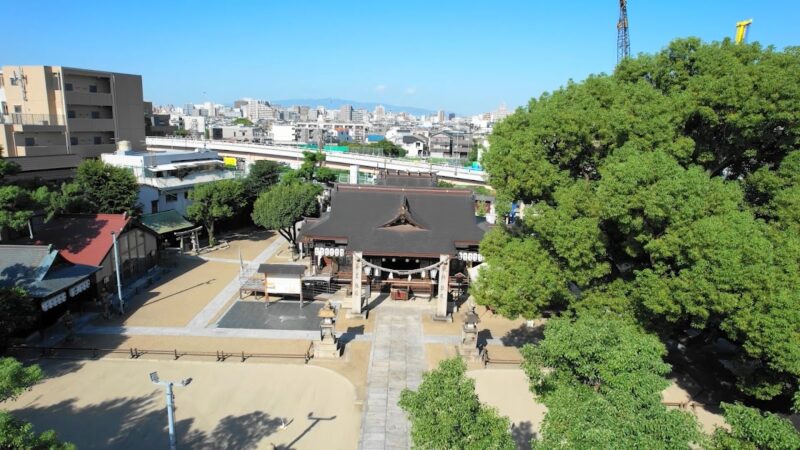
The shrine building of Hanakawa Shrine, though compact, presents a beautiful and meticulously maintained appearance. The main hall is built in a traditional shrine architectural style, quietly telling the story of the region’s history.
The grounds are not vast, but are impeccably clean, welcoming visitors with a refreshing feeling. This tranquil space, slightly removed from the hustle and bustle of the city, is ideal for a peaceful visit.
Oni-gawara Statue
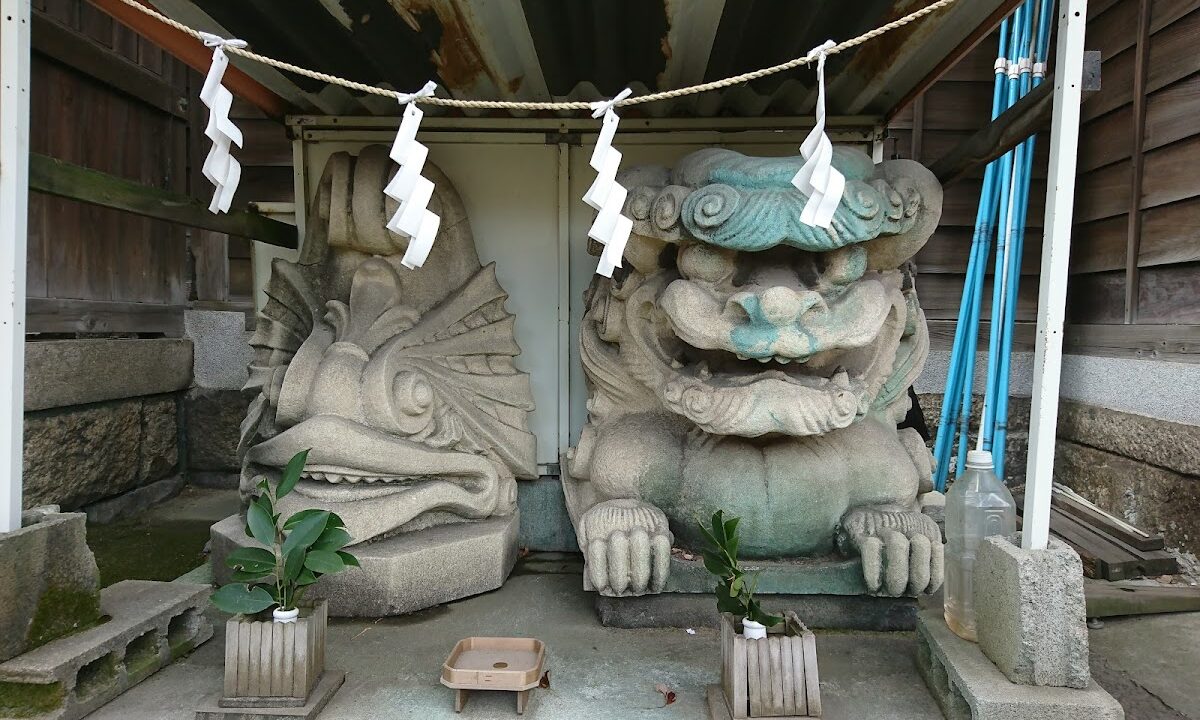
Looking at the shrine grounds from the road, the striking Oni-gawara statue immediately catches the eye. This statue is a symbolic presence of Hanakawa Shrine and leaves a strong impression on visitors. This statue, which symbolizes protection against evil and misfortune, watches over the shrine grounds as its guardian.
Inari Shrine
In addition to the main hall, an Inari shrine is also enshrined on the grounds. Many visitors come seeking blessings for business prosperity and a bountiful harvest. Although small in scale, the shrine is meticulously maintained, reflecting the deep faith of the local community.
Water Basin
As you proceed along the approach to the shrine, you will find a water basin. Before praying, be sure to purify your hands and mouth here before proceeding to the main hall. Following this traditional practice allows for a more heartfelt prayer.
Approach and Entrance
Hanakawa Shrine has an approach from the north side. Entering from the north side leads directly to the main hall, making it a compact yet easily accessible shrine.
Goshuin (Shrine Seal) Information
About Goshuin Receiving
You can receive a goshuin at Hanakawa Shrine. A goshuin is an important memento of your visit and a symbol of your connection with the shrine.
Hours of Receiving: Generally, it is available during the hours the shrine office is open, but staff may not always be present, so it is recommended to call ahead to confirm.
Offering Fee: The general range is around 300-500 yen, but please confirm upon your visit.
Goshuincho (Stamp Book): When receiving a goshuin (stamp), please bring your goshuincho. Please inquire directly about the availability of Hanakawa Shrine’s original goshuincho.
Manners for Collecting Goshuin
Goshuin are not merely stamp rallies; they are proof of your connection with the shrine. Please observe the following manners:
- Always pray before receiving a goshuin.
- Request using polite language.
- Present your goshuincho with both hands.
- Wait quietly while the stamp is being written.
- Receive the stamp with both hands and express your gratitude.
Annual Festivals and Events
Autumn Festival (October 18th)
The most important festival at Hanakawa Shrine is the Autumn Festival, held annually on October 18th. This festival, held on the banks of the Yodo River to enshrine Empress Jingu and Susanoo-no-Mikoto, is an important annual event in the region.
Main Contents of the Annual Festival:
- Mikoshi Procession: The portable shrine carrying the deity is paraded through the community.
- Lion Dance: A traditional performance praying for protection from evil and a bountiful harvest.
- Drum Dedication: The powerful sound of drums resonates throughout the shrine grounds.
- Shinto Ritual: A solemn religious ceremony performed by Shinto priests.
This is an important opportunity for the community to participate and deepen the bond between the shrine and the community. Parishioners and devotees gather to express gratitude for the past year and pray for peace in the coming year.
Other Annual Events
In addition to the annual festival, the following annual events are held (please contact the shrine for details):
- New Year’s Day Festival: Prayers for happiness in the new year
- Setsubun Festival: Exorcism of evil spirits through bean-throwing
- Summer Purification Ceremony: A Shinto ritual to purify oneself of impurities accumulated over the past six months
Access and Transportation Information
Access by Train
Hanakawa Shrine is accessible from several train stations.
Nearest Station and Travel Time:
- JR Takarazuka Line (Fukuchiyama Line) Tsukamoto Station
- Approximately 10 minutes on foot from the West Exit
- This is the most convenient access method.
- Hanshin Electric Railway Main Line Himejima Station
- Approximately 9-10 minutes on foot (approximately 734m)
- This is the more convenient option if using the Hanshin Electric Railway.
Detailed Walking Route
Route from Tsukamoto Station:
- Exit Tsukamoto Station’s West Exit
- Head towards Nishinakajima Fukumura Line (towards National Route 2)
- Proceed towards Yodogawa Ohashi Bridge
- Walk along the Yodogawa River embankment to reach Hanakawa Shrine.
Route from Himejima Station:
- Exit Himejima Station and head northwest
- Head towards Hanakawa 2-chome
- When you reach Nishinakajima Fukumura Line, you will see Hanakawa Shrine.
Access by Car
Location: 2-1-12 Hanakawa, Nishiyodogawa-ku, Osaka City, Osaka Prefecture
If coming by car, please use National Route 2 (Nishinakajima-Fukumura Line) as a landmark. It is located near Yodogawa Bridge.
Parking: Please inquire with the shrine in advance regarding the availability of dedicated parking (Tel: 06-6471-3903). While there may be coin-operated parking lots nearby, we recommend using public transportation.
Landmarks in the Area
- Near Yodogawa Bridge
- Along the Yodogawa River embankment
- Along Nishinakajima-Fukumura Line (National Route 2)
These landmarks should make it easy to find.
Manners and Etiquette for Worship
Basic Worship Etiquette
Knowing the correct way to worship at a shrine will allow for a more heartfelt visit.
Walking Procedure:
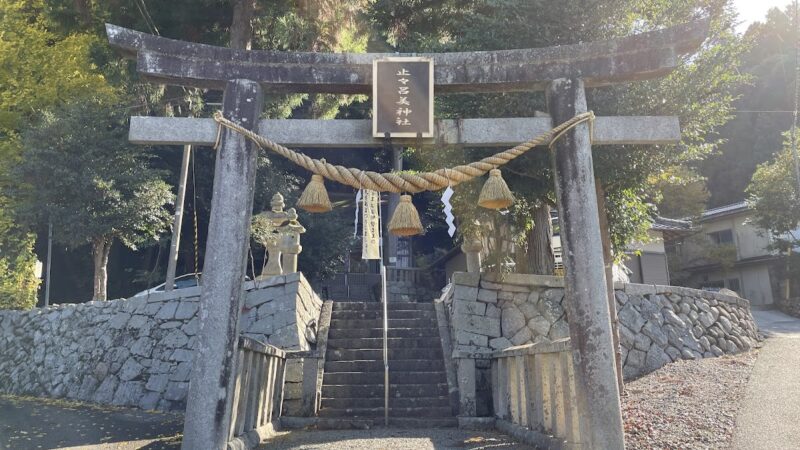
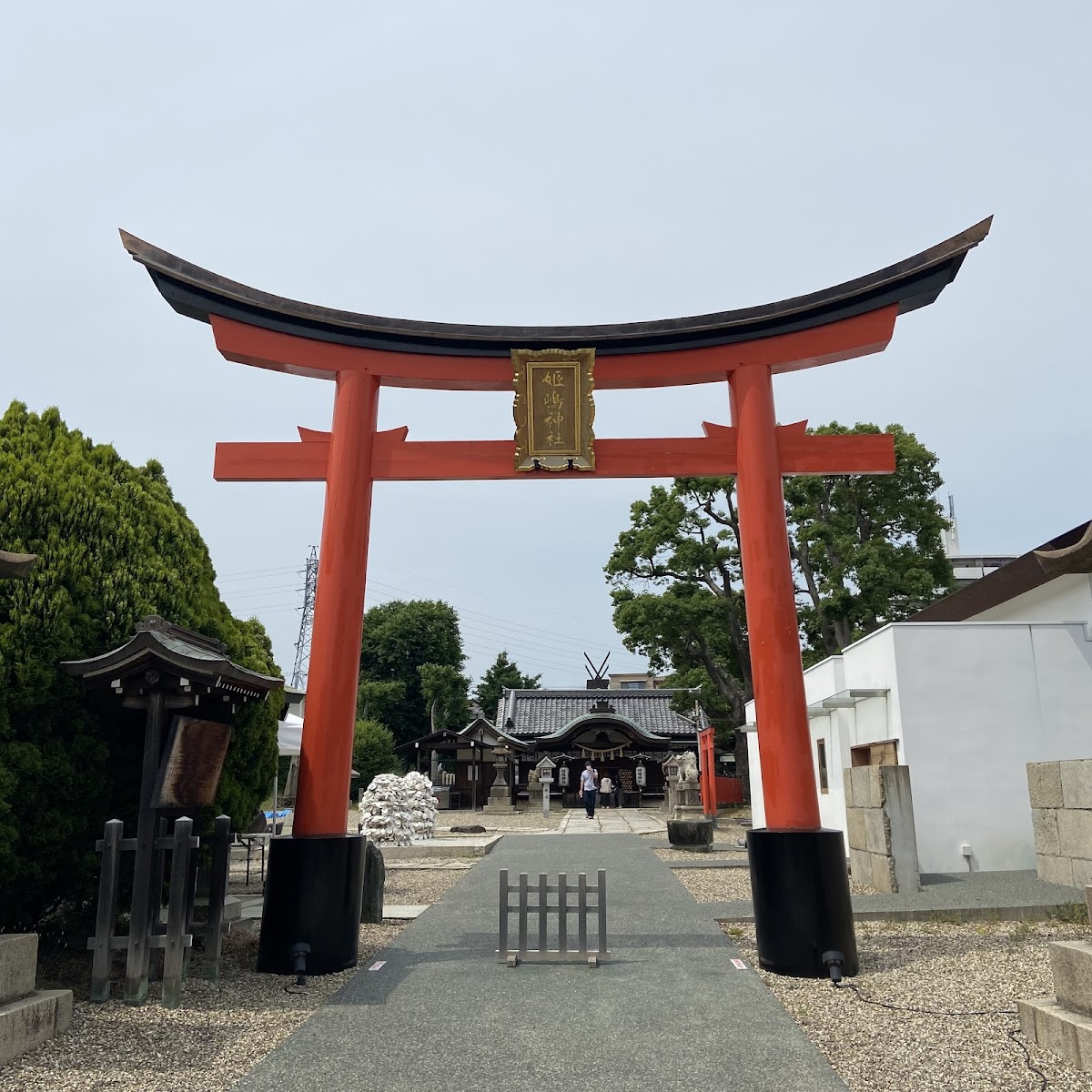
- Bow Before Passing Through the Torii Gate
This is a greeting before entering the sacred area. The center of the torii gate is the path for the gods, so walk along the sides.
- Purify Yourself at the Water Basin
- Take the ladle with your right hand and purify your left hand.
- Switch the ladle to your left hand and purify your right hand.
- Switch the ladle back to your right hand, receive water in your left hand, and rinse your mouth.
- Finally, hold the ladle upright and purify the handle.
- Worship at the Main Shrine (Two Bows, Two Claps, One Bow)
- Quietly place your offering in the offering box.
- Ring the bell if there is one.
- Bow deeply twice.
- Clap twice.
- Pray with all your heart.
- Finally, bow deeply once.
- Bow Again at the Torii Gate Upon Exit
Bow once again with gratitude when leaving the sacred area.
Attire for Visiting the Shrine
Unless you are receiving a special prayer, everyday clothing is acceptable, but please note the following:
- Dress neatly.
- Avoid excessive exposure.
- Shoes are preferable to sandals.
- Remove hats and sunglasses within the shrine grounds.
Nearby Attractions and Tourist Spots
Himejima Shrine
Himejima Shrine, which once existed as a subsidiary shrine of Hanakawa Shrine, is also located in Nishiyodogawa Ward. Visiting both shrines while feeling their historical connection is highly recommended.
Yodogawa River Park
The Yodogawa River flows very close to Hanakawa Shrine, and you can enjoy strolling and jogging at Yodogawa River Park. Enjoying the nature of the Yodogawa River before or after your visit is a good idea.
Around Tsukamoto
The area around the nearest station, Tsukamoto Station, is lined with old-fashioned shopping streets and restaurants. You can enjoy a meal while soaking up the local atmosphere after your visit.
Summary of the Charms of Hanakawa Shrine
Hanakawa Shrine is a historic shrine steeped in the legend of Empress Jingu, and a valuable place with a history intertwined with the Yodo River, a major river.
Main Features of Hanakawa Shrine:
- Legend of Empress Jingu: A rare shrine that enshrines Empress Jingu, the origin of the place name, as its main deity.
- Benefits of Traffic Safety: Beloved in the community as the god of traffic.
- Deep Connection with the Yodo River: A shrine that has walked hand in hand with the history of river improvement.
- Community-Rooted Faith: Cherished by parishioners and local residents.
- Compact and Clean Grounds: A quiet worship space away from the hustle and bustle of the city.
- Impressive Oni-gawara Statues: Symbolic presences protecting the shrine grounds.
The compact yet meticulously maintained grounds, the fervent faith of the local people, and the historical background of the legend of Empress Jingu are major attractions of Hanakawa Shrine.
Precautions When Visiting the Shrine
Shrine Office Opening Hours
Hanakawa Shrine is a small shrine, so the shrine office is not always open. If you wish to obtain a Goshuin (shrine stamp) or amulet, we recommend calling in advance to confirm.
Contact Information: 06-6471-3903
Photography
Photography is generally permitted on the shrine grounds, but please observe the following manners:
- Refrain from taking photos inside the main hall
- Be considerate of other visitors
- Obtain permission in advance if using a tripod
- Remember to show respect to the shrine when posting on social media, etc.
Respectful Worship
Shrines are sacred places. Please refrain from loud conversations and noisy behavior, and worship quietly. Especially when a festival is taking place, please be careful not to disrupt the solemn atmosphere.
Connection to the Community
Hanakawa Shrine is not merely a tourist spot, but a shrine deeply rooted in the lives of the people of the Hanakawa district in Nishiyodogawa Ward. As the guardian shrine of the region, it serves as a spiritual pillar for residents and plays a central role in the local community.
It’s a place where local people visit at various milestones in their lives, such as praying for traffic safety when purchasing a new car, a baby’s first shrine visit, Shichi-Go-San (a traditional Japanese rite of passage for children), and protection against misfortune. Furthermore, the autumn festival brings the entire community together to make it a lively event, fostering intergenerational exchange.
This strong bond with the community is the reason why Hanakawa Shrine has survived to this day, overcoming challenges such as changing times and the Yodogawa River renovation.
Best Season to Visit
Hanakawa Shrine is open for worship throughout the year, but here are some particularly recommended times:
Spring (March-May)
The season of fresh greenery and mild weather. Many people visit to pray for traffic safety in the new year.
Autumn (September-November)
The annual festival on October 18th is the highlight. Visiting in the refreshing autumn weather is also very pleasant.
New Year’s Visit (January)
The shrine is bustling with local residents during the New Year’s visit, where they pray for happiness in the coming year.
Due to its location along the Yodo River, it can be hot in the summer and cold in the winter, so it’s recommended to dress appropriately for the season.
Summary: Experiencing History and Faith at Hanakawa Shrine
Hanakawa Shrine, located in Nishiyodogawa Ward, Osaka City, is a historic shrine steeped in the legend of Empress Jingu, and a treasure of the region that has walked hand in hand with the history of the Yodo River. It enshrines Susanoo-no-Mikoto and Empress Jingu, and is believed to offer various blessings, including traffic safety.
The compact yet clean grounds, impressive gargoyle statues, and the deep faith of the local residents warmly welcome visitors. Its convenient access, within walking distance of JR Tsukamoto Station and Hanshin Himejima Station, is also a major attraction.
This shrine is worth visiting for a variety of reasons: for those who enjoy visiting shrines while collecting Goshuin (shrine stamps), those who wish to pray for traffic safety, those interested in Osaka’s history, and those seeking a peaceful place to calm their minds.
Why not visit this shrine by the Yodo River, reflecting on the legend of Empress Jingu, and offering a quiet prayer? You’re sure to return to your daily life with a refreshed feeling.
Basic Information (Reprinted)
- Location: 2-1-12 Hanakawa, Nishiyodogawa-ku, Osaka City, Osaka Prefecture 555-0023
- Phone: 06-6471-3903
- Access: Approximately 10 minutes on foot from the west exit of JR Tsukamoto Station, approximately 9 minutes on foot from Hanshin Himejima Station
- Main Deities: Susanoo-no-Mikoto, Empress Jingu
- Annual Festival: October 18th
When visiting, please remember to show respect to the shrine, observe proper etiquette, and pray with sincerity.